 Reynand Holland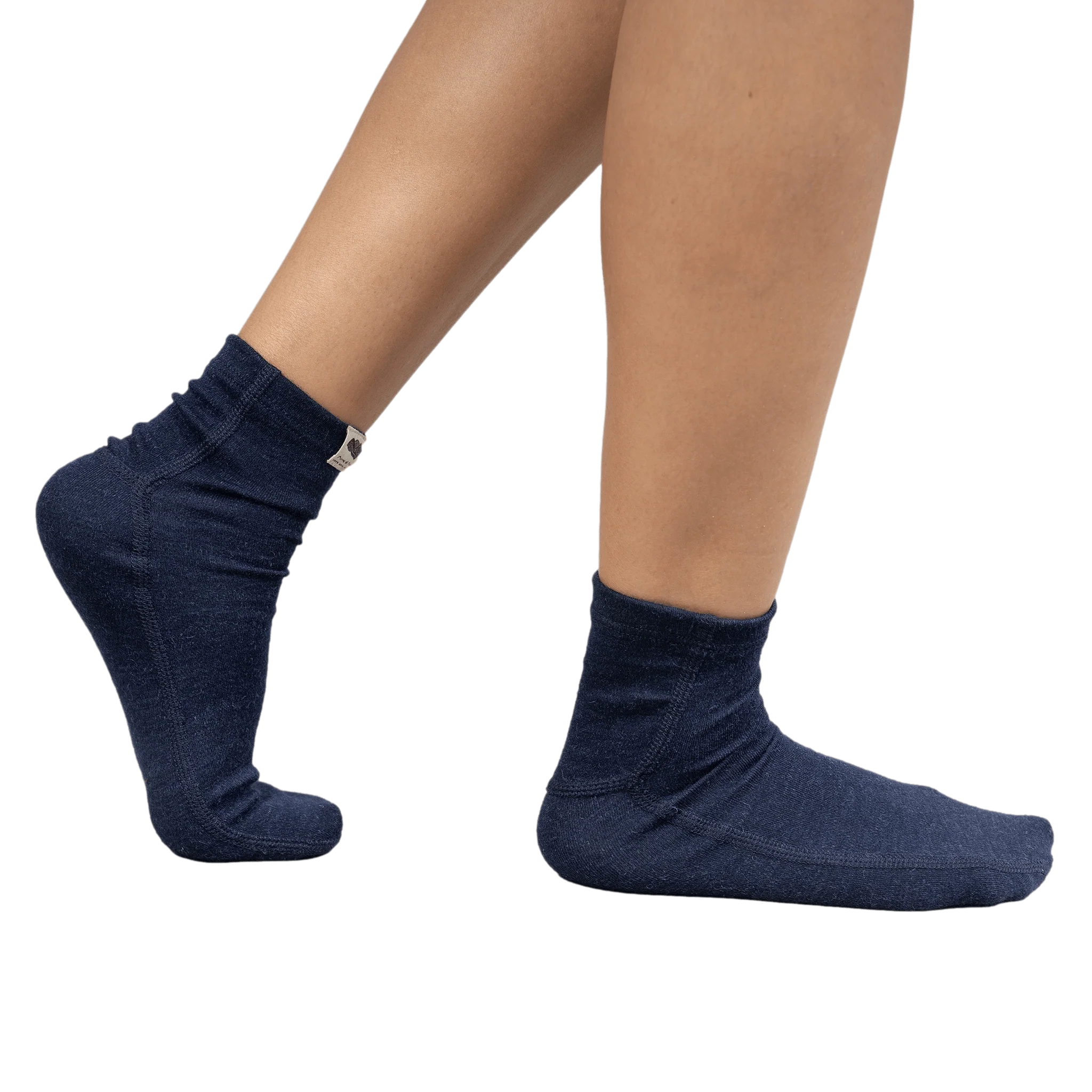
The global textile and apparel industry has long overlooked foundational wardrobe components in its pursuit of cheap, fast-fashion manufacturing, with socks frequently relegated to an afterthought of synthetic production. However, recent health and dermatological studies highlight that socks represent a uniquely high-risk category of apparel. Unlike outerwear, socks remain in direct, prolonged contact with the skin under conditions of high friction, warmth, and perspiration. When manufactured using petroleum-based synthetic fibers and hazardous chemical dyes—most notably azo-benzene disperse dyes—socks can become vectors for skin sensitization, chronic irritation, and systemic absorption of potential carcinogens. As consumer awareness shifts toward preventive wellness and environmental accountability, a growing cohort of sustainable apparel brands is re-engineering this basic garment. By prioritizing certified organic natural fibers, non-toxic manufacturing processes, and transparent supply chains, these enterprises are offering alternatives that safeguard both wearer health and ecological integrity.
The Evolution of Textile Safety Regulations and Synthetic Risks
The historical trajectory of sock manufacturing shifted dramatically in the mid-to-late 20th century with the mass introduction of petroleum-derived synthetic fibers such as polyester, nylon, and acrylic, alongside elastane for stretch. While these materials drastically reduced production costs and increased durability, they introduced unforeseen biological consequences. Synthetic fibers possess poor moisture-regulation properties compared to natural alternatives, trapping sweat against the epidermis and creating an optimal breeding environment for odor-causing bacteria.
More critically, the chemical treatments required to color and finish synthetic textiles pose significant health hazards. Azo dyes, which account for a substantial percentage of all textile colorants globally, can break down under specific physiological conditions—such as exposure to human perspiration, friction, and skin bacteria—to release aromatic amines. According to toxicological assessments published by public health researchers, certain aromatic amines are classified as known or suspected human carcinogens. Because the stratum corneum of the foot can absorb these compounds, particularly when skin is softened by moisture and heat, dermatologists increasingly advise patients suffering from contact dermatitis or chronic eczema to eliminate synthetic, chemically treated hosiery from their wardrobes.
Industry Response and the Rise of Certified Non-Toxic Standards
In response to mounting clinical evidence and consumer demand, regulatory bodies and independent certification organizations have established rigorous frameworks to govern textile safety. Standards such as Oeko-Tex Standard 100, bluesign, and the Global Organic Textile Standard (GOTS) have become benchmarks for verifying that finished garments are free from harmful levels of heavy metals, formaldehyde, regulated pesticides, and carcinogenic colorants.
Concurrently, agricultural standards like the Responsible Wool Standard (RWS) and Forest Stewardship Council (FSC) certifications address upstream environmental impacts, ensuring that animal welfare and forestry management align with human safety metrics. Brands that adopt these certifications typically operate under restricted substance lists (RSLs), demonstrating proactive chemical management rather than reactive compliance. Despite these advancements, manufacturing a 100% non-toxic sock remains an engineering challenge; elastane is conventionally required to maintain structural fit around the ankle and arch, meaning true synthetic-free options remain exceedingly rare within the broader commercial market.
An Analysis of Leading Sustainable and Non-Toxic Sock Brands
A rigorous market evaluation reveals thirteen prominent brands successfully bridging the gap between foot health, ethical supply chains, and consumer style preferences.
Harvest & Mill
Operating primarily within the United States, Harvest & Mill specializes in dye-free organic cotton socks that eliminate the risk of chemical dye sensitization. By sourcing unbleached cotton grown, spun, and knitted domestically, the brand minimizes its carbon footprint while supporting American organic agriculture. All excess fabric is systematically repurposed or recycled, and orders are dispatched in compostable packaging. Reviewers note that the thick yet lightweight crew-style construction offers optimal ankle protection inside footwear without exerting excessive pressure on the cuff. Price points range from $11 to $12 per single pair, with multi-packs available up to $66.
Subset
Formerly known as Knickey, Brooklyn-based Subset offers Fair Trade and Oeko-Tex-certified organic cotton socks manufactured from farm to finished product in India. Entirely PFAS-free, the brand caters to consumers seeking a thinner, dressier profile suitable for tightly fitted footwear. The elastic components are tightly integrated within the textile matrix to prevent direct skin contact. However, consumers should note that Subset socks incorporate approximately 24% synthetic materials. Retailing at a flat $12 per pair, they are widely available across North America, Australia, and Europe.
Paka
Certified as a B Corporation, Paka utilizes a blend of alpaca wool and Tencel to manufacture durable, highly breathable socks designed for extreme weather conditions. Spun by Peruvian artisans and colored using Oeko-Tex-certified dyes, these socks offer exceptional moisture management and thermal insulation, making them ideal for winter hiking. While the natural coarse nature of alpaca fiber may occasionally induce mild physical friction for exceptionally sensitive wearers, the primary technical caveat is the inclusion of up to 50% recycled synthetics. Prices range from $20 to $24 per single pair, with bundles reaching $96.
Arms of Andes
Standing out as a rare exception in the modern textile industry, Arms of Andes produces 100% synthetic-free slipper socks sourced from free-range alpacas in the Andean mountains. Working in direct partnership with local farming co-operatives, the brand oversees every stage of production from raw fiber harvesting to final sewing. The resulting Oeko-Tex-certified garments are lightweight, highly insulated, and naturally moisture-wicking, delivered exclusively in compostable packaging. Single pairs retail between $20 and $25.
Cottonique
Dedicated exclusively to allergy-free and sensitive skin demographics, Cottonique manufactures 100% organic cotton hosiery completely free from synthetic blends, latex, and chemical bleaches. Developed in close consultation with dermatological specialists, the brand utilizes covered seams to eliminate mechanical rubbing and irritation. Sourced from organic farms in India and manufactured in the Philippines, Cottonique products represent the gold standard for clinical-grade hypoallergenic hosiery, with single pairs and packs priced between $16 and $21.
Boody
Based in Sydney, Australia, Boody utilizes Oeko-Tex-certified organic bamboo viscose, supplemented by organic cotton and recycled nylon, to produce a diverse range of hosiery thicknesses. Manufacturing takes place within WRAP-certified facilities across China, Vietnam, and India, adhering to strict corporate social responsibility codes of conduct. Retail pricing spans from $9.95 to $17.95 for single pairs, with availability centered primarily in the United States and Canada.
Kotn
As a certified B Corporation, Kotn maintains direct-trade relationships with local Egyptian cotton farmers, securing fair pricing and complete supply chain transparency. Utilizing organic cotton and Oeko-Tex-certified dyes, Kotn produces professional-grade, aesthetically refined hosiery packaged in recycled and recyclable materials. Certain variations contain up to 20% synthetic content for structural elasticity. Single pairs retail between $10 and $18.
Quinn
Designed specifically for individuals managing chronic skin conditions such as eczema, Quinn offers GOTS-certified organic cotton and merino wool socks manufactured in Portugal and Sri Lanka. While the primary fiber sources are certified organic, precise agricultural origins remain partially obscured, and select models contain up to 20% synthetics. The product line includes both dye-free ankle variations and reinforced-heel merino wool options, retailing from $15 for individual pairs to $75 for bundles.
Cariloha
Specializing in bamboo viscose and organic cotton blends, certified B Corp Cariloha delivers hypoallergenic hosiery certified by both Oeko-Tex and Fair Trade standards. Sourcing its bamboo raw material from China and utilizing FSC-certified paper packaging, the brand offers a reliable alternative for sensitive skin, though exact manufacturing facilities are not publicly disclosed. Single pairs range from $10 to $15.
Dedicated
Combining vibrant aesthetic patterns with ethical manufacturing, Dedicated produces Fair Trade organic cotton socks utilizing WRAP-certified supply chain partners. Product pages feature explicit geographical tracking for consumer transparency, though buyers should note that certain styles integrate up to 25% elastane. Global distribution is maintained, with prices ranging widely from $9 to $59.
Darn Tough
Manufactured in family-owned mills in Vermont, Darn Tough specializes in high-durability hosiery constructed from Responsible Wool Standard (RWS) certified merino wool. Adhering to strict restricted substance lists and utilizing Oeko-Tex-certified inputs, the brand implements environmentally conscious packaging featuring FSC-certified recycled paper and vegetable-based inks. Due to the performance requirements of athletic and outdoor use, these socks incorporate up to 50% synthetics. Single pairs range from $15 to $35.
Nisolo
Known primarily for sustainable footwear, certified B Corporation Nisolo offers a complementary hosiery line manufactured in a family-owned North American mill. Utilizing upcycled cotton, linen, wool, and recycled polyester, the brand provides complete supply chain transparency and a commitment to living wages for all workers. While packaging relies on recycled materials, consumers should be aware that select sock styles contain up to 70% synthetic content. Prices range from $15 to $20 per pair.
Swedish Stockings
Specializing in specialized hosiery, including knee-highs and ankle socks, Swedish Stockings produces functional and fashionable items in Italy using Oeko-Tex-certified bamboo viscose, organic cotton, organic wool, and recycled or virgin elastane. Offering a wide spectrum ranging from fully synthetic variants to natural fiber blends, the brand addresses diverse consumer needs with single items and bundles priced between $19 and $90.
Broader Implications for the Apparel Industry
The expansion of the non-toxic hosiery market signals a broader paradigm shift within the global textile sector. As consumer advocacy groups apply pressure regarding chemical transparency, supply chain mapping, and end-of-life biodegradability, traditional manufacturing models face mounting scrutiny. The economic viability of brands utilizing 100% natural fibers—such as Arms of Andes and Cottonique—proves that consumer demand for biological safety is robust enough to sustain premium pricing models. Furthermore, the integration of rigorous third-party certifications like Oeko-Tex and GOTS across multiple price tiers indicates that non-toxic apparel is transitioning from a luxury niche to an expected standard of consumer protection. Ultimately, the evolution of the sustainable sock market underscores a fundamental re-evaluation of everyday consumer goods, demonstrating that even the smallest elements of a wardrobe carry significant weight in human health and environmental stewardship.