 Indra Kusuma
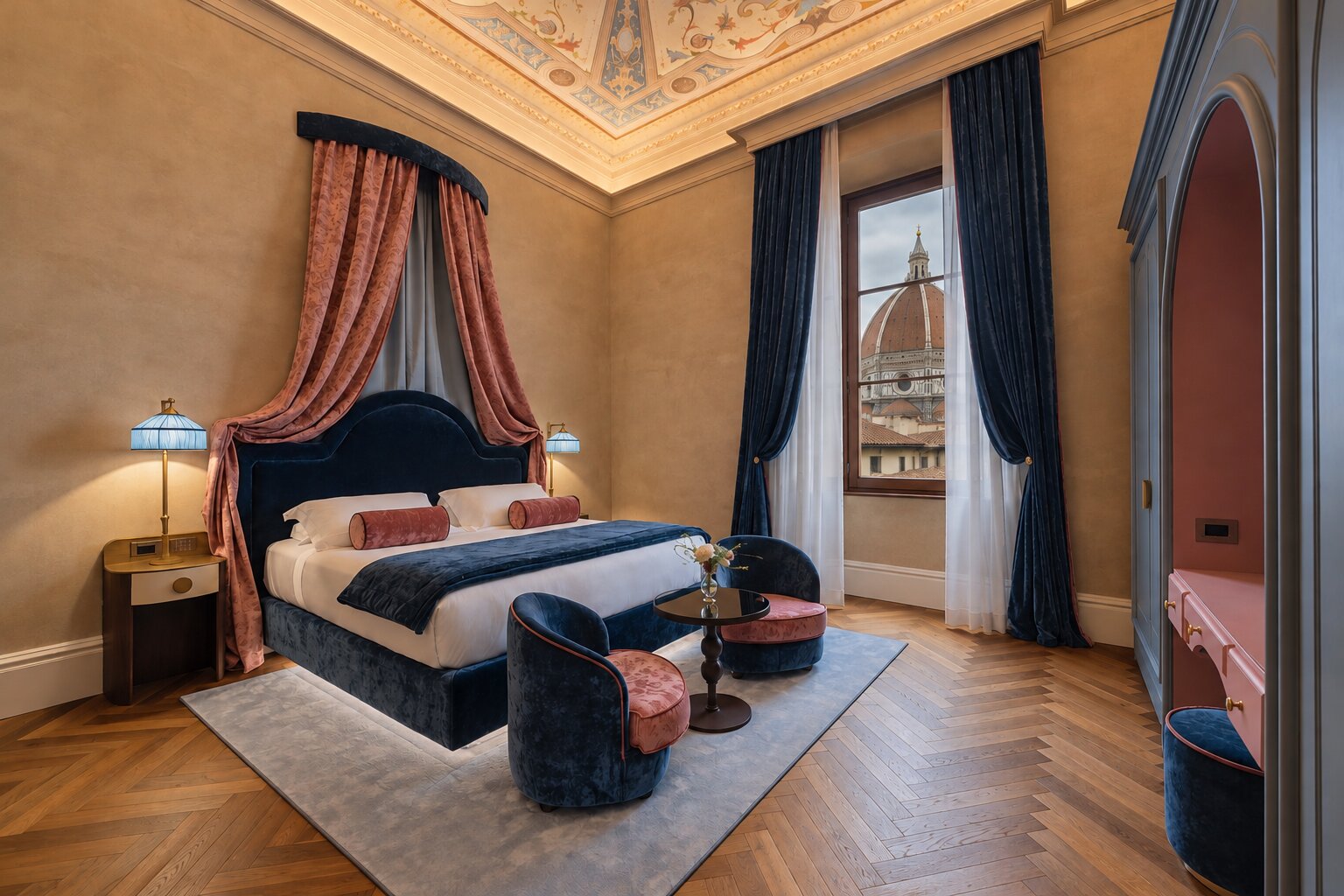
In the heart of Florence, where the dense stratification of history often poses a challenge to modern development, the newly unveiled Palazzo Sogni offers a masterclass in architectural synthesis. Situated just steps from the iconic Duomo, this 30-room boutique hotel, housed within the 16th-century Palazzo Testa, marks a significant moment in the city’s hospitality sector. Designed by Elena and Giulia Sella, the property serves as a case study for how historic preservation can coexist with high-end, contemporary interior design without sacrificing the soul of the original Renaissance structure.
The Historical Foundation: From Palazzo Testa to Palazzo Sogni
The building’s origins trace back to the 16th century, when it was commissioned by the noble Martelli family as part of the broader Palazzo Testa estate. For centuries, the palazzo served as a repository of artistic achievement, housing works by masters such as the sculptor Baccio Bandinelli, whose monumental nymphaeum and stone fountain remain the centerpiece of the property’s interior courtyard.
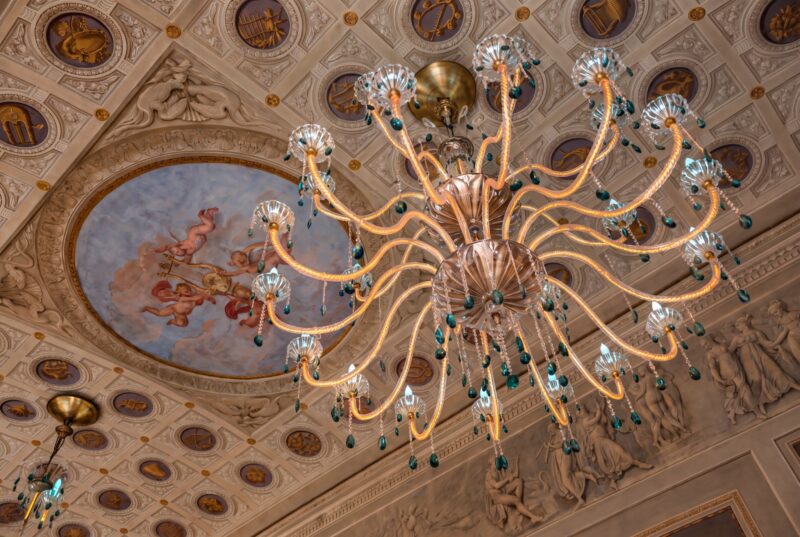
The restoration process, which spanned several years, was characterized by an intensive archaeological approach to the interior surfaces. Conservationists meticulously removed layers of paint applied during the 19th and 20th centuries, revealing long-forgotten frescoes by artists including Luigi Catani and Antonio Marini. These revelations did not merely dictate the aesthetic direction; they formed the mandatory framework for the Sella sisters’ interior interventions. By shifting away from the traditional museum-like preservation of historic rooms, the design team opted for an integrated strategy where 16th-century frescoes serve as the active color palette for 21st-century living.

A Chronology of Restoration and Development
The transition of Palazzo Testa into the modern Palazzo Sogni involved a multi-phase development schedule. While the initial planning stages focused on structural stabilization and the restoration of the nymphaeum, the second phase—completed in late 2026—centered on the bespoke outfitting of the 30 guest suites.
- Phase I (Structural & Fresco Restoration): Identification and stabilization of historic murals; integration of modern MEP (mechanical, electrical, and plumbing) systems within historic masonry.
- Phase II (Artisanal Customization): Commissioning of local Florentine workshops for custom furniture, lighting, and specialized upholstery.
- Phase III (Interior Curation): Implementation of the "dreaming" concept, which links public and private spaces through a unified, yet evolving, color and material language.
Bespoke Craftsmanship and Local Economic Impact
A defining feature of the Palazzo Sogni project is its rejection of off-the-shelf luxury furniture. Elena and Giulia Sella opted for a "couture" design methodology, ensuring that every sculptural wardrobe, four-poster bed, and occasional table was manufactured by specialized artisans within the Florence region.
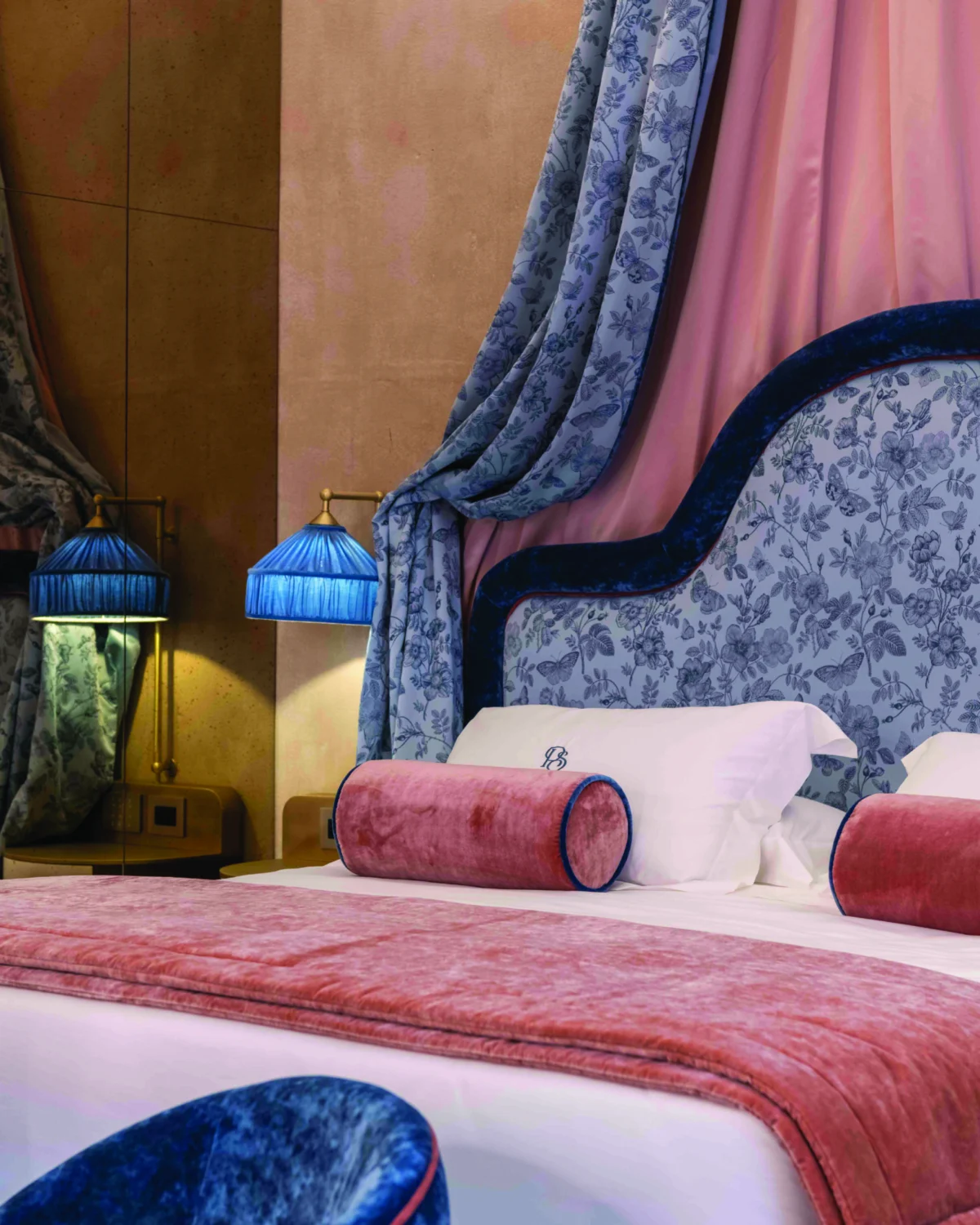
This commitment to local production extends to the hotel’s textile program. The "Floral Butterfly" motif, a bespoke jacquard fabric, was engineered by Alessandro Bini, a renowned local textile house that developed a dedicated loom configuration to achieve the design’s unique relief texture. Furthermore, the collaboration with Rivolta Carmignani for linens and Ginori 1735 for custom porcelain—specifically a reinterpretation of their historic Antico Doccia line in the hotel’s signature powder blue—anchors the property within the city’s deep tradition of manufacturing excellence.
Architectural Analysis: The Dialogue Between Eras
The design philosophy behind Palazzo Sogni addresses a common tension in European hospitality: the "museum versus hotel" dilemma. To avoid the sterile atmosphere of historical preservation, the designers introduced high-contrast contemporary elements. The use of aged amber-toned mirrors throughout bathrooms and elevators is a calculated choice; the material serves to visually lighten the mass of the 16th-century stone walls while providing a warm, reflective continuity that ties distinct rooms together.
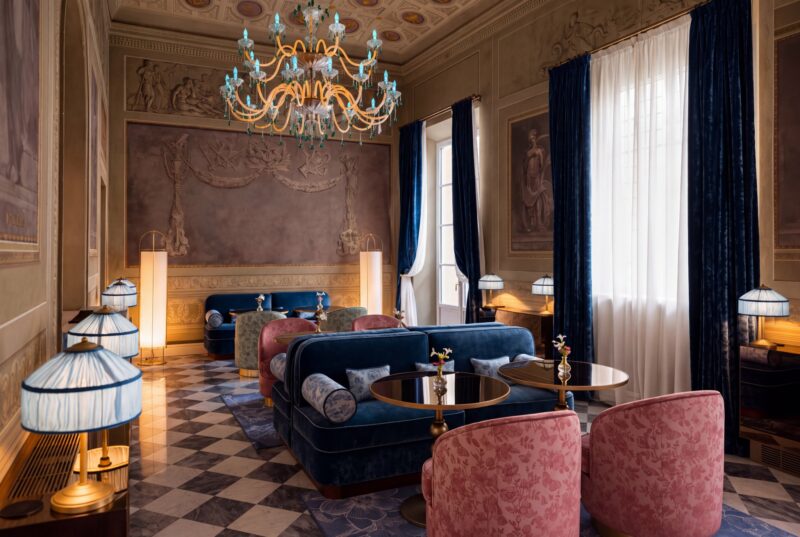
The color palette acts as a secondary binding agent. The "powder blue" signature shade is consistently paired with ochre, blush pink, and mint green—tones derived directly from the historic fresco color schemes. By applying these traditional colors to modern, velvet-upholstered furnishings, the designers have created an environment that feels simultaneously timeless and immediate.
The Role of Technology in Historical Spaces
Despite the 16th-century shell, the property integrates modern luxury technology. The most notable inclusion is the "Press for Champagne" button, a playful, modern amenity that sits in stark contrast to the surrounding Renaissance frescoes. This inclusion illustrates the developers’ intent to prioritize the guest experience—often associated with 21st-century ease—while maintaining a respectful distance from the building’s monumental history.

Lighting design also plays a critical role in the spatial hierarchy. Rather than using standard overhead fixtures, which could damage or obscure historic ceilings, the designers implemented a dual-lighting strategy: integrated architectural illumination to highlight ceiling paintings, and bespoke, dedicated fixtures designed to draw the eye toward specific wall-mounted frescoes.
Economic and Cultural Implications
The opening of Palazzo Sogni comes at a time when Florence is seeking to balance the influx of international tourism with the preservation of its architectural integrity. By converting a historic palazzo into a boutique hotel with only 30 rooms, the project emphasizes a low-density, high-value tourism model. This approach aligns with broader shifts in the Italian hospitality sector, where investors are increasingly favoring the restoration of secondary historic buildings over new construction.

For the city, the preservation of the Palazzo Testa nymphaeum and the public-facing aspects of the property represents a cultural gain. The hotel acts as a steward of these features, ensuring that the fountain and courtyard remain maintained and visible. As the designers noted, the goal was to create an identity that "could only belong to this place," thereby reinforcing the unique cultural branding of Florence as a living city rather than a static gallery.
Future Outlook and Sustainability
While the building’s structure is inherently ancient, the mechanical systems and interior finishes have been selected for longevity and material integrity. The reliance on lime-based wall finishes and natural silk and velvet fabrics reflects a commitment to traditional materials that are not only authentic to the period but also environmentally sustainable compared to modern synthetics.

As Palazzo Sogni begins its first year of operation, it stands as a testament to the viability of adaptive reuse. The success of this project suggests that the future of Florentine luxury lies not in the replication of the past, but in the sophisticated, respectful, and technologically enabled layering of the new upon the old. By treating the palazzo as a living, evolving entity rather than a fixed monument, the Sella sisters have successfully translated the complex history of the Martelli family into a contemporary narrative of comfort, discovery, and design.
The hotel’s public spaces, such as the Segreto restaurant and the Sotto le Stelle rooftop terrace, further demonstrate this synthesis. By providing a curated, high-end experience that centers on the views of the Duomo and the intimacy of the hidden courtyard, Palazzo Sogni secures its place as a significant addition to the Florentine landscape—a space where, as the name suggests, the reality of the past provides the perfect foundation for a new way of dreaming.