 Indra Kusuma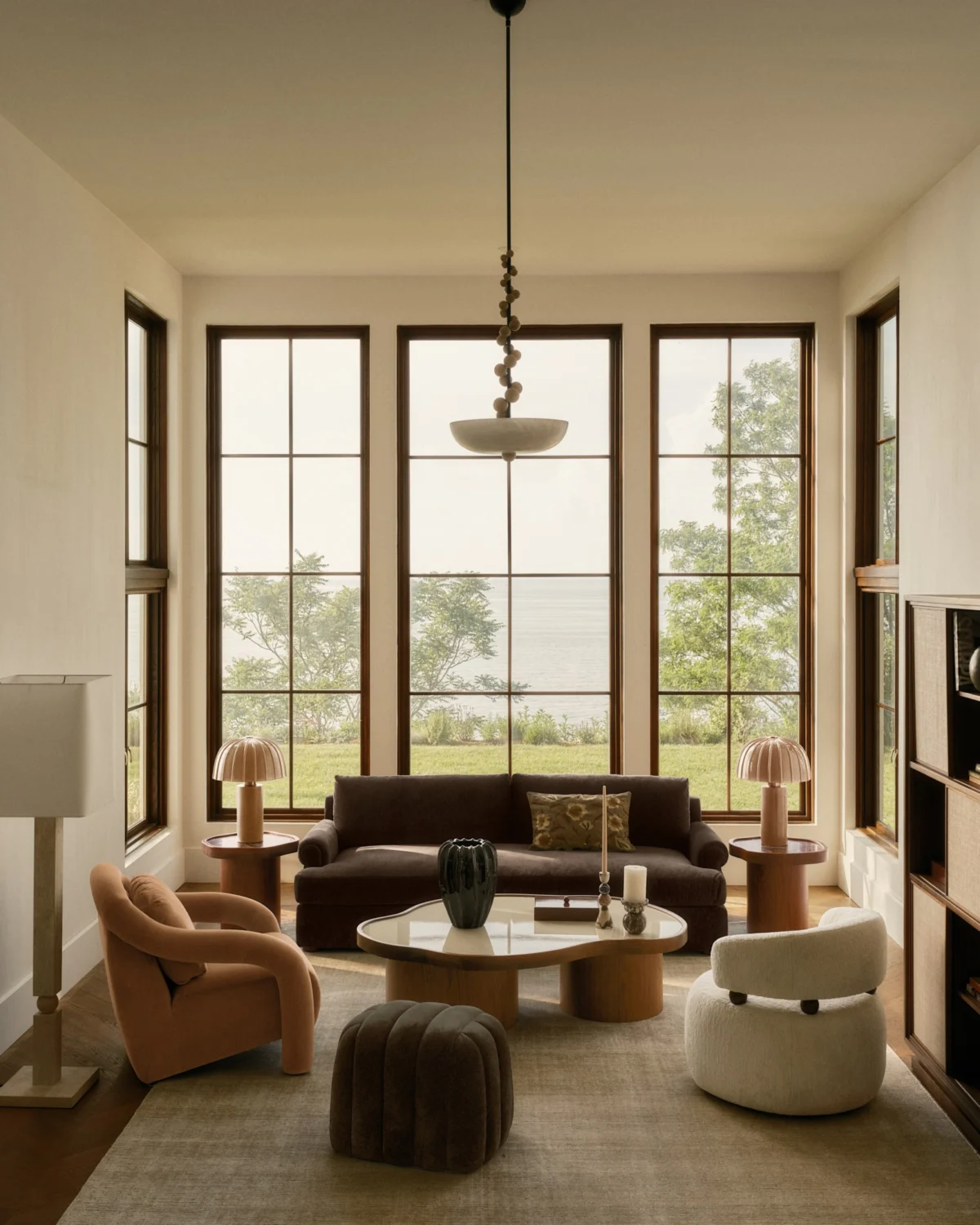
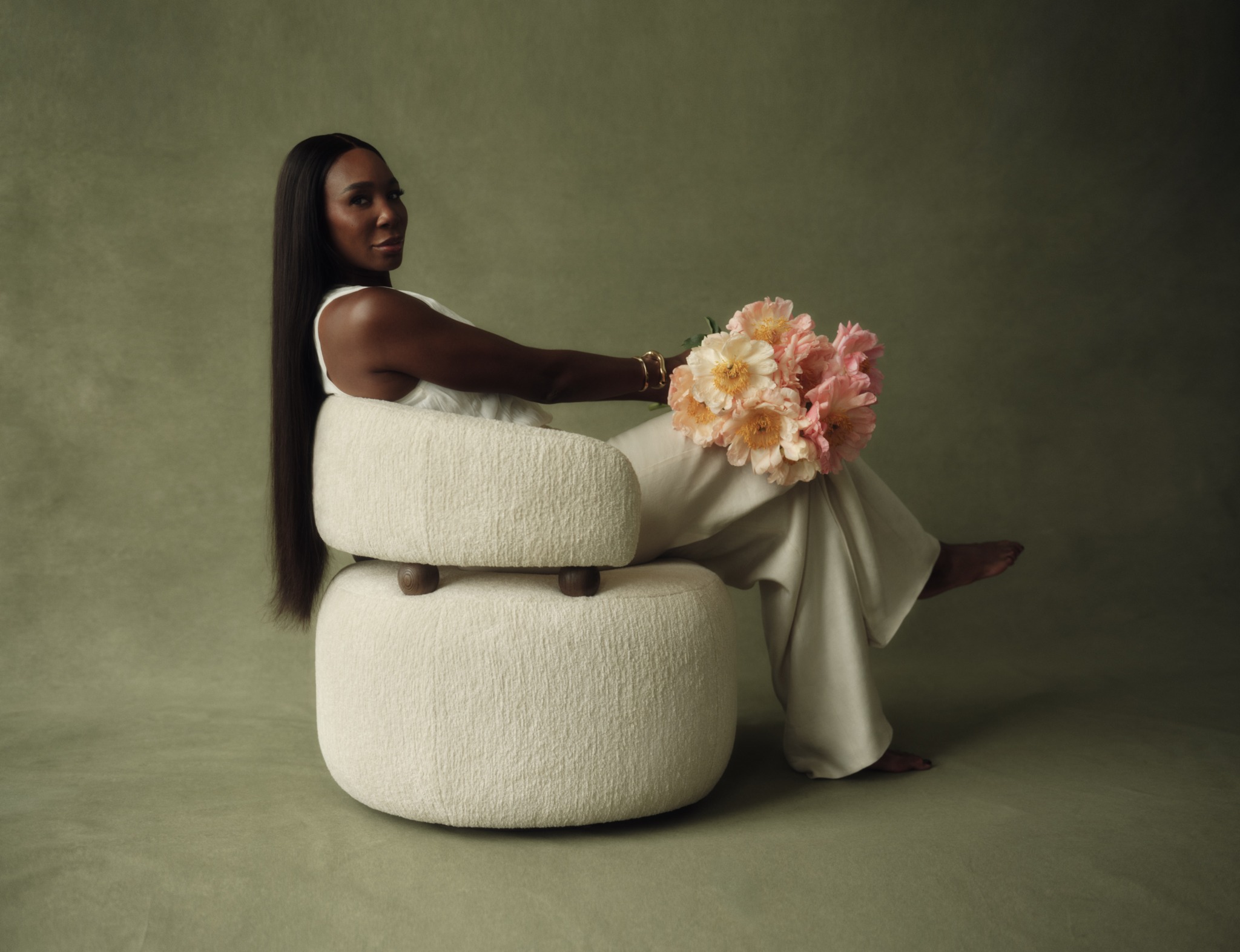
The intersection of high-performance athletics and professional interior design has long been the hallmark of Venus Williams’ post-court career, and this month, that duality reaches a new milestone. On September 15, Williams, in partnership with her firm V Starr, launched the “Grand Slam” collection, a comprehensive line of furniture, lighting, and home decor developed in collaboration with Crate & Barrel and Crate & Kids. This collection represents a strategic shift in lifestyle branding, moving beyond mere celebrity endorsement into the realm of curated architectural aesthetics.
The collaboration represents an intensive creative process that spanned over eighteen months, involving international research trips and iterative design sessions. By blending the structured elegance of professional tennis with the refined craftsmanship of European design, Williams aims to offer a catalog that appeals to both design enthusiasts and consumers seeking functional, modern living solutions.
A Chronology of Design Integration
Venus Williams’ transition from global tennis icon to entrepreneur began in 2002 when she founded V Starr, a full-service commercial and residential interior design firm based in South Florida. Over the past two decades, the firm has garnered industry recognition for its work on high-end hospitality and multi-family residential projects. The Crate & Barrel partnership is the culmination of this twenty-year trajectory, marking the first time the athlete has applied her professional design expertise to a mass-market retail collection.
The developmental phase for the Grand Slam collection began in early 2025. Following a series of preliminary conceptual meetings, Williams and the Crate & Barrel product development team traveled to Milan, Italy. This excursion was pivotal, as it shifted the focus of the collection from a thematic sports-based project toward a broader exploration of material texture and structural proportion. The team returned to the United States with a mandate to integrate marble, bronze, and warm wood finishes into a cohesive, timeless narrative.
Design Philosophy and Aesthetic Narrative
The core ethos of the Grand Slam collection is the concept of "subtle athleticism." Rather than utilizing literal tennis motifs—such as rackets or court markings—the design language relies on silhouettes that evoke movement and structural tension.
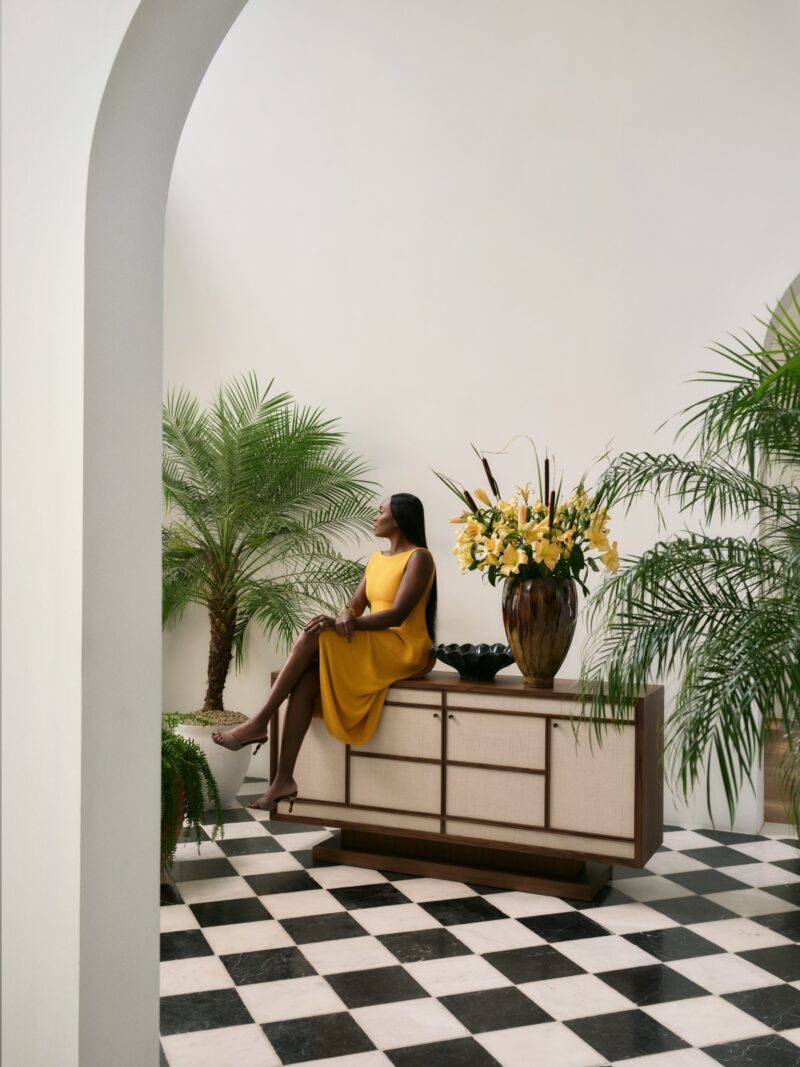
For instance, the Roland Coffee Table serves as a centerpiece of the collection, prioritizing clean lines and a sculptural base that reflects contemporary minimalist trends. Meanwhile, the lighting fixtures, particularly those featuring pleated lampshades, are engineered to mimic the dynamic drape of a tennis skirt in motion. This design choice highlights a sophisticated approach to metaphorical styling, where the sport acts as a creative catalyst rather than a decorative stencil.
According to design analysts, the collection utilizes a "biophilic and tactile" strategy. By pairing cold, hard materials like polished marble with the organic warmth of sustainably sourced woods, the collection addresses the current consumer demand for "warm minimalism," a trend that has dominated residential interior design in the 2024-2026 period.
Bridging Generational Design: Crate & Kids
A significant component of the launch is the Crate & Kids segment, which attempts to bridge the gap between mid-century modern sophistication and the practical requirements of children’s environments. Williams noted that her goal was to create pieces that could exist in a multi-generational home without looking out of place.

The Alley Wood and Terrazzo Kids Desk exemplifies this balance. By incorporating green terrazzo—a material traditionally associated with high-end Mediterranean architecture—into a functional piece for a child’s workspace, the collection elevates the standard for youth furniture. This approach reflects a broader market trend where parents increasingly seek to maintain a unified interior design aesthetic throughout their entire home, moving away from the primary-colored, plastic-heavy aesthetics of the past.
Market Context and Strategic Implications
The home furnishings industry has seen a significant contraction in consumer spending over the last two fiscal years due to fluctuating mortgage interest rates and a cooling housing market. Consequently, major retailers like Crate & Barrel are increasingly turning to high-profile collaborations to drive foot traffic and maintain brand relevance.
By aligning with Venus Williams, Crate & Barrel is leveraging her dual identity as a legendary athlete and an established design professional. This is a departure from traditional "influencer" collaborations, which often lack deep operational integration. Williams’ history with V Starr provides a level of design credibility that allows the retailer to command premium pricing points for the collection.

Industry data suggests that collaborations of this nature—where the partner has a verified portfolio in the industry—tend to have a 15% higher retention rate in consumer interest compared to standard celebrity-led lines. Furthermore, the timing of the September launch positions the brand favorably for the fourth-quarter home update cycle, a period where home decor spending historically peaks.
Official Perspectives and Future Outlook
In discussions surrounding the launch, the collaboration is being framed by both parties as a long-term investment in brand identity. Representatives from Crate & Barrel have emphasized that the inclusion of Williams’ design firm, V Starr, in the creative process was essential to the authenticity of the final product.
“Great design should feel timeless,” Williams stated during the press unveiling. “That was the foundational principle for every piece in the collection. We wanted to move away from the ephemeral nature of current trends and toward objects that maintain their aesthetic value regardless of the changing season.”

Looking ahead, the success of the Grand Slam collection may set a new benchmark for how legacy retail brands interact with athletes who are pivoting into professional design. If the initial sales velocity matches the positive reception from design critics, it is likely that Crate & Barrel will pursue similar "co-creative" partnerships with other industry-adjacent professionals, moving away from purely aesthetic endorsements toward more rigorous, studio-driven collaborations.
Analyzing the Impact on Interior Design
The broader implication of the Grand Slam collection is the validation of "cross-disciplinary" design careers. Williams’ success suggests that the barrier between professional athletics and professional design is becoming increasingly porous. As high-net-worth individuals continue to invest in personalized living spaces, the demand for celebrity designers who possess both global recognition and technical expertise is likely to rise.
Furthermore, the collection’s emphasis on durability and material quality serves as a response to the "fast furniture" cycle that has faced environmental and ethical scrutiny in recent years. By prioritizing marble, solid wood, and high-quality textiles, the Grand Slam line aligns with a growing segment of the consumer base that values long-term utility over low-cost disposability.

As the collection reaches retail floors and online storefronts, its impact will be measured not only by sales volume but by its ability to influence the "transitional modern" aesthetic that is currently reshaping suburban and urban residential design. The Grand Slam collection stands as a testament to the fact that when athletic discipline is applied to the nuances of home, the result is a product line that is as measured, precise, and intentional as a championship point.