Angie Faith
The literary world is abuzz with the announcement of the 2026 Women’s Prize winners, celebrating exceptional contributions to both fiction and nonfiction. This year’s accolades highlight diverse voices and compelling narratives, offering readers a rich tapestry of human experience. The Women’s Prize for Nonfiction has been awarded to Lyse Doucet for her profound work, "The Finest Hotel: A People’s History of Afghanistan." In the fiction category, Virginia Evans has secured the prestigious award for her epistolary novel, "The Correspondent." These selections reflect a growing interest in narratives that bridge personal stories with significant historical and cultural contexts.
Women’s Prize for Nonfiction: A Chronicle of Resilience
Lyse Doucet’s "The Finest Hotel: A People’s History of Afghanistan" has been recognized for its intricate and deeply human exploration of modern Afghanistan, centered around the iconic Hotel Inter-Continental Kabul. Doucet, a seasoned journalist with extensive experience reporting from the region, offers a unique perspective by focusing on the lives of those who have managed and operated the luxury hotel through decades of tumultuous change. Her initial visit to the hotel in 1988, just 19 years after its opening, provided a vantage point from which she witnessed firsthand the seismic shifts that have reshaped the nation.
The book chronicles a history punctuated by civil war, foreign invasion, and the persistent efforts of Afghans to maintain normalcy and dignity amidst chaos. Doucet’s narrative draws parallels to the evocative storytelling of films like Wes Anderson’s "The Grand Budapest Hotel," suggesting a blend of meticulous detail, historical sweep, and a focus on the human element within grand, often fraught, settings. The selection of this title by the Women’s Prize jury underscores a commitment to amplifying voices and stories from regions often viewed through a singular, politically charged lens. The prize committee likely lauded Doucet’s ability to weave personal accounts with broader historical analysis, providing a nuanced portrait of a nation and its people.
Women’s Prize for Fiction: An Epistolary Journey of Reflection
Virginia Evans’ "The Correspondent" has captured the Women’s Prize for Fiction, a novel that has garnered significant attention for its engaging format and resonant themes. The book unfolds as an epistolary novel, a form that relies on the exchange of letters, documents, or diary entries to tell its story. At its heart is a 73-year-old woman who, through the act of writing and receiving correspondence, confronts and resolves unresolved matters from her past. This narrative choice allows for an intimate exploration of memory, regret, and the enduring power of human connection across time.
"The Correspondent" is seen as part of a broader trend in contemporary fiction that prioritizes uplifting and character-driven narratives. This category often includes works that explore themes of personal growth, resilience, and the search for meaning, appealing to a readership that seeks both emotional depth and a sense of hope. Other notable books fitting this description, which have also seen considerable popularity, include Allen Levi’s "Theo of Golden" and Shelby Van Pelt’s "Remarkably Bright Creatures." The success of these titles suggests a strong market demand for stories that offer solace and connection, particularly in challenging times. The Women’s Prize recognition for Evans’ novel solidifies its place as a significant literary achievement within this popular subgenre.
Reader Preferences and Emerging Trends in the Literary Market
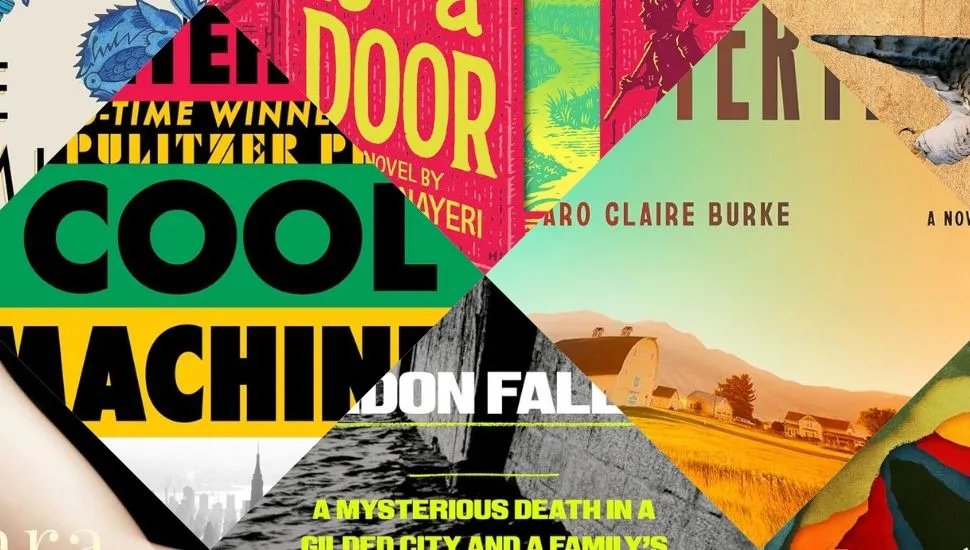
The identification of popular reading trends is a constant endeavor for publishers, booksellers, and literary critics. A recent analysis of books most saved by New York Times readers for summer reading offered insights into current reader preferences. The data indicated a strong inclination towards buzzy bestsellers, with titles like Tayari Jones’ "Kin" and Caro Claire Burke’s "Yesteryear" topping the fiction charts. In nonfiction, Belle Burden’s "Strangers: A Memoir of Marriage" and Patrick Radden Keefe’s "London Falling: A Mysterious Death in a Gilded City and a Family’s Search for Truth" also demonstrated significant reader interest.
However, the list also revealed some notable surprises, suggesting a widening of reader curiosity. Simon Pare-Poupart’s memoir, "Trash!: A Garbageman’s Story," emerged as a compelling entry. This work offers a unique perspective on overconsumption by drawing from the experiences of a veteran garbageman in Montreal. The inclusion of such a title indicates an appetite for narratives that challenge conventional viewpoints and explore overlooked aspects of society. This trend suggests that readers are increasingly seeking out books that provide fresh perspectives and delve into the lived realities of individuals from diverse professional backgrounds. The ability to anticipate and respond to these evolving reader interests is crucial for the sustained success of literary publications and authors alike.
The Curious Case of Elias Thorne: AI-Generated Tropes
An intriguing development in the digital age is the emergence of recurring character archetypes and narrative patterns within stories generated by artificial intelligence. Recent research that analyzed over 20,000 AI-generated stories from platforms such as ChatGPT, Claude, Gemini, and the Allen Institute for AI’s chatbot, has uncovered a striking phenomenon: the disproportionate appearance of specific names and professions. The study found that names like Elias, Elara, and Mara, along with professions such as clockmaker, librarian, and lighthouse keeper, appeared in over 88% of the analyzed narratives.
This pervasive pattern has led to the emergence of characters like "Elias Thorne," whose presence is now being noted across various platforms. Elias Thorne has surfaced as an author on Amazon, publishing works on topics ranging from alternative medicine to Greek mythology, raising questions about the authenticity and potential for "AI grifting." The character’s influence has even extended to YouTube. Researchers posit that the underlying reason for this repetition might be rooted in the AI’s safety protocols. To maintain a "safe-for-work" rating, AI models may tend to generate content within a limited set of predictable and uncontroversial themes, inadvertently leading to the proliferation of certain character types and scenarios. While this explanation offers a technical insight, the widespread popularity of Elias Thorne and his associated imagery—the lighthouse, library, and clock—remains a subject of ongoing analysis within the field of AI and creative content generation. The implications of these AI-driven literary trends are far-reaching, potentially influencing how stories are created, consumed, and perceived in the future.
The Appeal of "Unhinged" Romance Novels
A burgeoning subgenre within romance fiction, characterized by its bold and unconventional narratives, is gaining significant traction. The appeal of "unhinged" romance, as described by author and Book Riot writer Susie Dumond, lies in its ability to deliver highly entertaining and boundary-pushing stories. Dumond’s curation of a list of such novels highlights their suitability as summer reading, particularly for introverted readers seeking an immersive experience.
The concept of an "unhinged" romance novel suggests a departure from traditional romantic tropes, often featuring characters and plotlines that are deliberately over-the-top, eccentric, or even shocking. The intention behind such narratives, as Dumond suggests, is to create a reading experience so captivating and uniquely bizarre that it deters interruptions. This approach appeals to readers who appreciate bold storytelling and a sense of escapism. The visual presentation of these books, often featuring provocative cover art, further contributes to their distinct identity and market positioning. The growing popularity of this subgenre indicates a desire among readers for romance novels that are not only emotionally engaging but also delightfully unconventional and memorable. This trend reflects a broader movement within popular fiction towards embracing narratives that challenge norms and celebrate individuality.