Muhammad Hendra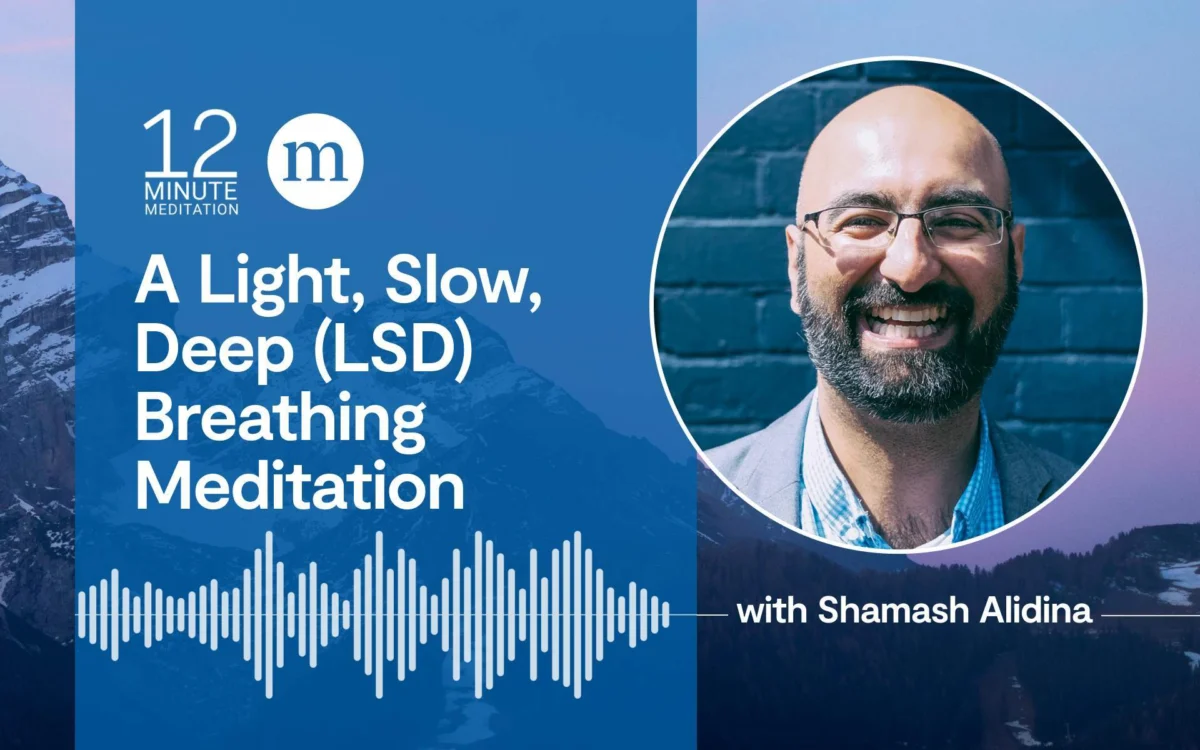
The pervasive, often unnoticed, phenomenon of shallow, tense, or restricted breathing has emerged as a significant public health concern, silently undermining cognitive function, energy levels, and overall well-being in modern society. While the autonomic nervous system diligently manages life-sustaining processes like heartbeat, digestion, and respiration without conscious effort, contemporary lifestyles—characterized by prolonged screen time, sedentary postures, and chronic stress—are increasingly disrupting these fundamental physiological rhythms. In response to this growing challenge, mindfulness practitioners and health experts are advocating for conscious breathwork techniques, with the "Light, Slow, Deep" (LSD) breathing method, championed by renowned mindfulness teacher Shamash Alidina, gaining prominence as an accessible and potent tool for physiological and psychological recalibration.
The Unseen Burden: Dysfunctional Breathing in the Digital Age
The human respiratory system, an intricate network designed for optimal gas exchange, is remarkably adaptable. However, its efficiency is severely compromised by prevalent modern habits. A significant body of research indicates that prolonged periods spent hunched over desks, staring intently at digital screens, contribute directly to what has been termed "screen apnea" or "email apnea." This phenomenon describes an unconscious tendency to hold one’s breath or breathe shallowly while concentrating on digital content, leading to a cascade of negative physiological effects. Studies, such as those published in journals focusing on occupational health and psychology, reveal that individuals engaging in intensive computer work often exhibit reduced respiratory rates and altered breathing patterns, sometimes for hours on end without conscious awareness. This deviates sharply from the natural, rhythmic diaphragm-driven breathing essential for optimal bodily function.
The implications of such dysfunctional breathing extend far beyond mere discomfort. A perpetually constricted breath can disrupt the delicate balance of oxygen and carbon dioxide in the bloodstream, a critical factor governed by the Bohr effect. When breathing becomes too shallow and rapid, the body may expel too much carbon dioxide, leading to respiratory alkalosis. While often subtle, this can paradoxically reduce oxygen release to tissues and organs, including the brain, despite seemingly adequate oxygen intake. This physiological imbalance is directly linked to impaired cognitive function, including reduced focus, diminished attention span, and difficulty with memory recall. Furthermore, it can exacerbate feelings of anxiety, contribute to chronic fatigue, and even heighten the body’s stress response, trapping individuals in a vicious cycle of sympathetic nervous system activation. According to recent surveys, over 70% of adults report experiencing stress symptoms that impact their daily lives, with dysfunctional breathing being a frequently overlooked contributor.
The Autonomic Nervous System: A Delicate Balance
Central to understanding the impact of dysfunctional breathing is the autonomic nervous system (ANS), which operates largely below the level of conscious awareness, regulating vital bodily functions. The ANS comprises two primary branches: the sympathetic nervous system (SNS), often dubbed the "fight or flight" system, and the parasympathetic nervous system (PNS), known as the "rest and digest" or "feed and breed" system. In an ideal state, these two branches work in harmony, dynamically adjusting to environmental demands. However, the relentless pace of modern life, coupled with constant stressors—from demanding work environments to information overload—tends to push the ANS towards chronic SNS dominance.
When the SNS is overactive, the body prepares for perceived threats: heart rate increases, blood pressure rises, muscles tense, and breathing becomes rapid and shallow, originating from the chest rather than the diaphragm. This physiological state, while beneficial for momentary emergencies, becomes detrimental when sustained. Chronic SNS activation depletes energy reserves, impairs immune function, and significantly hinders recovery processes. For instance, studies have shown that prolonged SNS dominance can increase systemic inflammation markers and contribute to conditions like irritable bowel syndrome and chronic pain. Conversely, activating the PNS promotes relaxation, reduces heart rate, lowers blood pressure, and stimulates digestion and repair mechanisms. Medical professionals widely acknowledge that conscious breathwork, particularly slow, deep breathing, serves as a powerful conduit to intentionally shift the ANS towards parasympathetic dominance, thereby restoring balance and promoting a state of calm and healing.
Introducing Light, Slow, Deep (LSD) Breathing: A Path to Re-regulation
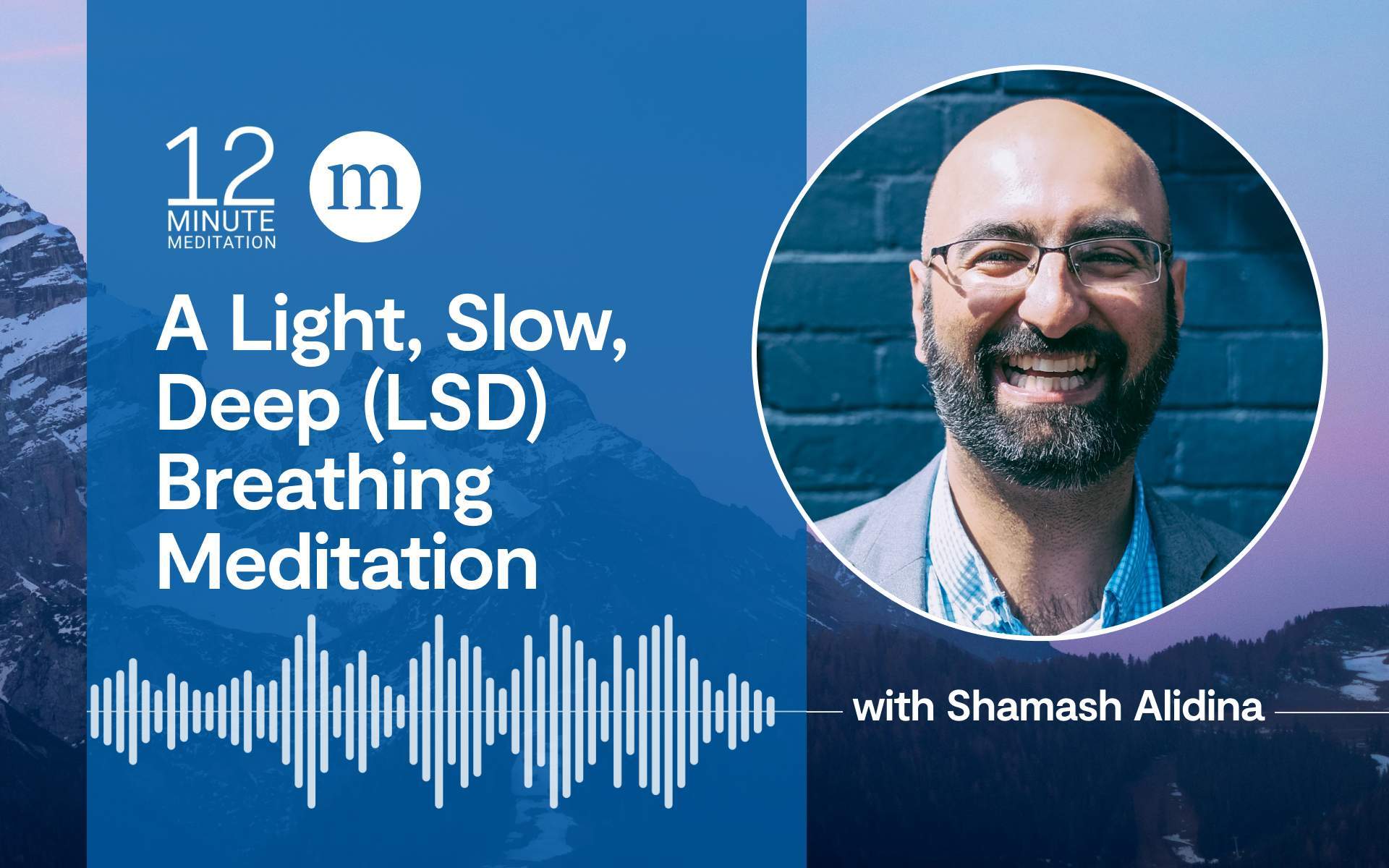
Recognizing the widespread prevalence and detrimental effects of dysfunctional breathing, Shamash Alidina, a leading voice in mindfulness education and author of influential works such as Mindfulness For Dummies and The Mindful Way Through Stress, developed and advocates for the Light, Slow, Deep (LSD) breathing technique. This method is specifically designed to counteract common breathing errors—namely, breathing too hard, too fast, and too much—which Alidina describes as "breathing backwards." Instead, LSD breathing invites individuals to embrace the opposite: a gentle, unforced, and expansive approach to respiration.
The origins of conscious breath regulation can be traced back millennia, deeply embedded in ancient Eastern practices like Pranayama in Yoga and Qigong in Traditional Chinese Medicine, which have long recognized the profound connection between breath, mind, and body. These traditions understood that manipulating the breath could influence states of consciousness, promote healing, and enhance spiritual awareness. LSD breathing distills these ancient principles into a contemporary, secular, and easily adoptable practice, making the benefits of breathwork accessible to a wider audience grappling with modern stressors. Alidina’s contribution lies in codifying these three distinct yet interconnected qualities—Light, Slow, Deep—into a coherent, actionable framework for nervous system regulation, providing a practical antidote to the pervasive shallow breathing patterns of the digital age.
The Mechanics of Light, Slow, Deep Breathing:
-
Light Breathing: This aspect emphasizes minimal effort and gentleness. Rather than forcing air in and out, light breathing involves a subtle, almost imperceptible flow of breath. The focus is on breathing just enough, not too much, which helps to optimize the balance of oxygen and carbon dioxide. Over-breathing (hyperventilation), even subtly, can reduce CO2 levels, making it harder for oxygen to detach from hemoglobin and be delivered to cells, a phenomenon known as the "Bohr effect." Light breathing, by gently increasing CO2 tolerance, enhances oxygen utilization efficiency at the cellular level. This reduces the strain on the respiratory muscles and conserves energy, preventing the body from entering a state of perceived stress often triggered by forceful breathing.
-
Slow Breathing: The deliberate slowing of the respiratory rate is a cornerstone of LSD breathing. Most adults in a relaxed state typically breathe between 12-20 breaths per minute. Slow breathing aims to reduce this to 6-10 breaths per minute, or even lower for advanced practitioners. This extended rhythm, particularly the prolonged exhalation phase, is a potent activator of the vagus nerve—a crucial component of the parasympathetic nervous system. Vagal nerve stimulation is scientifically proven to lower heart rate, reduce blood pressure, decrease inflammation, and foster a profound sense of calm. Studies on heart rate variability (HRV), a key indicator of ANS health, consistently show that slow, rhythmic breathing significantly improves HRV, signaling greater physiological resilience and better emotional regulation. For example, a 2017 review in the journal Frontiers in Human Neuroscience highlighted that slow breathing practices, typically at 6 breaths per minute, optimize HRV and parasympathetic tone.
-
Deep Breathing: Often misunderstood as simply taking a big gulp of air, deep breathing in the context of LSD refers specifically to diaphragmatic or abdominal breathing. Instead of primarily using the accessory muscles of the chest and shoulders, deep breathing engages the diaphragm, a dome-shaped muscle located at the base of the lungs. As the diaphragm contracts, it moves downward, creating negative pressure that draws air into the lungs and gently expands the abdomen. This ensures that the lower lobes of the lungs, which are rich in blood vessels, are fully oxygenated. Diaphragmatic breathing not only improves gas exchange efficiency but also massages internal organs, stimulates lymphatic flow, and promotes greater physical relaxation throughout the torso. It directly counteracts the shallow, chest-dominant breathing patterns associated with stress and anxiety, which restrict lung capacity and contribute to muscle tension in the neck and shoulders.
Scientific Validation and Broader Implications
The efficacy of breathwork techniques, including the principles embedded in LSD breathing, is increasingly substantiated by robust scientific research. A meta-analysis published in Frontiers in Psychology highlighted the significant impact of slow-paced breathing on reducing anxiety, improving mood, and enhancing physiological markers of relaxation such as reduced cortisol levels and increased alpha brain wave activity. Further research indicates that consistent practice of diaphragmatic breathing can lead to sustained reductions in blood pressure, improved sleep quality, and even better pain management for individuals suffering from chronic conditions. For instance, a study published in Applied Psychophysiology and Biofeedback demonstrated that daily diaphragmatic breathing training significantly reduced self-reported stress and improved cognitive performance in healthy adults.
Medical professionals and public health organizations are increasingly recognizing the therapeutic potential of breathwork. Dr. Andrew Weil, a pioneer in integrative medicine, has long championed breathing exercises as a simple yet powerful intervention for stress reduction. Organizations like the American Institute of Stress now routinely include breath techniques as recommended strategies for managing chronic stress. The accessibility of methods like LSD breathing makes them particularly valuable for widespread adoption, requiring no special equipment or environment, only conscious intention. Public health advocates suggest that integrating such simple practices into daily routines could have a measurable impact on population-level stress and anxiety metrics.
The implications for integrating LSD breathing into daily life are profound. In the workplace, brief breathing exercises can serve as potent micro-interventions to combat "email apnea," improve focus during demanding tasks, and mitigate stress before high-pressure meetings. Corporate wellness programs, increasingly aware of the link between employee well-being and productivity, are exploring mindfulness and breathwork as core components. Educational institutions could incorporate simple breath breaks to enhance student concentration, emotional regulation, and reduce test anxiety. For individuals, incorporating LSD breathing into a daily routine—whether for a few minutes upon waking, during a midday break, or before sleep—can significantly contribute to improved mental clarity, emotional stability, and physical vitality, ultimately reducing the burden on healthcare systems from stress-related ailments.
Timeline of Awareness and Adoption:
While conscious breath practices have ancient roots, the modern scientific and public awareness of dysfunctional breathing and its remedies has a more recent chronology:
- Ancient Civilizations (Millennia Ago): Yoga (Pranayama), Qigong, and various meditative traditions across cultures emphasize breath control for spiritual and physical well-being. These practices were often integrated into daily life and philosophical systems.
- Early 20th Century: Early Western physiology begins to understand the mechanics of breathing, but the psychological and therapeutic links are less explored within conventional medicine. Figures like Konstantin Buteyko develop methods to address hyperventilation.
- Mid-to-Late 20th Century: The rise of stress research, notably by Hans Selye, highlights the physiological impact of chronic stress, including its effects on respiration. The concept of "hyperventilation syndrome" gains clinical recognition, with links to anxiety and panic attacks.
- Late 20th/Early 21st Century: The mindfulness movement gains mainstream traction, particularly through the work of Jon Kabat-Zinn and his Mindfulness-Based Stress Reduction (MBSR) program, bringing renewed attention to the breath as an anchor for presence and emotional regulation in secular contexts.
- 2000s-Present: The digital revolution intensifies, leading to widespread screen use and the subsequent identification of phenomena like "screen apnea" and "email apnea" by researchers and wellness experts. Experts like Shamash Alidina, building on existing knowledge and contemporary needs, develop specific, easily digestible techniques like LSD breathing to address these pervasive modern challenges. Increased scientific validation through neuroimaging and physiological monitoring (e.g., fMRI, HRV tracking) further cements the credibility of breathwork as a legitimate therapeutic tool.
- Current Trend: Mainstream media, corporate wellness programs, and healthcare providers increasingly promote breathwork as a foundational element of mental and physical health, moving it from esoteric practice to a widely accepted self-care strategy.
A Call for Mindful Respiration
Shamash Alidina’s Light, Slow, Deep breathing technique stands as a testament to the power of simple, deliberate actions in fostering profound well-being. By consciously shifting from a state of hurried, shallow breathing to one of gentle, expansive respiration, individuals can actively engage their parasympathetic nervous system, effectively "turning down the volume" on the incessant noise and demands of the day. This is not about switching off the world but rather about recalibrating one’s internal state to a more natural, resilient, and harmonious level.
As society continues to grapple with rising levels of stress, anxiety, and digital fatigue, the practice of mindful breathing offers a universal, cost-effective, and highly impactful intervention. The widespread adoption of techniques like LSD breathing holds the promise of not only improving individual health outcomes but also fostering a more resilient, focused, and emotionally balanced populace, capable of navigating the complexities of the modern world with greater ease and clarity. The invitation to breathe Light, Slow, and Deep is, ultimately, an invitation to reclaim a fundamental aspect of human vitality that has been inadvertently compromised, offering a pathway back to physiological equilibrium and inner calm.