Indra Kusuma
The 26th edition of Dutch Design Week (DDW) concluded in Eindhoven this October, cementing its status as the world’s preeminent laboratory for experimental design. Bringing together more than 2,500 designers and a global network of industry leaders, the event served as a critical response to the rapid, often disorienting acceleration of artificial intelligence and automated optimization. This year, the festival operated under the thematic banner of Rebel Authentic Worth (R.A.W.), a conceptual framework designed to champion "design that creates space for experimentation, material research, and radical imagination."
A Contextual Shift: Resisting Technological Homogenization
The 2026 edition arrived at a pivotal moment in the design calendar. As generative AI continues to standardize visual aesthetics and prioritize algorithmic efficiency, the discourse at DDW shifted toward the unpolished, the tactile, and the profoundly human. Organizers positioned R.A.W. as an antidote to the "perfection trap"—a critique of the digital landscape that increasingly favors sterile, mass-produced digital outputs over the imperfections inherent in material research.
By analyzing the event’s chronology, it becomes clear that DDW has transitioned from a trade-focused exhibition to a forum for socio-technological debate. The week-long program, which featured over 500 individual events across Eindhoven, moved beyond aesthetics to address the ethics of production. Attendees observed a clear pivot toward "slow design," a philosophy that prioritizes the environmental and social lifecycle of objects over the rapid-consumption models that have dominated the industry for the last decade.
Institutional Friction: The Design Academy Eindhoven Graduation Show
Central to the festival’s intellectual output remains the Design Academy Eindhoven (DAE) Graduation Show. This year, the exhibition functioned as both a showcase and a site of institutional tension. The projects presented by the 2026 cohort, ranging from complex architectural installations to intimate material studies, reflected a preoccupation with the "contradictions of progress."
Nadine Botha, head of the Social Design Master’s program, noted that the work acts as a cartography of survival for the next generation of designers. "These projects represent a navigation of contradictions," Botha stated. "Graduates are forced to decide what to carry forward from tradition and what to dismantle in the face of colonial histories and uncertain livelihoods."
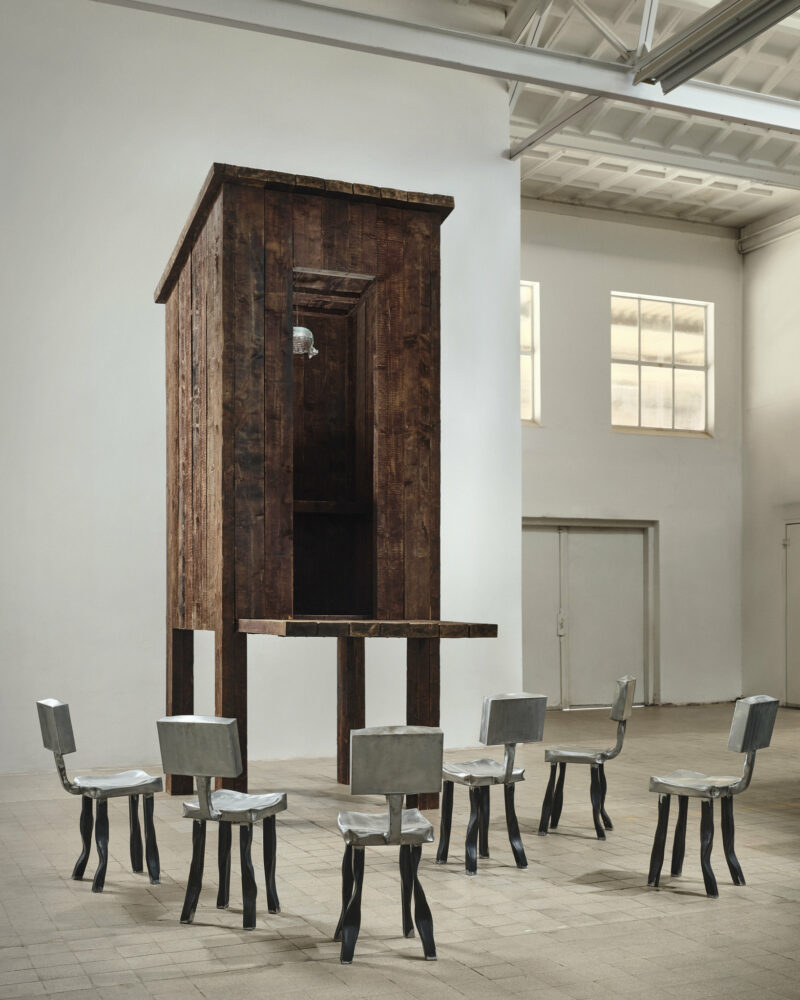
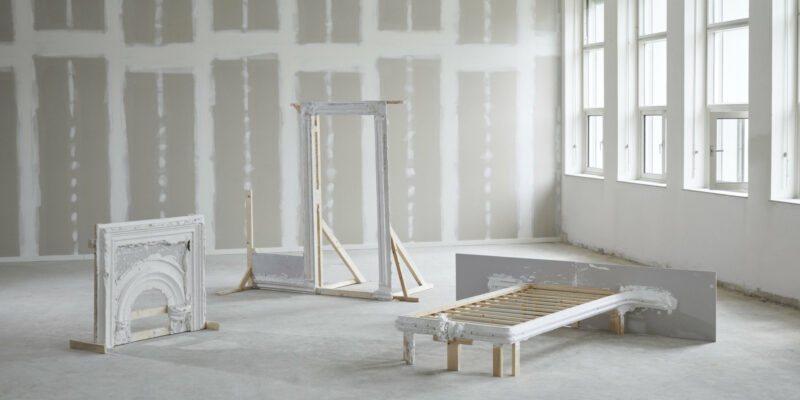
The exhibition also bore the weight of recent student-led protests regarding infrastructure. The dissatisfaction regarding studio space and facility access—widely reported in the lead-up to the event—served as a backdrop for the work itself. Projects like Dirk Duif’s Safe House and Yann Thiel’s Excess Cornice—a deconstruction of architectural remnants—seemed to mirror the students’ own quest for space, autonomy, and structural legitimacy within a rigid academic framework.
Installations and the Public Sphere: Blind Spots
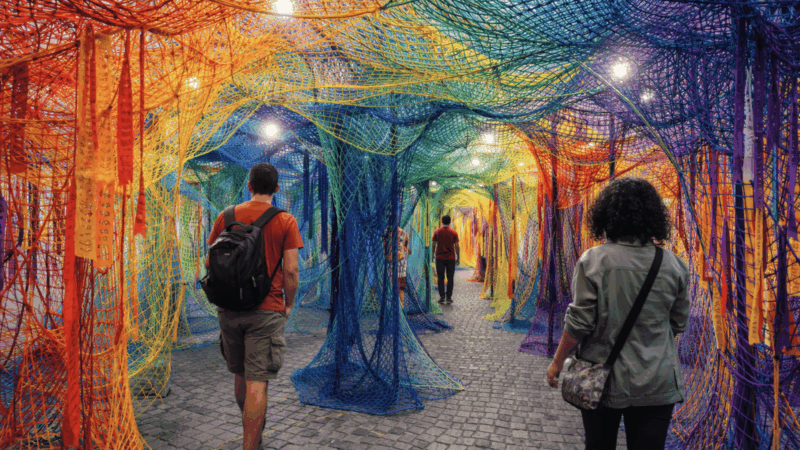
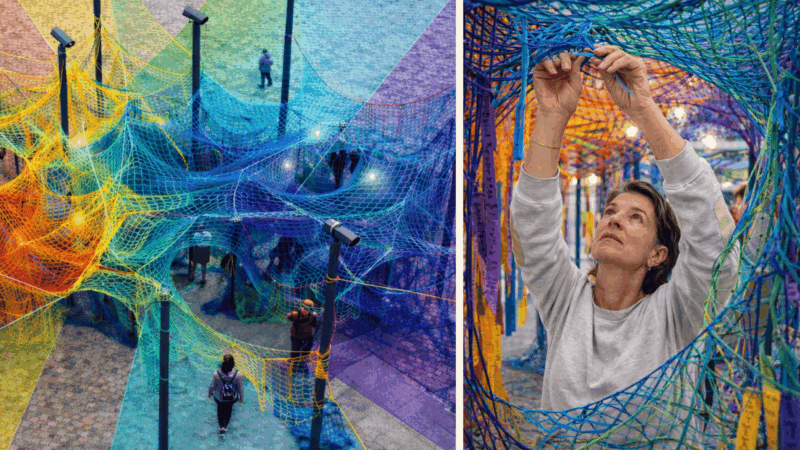
Public art played a transformative role in the 2026 festival. The Blind Spots installation, a collaborative effort by Fairspace, Shruthi Venkat, and Sagitta Creatives, moved the conversation regarding safety into the physical realm. Utilizing construction netting and surveillance motifs, the piece challenged the traditional architecture of public security. By inviting participants to contribute their personal accounts of safety to the mesh structure, the artists effectively transformed a static installation into a living, evolving sociological archive. The data collected—a testament to the subjective nature of safety—underscored the festival’s commitment to using design as a tool for public discourse rather than mere ornamentation.
Materiality and the "Other-Than-Human"
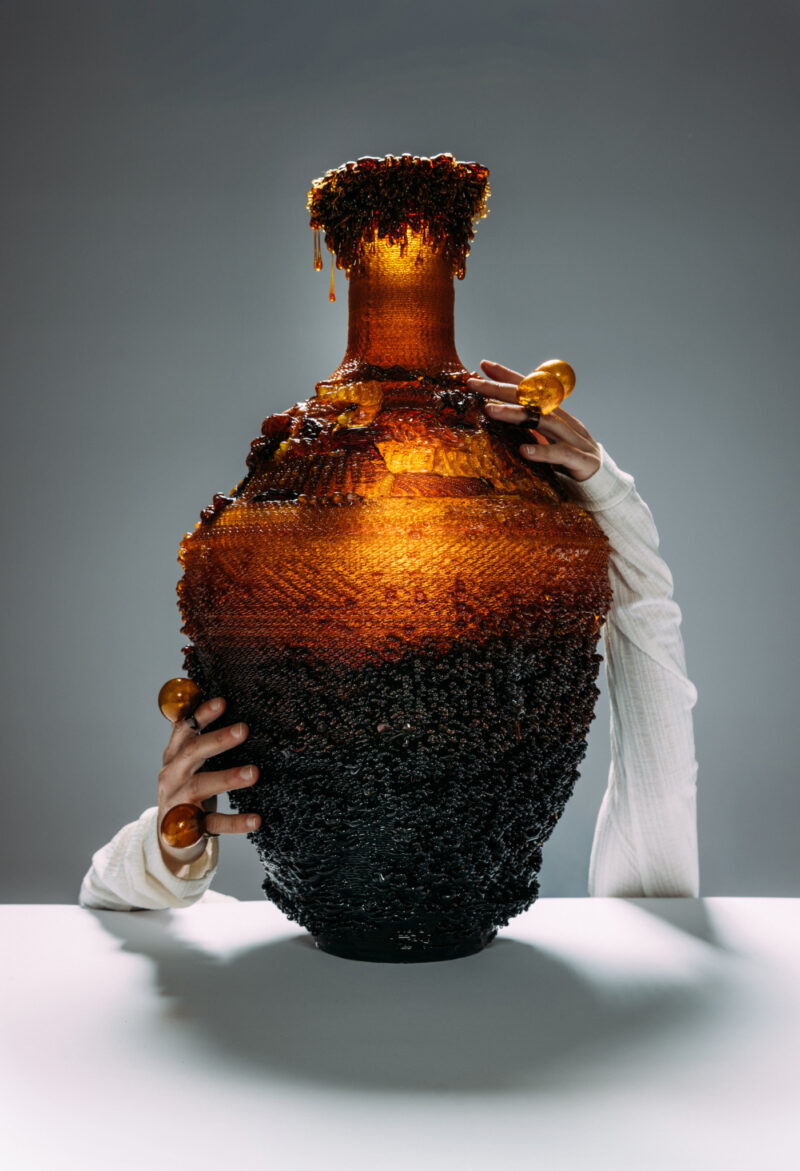
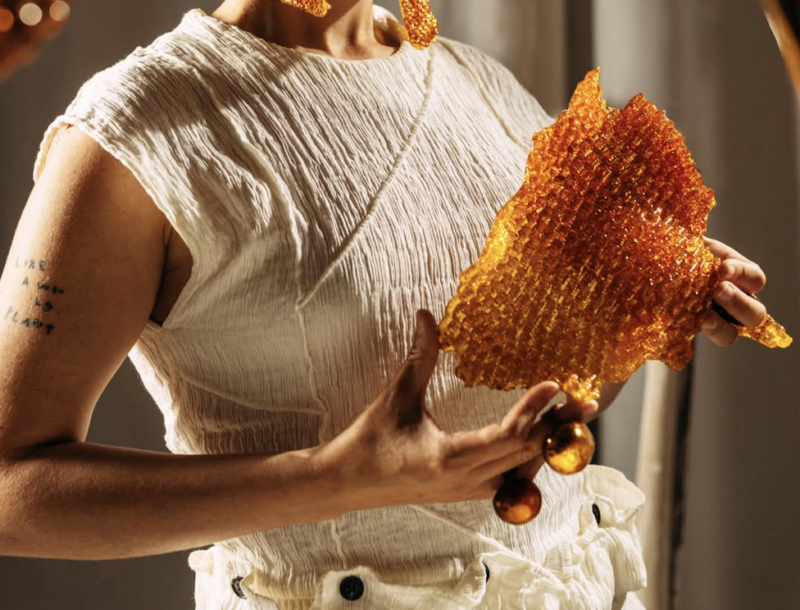
The search for sustainable alternatives to synthetic materials remained a dominant thread. Ori Orisun Merhav’s Woven Landscapes highlighted the intersection of biology and craft. By integrating insect-produced resin with traditional weaving techniques, Merhav’s work challenged the industrial definition of "material." Her ongoing research through the Made by Insects initiative suggests a future where the designer acts as a collaborator with, rather than a master over, organic processes. This shift toward bio-inclusive manufacturing is not merely stylistic; it is an economic imperative as the industry seeks to decouple production from petrochemical reliance.
Industry Collaboration: The Economics of Joy
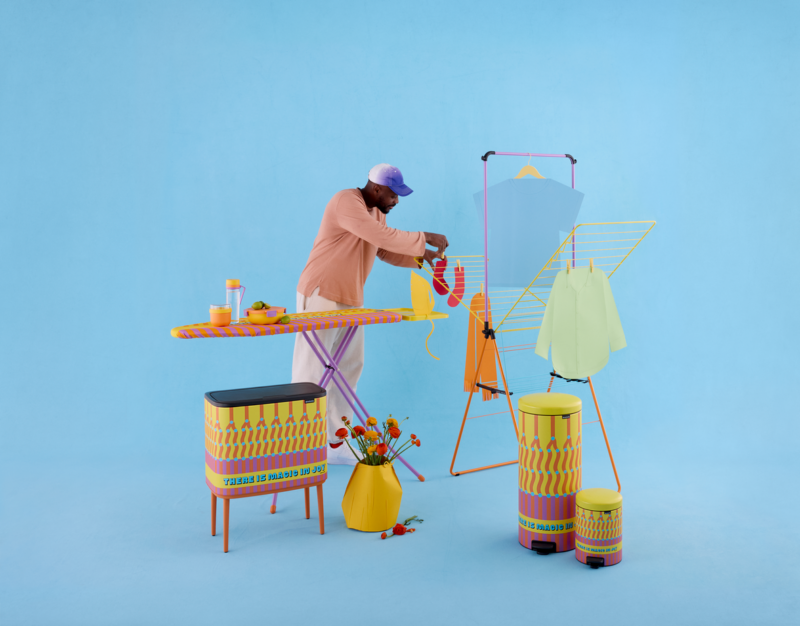
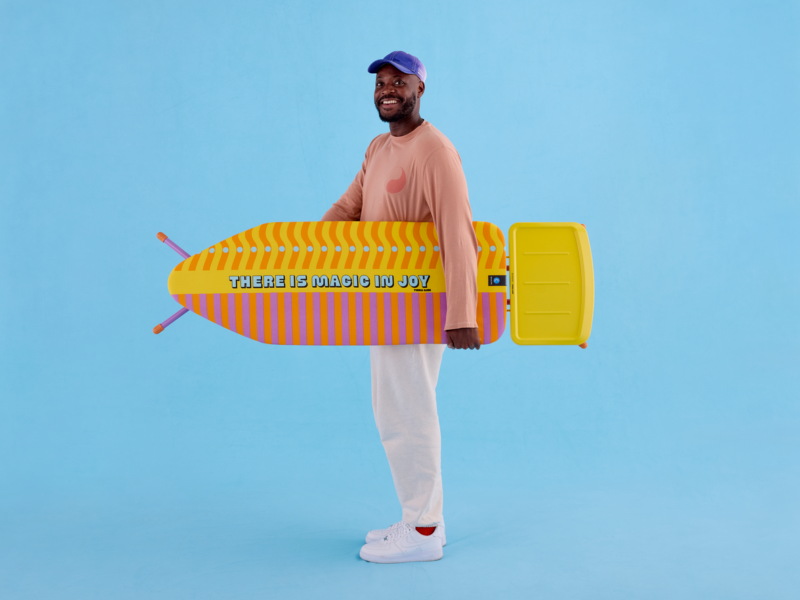
While the festival prioritized radical research, it also addressed the commercial realities of the design world. The collaboration between Yinka Ilori and the heritage housewares brand Brabantia, titled There Is Magic in Joy, demonstrated the viability of "accessible optimism." By applying high-art graphic sensibilities to mundane utility items—ironing boards and waste bins—Ilori successfully bridged the gap between exclusive design and the mass market. This project served as a case study for how established manufacturers can integrate artistic disruption to revitalize stagnant product lines, suggesting that even the most functional objects can be carriers of cultural identity.
Automating the Architectural: The TAM Industries Approach
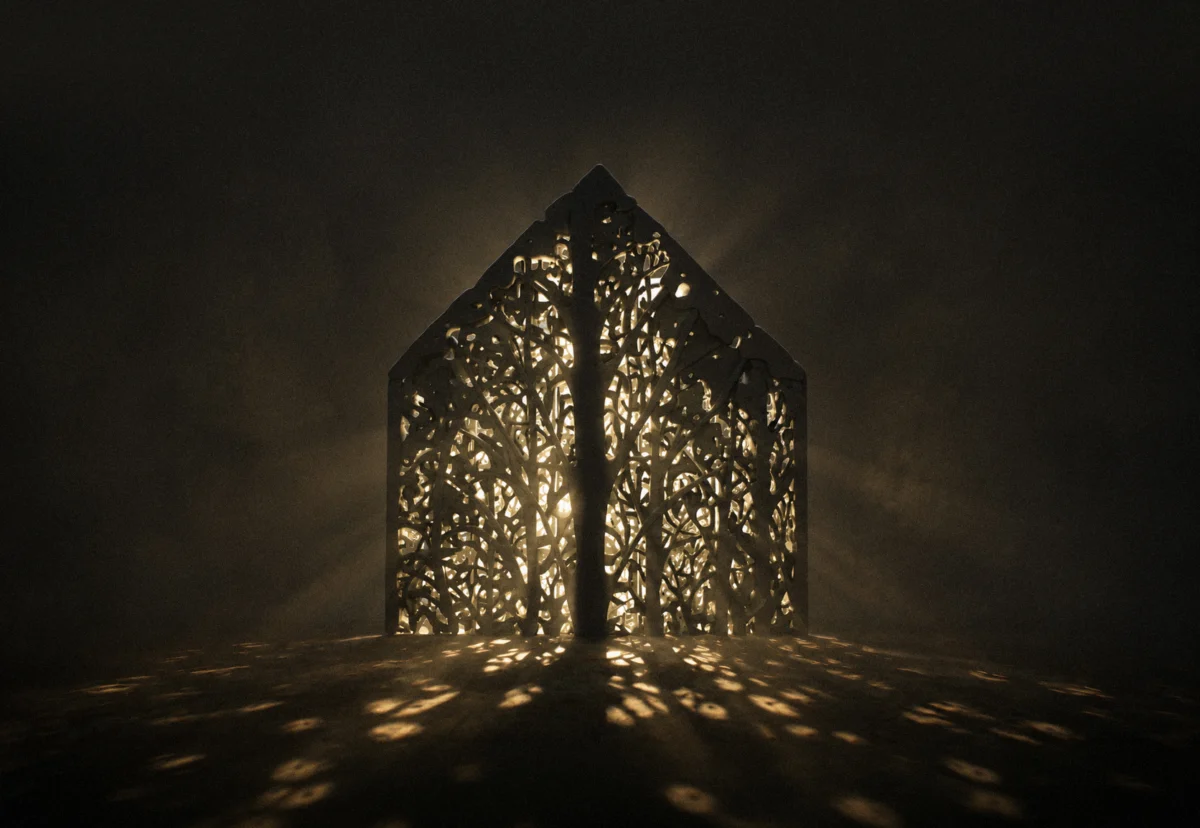
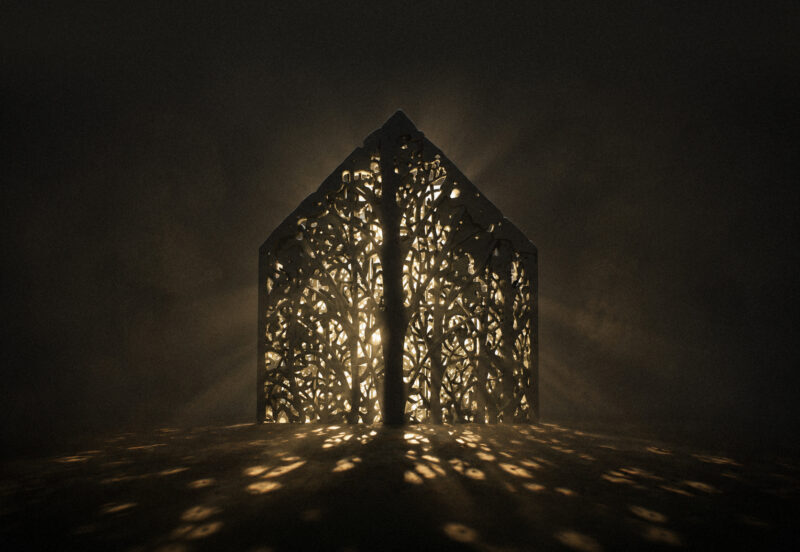
Eindhoven-based TAM Industries offered a technical counterpoint to the more whimsical installations. Their House of Lights project explored the architectural potential of 3D printing with recycled plastics. Unlike traditional prefab construction, which is often criticized for its aesthetic monotony, TAM’s approach utilizes automation to allow for complex, expressive geometries. By eliminating the need for secondary coatings and paints through integrated material coloring, the project demonstrated a significant reduction in waste. The implication for the construction industry is clear: automation, when coupled with advanced material research, can support diversity in architectural form without sacrificing industrial efficiency.
Resilience and Reflection: Beacons of Hope
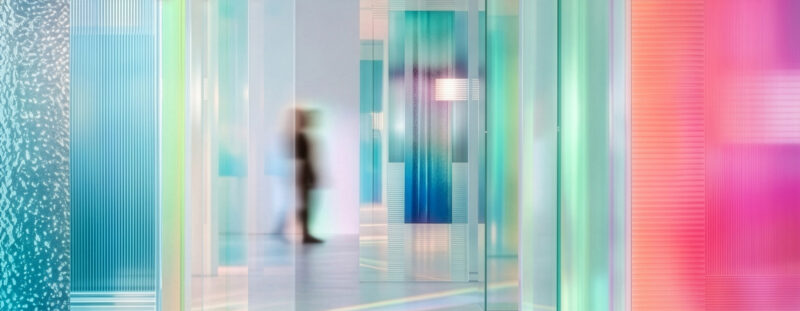
The Amsterdam-based duo Rive Roshan contributed Beacons of Hope, an immersive kinetic light installation that addressed the growing psychological toll of the modern news cycle. In a year defined by global instability, the project provided a rare space for sensory relief. The duo’s use of light as a primary, malleable material reflects a broader trend in 2026: design as a form of therapeutic infrastructure. This perspective posits that designers have a professional responsibility to foster environments that mitigate the emotional fatigue associated with the hyper-connectivity of the digital age.
Challenging the Utility Paradigm: Gijs Schalkx
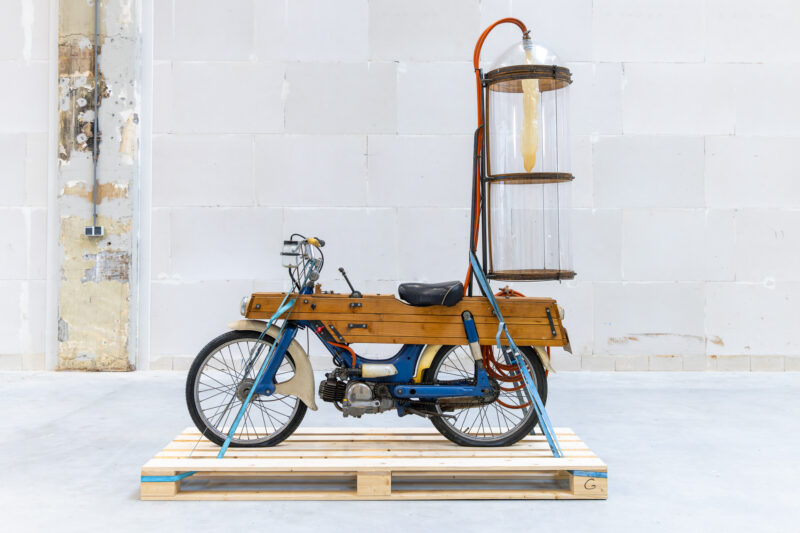
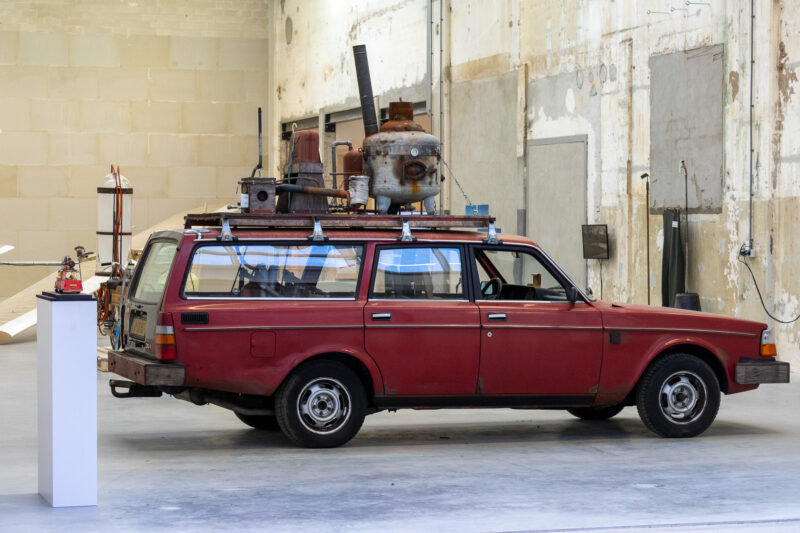
Perhaps the most subversive entry at the 2026 festival was Gijs Schalkx’s Onderweg naar een toekomst (On the Way to a Future). By presenting a fleet of functioning, albeit impractical, vehicles—including a car powered by waste plastic—Schalkx forced a confrontation with the "infallibility of technology." His work is a critical analysis of the invisible infrastructures that facilitate daily life. By rearranging existing technologies into forms that fall just outside the bounds of conventional utility, Schalkx successfully exposed the fragility of our dependence on global supply chains and energy systems.
Memory, Identity, and the Domestic
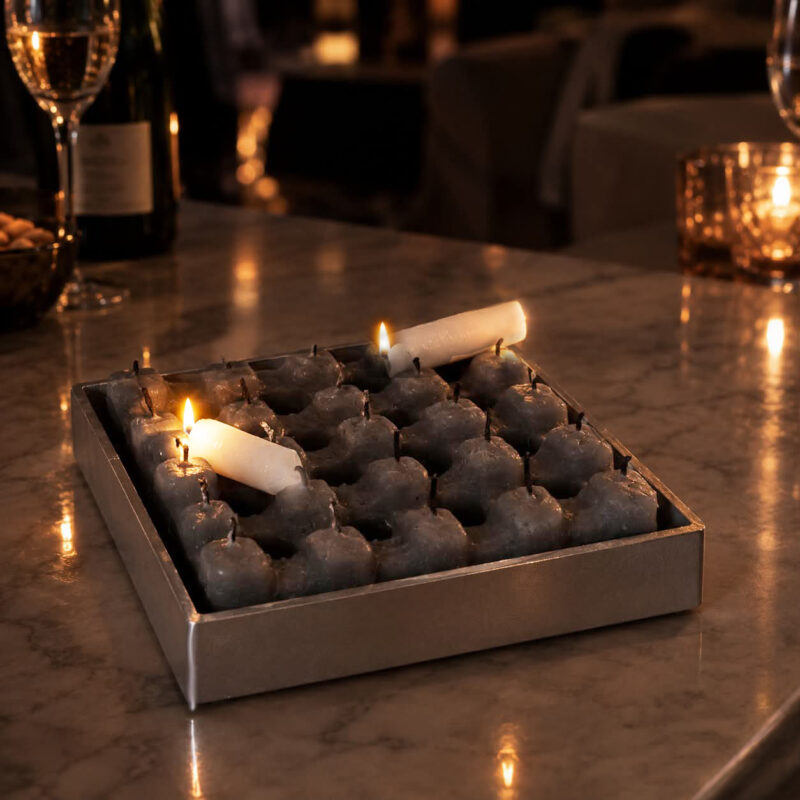
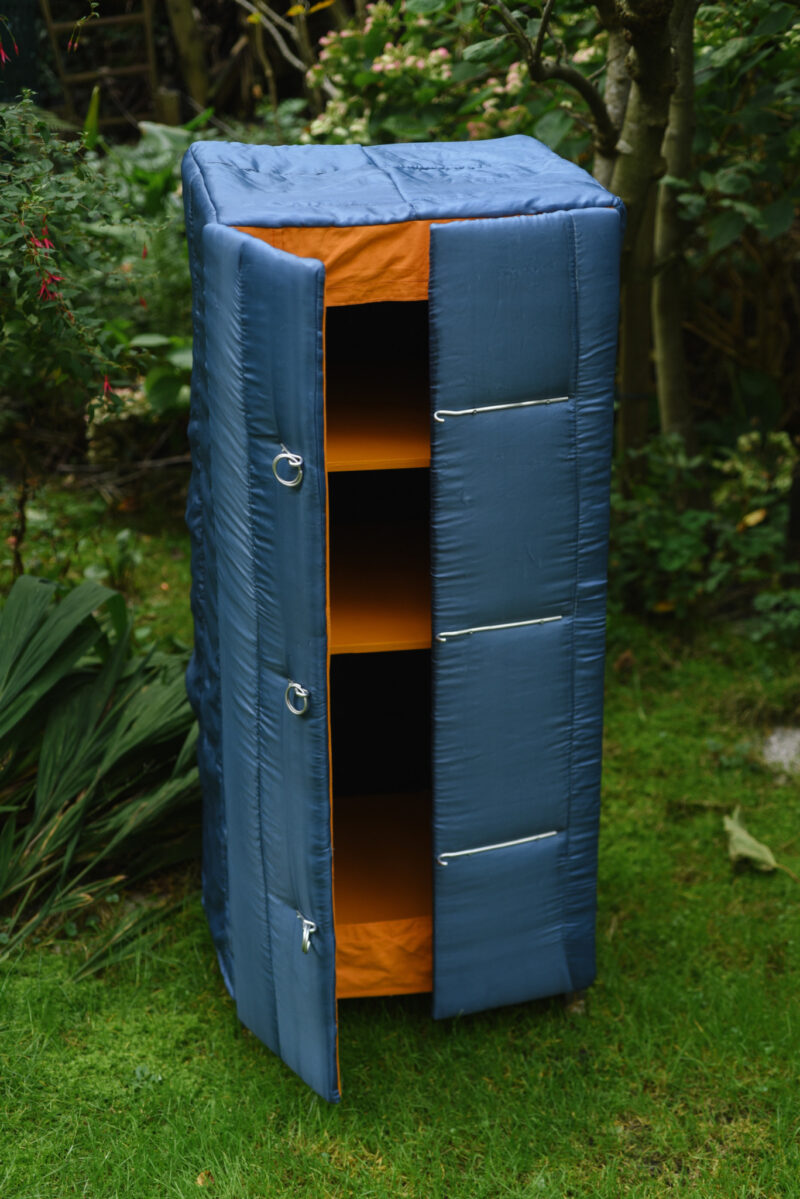
The DIRT’s curated exhibition, The Ashtray, the Cupboard, and the Leather Boots, explored the emotional architecture of the home. By analyzing why individuals retain low-value, high-memory objects, the designers—Florine van Rees and Jeroen Dijkstra—challenged the disposable nature of contemporary consumer culture. The works of Stina Henriksson, Lotte Raida, and Astrid Vagner each provided distinct interpretations of how objects function as vessels for personal history, gender identity, and ritual. The exhibition served as a poignant reminder that sustainable design is not just about material longevity, but about cultivating an emotional bond between the user and the object.
Textiles and the Digital-Physical Blur
The Swedish School of Textiles’ Exit26 exhibition pushed the boundaries of wearable art. Works like Viola Schmidt’s The Jeweld Hand and Phlox van Oppen’s Weaving Life Stories of Resilient Women effectively blurred the lines between the textile as a surface and the textile as a sculpture. The use of multilayered jacquard weaving to document biographical narratives highlights a growing trend of "narrative textiles," where the production process is as significant as the finished garment.
The Digital Frontier: Terms of Intimacy
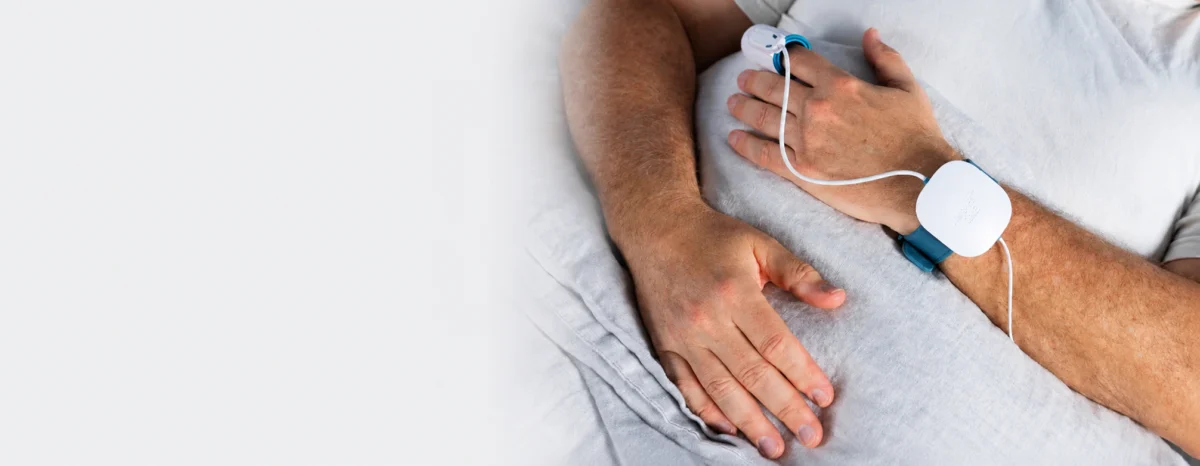
Concluding the festival’s thematic arc, the Impakt Centre for Media Culture’s Code 2026: Terms of Intimacy exhibition brought the discussion back to the digital. Through seven works examining the collection of biometric data and the rise of AI companionship, the exhibition interrogated the cost of convenience. By translating abstract concepts of privacy and algorithmic control into physical experiences, the artists involved forced visitors to confront the "terms of service" they unwittingly agree to in their daily lives. The exhibition’s findings suggest a looming crisis of consent: as technology becomes more intimate, it risks fundamentally reshaping the human behavior it was originally designed to serve.
Implications for the Future
The 2026 Dutch Design Week has set a rigorous agenda for the coming year. The overarching takeaway is that design can no longer exist in a vacuum of aesthetics. Whether through the lens of material science, public policy, or psychological well-being, the participants in this year’s festival made it clear that the future of the industry depends on its ability to interrogate the systems—both digital and institutional—that define our contemporary existence. As the festival looks toward its 27th year, the focus remains on the "radical imagination" required to navigate an increasingly complex world, asserting that authentic worth is found not in the perfection of the machine, but in the intentionality of the human response.