Cintya Tara Annisa
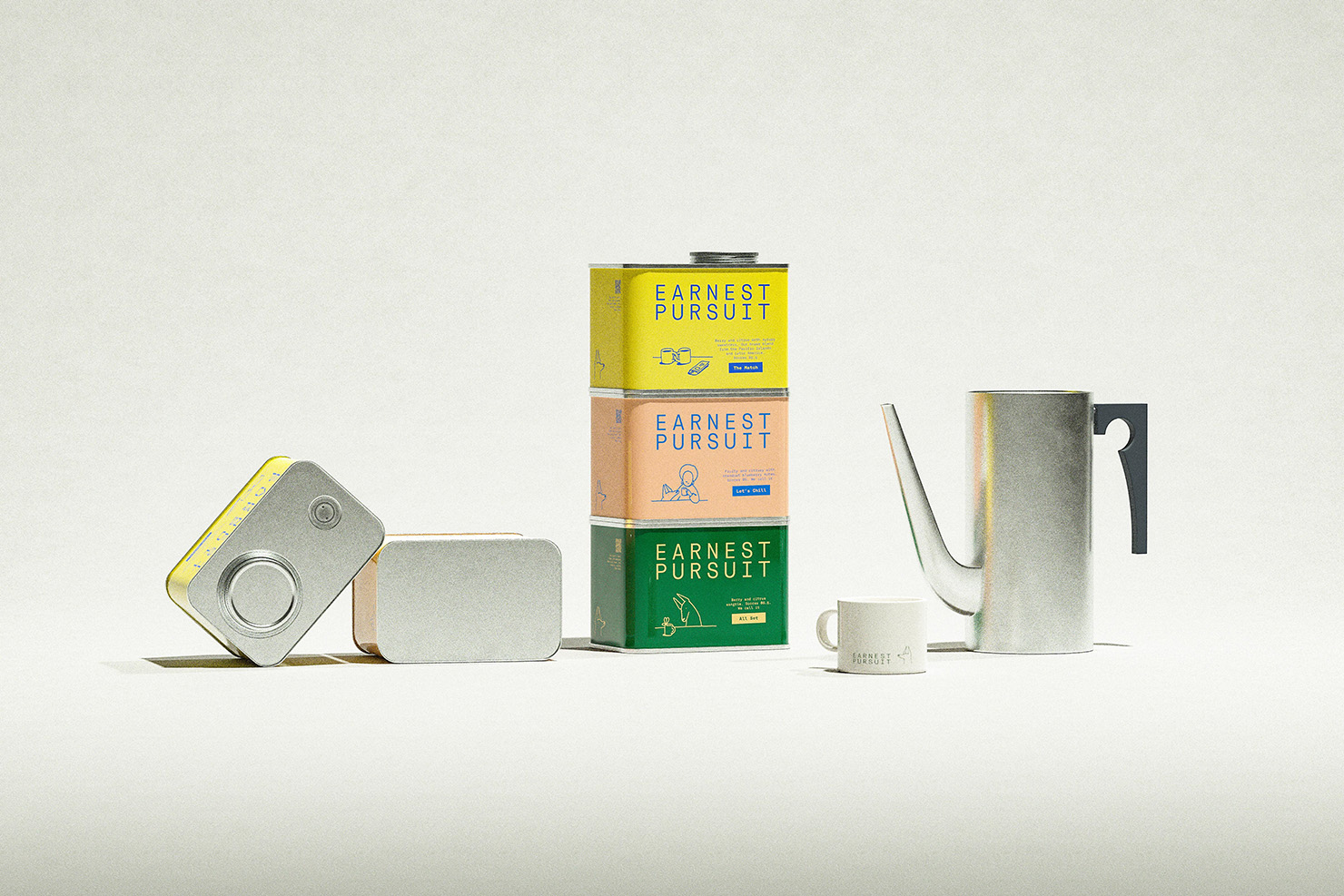
The specialty coffee industry has long been defined by the tactile and visual language of the flexible bag. Typically constructed from multi-layer laminates, these bags have become the industry standard for their cost-effectiveness and shelf-life preservation. However, New York City-based coffee roaster Earnest Pursuit is challenging this paradigm by pivoting to high-quality, reusable metal tins. This strategic shift represents a significant departure from conventional coffee retail, aiming to elevate the consumer experience through structural design while addressing the growing demand for sustainable, long-term packaging solutions.
The transition to 300-gram metal tins is not merely an aesthetic choice; it is a calculated effort to reposition coffee as a permanent fixture in the modern home, moving away from the "disposable" nature of traditional coffee bags. According to industry data, the vast majority of specialty coffee packaging currently utilized is non-recyclable due to the complex composition of its materials, which often include fused layers of plastic, foil, and paper. By adopting steel or tin-based containers, Earnest Pursuit aligns itself with a growing movement of brands prioritizing the circular economy.
A Chronology of Design and Production
The journey from concept to consumer shelf spanned approximately six months, a timeline that highlights the complexities of international supply chain logistics in the post-pandemic era. The design process began with an intensive collaborative phase between Earnest Pursuit founder Dylan Marvin and AOFP Studio, a firm specializing in packaging and visual identity.
The project’s timeline faced several unforeseen obstacles, most notably during the manufacturing and shipping phases. Because the specific tin format required—a design that balances structural rigidity with a premium finish—is largely manufactured in China, the company became subject to the volatile nature of global maritime trade. One significant hurdle was a three-week delay caused by low water levels in the Panama Canal, which restricted vessel transit and disrupted shipping schedules. This bottleneck served as a stark reminder of how climate-related infrastructure issues can ripple through the specialty coffee supply chain, even at the level of packaging logistics.
Technical challenges also plagued the production run. The team initially encountered difficulties when applying traditional Pantone color matching to metal surfaces. Standard printing processes often result in color drift on metal, leading the team to re-specify their entire color palette using hexadecimal values to ensure consistency across the production line. By the time the final tins were ready for distribution, the project had undergone two complete sample runs, underscoring the meticulous nature of the transition.
Structural Integrity and Functional Aesthetics
The decision to utilize metal serves three primary functions: preservation, aesthetics, and user interaction. Metal provides an opaque barrier, effectively shielding coffee beans from UV light, which is a primary contributor to the degradation of volatile flavor compounds. Furthermore, the rigid nature of the tin protects the coffee from the physical crushing often experienced during shipping, a common issue with flexible bag packaging.
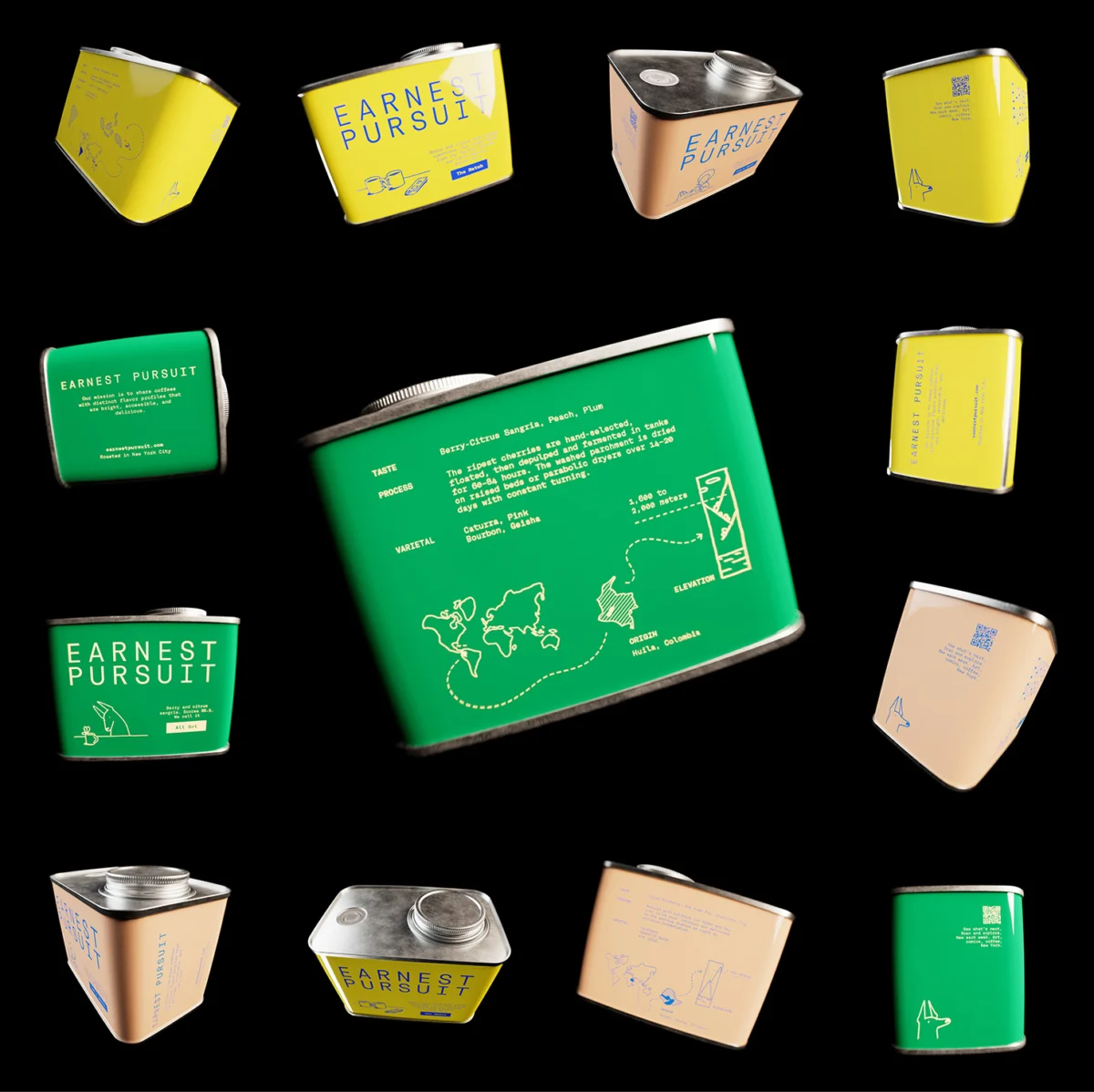
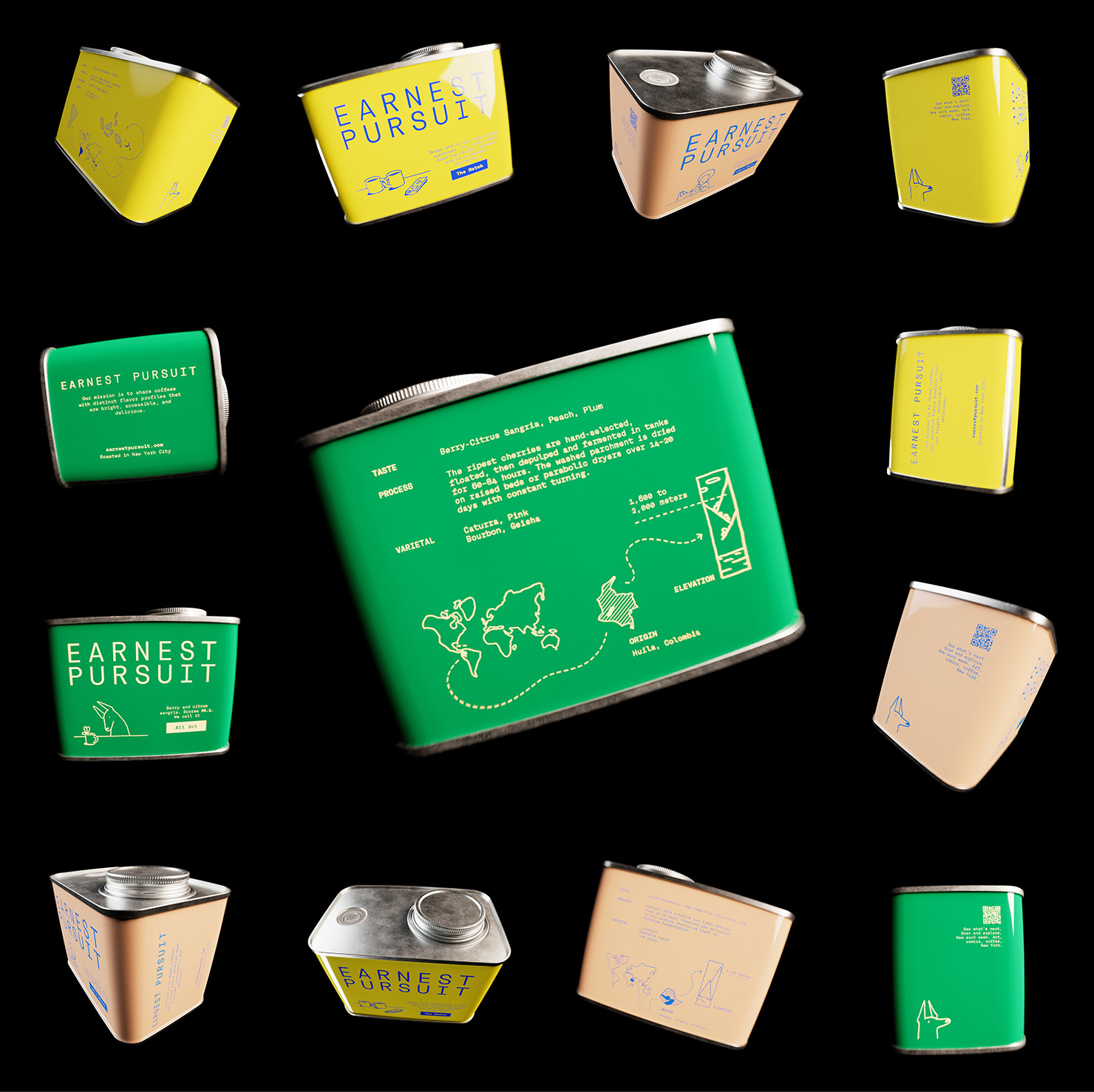
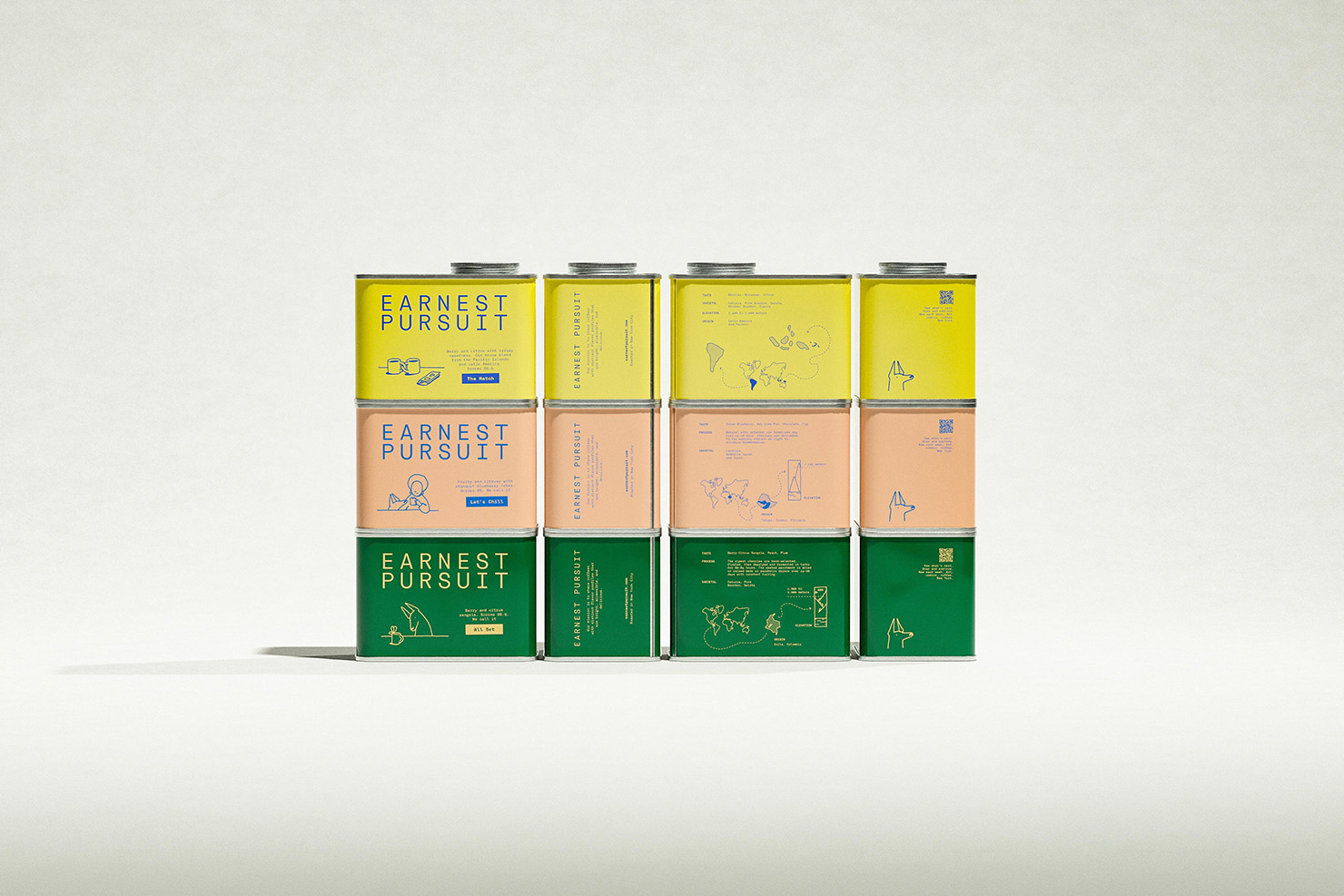
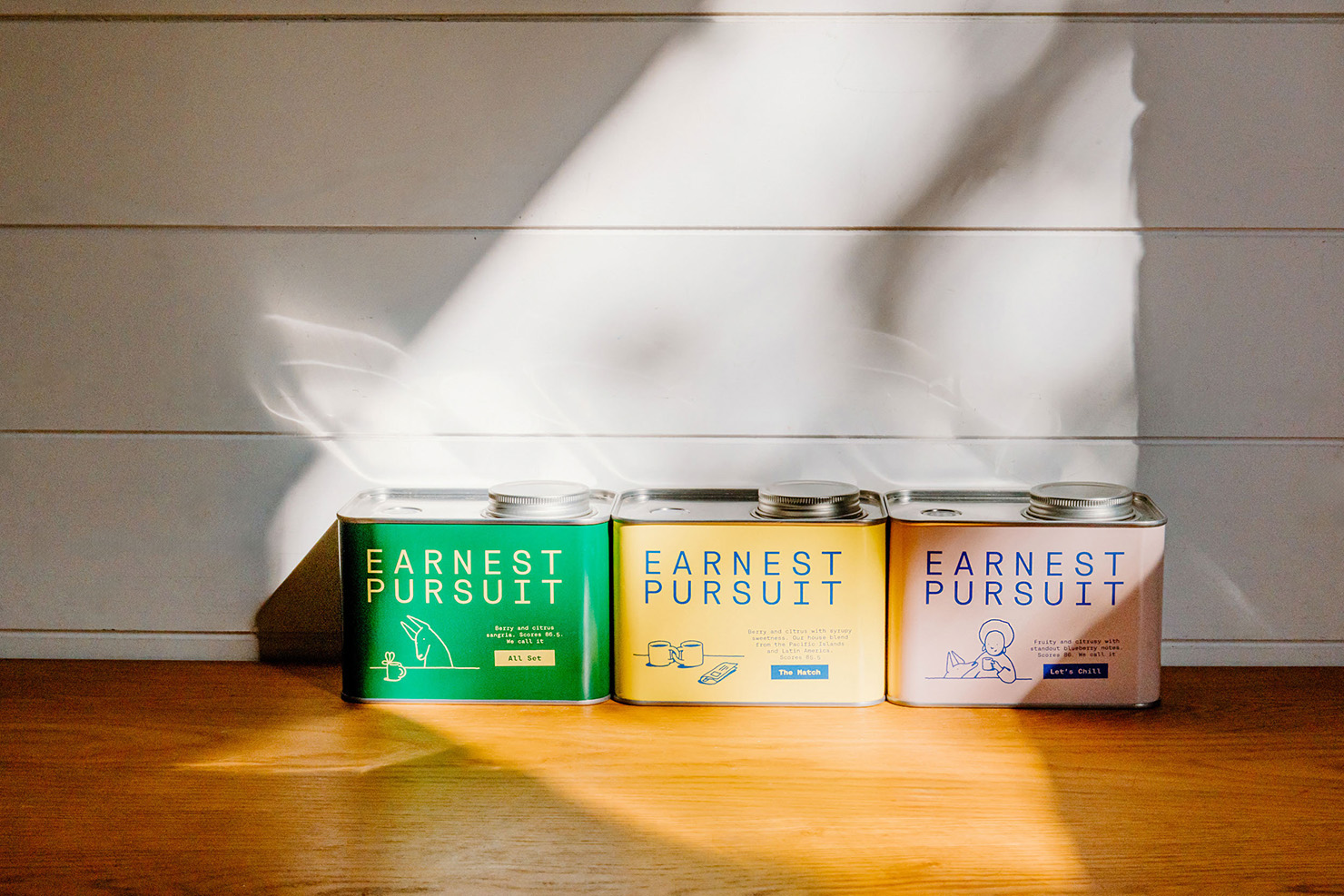
The design philosophy behind the tins focuses on "considered utility." The artwork, featuring recurring illustrations of a Doberman and various New York City street scenes, is printed directly onto the metal. This approach creates a cohesive, singular object that feels durable rather than flimsy. The choice of the 300-gram size is also deliberate, positioned to offer more volume than the standard 250-gram bag while remaining compact enough for home kitchen storage.
"We wanted packaging that stood out in a way that felt fun and considered, and that people would actually enjoy having on their counter," says Marvin. The inclusion of subtle design details, such as the slightly curved "table line" in the illustrations, is intended to soften the industrial nature of the metal, providing a hand-drawn, artisanal quality that contrasts with the rigid, machine-made nature of the container.
Data-Driven Consumer Education
Beyond the visual appeal, the packaging is engineered to function as an educational tool. For many specialty coffee brands, information density is a struggle. Earnest Pursuit has opted for a consistent layout across all product lines, placing origin, producer, processing method, and elevation in the same location on every tin. This standardized information architecture allows the consumer to develop a mental map of the product, moving from general knowledge to specific details with each subsequent purchase.
The inclusion of a hand-drawn map tracing the coffee’s journey from farm to the roastery is a direct response to consumer demand for transparency. In an era where "farm-to-cup" is a common marketing trope, Earnest Pursuit attempts to substantiate this claim by providing data points that help explain the flavor profile of the cup. For example, the inclusion of process details is prioritized because these methods—such as honey, washed, or natural processing—frequently serve as the strongest predictors of flavor, often more so than the geographical origin alone.
Broader Implications for the Coffee Sector
The move by Earnest Pursuit arrives at a time when the specialty coffee industry is grappling with its environmental footprint. While the metal tin itself is inherently recyclable, the company’s stated goal is to encourage reuse. By marketing the tin as a long-term household object—suggesting uses such as a planter or a storage vessel—the brand is attempting to shift the consumer mindset from "disposable consumerism" to "asset-based consumption."
Industry analysts suggest that the success of such packaging will depend on the brand’s ability to implement a refill system. Earnest Pursuit has announced plans to offer plain, compostable or recyclable refill bags. If successful, this model could mitigate the higher initial cost of metal production by allowing customers to pay a lower price for subsequent refills, essentially turning the tin into a one-time investment.
The broader implications of this design shift are significant for the retail landscape. As competition among specialty roasters intensifies, differentiation through physical object design is becoming as critical as the quality of the roast itself. By moving the tin from the "discount" grocery aisle—where it has historically been associated with lower-grade coffee—to the specialty shelf, Earnest Pursuit is attempting to reclaim the metal container as a hallmark of premium quality.
Market Response and Future Outlook
While it is too early to measure the long-term market impact of this packaging shift, early indicators suggest that consumers are increasingly willing to pay a premium for packaging that aligns with their aesthetic and environmental values. The "premium coffee, no attitude" branding, characterized by a dry, self-deprecating tone that mimics a New Yorker cartoon, serves to humanize the product, making high-end specialty coffee feel more accessible and less intimidating.
The integration of the cupping score—tucked away at the back of the tin rather than highlighted on the front—is a deliberate choice to avoid the pretension that can often alienate casual coffee drinkers. By prioritizing the narrative of the coffee over its technical metrics, Earnest Pursuit is positioning itself to appeal to a demographic that values the craft and the story behind the bean as much as the extraction itself.
As the company looks to the future, the challenge will lie in scaling this model without compromising the design-heavy approach that has defined its launch. The reliance on international manufacturing and complex supply chain logistics remains a potential vulnerability. However, the brand’s focus on long-term, high-quality, and reusable materials suggests a commitment to a business model that values longevity over short-term trends. For the specialty coffee industry, the Earnest Pursuit experiment serves as a case study in how thoughtful, high-design, and environmentally conscious packaging can serve as both a differentiator and a testament to the quality of the product within.