 Cintya Tara Annisa
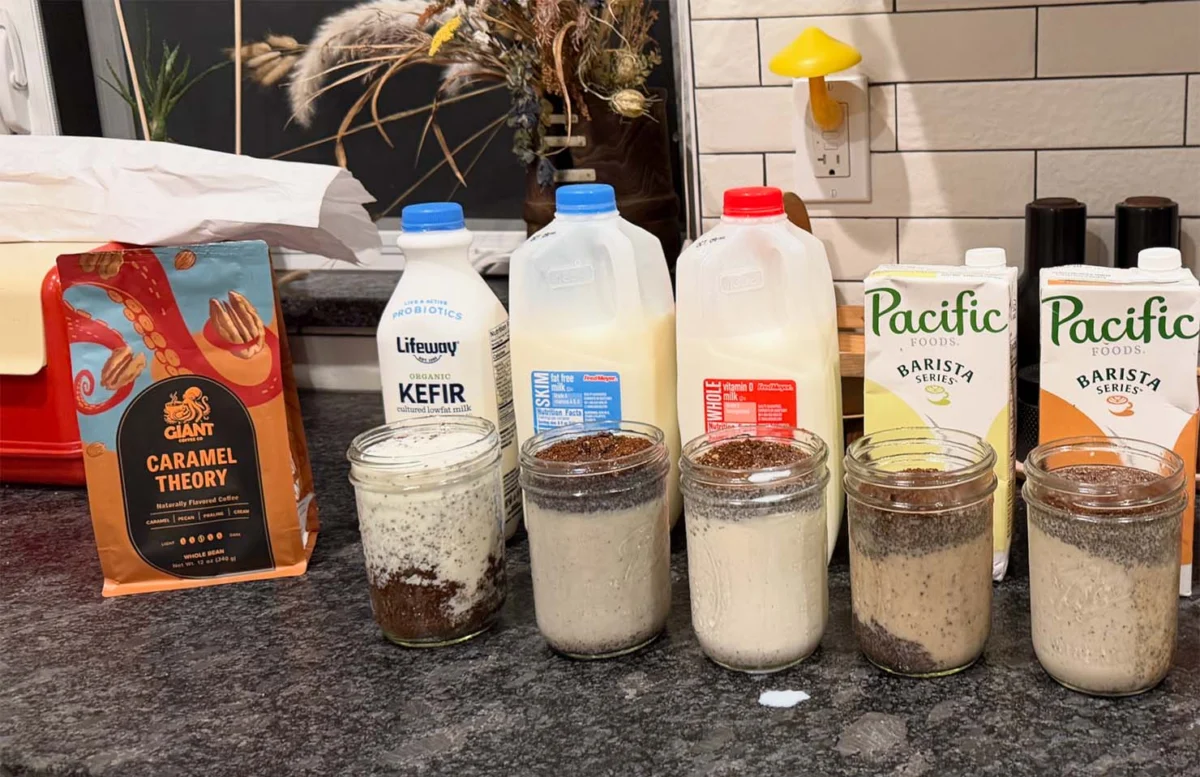
The emergence of milk brew as a significant trend within the specialty coffee sector serves as the primary focus of the latest installment of the Coffee Sprudgecast. This unconventional brewing methodology, which involves the extraction of coffee grounds directly into milk rather than water, has transitioned from a niche experimental technique to a viral phenomenon currently being explored by cafes and industry professionals across North America. The podcast episode provides a comprehensive technical examination of the process, evaluating various dairy and plant-based substrates to determine their efficacy in cold extraction environments.
The Evolution of the Milk Brew Phenomenon
The concept of milk brewing—often confused with standard lattes or café au lait—is fundamentally distinct in its extraction physics. By replacing water with milk, the high fat and protein content of the liquid alters the solubility of coffee compounds. Because milk contains significantly less water than traditional solvents, the extraction rate of acids and sugars is modulated, often resulting in a beverage with reduced perceived bitterness and a distinctively creamy, integrated texture.
While the practice has been documented in isolated experimental settings for years, it gained mainstream traction in recent months, notably with the opening of dedicated milk-brew-centric cafes in markets such as Pasadena, California. This shift reflects a broader consumer preference for cold-coffee formats, which now account for a substantial percentage of total specialty coffee sales. Recent industry reports suggest that cold-brew variations are growing at a double-digit rate annually, driven by younger demographics who favor convenience and unconventional flavor profiles.
Technical Methodology and Comparative Analysis
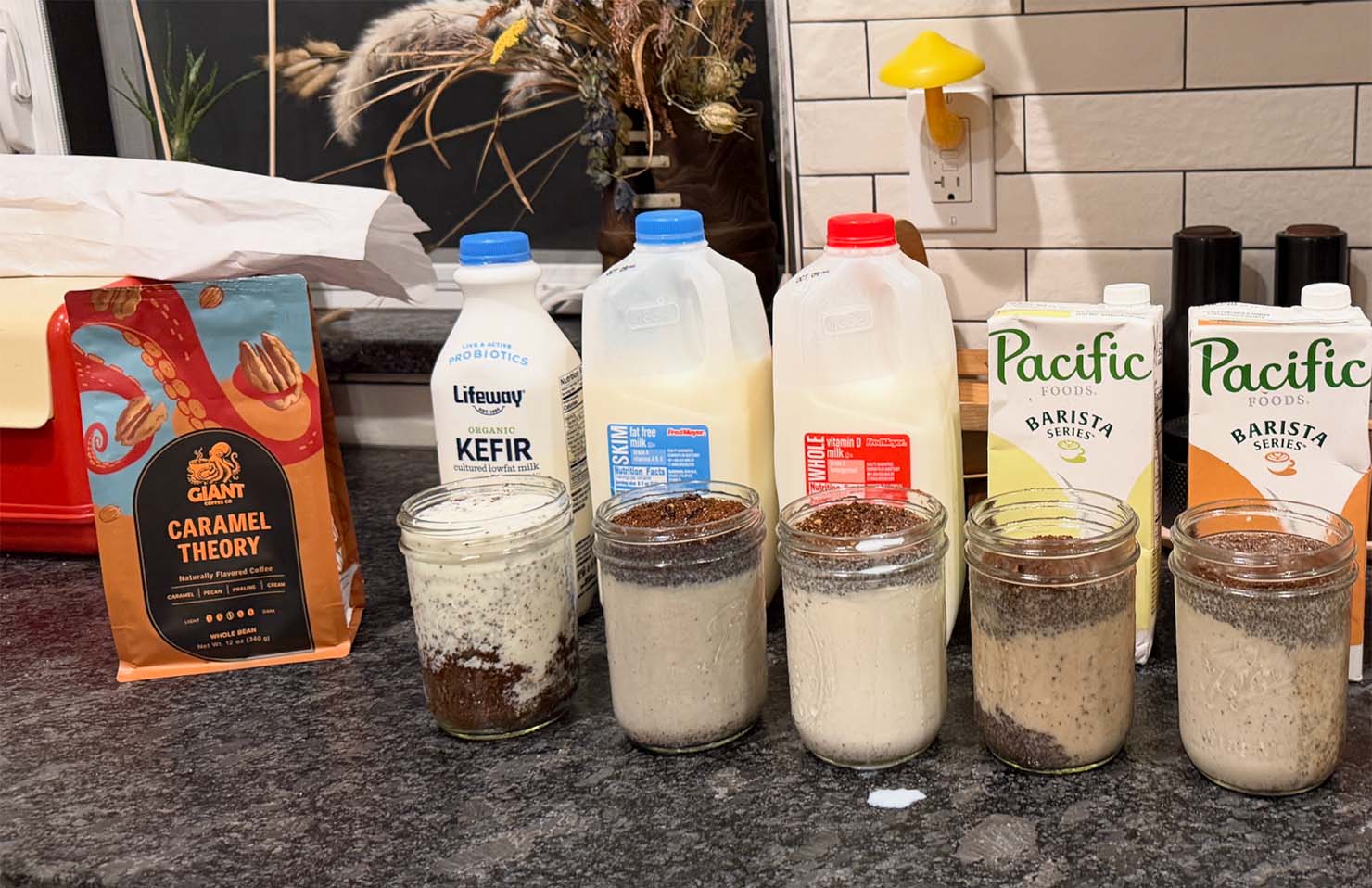
In the featured episode, the Coffee Sprudgecast team conducted an extensive comparative analysis, utilizing a variety of dairy and plant-based milks. The selection included skim, two-percent, and whole dairy milk, alongside coconut, almond, and oat-based alternatives provided by the Pacific Barista Series.
The objective was to identify how different protein structures and fat contents interact with the coffee oils during the maceration process. Data collected during the testing suggested that higher-fat milks, such as whole dairy or specific oat formulations, tended to produce a more stable emulsion, whereas thinner plant-based milks sometimes struggled to capture the full spectrum of the coffee’s inherent flavor profile. This finding aligns with established food science principles, where lipids act as carriers for volatile aromatic compounds, thereby enhancing the sensory experience of the brew.
The Mocha Moment: A Case Study in Contemporary Innovation
As part of their ongoing "Mocha Moment" segment, the program highlighted an innovative application of the milk brew technique: the Caramel Flavored Coffee Coconut Milk Brew Mocha. This specific recipe utilized the Giant Coffee Caramel Theory Blend, an unconventional choice that highlights the industry’s push toward flavor-forward, high-concept beverages.
The assembly of this beverage was performed using precision-grade equipment, including the La Marzocco Linea Mini espresso machine and a suite of tools from MHW-3BOMBER, such as a 58mm tamper and a WDT (Weiss Distribution Technique) tool. The use of such high-end instrumentation underscores a critical trend in the specialty coffee industry: the application of professional-grade extraction standards to unconventional brewing methods. By treating milk brew with the same technical rigor as a classic espresso shot, practitioners are effectively elevating the profile of the drink from a novelty item to a refined specialty product.
Industry Context and Sponsor Contributions
The discussion was supported by insights and resources from several key industry players, including DONA, Baratza, and La Marzocco. The involvement of these entities reflects the commercial interest in scaling milk-based coffee innovations. The Pacific Barista Series, in particular, has been instrumental in providing specialized milk alternatives that are engineered to withstand the unique chemical demands of coffee preparation, including the acidity levels and thermal properties involved in various brew methods.
From a business perspective, the rise of milk brew represents a diversification strategy for cafes looking to capture consumer attention in a saturated market. By offering a product that cannot be easily replicated by standard home-brewing equipment, businesses create a "destination" experience. However, this also presents logistical challenges, such as the shelf life of milk-infused extractions and the necessity of strict cold-chain management to ensure safety and quality.
Broader Implications for the Specialty Coffee Sector
The transition of milk brew from a viral social media trend to a subject of serious podcast investigation signifies a maturation in the specialty coffee dialogue. As consumers become more educated regarding the chemistry of their beverages, they are increasingly seeking out methods that manipulate extraction variables in novel ways.
The potential implications for the industry are two-fold. First, it encourages a more nuanced understanding of how different milks—both dairy and plant-based—function as solvents. This knowledge can lead to better-formulated plant milks that are specifically designed for brewing, rather than just frothing. Second, it challenges the traditional hegemony of water-based extraction, opening the door for a wider array of solvent-based coffee innovations.
As noted by the podcast hosts, the "full spectrum of flavor" achieved through these experiments is a testament to the versatility of the coffee bean. Whether milk brew remains a permanent fixture of the specialty menu or evolves into a specialized segment of the cold-brew market, its current prominence highlights a period of intense experimentation within the industry.
Chronology of Recent Developments
- Early 2024: Increased frequency of milk-brew-focused media coverage in specialty coffee publications.
- Summer 2024: Launch of specialized milk-brew cafes in California, signaling a move toward physical retail models.
- Q3 2024: Public testing and feedback cycles, including the engagement of industry experts like Jenn Chen to evaluate the drink’s viability.
- Current Date: The formalization of the milk-brew discourse via platforms like the Coffee Sprudgecast, providing a technical framework for home and professional baristas.
Future Research and Consumer Demand
The ongoing investigation into milk brew also touches upon the sustainability of coffee consumption. As the industry grapples with the environmental impact of dairy farming, the reliance on high-quality plant-based alternatives—as evidenced by the participation of the Pacific Barista Series—suggests a path forward that balances consumer preferences with ecological considerations.
While critics may argue that milk brewing is an inefficient use of resources compared to traditional methods, proponents maintain that the sensory results justify the research. The next phase of this trend will likely involve further academic or laboratory-grade analysis of the extraction efficiency of milk compared to water, potentially leading to standardized protocols for "milk-infusion" brewing.
As the industry continues to evolve, the Coffee Sprudgecast’s deep dive into this topic provides a necessary baseline for both casual enthusiasts and industry professionals. By documenting the successes and failures of these trials, the podcast serves as a repository of experiential data that will inform future beverage development. For now, the "hot" status of this cold-brew innovation appears secure, as it continues to challenge the boundaries of what is considered a traditional coffee beverage.