Indra Kusuma
More than a decade after first reimagining the iconic Mandarin Oriental The Landmark in Hong Kong, Joyce Wang Studio has completed a comprehensive second renovation of the luxury property, signaling a profound shift in the hotel’s aesthetic narrative. The extensive project encompasses all 109 guest rooms and suites, the grand mansion foyer, the hotel’s serene spa facilities, and the space formerly known as the MO Bar. This ambitious update represents not merely a cosmetic refresh, but a structural re-alignment of the hotel’s interior identity to better reflect the complex heritage of its host city.
A Chronology of Evolution: From 2013 to 2026
The relationship between Joyce Wang Studio and the Mandarin Oriental group has long been defined by a commitment to high-concept interior design. In 2013, the studio’s initial renovation of the property set a new benchmark for luxury hospitality in Hong Kong, emphasizing sleek, contemporary lines and a polished, urban sensibility. At that time, the design language was heavily focused on global standards of prestige and modern efficiency.
However, the 2026 renovation marks a departure from that earlier philosophy. Following a multi-year planning phase, the studio sought to pivot toward a more deeply localized narrative. By focusing on the historical and cultural strata of Hong Kong, Wang and her team have moved away from the "universal luxury" model toward a "bespoke residence" model. The project’s timeline saw the hotel undergo phased closures, ensuring that the transition from the mid-2010s aesthetic to the current "lived-in mansion" concept was seamless, allowing the hotel to maintain its position as a premier destination for high-net-worth travelers during the transition.
Design Philosophy and Architectural Inspiration
At the heart of this renovation lies a brief that prioritized the hotel’s symbiotic connection to Hong Kong’s architectural history. Joyce Wang, the principal of her eponymous studio, noted that the core inspiration was drawn from the colonial-era country manors that once defined the upper echelons of the city’s residential landscape. By channeling the atmosphere of the Tai Kwuns of a bygone era, the design team aimed to cultivate a sense of place that is both nostalgic and enduring.
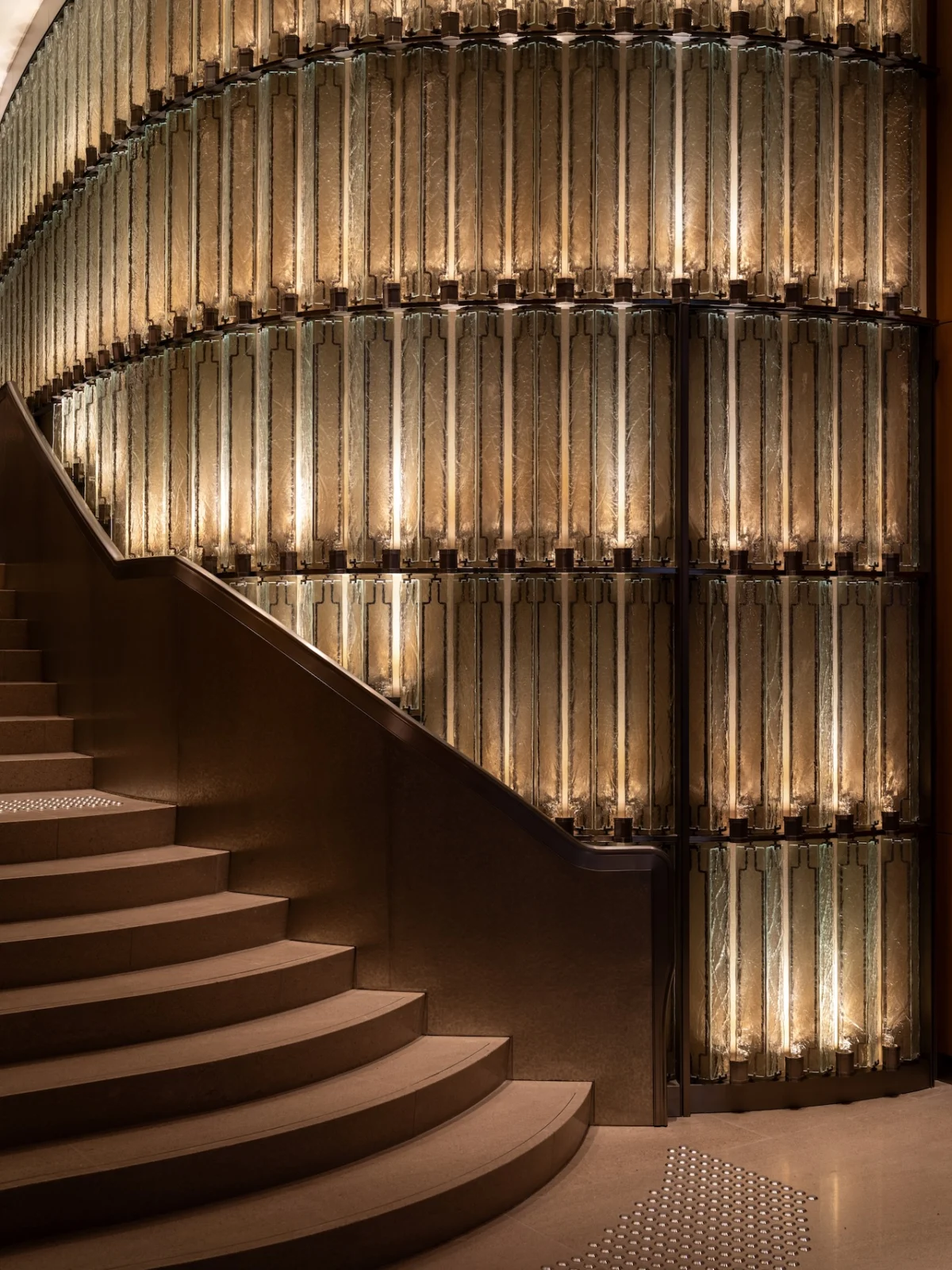
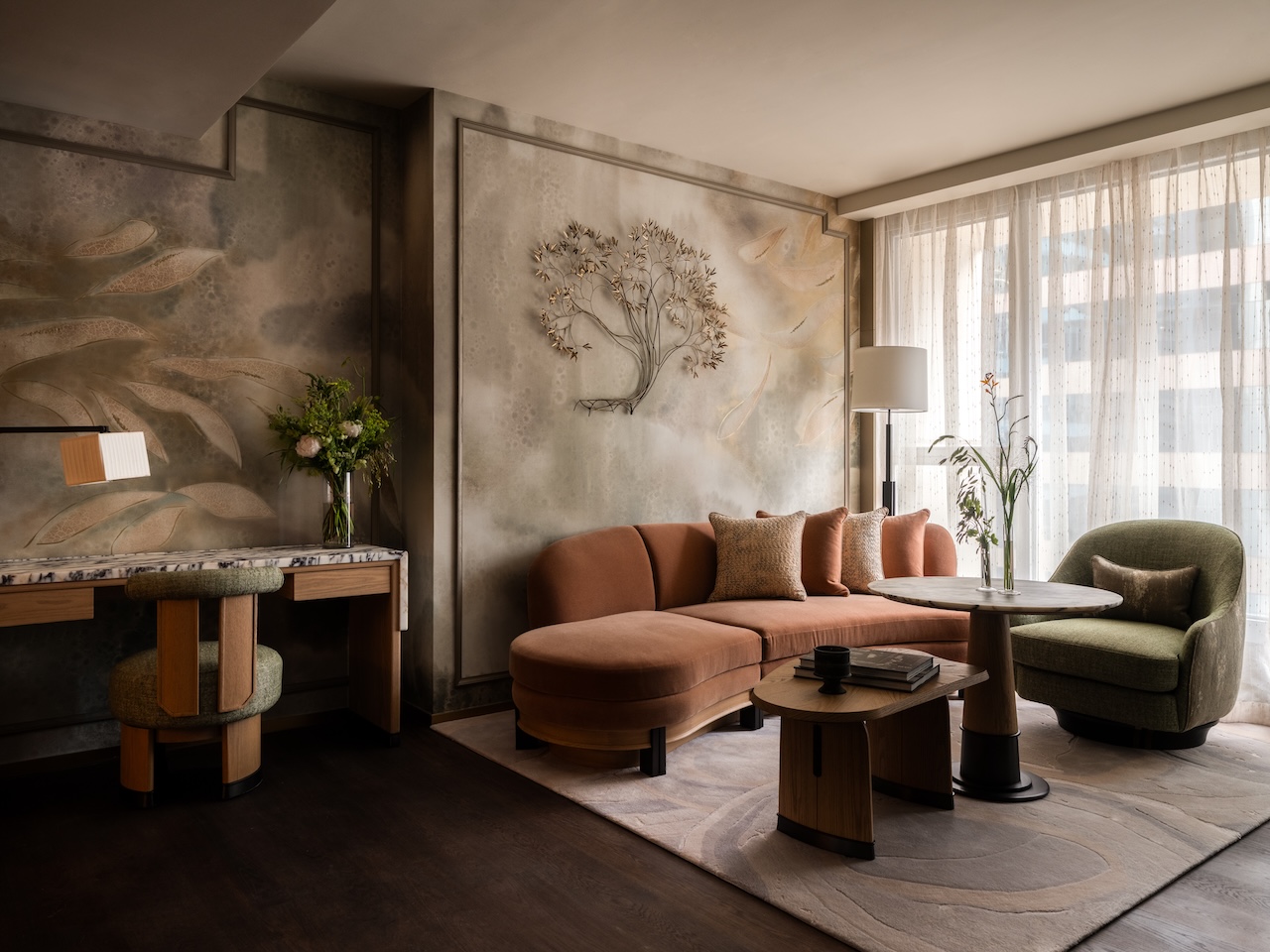
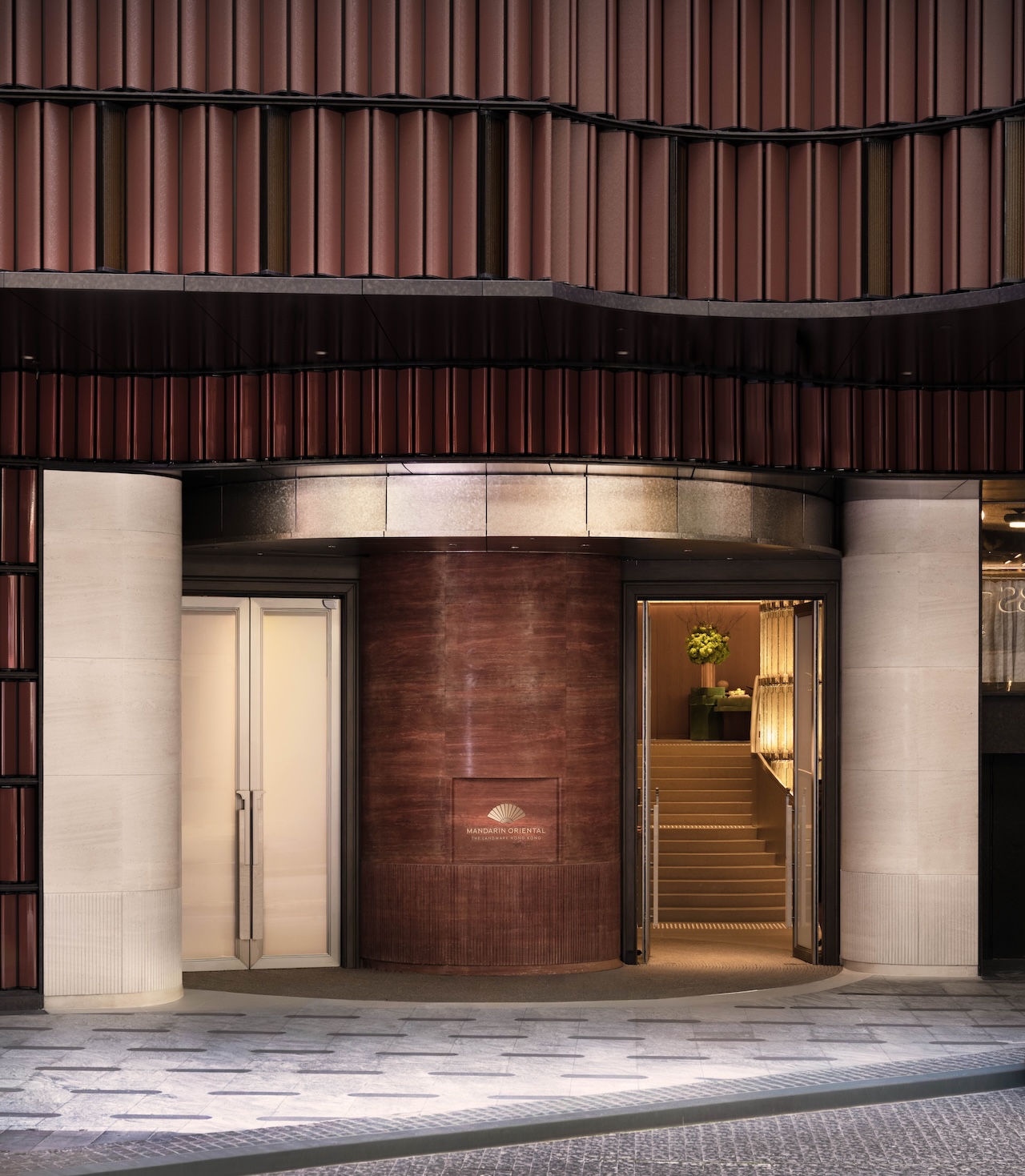
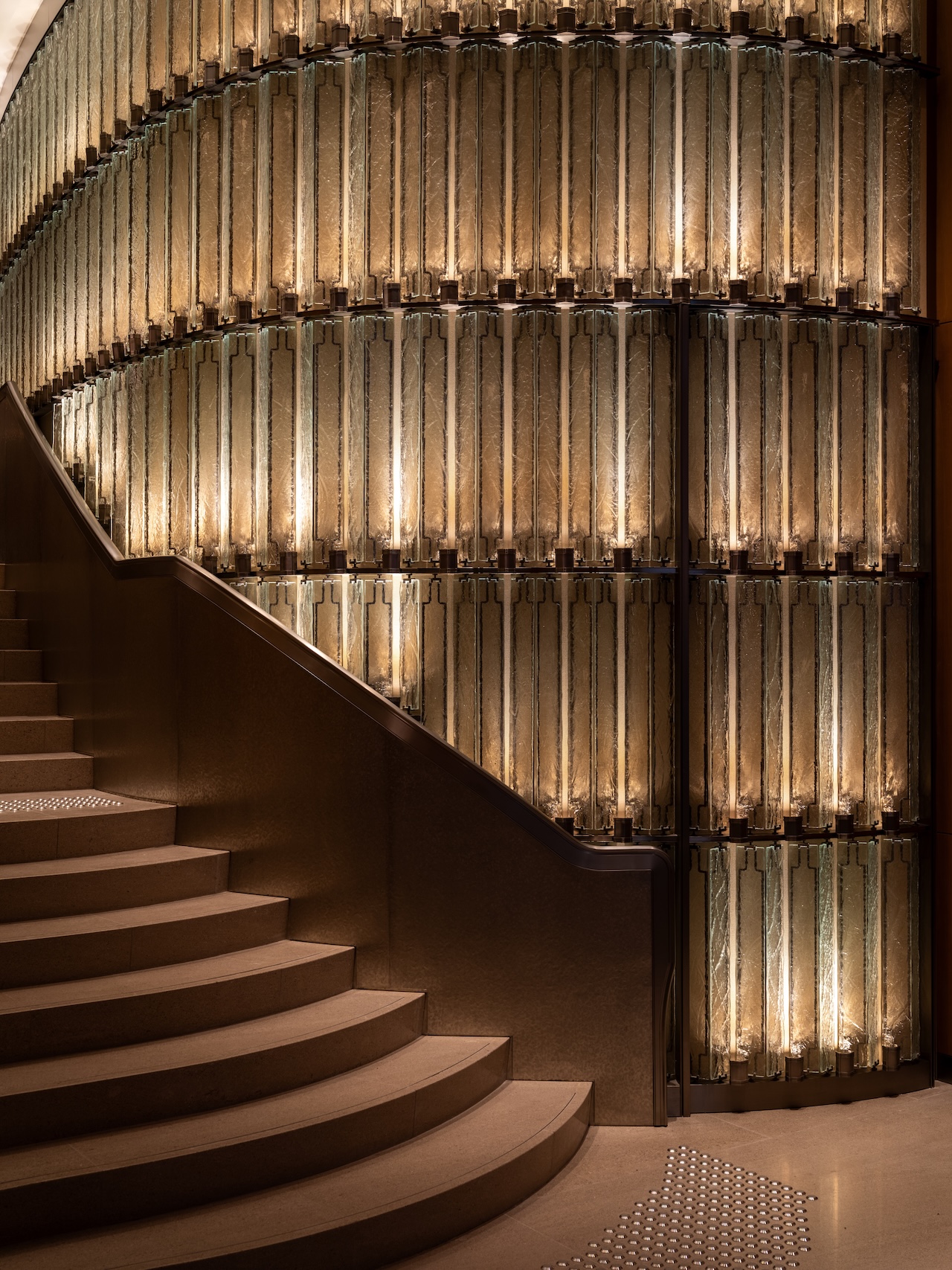
The arrival sequence serves as the primary vessel for this narrative. Guests are now welcomed through a series of architectural gestures that mimic the grandeur of a private estate. The lobby features an undulating staircase, strategically placed artwork bays, and sculptural plinths that act as the structural anchors of the space. The color palette—defined by deep, organic greens and warm, earthen terracotta—serves as a direct reference to both the lush tropical gardens of Hong Kong and the distinctive clay-fired brickwork of its historic colonial buildings.
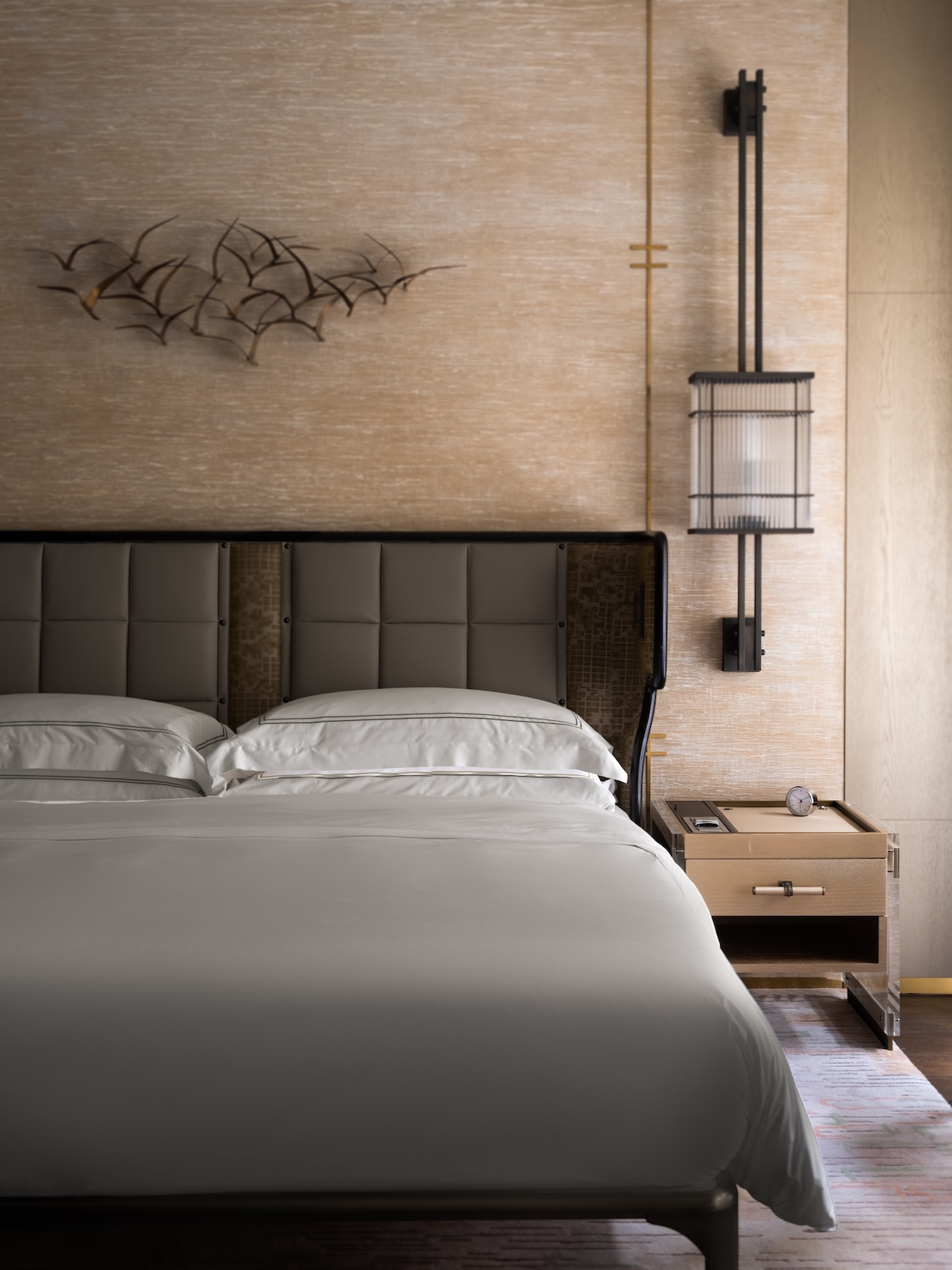
The material selection is similarly intentional. The studio employed a sophisticated mix of stone, timber, textured wallcoverings, and custom eglomisé glass to create a tactile experience. This is not merely a space for transit; it is a meticulously curated environment designed to evoke the intimacy of a home that has been lived in and loved for generations.
The Skyline as a Recurring Motif
One of the most striking technical achievements of the renovation is the integration of the Hong Kong skyline as a recurring visual motif. Recognizing the city’s dense, vertically oriented topography, the design team translated the skyline into various functional elements throughout the building.
In the guestroom corridors and elevator banks, custom-designed tapestries and eglomisé glass panels feature stylized interpretations of the city’s famous silhouette. This theme extends into the private chambers, where the guest experience is grounded by custom rugs that mirror the geometry of Hong Kong’s historic brickwork. These floor coverings are set against a backdrop of lightened timber floors and cracked gesso wall finishes, providing a tactile contrast that emphasizes the craftsmanship involved in the design. The use of Fromental wallcoverings, which incorporate hand-painted and silk elements, further elevates the rooms, reinforcing the narrative of a curated, high-end residence rather than a generic hotel suite.
Curating a Living Collection: The Art Program
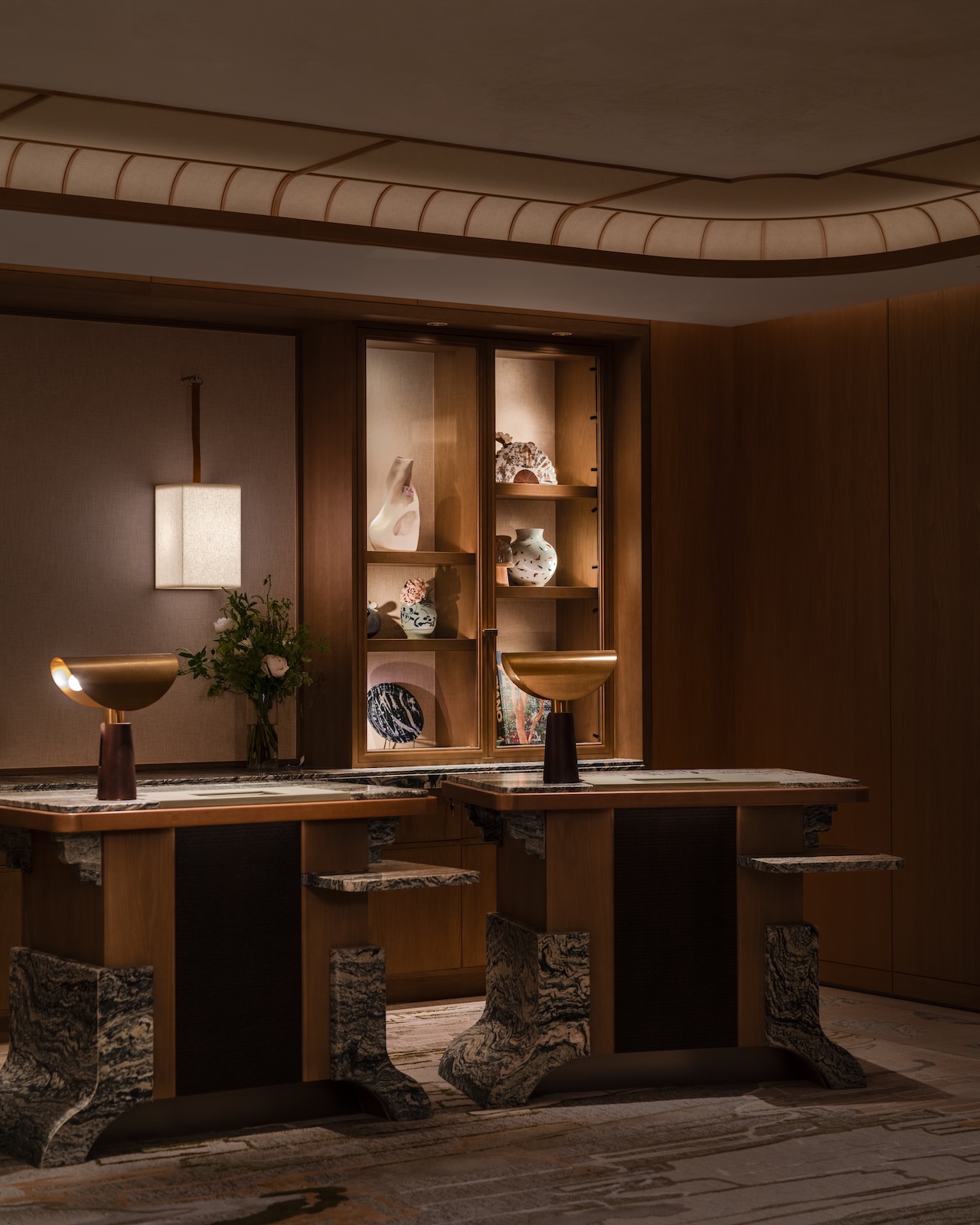
The role of art in the new design program is both structural and storytelling-based. Joyce Wang Studio implemented a rigorous vetting process for every piece of artwork selected for the property, ensuring that each object possesses a distinct provenance or narrative connection to the region.
The collection is a heterogeneous mix of works from emerging local talent and established international artists. By integrating these pieces as if they were personal artifacts—sculptural vases, artisanal vessels, and bespoke curios—the hotel achieves the "pied-à-terre" effect Wang intended. This approach invites guests to interact with the space as if they are staying in a private collector’s home. The implication is clear: the modern luxury traveler is no longer seeking the anonymity of a grand hotel, but rather the curated authenticity of a home that possesses a soul and a history.
Market Implications and the Future of Luxury Hospitality
The renovation of Mandarin Oriental The Landmark is indicative of a broader trend within the luxury hospitality sector. As global travel continues to evolve, high-end properties are finding that "standardized luxury" is increasingly insufficient. Today’s travelers, particularly those in the luxury segment, are placing a higher premium on "local relevance."
From an economic perspective, this investment reflects the hotel’s strategic goal to maintain its competitive edge in the hyper-saturated Hong Kong hospitality market. By opting for a second, more culturally grounded renovation, the property is hedging against the risk of becoming a "static" asset. Industry analysts suggest that hotels that undergo periodic, context-aware refreshes are more likely to command higher Average Daily Rates (ADR) and maintain higher RevPAR (Revenue Per Available Room) metrics compared to properties that adhere to aging design themes.
Furthermore, the collaboration between a designer of Wang’s stature and an established brand like Mandarin Oriental signifies a move toward "experiential architecture." By blurring the lines between a hotel and a private residence, the property is attempting to capture a guest demographic that values privacy, exclusivity, and cultural literacy.
Technical Specifications and Sustainability Considerations
While the focus of the renovation is aesthetic, the technical execution reflects modern standards of luxury construction. The integration of advanced lighting systems—designed to highlight the texture of the gesso walls and the sheen of the eglomisé glass—enhances the atmosphere without compromising energy efficiency.
The use of sustainable, high-durability materials such as locally sourced timber and natural stone speaks to an awareness of the environmental footprint associated with such large-scale projects. By favoring high-quality, long-lasting materials, the studio is adhering to a philosophy of "slow design," where the longevity of the installation is considered as important as its initial visual impact.
Concluding Perspectives
The 2026 renovation of the Mandarin Oriental The Landmark stands as a definitive statement on the evolution of hotel interior design. By moving away from the sleek, international style of the previous decade and embracing a deeper, more nuanced interpretation of Hong Kong’s colonial and modern heritage, Joyce Wang Studio has created a space that feels both timeless and deeply specific to its location.
For the guests who walk through the doors, the result is a property that functions as a sanctuary—a place that offers the comforts of a high-end residence while simultaneously providing a window into the rich, layered culture of one of the world’s most dynamic cities. As the hospitality industry continues to navigate the demands of an increasingly discerning clientele, this project serves as a compelling model for how established luxury brands can successfully bridge the gap between historic prestige and contemporary, localized relevance. The hotel remains, as it has been for decades, a cornerstone of Hong Kong’s luxury landscape, now reconfigured to speak to a new generation of travelers who seek not just a place to stay, but a place to inhabit.