rifanmuazin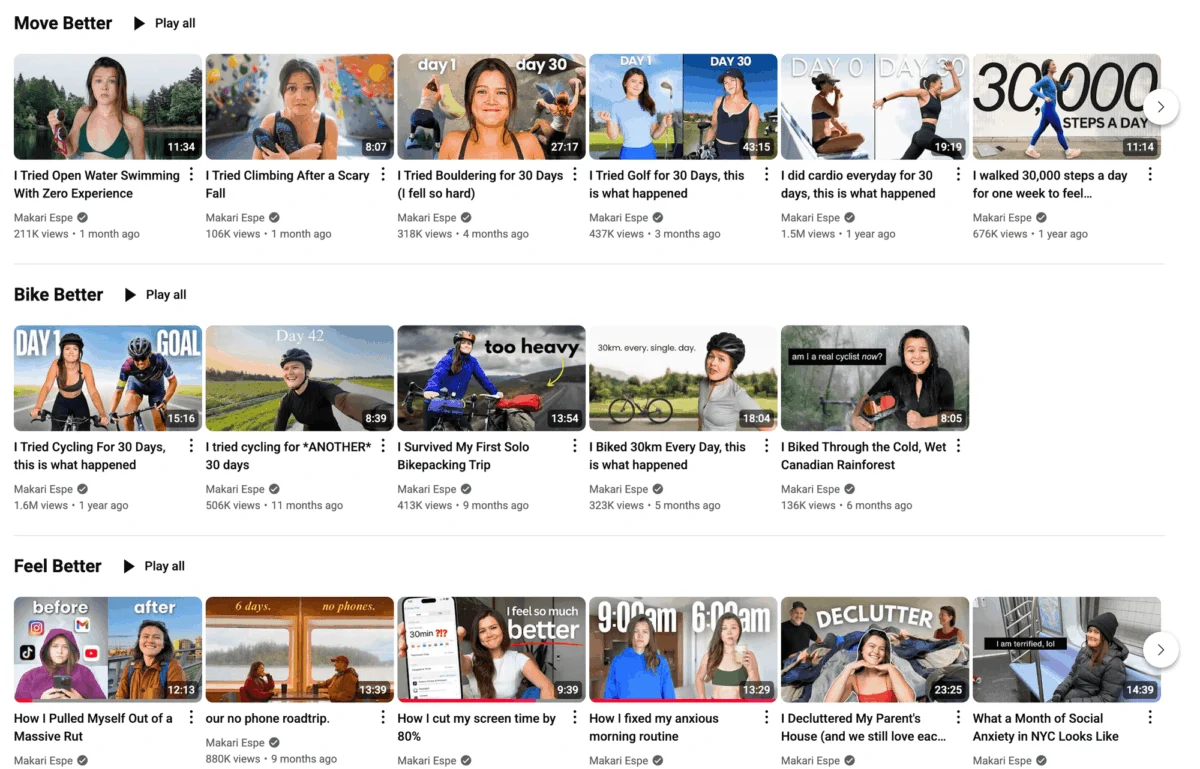
Achieving visibility on YouTube can initially feel like an endeavor into an empty void, a common sentiment for burgeoning creators navigating the platform’s vast digital landscape, yet this challenge is surmountable and increasingly common. The pursuit of augmented YouTube views in 2026 is an attainable objective, even for those at the nascent stages of channel development. This extensive guide delves into thirteen proven strategies designed to enhance YouTube viewership, offering valuable insights for both new channels and established creators seeking to overcome stagnant audience metrics.
The Evolving YouTube Ecosystem: A Background

YouTube, since its inception in 2005, has transformed from a rudimentary video-sharing site into a sophisticated global media powerhouse and a cornerstone of the burgeoning creator economy. With over 2.7 billion active users monthly, it represents an unparalleled platform for content dissemination and community building. However, this growth has simultaneously ushered in heightened competition. The algorithmic evolution, the introduction of diverse content formats like YouTube Shorts, and the increasing professionalization of content creation necessitate a strategic and informed approach to audience engagement. Understanding the underlying mechanisms of YouTube’s discovery system and user behavior is paramount for any creator aiming for sustainable growth and increased viewership in the coming years. The platform continuously refines its algorithms to prioritize viewer satisfaction, watch time, and engagement, moving beyond mere click-through rates to reward genuinely valuable and captivating content.
I. Foundational Content Strategy: The Core of Viewer Engagement
The cornerstone of any successful YouTube channel lies not in elaborate production but in the intrinsic value and appeal of its content ideas. Many creators inadvertently allocate disproportionate resources to filming, editing, and thumbnail design, often at the expense of developing a compelling core concept. A visually polished video, however, cannot compensate for a weak or unoriginal topic.
A. Prioritizing Idea Generation and Audience Understanding
Effective video ideas strike a delicate balance between familiarity and novelty. They tap into existing audience interests while simultaneously offering fresh perspectives or unexplored facets. YouTube creator Cara Nicole articulates this succinctly: "You need to understand your ideal viewer. Ask yourself: What are they already interested in? How do they want to be talked to? What news and cultural trends are they paying attention to? That gives you a starting point for making videos that resonate." This profound understanding allows creators to craft content that genuinely connects with their target demographic.
Several accessible methods can be employed for robust content idea generation:
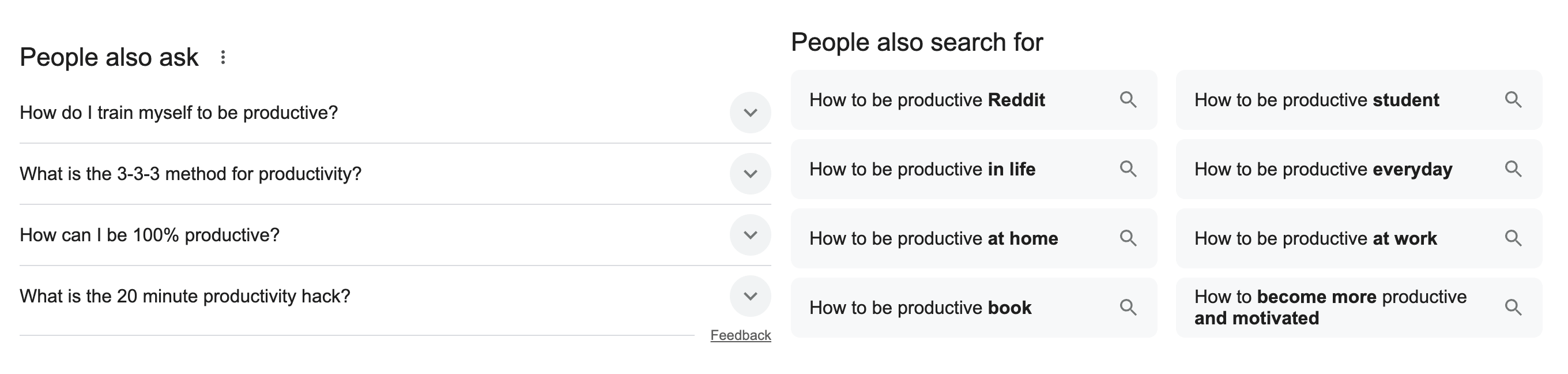
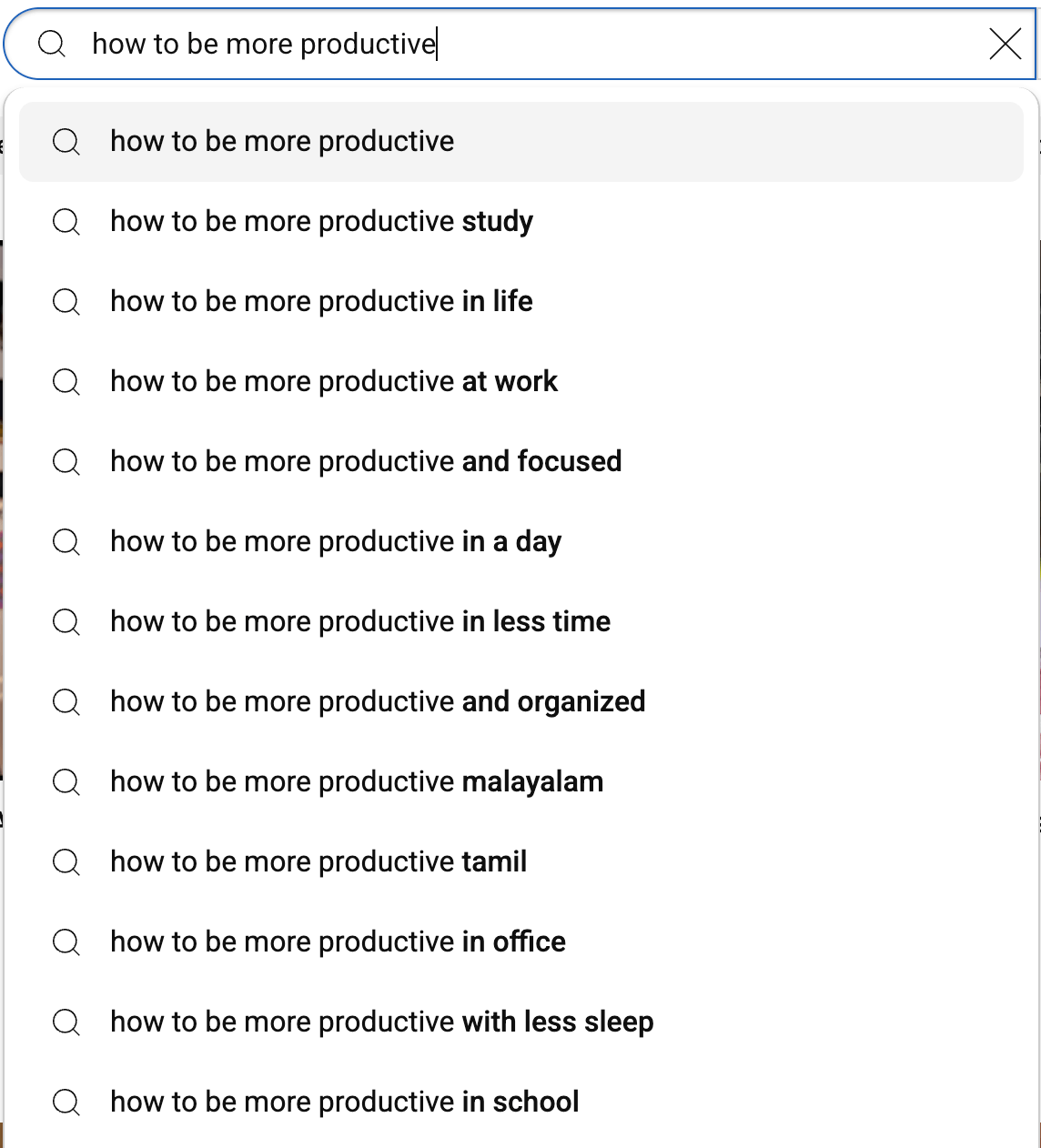
- Leveraging Google Search: A direct approach involves querying Google with questions pertinent to your audience’s interests. For instance, a productivity channel might search "how to be productive." The "People also ask" and "People also search for" sections often reveal real-world queries and potential video titles. This method can be refined by searching for highly specific problems, such as "how to be productive while working from home," to uncover niche-specific content opportunities.
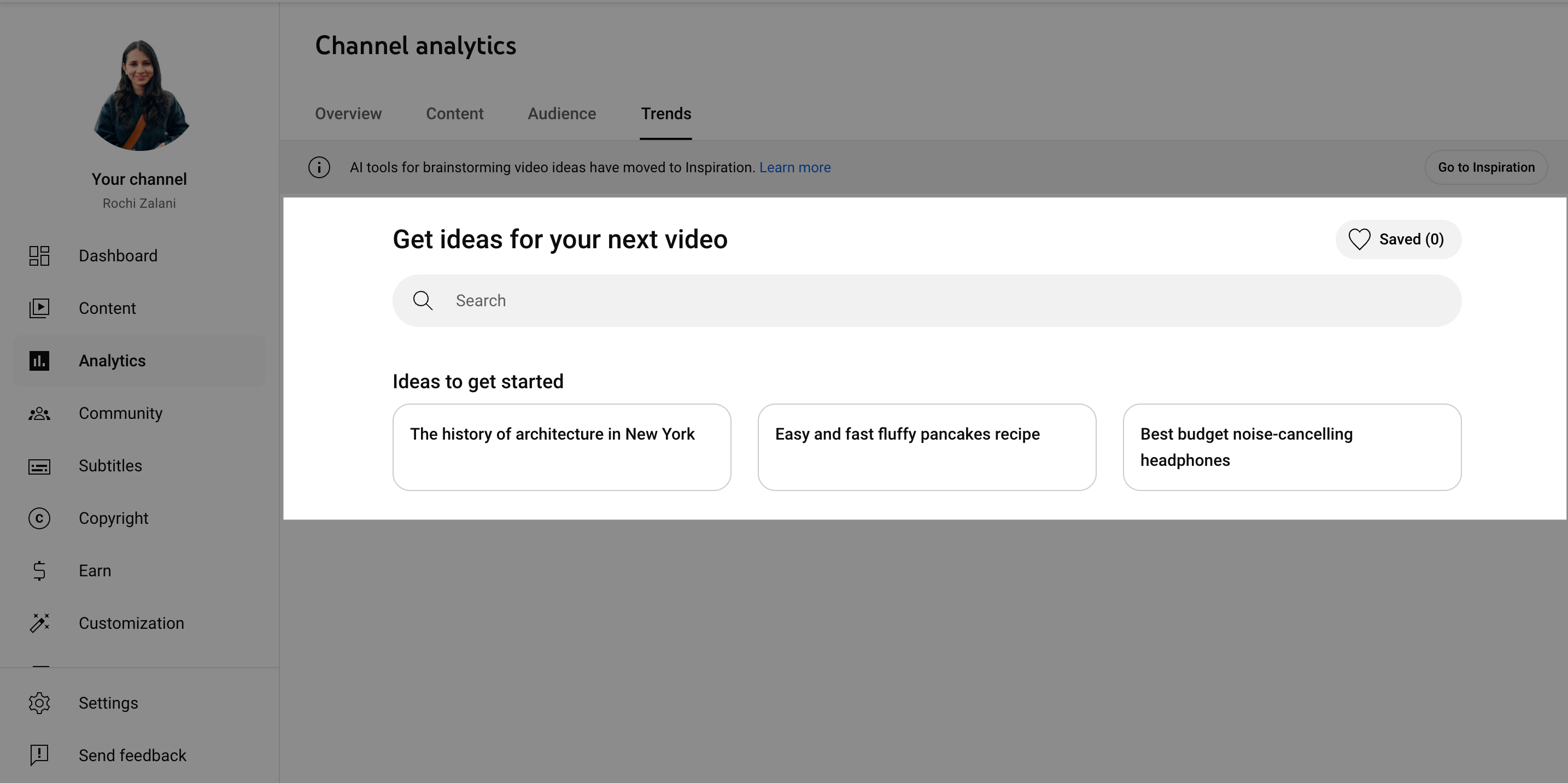
- Analyzing YouTube Studio Trends: Within YouTube Studio’s "Analytics" section, the "Trends" tab offers data-driven insights into audience viewing habits and previously published content performance. While results can vary, this feature directly from YouTube provides inspiration rooted in actual platform engagement. Furthermore, a basic keyword search within YouTube itself reveals popular terms and related videos, indicating areas of high viewer interest.
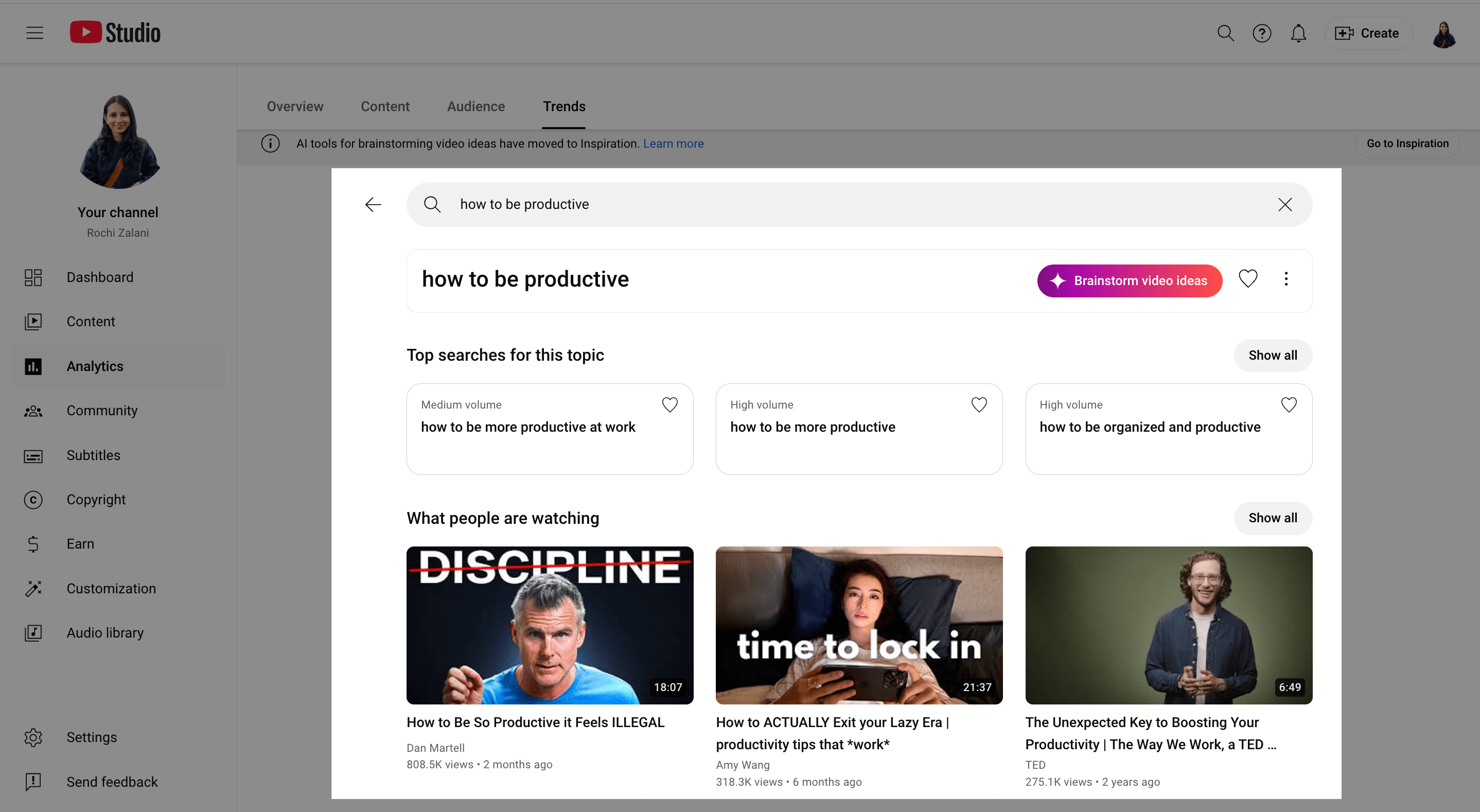
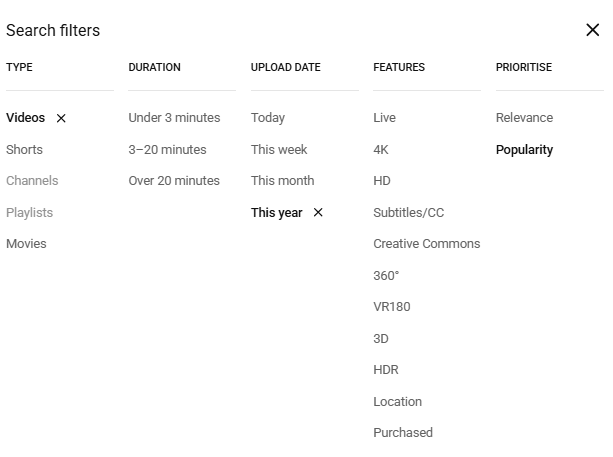
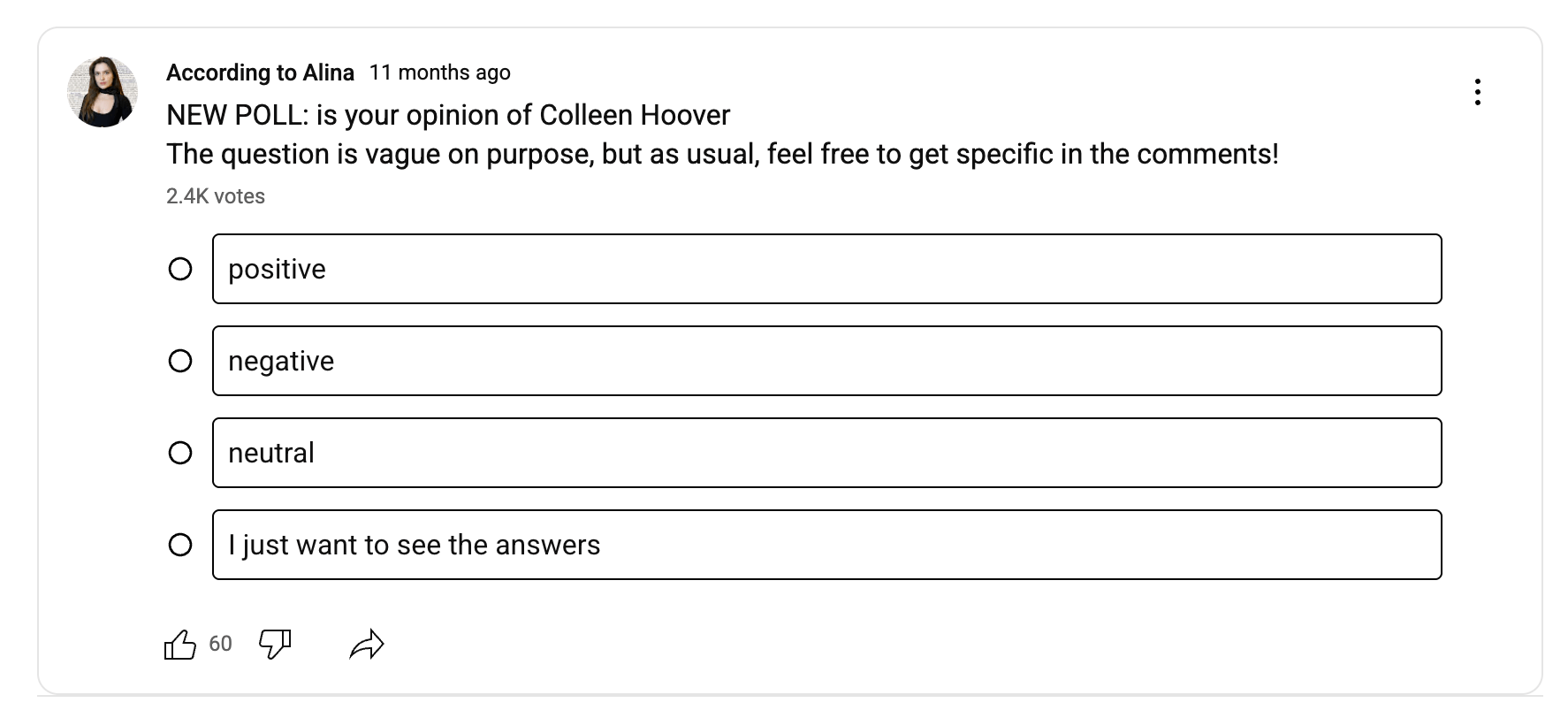
- Mining Comments and Community Posts: Direct feedback from your audience is invaluable. Monitoring comments on your own videos for follow-up questions can inspire new content. For nascent channels lacking substantial comments, a competitor analysis is highly effective. By examining the comment sections of established creators in your niche, one can identify recurring questions and popular topics. The "Popular" tab on a competitor’s channel page highlights their top-performing videos, offering a blueprint for successful content themes that can be adapted and made unique. Jade Beason of Social People Agency advises filtering YouTube search results by recent uploads and observing videos that garner more views than the creator’s subscriber count, indicating algorithmic promotion and a potentially breakout idea. YouTube Community Posts also serve as an excellent testing ground, as demonstrated by YouTuber Alina, who successfully gauged audience interest via a poll before committing to a full video.
B. Cultivating a Unique Differentiator
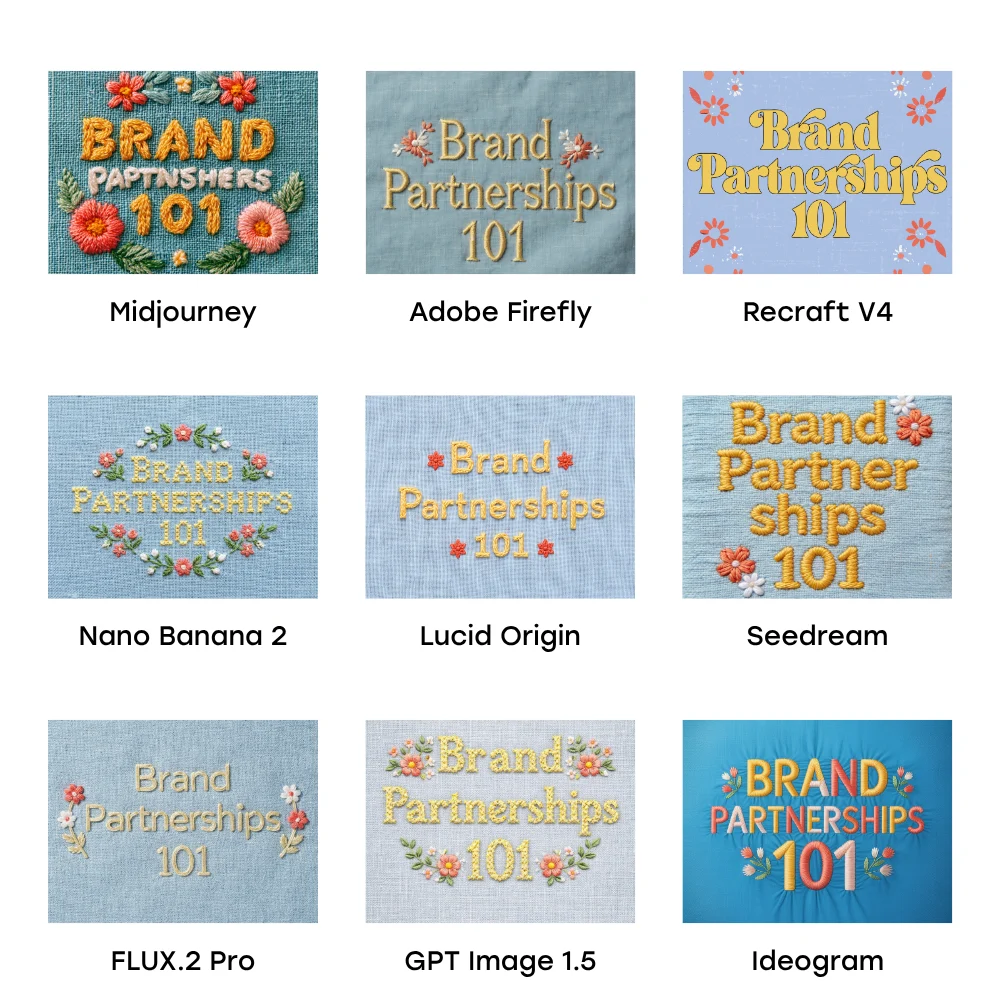
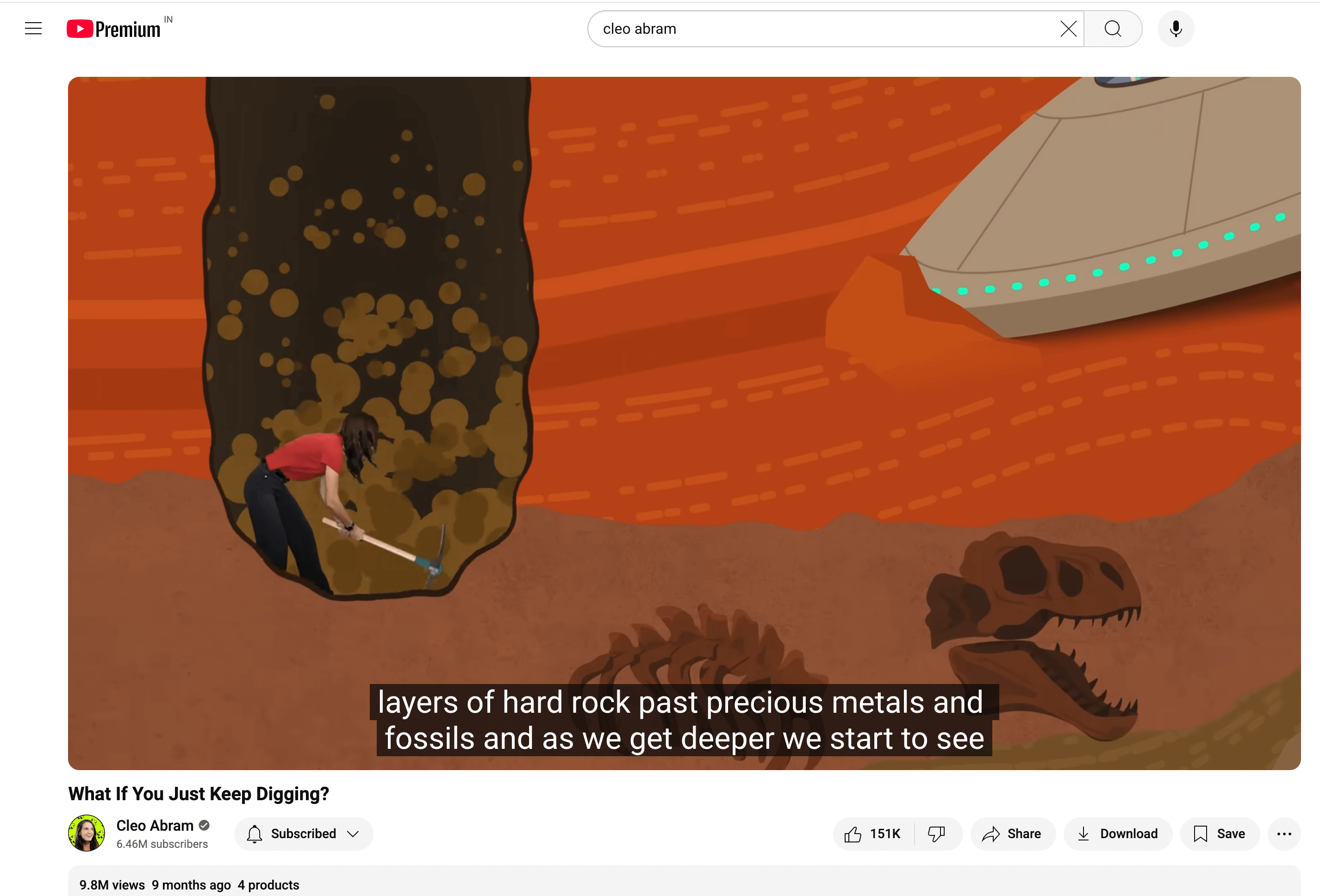
In a crowded digital space, merely identifying popular topics is insufficient; standing out requires a distinct competitive edge. YouTuber Ali Abdaal suggests, "Analyze the market and then find your competitive edge. Think in which domains can you stand out – for example, depth of research, storytelling, editing, relatability, or authenticity." Rene Ritchie, a YouTube employee, echoes this, emphasizing the difficulty of succeeding through mere imitation unless one can deliver significantly superior quality. The key is to uncover and amplify what makes a creator unique. Cleo Abrams, known for her optimistic tech content, exemplifies this with her meticulously researched videos and stunning animations. Another innovative strategy involves adapting successful content formats from adjacent or entirely different niches. Paddy Galloway, a YouTube consultant, highlights how formats from one domain, such as "I tried every X," can be successfully transplanted into another, offering a novel approach to familiar topics.
II. Strategic Content Structuring for Viewer Retention
Beyond individual video concepts, the overarching structure of a YouTube channel significantly influences viewer retention and binge-watching behavior.
A. Developing a "TV Show" Mentality
YouTube’s playlist feature, when utilized strategically, is a powerful tool for encouraging extended viewership. This requires a coherent content plan where videos logically flow from one to another, much like episodes in a television series. Rene Ritchie stresses the power of "viewer journeys," noting that successful channels enable viewers to seamlessly transition from one video to two, three, or four more. Inconsistent content, he argues, is akin to a TV show with disparate episodes. Using the example of a home repair channel, he explains that a series on "how to fix your dishwasher," "best parts for dishwasher repair," and "preventative dishwasher maintenance" creates a natural viewing progression, unlike unrelated topics like washing machine and refrigerator repair.
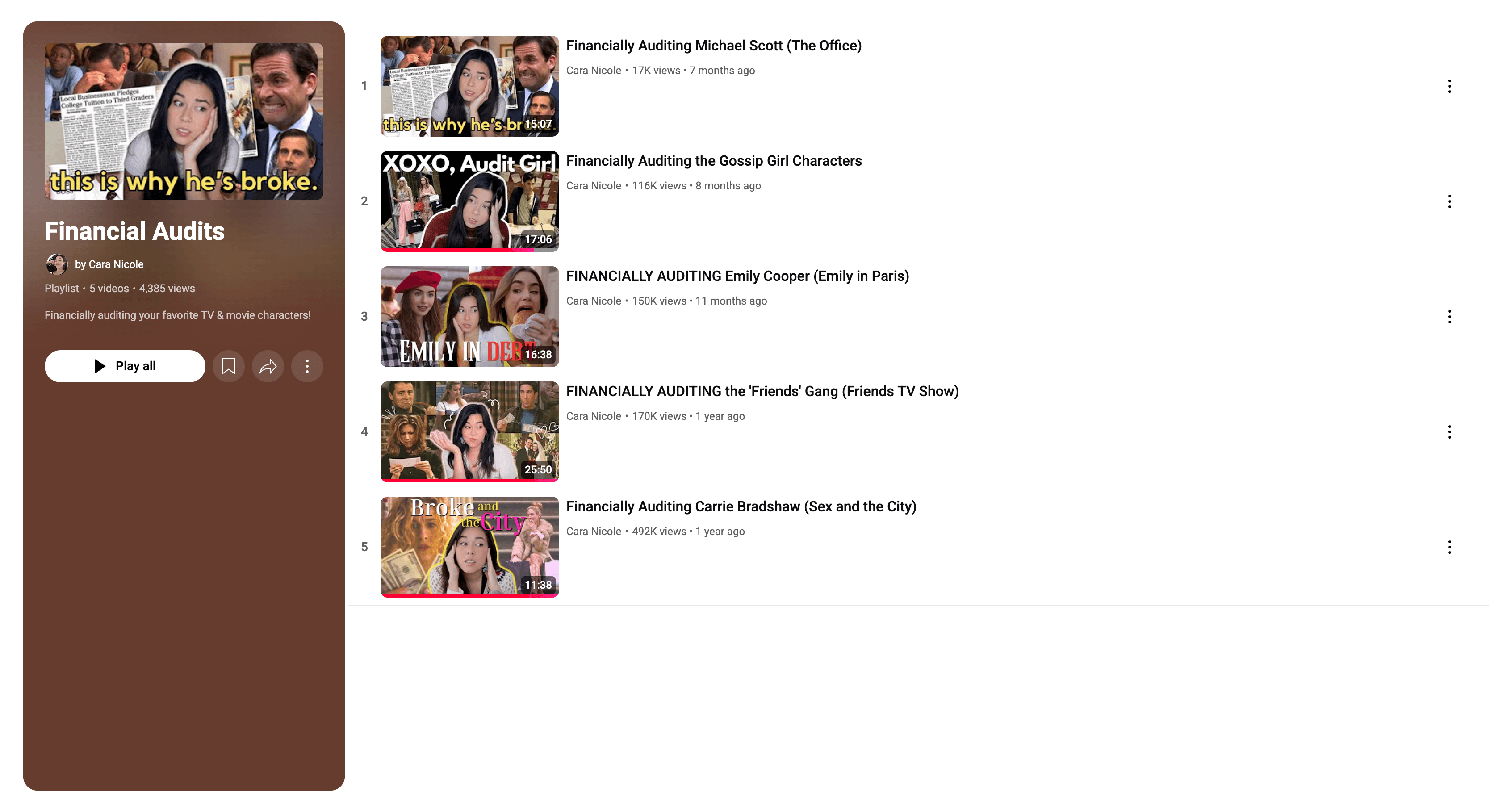
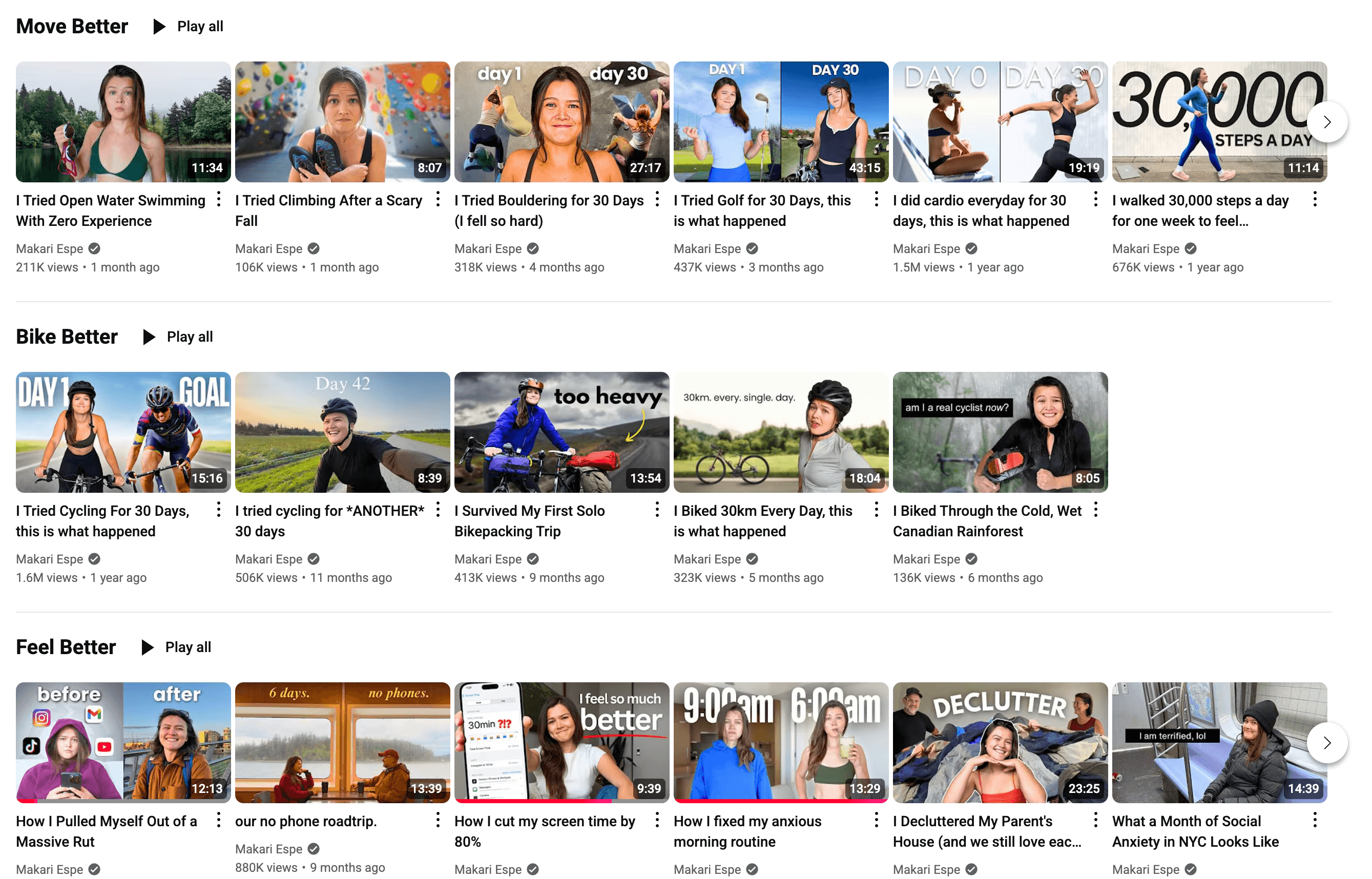
Content series are a proven method for fostering audience loyalty. Cara Nicole’s "financial audit" series captivates viewers by building an arc across multiple character analyses, prompting continuous engagement. Makari Espe’s channel similarly leverages challenge-based playlists, making it difficult for viewers to stop watching once they begin. This episodic approach not only boosts views but also cultivates a dedicated community and attracts more subscribers. Analyzing analytics and comments can reveal which video concepts resonate most, allowing creators to expand successful themes into recurring series.
III. Optimizing for Discovery: Titles, Thumbnails, and SEO
YouTube operates as a "click-and-watch" platform, where viewers actively decide to engage with content based on initial impressions. Unlike autoplay feeds on other social media, a compelling thumbnail and title are critical "hooks" that entice a click.
A. Crafting Irresistible Hooks
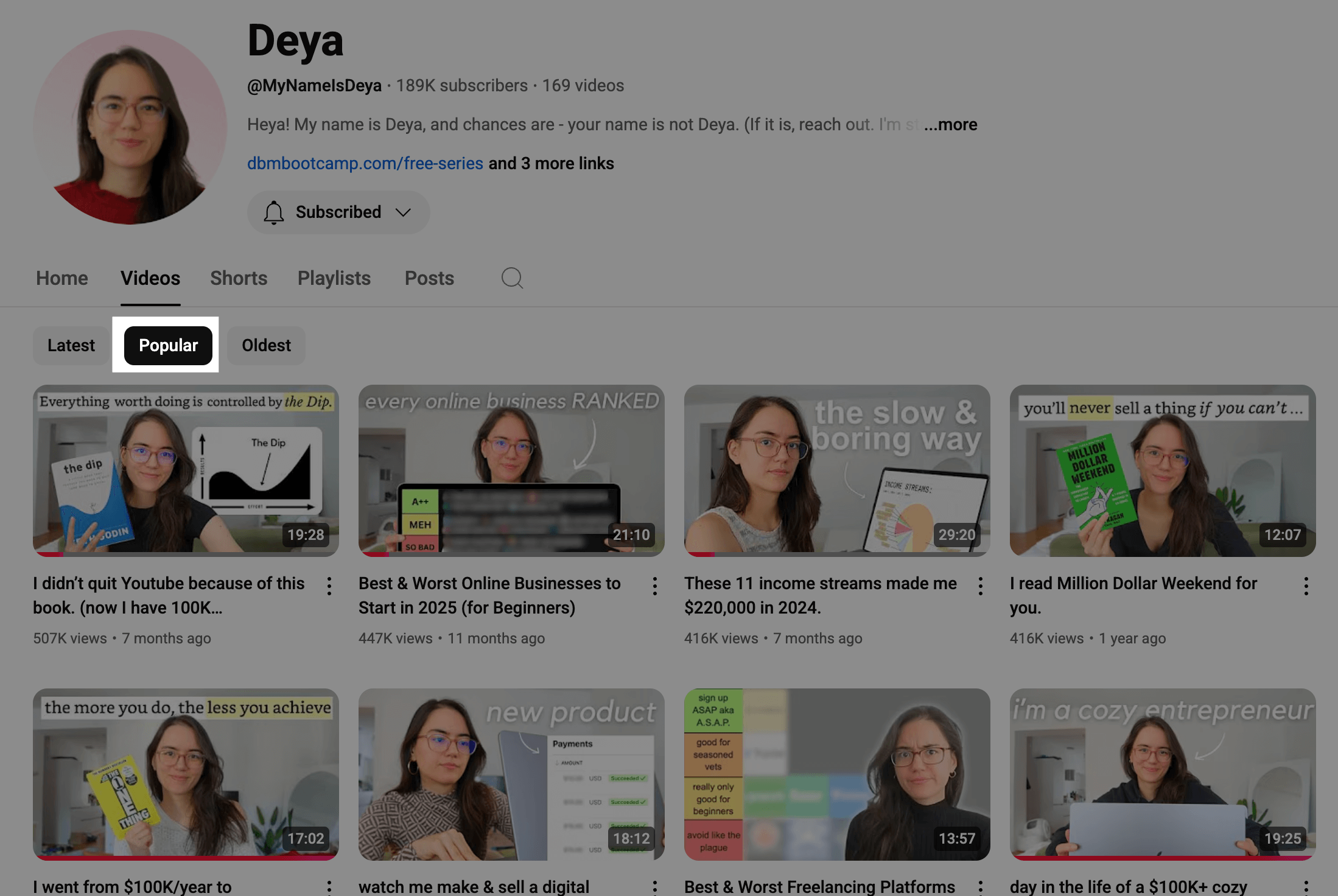
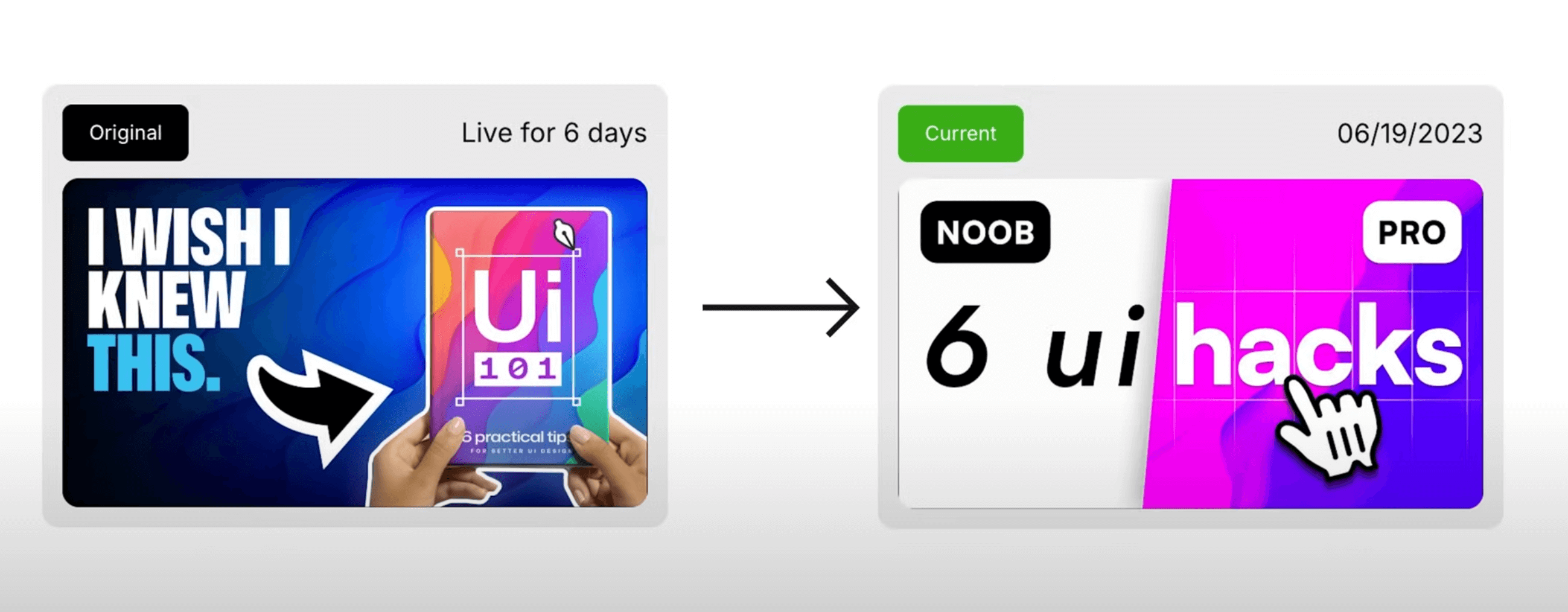
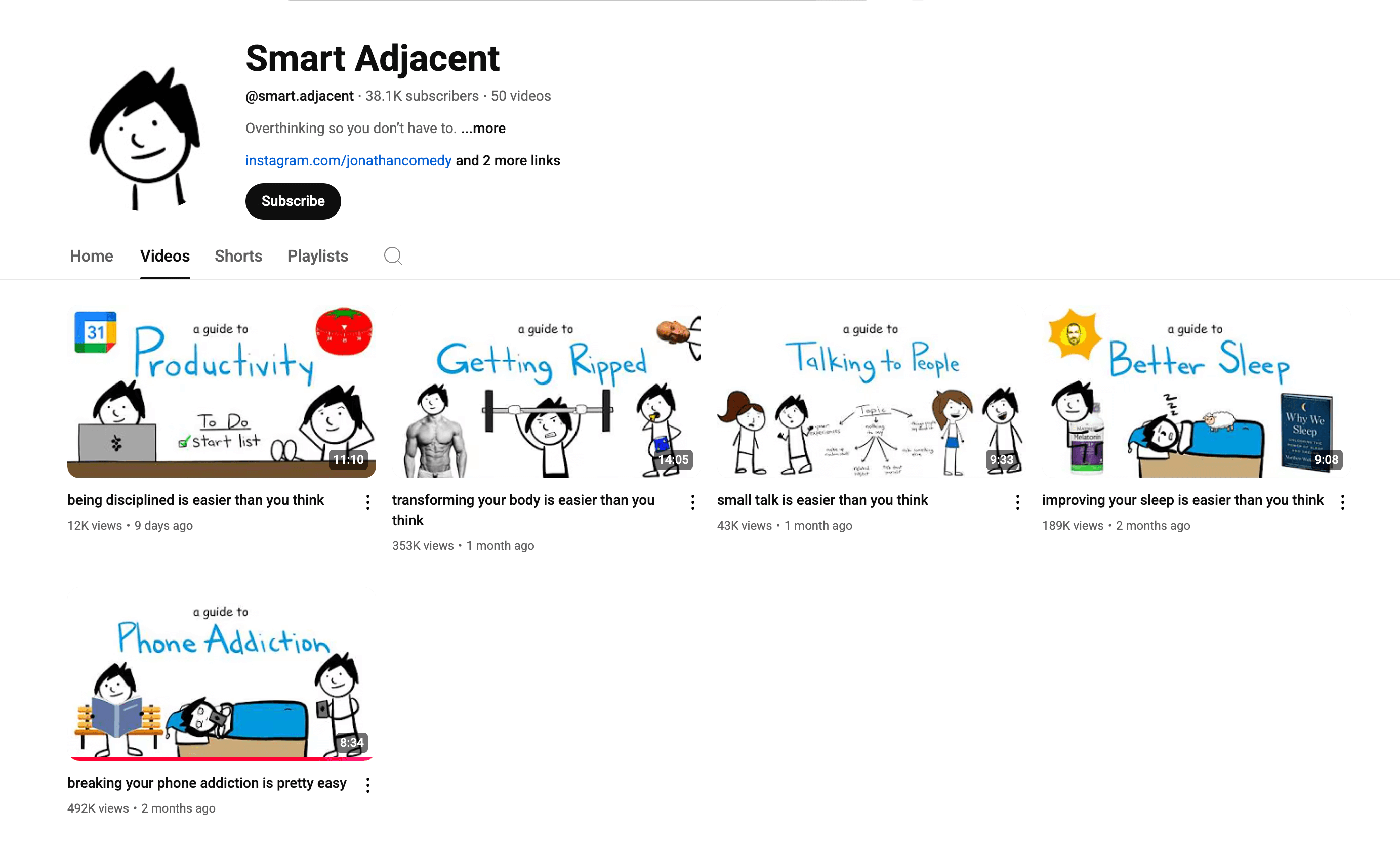
Ali Abdaal underscores the necessity of "sufficiently intriguing" titles and thumbnails. Ryan Hashemi, who managed Jubilee’s YouTube channel to billions of views, asserts that 40% of content creation effort should be dedicated to these elements before shooting. The impact is profound; a simple thumbnail tweak by Paddy Galloway’s team for a client resulted in a 40-fold increase in daily views for a video. Titles should integrate relevant keywords and leverage "curiosity gap" principles. The Smart Adjacent channel, for instance, skillfully combines searchable keywords with intriguing phrasing, encouraging clicks and sustained viewing through its interconnected video series.
B. Mastering YouTube SEO
For new creators, focusing on search engine optimization (SEO) is particularly vital. Jade Beason notes the difficulty of ranking on the YouTube homepage without an established audience, making search optimization a direct route to views. Keyword research is fundamental. Creators must anticipate their audience’s search queries and integrate these terms effectively. YouTube’s auto-fill suggestions in the search bar are a goldmine for long-tail keywords, which are less competitive and often lead to more targeted traffic.
Keywords should be strategically placed in four key areas:
| Placement | Optimization Strategy |
|---|---|
| Video title | Include the primary target keyword naturally and early. |
| Description | Use primary and secondary keywords organically, avoiding stuffing. |
| Video tags | Mix broad niche terms with specific, long-tail keywords. |
| Subtitles | Verbally state keywords to enable YouTube’s AI to index the audio. |
C. Leveraging Trending Topics and Formats
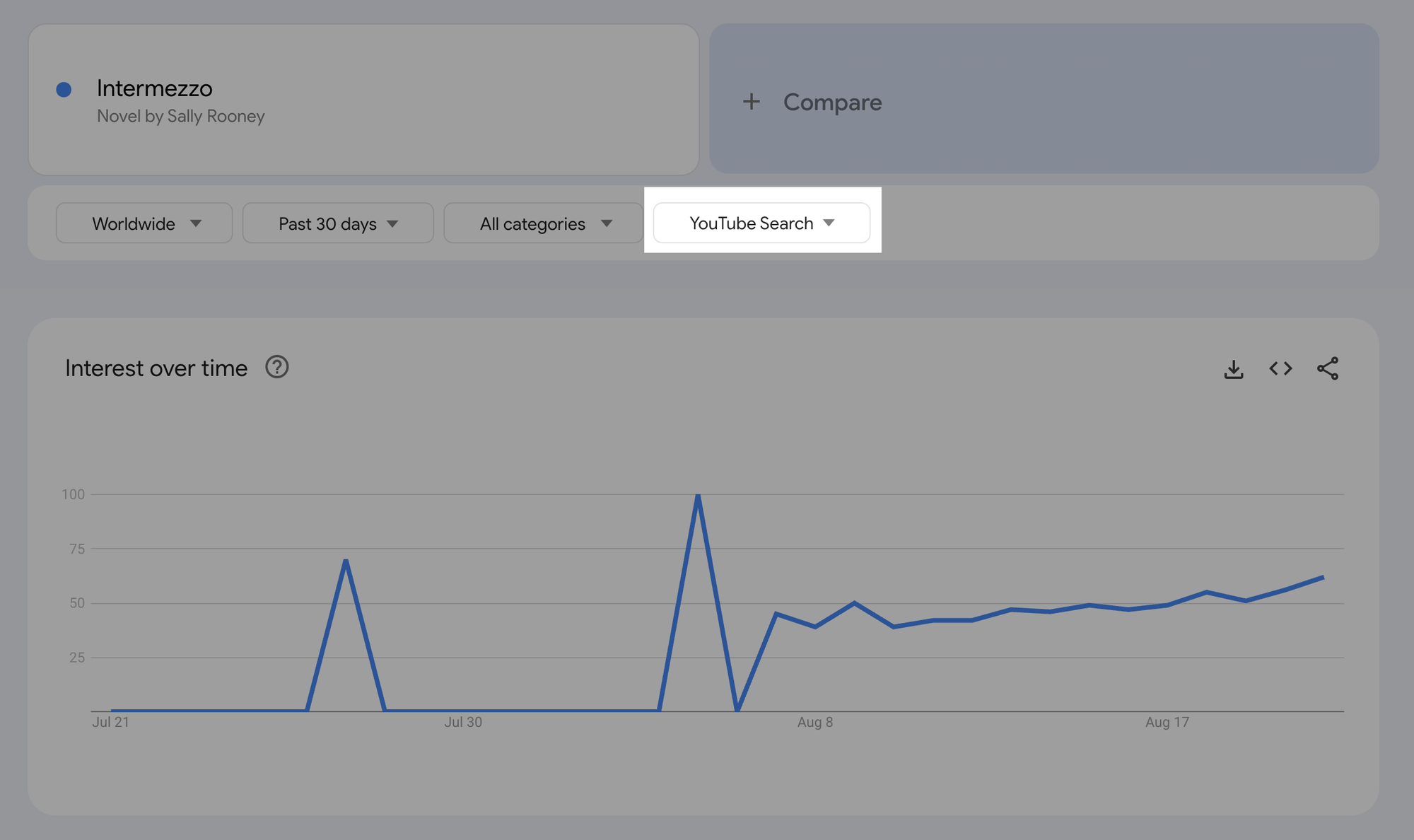
Trending content offers a significant "springboard" for new channels. Cara Nicole explains that attaching content to popular products, news stories, or keywords provides a natural boost when an audience is still unfamiliar with a creator. Google Trends, specifically filtered for "YouTube Search," identifies rising keywords on the platform, allowing creators to capitalize on timely interest.
Beyond individual keywords, certain content formats also gain widespread popularity. Rene Ritchie points to formats like "I tried every X," where an expert reviews a variety of items, as a recurring trend. Creators should observe popular videos in their niche and adapt these formats, rather than merely copying them. Jade Beason warns against imitating established creators without offering unique value; new creators must actively convince viewers of their content’s worth.
Crucially, a balanced content strategy incorporates both trending and evergreen videos. Paul Zalewski of the Fathercraft channel highlights this approach: trending videos act as "entry points" and "growth accelerators," while evergreen content forms a "steady traffic backbone," providing sustained views over years. This mix prevents boom-and-bust cycles and builds a resilient channel.
IV. Multi-Platform Synergy and On-Platform Engagement
Maximizing YouTube viewership extends beyond the platform itself, embracing cross-promotion and internal engagement tools.
A. Cross-Promotion Across Digital Channels
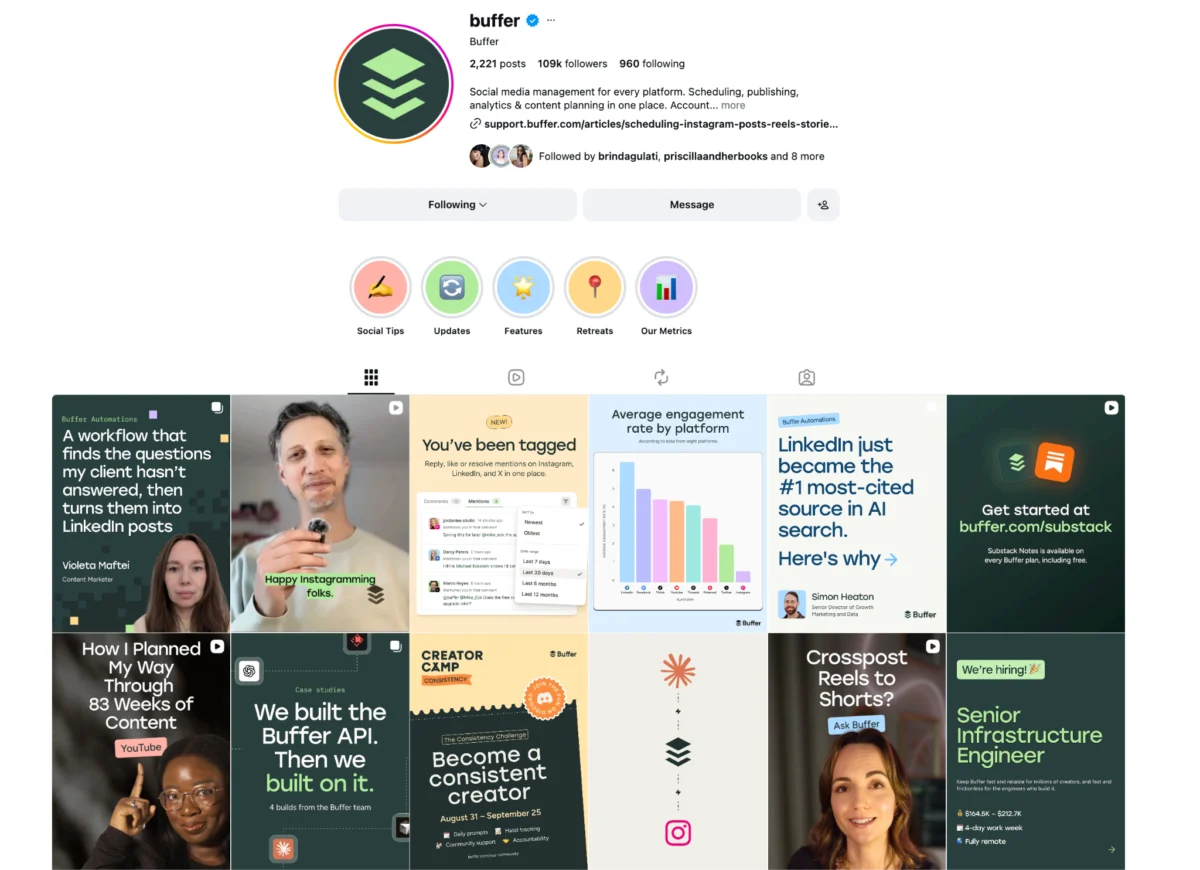
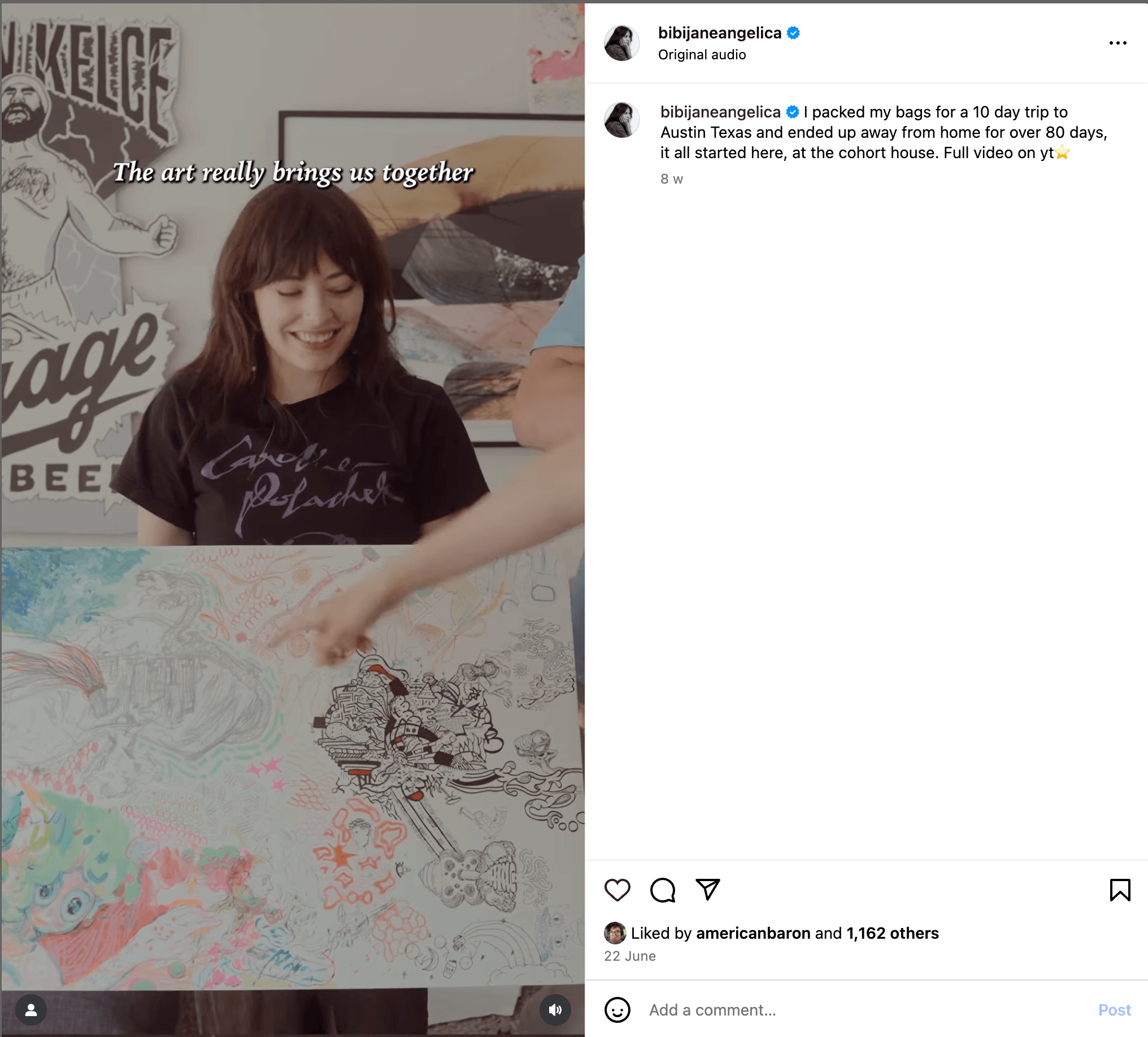
Leveraging an existing presence on other social platforms, such as Instagram or TikTok, is an efficient way to redirect engaged audiences to YouTube. Bibi-Jane Angelica, for example, consistently posts teasers from her full YouTube videos as Instagram Reels. This strategy is not limited to social media; blogs and email newsletters can also effectively promote YouTube content. Tools like Buffer streamline this process, allowing creators to schedule teasers, behind-the-scenes glimpses, or direct links across multiple platforms from a single dashboard.
B. Repurposing for YouTube Shorts
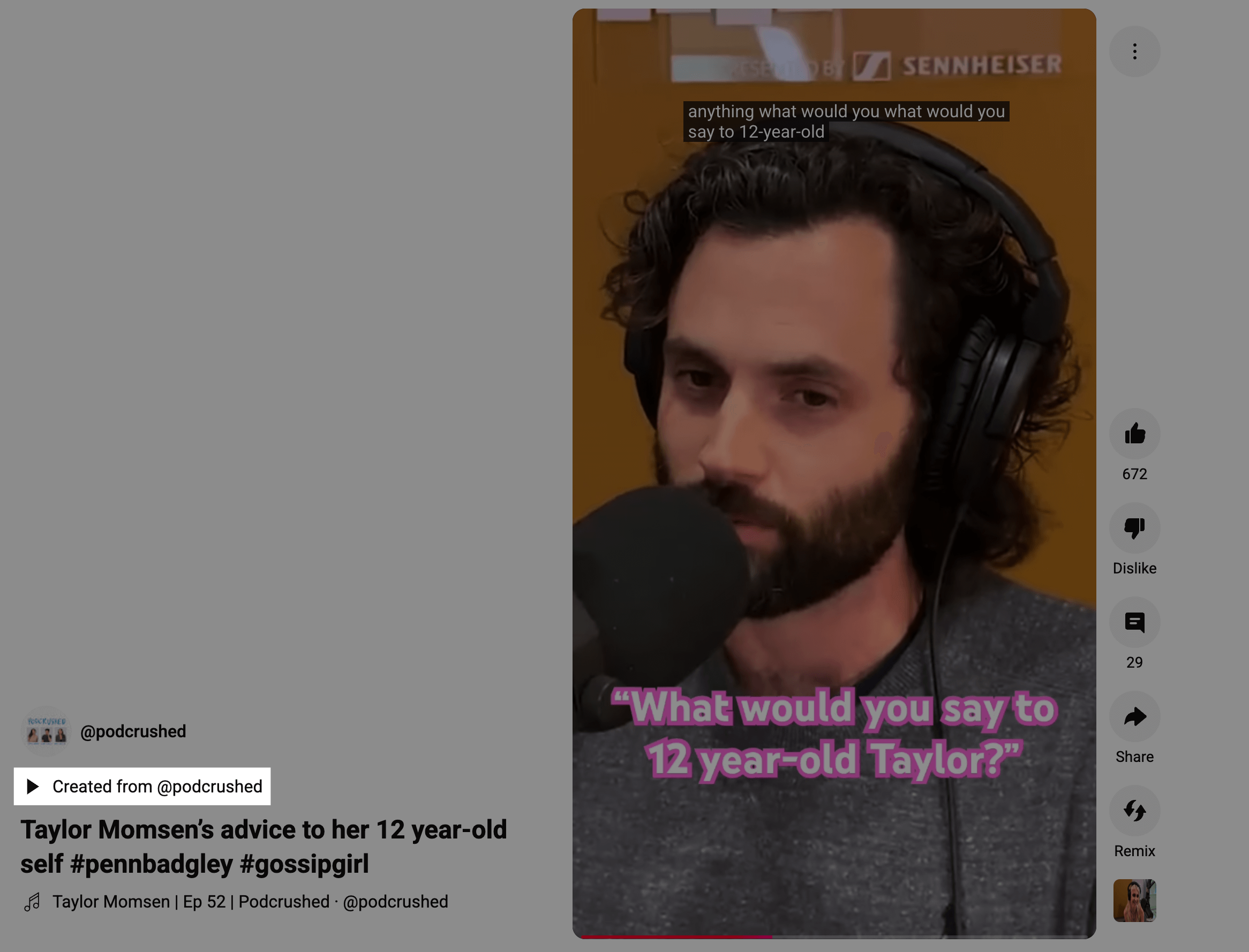
YouTube Shorts have emerged as a powerful discovery tool, attracting viewers who prefer short-form content. Rene Ritchie emphasizes the need to entice viewers from Shorts to long-form videos, acknowledging the significant transition involved. Many podcasts effectively use snippets of conversations as Shorts to pique curiosity and drive traffic to full episodes. These repurposed Shorts can also be distributed across Instagram and TikTok, further extending reach.
Shorts also serve as an invaluable testing ground for long-form ideas. Cleo Abrams uses Shorts to explore concepts, gauge audience reaction through engagement and comments, and determine which topics warrant the significant investment of a full-length video. Adding custom calls-to-action within Shorts, such as "watch the full video to learn more," can significantly enhance their effectiveness in converting short-form viewers into dedicated subscribers.
C. Strategic Collaborations with Other Creators
Collaborations offer a direct pathway to new, relevant audiences. Paul Zalewski advocates for highly targeted partnerships where audience demographics align, prioritizing high subscriber conversion rates. Authentic, value-driven collaborations, rather than mere shout-outs, are most effective. The collaboration between booktubers Haley Pham, Sara Carrolli, and Destiny Sidwell, where they exchanged five-star reads and each posted a unique video, exemplifies a successful, engaging partnership. Collaborations can be remote, with creators shooting segments separately and stitching them together, maintaining authenticity and creativity.
Identifying collaboration partners can involve:
- Searching YouTube for "channels like [yours]" or "creators in [your niche]."
- Attending industry events or online creator communities.
- Analyzing channels that your audience also watches.
- Directly reaching out to creators with a shared audience size and complementary content.
D. Utilizing YouTube Cards and End Screens
YouTube’s built-in features, Cards and End Screens, are essential for guiding viewers to more content within your channel. Cards appear midway through a video, offering timely recommendations, while End Screens appear at the video’s conclusion. These elements reinforce the "TV show" concept, fostering a cohesive viewing experience and increasing overall watch time by directing viewers to related videos or playlists.
V. Data-Driven Refinement and Long-Term Vision
Sustainable YouTube growth is predicated on continuous analysis and a commitment to the long game.
A. Analyzing YouTube Analytics for Performance Insights
YouTube Analytics provides a rich trove of data crucial for performance improvement. Key metrics to monitor include:
- Click-Through Rate (CTR): Indicates how often viewers click your thumbnail and title when presented with it.
- Audience Retention: Shows at what points viewers drop off, highlighting areas for content or editing improvement.
- Watch Time: A primary ranking factor for YouTube’s algorithm, indicating overall viewer engagement.
- Traffic Sources: Reveals where your views originate (e.g., search, suggested videos, external sources).
- Demographics: Helps refine understanding of your core audience.
For creators managing multiple platforms, tools like Buffer can consolidate analytics, offering a holistic view of digital performance without the need to toggle between various dashboards.
B. Optimizing Posting Schedules
Posting videos when your target audience is most active significantly boosts initial viewership. Research indicates distinct optimal times for long-form videos and YouTube Shorts. Long-form content generally performs best in the mornings, typically between 8 a.m. and 11 a.m., with Sundays, Tuesdays, and Mondays being peak days. Conversely, YouTube Shorts engagement often peaks in the evenings, from 6 p.m. to 11 p.m., with Fridays, Saturdays, and Thursdays yielding the highest engagement. While these are general trends, individual channel data from YouTube Studio’s "Audience" tab, specifically "When your viewers are on YouTube," provides the most accurate and personalized posting schedule. Scheduling tools like Buffer ensure consistent uploads during these peak windows.
C. Embracing the Long-Term Perspective
Growing a YouTube channel demands considerable patience and consistency. Ryan Hashemi succinctly states, "YouTube isn’t something you dip a toe into. It rewards consistency and compounds significantly over time." Unlike platforms that offer quicker, ephemeral wins, YouTube’s long-form content has an extended shelf life, garnering views for months or even years. The platform functions as both a social network and a search engine, ensuring that evergreen content continues to attract audiences long after its initial publication. This compounding effect means that early efforts, though slow to yield results, contribute to exponential growth over time. While the journey may be challenging, utilizing tools like YouTube Shorts for immediate engagement and consistent uploading, supported by scheduling platforms like Buffer, helps maintain momentum and build a robust, enduring presence.
Implications for the Creator Economy
The strategies outlined underscore a significant trend in the creator economy: success on YouTube in 2026 is less about viral luck and more about strategic planning, deep audience understanding, and consistent execution. As the platform matures, creators who treat their channels as sustainable media enterprises, rather than casual hobbies, are poised for long-term success. The integration of AI in content indexing, the increasing importance of multi-format content (Shorts alongside long-form), and the continued emphasis on authentic community engagement reflect YouTube’s commitment to evolving its ecosystem. Creators who adapt to these shifts, prioritize viewer value, and continuously analyze their performance will not only accumulate views but also build loyal communities and unlock diverse monetization opportunities within this dynamic digital landscape.