Muhammad Hendra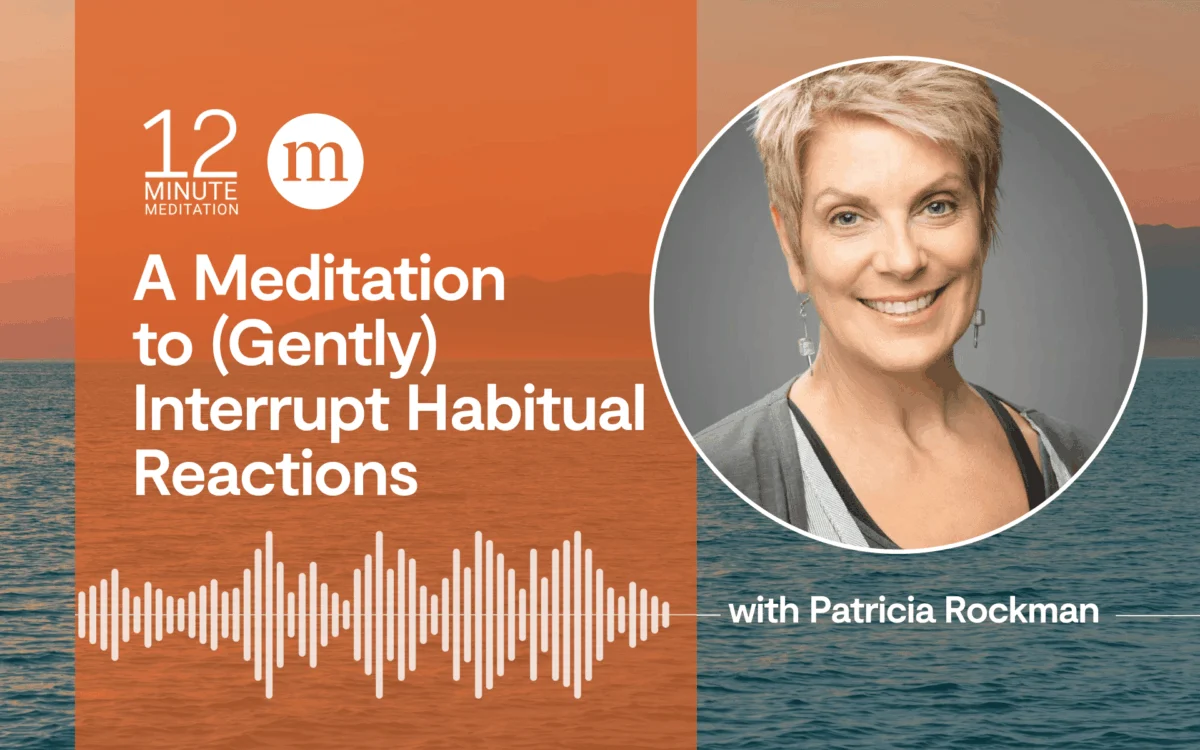
In the intricate tapestry of modern existence, individuals frequently encounter a myriad of stimuli that trigger automatic, often unexamined, reactions. From minor daily inconveniences—such as unexpected delays in transit, digital communication glitches, or the persistent drone of background noise—to more significant interpersonal frustrations and professional setbacks, the human experience is replete with moments capable of eliciting an immediate, almost scripted, emotional and behavioral response. These reflexive reactions, often characterized by annoyance, anger, frustration, or disappointment, frequently manifest without conscious deliberation, leaving individuals feeling disempowered and their actions misaligned with their deeper values. A growing body of psychological and neurological research points to the profound impact of these habitual responses on mental well-being, interpersonal relationships, and overall life satisfaction. Addressing this pervasive challenge, contemporary mindfulness practices offer a scientifically validated framework for cultivating greater awareness and agency, enabling individuals to transition from automatic reactivity to considered, intentional responses.
Understanding the Neuroscience of Reactivity
The human brain is remarkably adept at pattern recognition and rapid response, a survival mechanism honed over millennia. When confronted with perceived threats or stressors, the amygdala, a small almond-shaped structure deep within the limbic system, plays a crucial role in initiating the ‘fight-or-flight-or-freeze’ response. This primal reaction bypasses the slower, more analytical processing of the prefrontal cortex, leading to instantaneous emotional and physiological shifts. While invaluable in acute survival situations, this system can become overactive in the context of modern stressors, treating a minor traffic jam or a frustrating customer service call with the same urgency as a genuine physical threat. Over time, repeated exposure to certain triggers followed by specific reactions can engrain neural pathways, forming deeply entrenched habits. These neural circuits, once established, make it incredibly efficient for the brain to default to the familiar reactive pattern, even when a more measured response would be beneficial. This explains why an individual might consistently react with irritation to a particular coworker’s habit or with despair to a perceived failure, almost as if operating from a pre-programmed script.
Research from institutions like the University of Wisconsin-Madison’s Center for Healthy Minds has extensively documented the neural correlates of emotional regulation and the impact of mindfulness training on these pathways. Studies utilizing functional magnetic resonance imaging (fMRI) have shown that experienced meditators exhibit decreased amygdala activation in response to emotional stimuli and increased activity in the prefrontal cortex, indicating enhanced executive control over emotional responses. This neurobiological understanding provides a compelling foundation for the efficacy of mindfulness in altering reactive patterns. The prefrontal cortex, responsible for higher-order cognitive functions such as planning, decision-making, and self-regulation, is strengthened through mindfulness practice, allowing it to exert greater influence over the more primitive emotional responses generated by the amygdala. This shift in neural dominance enables individuals to process information more calmly and rationally, fostering a deliberate pause before reacting.
Mindfulness as a Strategic Intervention: Creating the "Pause"
Mindfulness, often defined as paying attention in a particular way: on purpose, in the present moment, and non-judgmentally, serves as a powerful antidote to reflexive reactivity. It is not about suppressing emotions or denying the reality of challenging situations, but rather about cultivating a space between the stimulus and the response. This ‘space’ is where agency resides. Instead of the instantaneous amygdala-driven reaction, mindfulness trains the mind to observe the rising sensation of irritation, anger, or disappointment without immediately acting upon it. This observation, free from judgment, allows for a crucial pause, during which the more rational and deliberate prefrontal cortex can engage.
The practice involves bringing conscious awareness to the breath, bodily sensations, thoughts, and emotions as they arise, acknowledging their presence without getting entangled in their narrative or feeling compelled to react. This deliberate cultivation of present-moment awareness weakens the automatic link between trigger and reaction. For instance, when stuck in traffic, instead of the habitual surge of anger and horn-honking, a mindful individual might notice the tension in their shoulders, the heat in their chest, and the thought "This is so frustrating"—all without immediately externalizing that frustration. This internal observation creates an opportunity to choose a different response, perhaps deep breathing, reframing the situation, or simply accepting the present reality. The commitment to such an internal observation, even for a few seconds, can fundamentally alter the trajectory of a potentially disruptive interaction or an internal emotional storm.
The Mechanisms of Mindful Response
The efficacy of mindfulness in interrupting habitual reactions stems from several key psychological mechanisms. Firstly, it enhances metacognition, the ability to think about one’s own thinking. By stepping back and observing thoughts and emotions, individuals gain insight into their patterns of reactivity, recognizing the ‘script’ they often follow. This meta-awareness is the first step toward disengagement from automatic processes. Secondly, it fosters emotional regulation. Rather than being overwhelmed by intense emotions, mindfulness teaches individuals to acknowledge and tolerate these feelings, reducing their intensity and duration. A 2015 meta-analysis published in JAMA Internal Medicine reviewed 47 trials with 3,515 participants, concluding that mindfulness meditation programs showed moderate evidence of improving anxiety, depression, and pain. While not directly focused on reactivity, these findings underpin the broader emotional resilience cultivated by mindfulness.
Thirdly, mindfulness promotes cognitive flexibility, allowing individuals to consider alternative perspectives and responses rather than being locked into a single, automatic one. This flexibility is crucial for adapting to unexpected circumstances and navigating complex social interactions more skillfully. For example, instead of immediately interpreting a critical comment as a personal attack, a mindful individual might consider alternative interpretations or the speaker’s own potential stressors. Finally, through repeated practice, mindfulness can lead to neuroplastic changes in the brain, strengthening neural pathways associated with self-regulation, empathy, and positive emotional states, while potentially weakening those linked to habitual negative reactivity. This structural and functional remodeling of the brain provides a durable foundation for sustained behavioral change and emotional stability.
Expert Guidance: Patricia Rockman’s Approach to Interrupting Habits
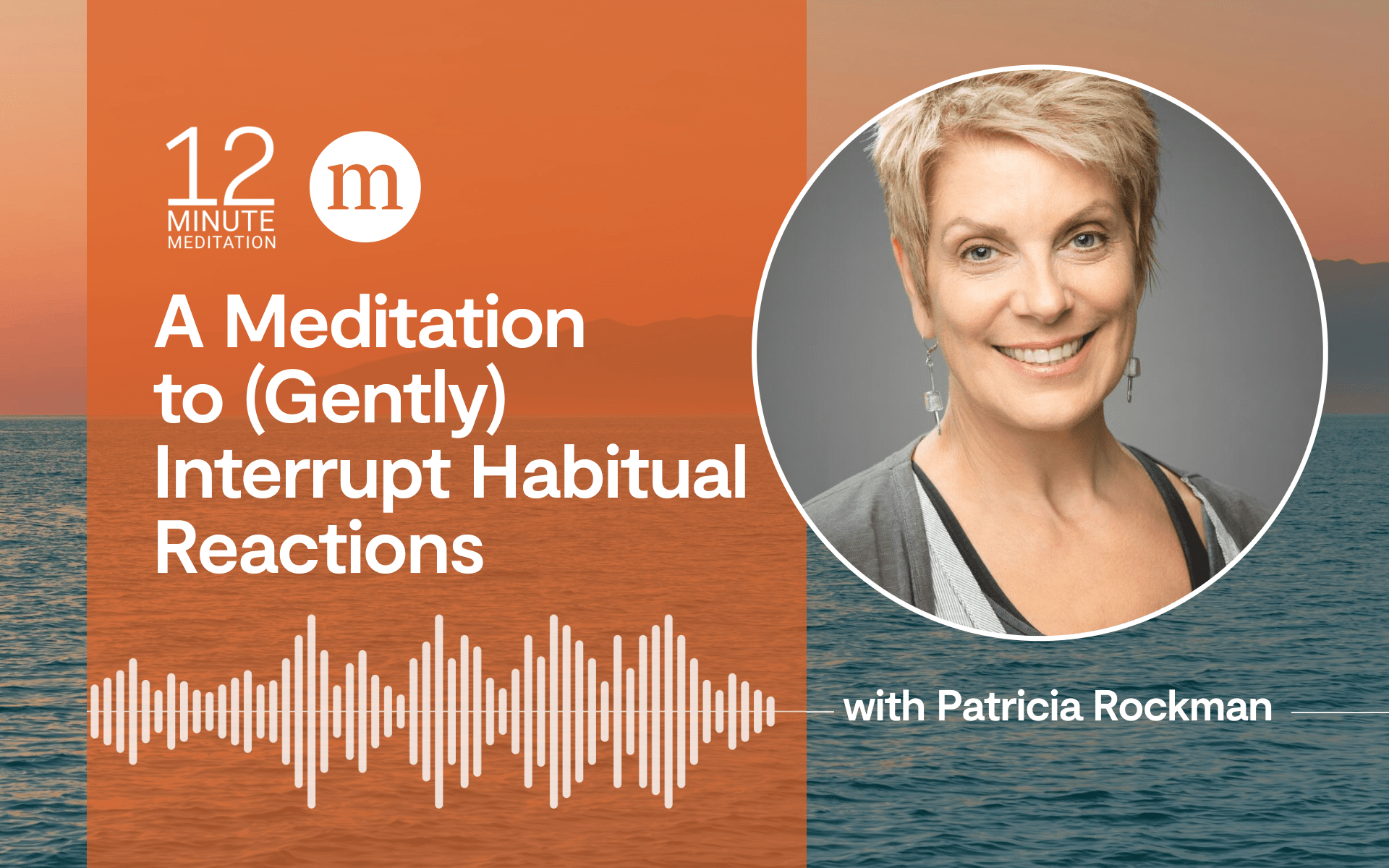
Leading experts in the field of mindfulness and mental health emphasize the practical application of these principles in daily life. Dr. Patricia Rockman, a distinguished family physician with a specialized practice in mental health and the Senior Director of Education and Clinical Services at the Centre for Mindfulness Studies in Toronto, exemplifies this integrative approach. Her extensive background in individual psychotherapy, group therapy, Cognitive Behavioral Therapy (CBT), and mindfulness-based interventions positions her as a pivotal figure in translating complex psychological concepts into accessible practices. Dr. Rockman is also an associate professor at the University of Toronto, Department of Family Medicine, cross-appointed to Psychiatry, further solidifying her academic and clinical credibility. Her insights are grounded not only in theoretical understanding but also in years of direct patient care and professional training.
Dr. Rockman’s guidance, as highlighted in her meditative practices, centers on meeting "whatever is arising" with gentle attention. This methodology is not about forcing a change in reaction but rather cultivating an open, curious stance toward internal experiences. Her approach encourages individuals to identify specific habitual reactions—whether it’s anger stemming from traffic delays, sadness from unmet expectations, or frustration during prolonged customer service waits—and to consciously bring mindful attention to these moments. By committing to this practice, even in small increments (e.g., once a week or once a day), individuals can gradually weaken the grip of automatic responses. Dr. Rockman’s work aligns with the broader movement of integrating evidence-based mindfulness into mainstream healthcare, acknowledging its potential to enhance patient agency and foster more skillful coping mechanisms for everyday stressors. Her emphasis on "gentle interruption" underscores the compassionate nature of mindfulness, recognizing that transforming ingrained habits requires patience and self-kindness, rather than self-criticism.
Integrating Mindfulness into Daily Life
The true power of mindfulness lies in its portability and adaptability. As Dr. Rockman often underscores, "awareness is always a moment away, and mindfulness is portable it can be with us wherever we are, in any moment, at any time." This principle liberates mindfulness from formal meditation cushions, extending its reach into every facet of daily existence. Individuals are encouraged to make a personal commitment to integrating mindful attention into challenging situations. This could manifest as simply noticing the breath when irritation begins to surface, consciously shifting an unhelpful attitude, or deliberately choosing a different behavior than the habitual one. For instance, instead of immediately engaging in an argument, one might choose to take a deep breath and observe the urge to respond defensively. In professional settings, this translates to more considered decision-making under pressure, improved conflict resolution, and enhanced emotional intelligence.
The consistent, albeit small, application of mindful attention builds mental resilience, allowing individuals to navigate life’s inevitable inconveniences and disappointments with greater equanimity and less emotional turbulence. This incremental approach fosters a gradual but profound transformation, shifting the default mode from reflexive reaction to intentional response. It transforms mundane moments into opportunities for practice, strengthening the neural pathways for conscious choice. This could involve mindful eating to disrupt habitual overeating, mindful walking to break from automatic rumination, or mindful listening to interrupt patterns of defensive communication. The cumulative effect of these small acts of awareness is a significant enhancement in personal well-being and a greater sense of control over one’s internal landscape.
The Broader Landscape: Scientific Validation and Adoption
The widespread adoption of mindfulness practices in contemporary society is not merely a cultural trend but is firmly rooted in decades of scientific inquiry and clinical validation. While practices akin to mindfulness have existed for millennia in various spiritual traditions, their systematic integration into Western psychological and medical frameworks began significantly in the late 20th century. A pivotal moment was the establishment of the Mindfulness-Based Stress Reduction (MBSR) program by Dr. Jon Kabat-Zinn at the University of Massachusetts Medical School in 1979. Originally designed for patients with chronic pain and stress, MBSR demonstrated remarkable efficacy, paving the way for numerous adaptations, including Mindfulness-Based Cognitive Therapy (MBCT) for depression relapse prevention.
Today, these programs are offered globally, reflecting a growing consensus within the medical and psychological communities regarding their therapeutic benefits. Research published in journals such as Psychological Bulletin and Clinical Psychology Review consistently highlights mindfulness’s positive impact on various mental health indicators. For example, a 2014 study published in Health Psychology found that mindfulness training could significantly reduce perceived stress and improve coping skills among adults. The National Institutes of Health (NIH) in the United States has increasingly funded research into mindfulness, recognizing its potential as a cost-effective and accessible intervention for a range of conditions, from anxiety disorders to cardiovascular health. This historical trajectory, from ancient wisdom to modern scientific validation, underscores the enduring power and practical relevance of mindfulness.
Quantifiable Benefits: Data Supporting Mindfulness
Beyond anecdotal evidence, a robust body of scientific literature quantifies the benefits of mindfulness in mitigating habitual reactivity and fostering emotional well-being. A study from Carnegie Mellon University, for instance, showed that just 25 minutes of mindfulness meditation for three consecutive days was enough to alleviate perceived stress. Participants demonstrated improved attentional control and reduced negative affect in response to a public speaking task, indicating enhanced resilience to social stressors. Furthermore, the economic impact of unchecked stress and reactivity is substantial. The American Psychological Association’s annual ‘Stress in America’ survey consistently reports high levels of stress among adults, with significant percentages attributing it to daily hassles and interpersonal conflicts. This stress contributes to an estimated $300 billion annually in healthcare costs and lost productivity in the U.S. alone.
Mindfulness interventions, by enhancing emotional regulation and reducing stress, offer a preventative strategy that can yield significant returns on investment in public health and organizational productivity. Corporations like Google, Apple, and numerous others have integrated mindfulness programs into their employee wellness initiatives, reporting benefits such as improved focus, reduced burnout, enhanced team cohesion, and better leadership capabilities. Educational institutions are also increasingly incorporating mindfulness curricula to help students develop emotional resilience, manage academic pressures, and improve social-emotional learning. A meta-analysis of school-based mindfulness programs, published in the Journal of Child and Family Studies, indicated positive effects on cognitive performance, emotional regulation, and psychological distress among children and adolescents. This widespread adoption across diverse sectors underscores the practical and measurable advantages of cultivating mindful awareness, demonstrating its capacity to address critical challenges in modern society.
Implications for Personal Well-being and Societal Resilience
The implications of cultivating intentional responses extend far beyond individual well-being. On a personal level, reducing habitual reactivity leads to stronger, more authentic interpersonal relationships, as individuals are less likely to lash out in anger or withdraw in resentment. It fosters a greater sense of self-control and personal agency, empowering individuals to navigate life’s challenges with composure rather than being tossed by emotional currents. Individuals report improved sleep quality, reduced chronic pain, and an overall enhanced sense of life satisfaction. The ability to observe and choose one’s response also cultivates greater empathy and compassion, both for oneself and for others, leading to a more profound connection with the world.
In a societal context, a population equipped with the tools to respond mindfully rather than react impulsively could contribute to a more compassionate, understanding, and ultimately, more resilient community. Imagine workplaces where conflicts are approached with thoughtful consideration, educational environments where students manage stress effectively, and political discourse characterized by reflective engagement rather than immediate, often aggressive, partisan reactions. While these are aspirational outcomes, the consistent practice of mindfulness, as advocated by experts like Dr. Rockman, represents a tangible step toward building such a future. It is a commitment to personal growth that collectively elevates the human experience, fostering environments where clarity, empathy, and wisdom can flourish. Furthermore, in an increasingly complex and interconnected world, the capacity for non-reactive, mindful decision-making becomes paramount for addressing global challenges, from climate change to social inequality, requiring collective wisdom over impulsive action.
In conclusion, the journey from reflexive reactivity to intentional responsiveness is a cornerstone of psychological maturation and enhanced well-being in the 21st century. Daily life’s myriad irritations, from minor inconveniences to significant disappointments, often trigger ingrained behavioral scripts that can diminish our agency and compromise our peace of mind. However, through the disciplined yet gentle practice of mindfulness, as guided by experienced practitioners like Dr. Patricia Rockman, individuals can cultivate the critical space needed to interrupt these habitual patterns. By bringing conscious, non-judgmental attention to the present moment—to thoughts, emotions, and bodily sensations—we can gradually rewire our neural pathways, strengthening our capacity for emotional regulation and considered action. The scientific validation of mindfulness, coupled with its increasing integration across healthcare, education, and corporate sectors, underscores its profound potential. It is a portable skill, accessible at any time and in any place, offering a pathway to greater awareness, deeper resilience, and a life lived with more intention and less automatic reaction. Embracing this practice is not merely about managing stress; it is about reclaiming autonomy over one’s inner landscape and fostering a more skillful, compassionate engagement with the world.