Muhammad Hendra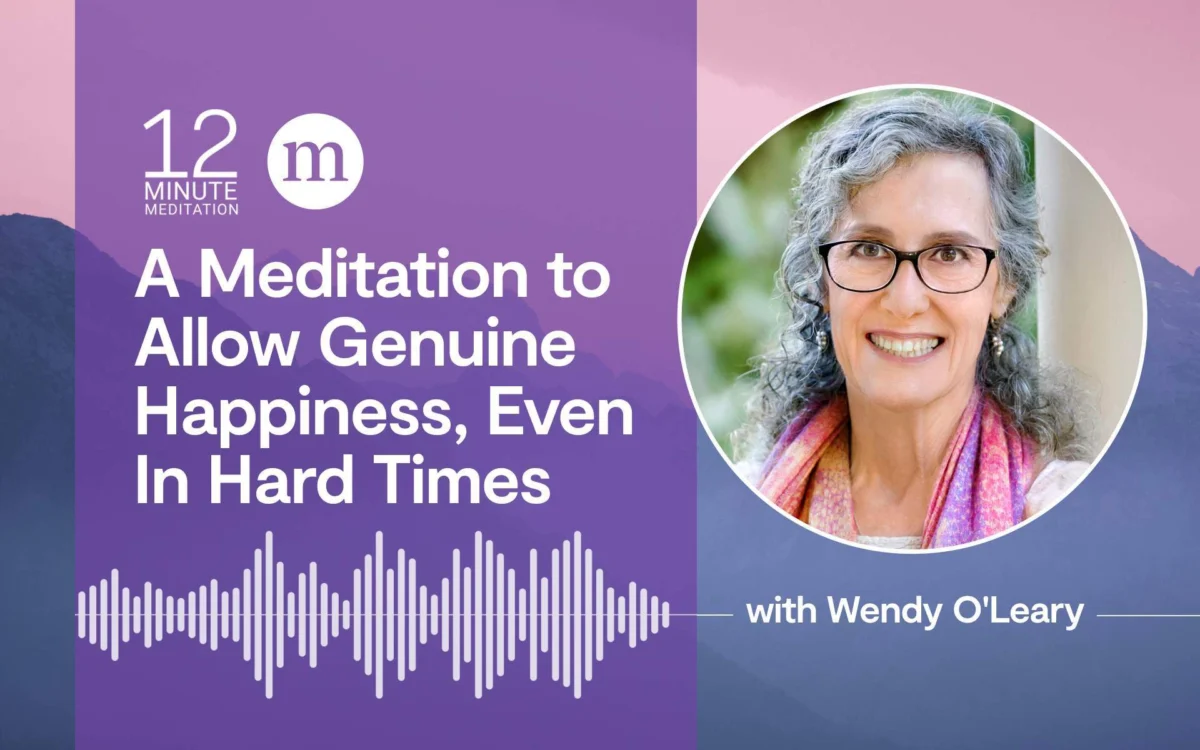
Accessing real happiness when grappling with personal or global struggles often appears counterintuitive, yet a growing body of scientific evidence and expert consensus underscores its pivotal role in recovery, healing, and overall well-being. The notion that joy can coexist with pain is gaining traction as a fundamental component of psychological resilience, moving beyond traditional views that might perceive positive emotions during hardship as a betrayal or an undeserved indulgence. This perspective is critical for individuals navigating difficult personal seasons, as well as for those bearing witness to the suffering of others, challenging the often-complicated and confusing relationship many hold with genuine joy.
Historically, societal narratives have often suggested that happiness is a luxury reserved for times of ease, or that its pursuit during periods of distress is somehow inappropriate. This deeply ingrained cultural bias can lead individuals to suppress positive feelings, fearing they might diminish the gravity of their struggles or signal a lack of empathy for others’ pain. Consequently, happiness can feel not only out of reach but also like a moral transgression, creating a psychological barrier to emotions that are, in fact, vital for human flourishing. However, contemporary psychological research, particularly within the field of positive psychology, increasingly highlights that the capacity to notice and internalize moments of beauty, tenderness, connection, and gratitude acts as a powerful fortifying mechanism. This active engagement with positive experiences helps build resilience, replenishes emotional reserves, and crucially, fosters personal healing while simultaneously enhancing one’s capacity to support others effectively.
The Paradox of Pain and Pleasure: A Historical and Psychological Context
The idea that suffering and joy can coexist is not entirely new, with roots in various philosophical and spiritual traditions across millennia. Ancient Stoics, for instance, emphasized inner tranquility and contentment regardless of external circumstances. Buddhist teachings advocate for finding equanimity amidst life’s inherent suffering, often through practices that cultivate compassion and appreciation. However, the systematic scientific exploration of this paradox is a more recent development, primarily emerging with the advent of positive psychology in the late 20th and early 21st centuries. Prior to this, mainstream psychology largely focused on pathology and the alleviation of suffering, inadvertently overlooking the proactive cultivation of well-being and positive emotional states.
The shift towards understanding how positive emotions contribute to resilience began to accelerate in the 1990s and early 2000s. Researchers like Dr. Barbara Fredrickson introduced the "broaden-and-build" theory of positive emotions, positing that positive emotions like joy, interest, contentment, and love broaden an individual’s momentary thought-action repertoires and build enduring personal resources. These resources, ranging from intellectual and physical to social and psychological, become invaluable during challenging times, equipping individuals with a wider array of coping strategies and a more flexible mindset. This theory provides a scientific framework for understanding why consciously allowing happiness during adversity is not merely a pleasant diversion but a strategic psychological investment.
The Neurobiological Underpinnings of Emotional Resilience
The fortifying effect of positive emotions is not purely psychological; it has measurable neurobiological correlates. Engaging with experiences that evoke happiness, gratitude, or contentment can modulate the body’s stress response system. Chronic stress is known to elevate cortisol levels, suppress immune function, and contribute to inflammation, all of which have detrimental long-term health consequences. Conversely, positive emotional states can counteract these effects. Studies have shown that individuals who regularly engage in practices like gratitude journaling or mindfulness experience reduced levels of stress hormones, improved cardiovascular health markers, and enhanced immune system functioning.
The brain’s reward system, involving neurotransmitters like dopamine, plays a crucial role. When we "soak in" positive moments, we are actively reinforcing neural pathways associated with pleasure and well-being. This can lead to a greater capacity to experience positive emotions even in the face of adversity, essentially training the brain to seek out and register beneficial experiences. Furthermore, practices that foster positive emotions have been linked to increased activity in the prefrontal cortex, the area of the brain associated with executive functions like planning, decision-making, and emotional regulation. This enhanced cognitive control allows individuals to better navigate complex emotional landscapes during distress, preventing rumination and promoting adaptive coping.
Expert Insights and Practical Applications: A Guided Approach
Educators and mental health professionals are increasingly advocating for integrating the cultivation of genuine happiness into resilience-building strategies. Wendy O’Leary, a certified mindfulness teacher and health educator, exemplifies this approach by sharing guided practices designed to help individuals tune their attention to positive realities that exist alongside their struggles. O’Leary emphasizes that allowing genuine happiness during hard times is not about suppressing or denying pain, but rather about creating "a little space for the good" to enhance capacity and well-being. This distinction is crucial, as it differentiates this approach from "toxic positivity," which often dismisses legitimate suffering.
O’Leary’s methodology draws inspiration from practices like Dr. Rick Hanson’s "taking in the good," which encourages individuals to consciously register and internalize positive experiences, however small. The process involves:

- Noticing the Good: Actively scanning one’s environment and internal experience for moments of beauty, kindness, connection, or simple contentment. This could be anything from a warm cup of coffee to a kind word from a stranger, or the beauty of a natural scene.
- Savoring the Experience: Deliberately extending the experience of the positive moment for 10-20 seconds, allowing the associated pleasant feelings to fully register in the body and mind. This helps to deepen the neural encoding of the experience.
- Intending to Absorb: Consciously acknowledging that this positive experience is becoming a part of one’s inner resources, like "good nutrients for the brain and heart."
This practice is presented not as a forced emotional shift, but as a gentle invitation. The underlying premise is that both struggle and happiness can be true simultaneously. One does not negate the other. This nuanced understanding is vital for individuals who grapple with the question, "How can I be happy when I’m having such a hard time, or when there is so much suffering in the world?" The answer, according to experts, lies in recognizing that resilience for self and capacity to support others are mutually reinforcing; neither can be sustained effectively without periodic replenishment of positive emotional states.
The Evolution of Mental Well-being Paradigms: A Timeline of Ideas
The integration of positive emotional cultivation into mainstream mental health strategies reflects a broader evolution in psychological thought:
- Pre-1950s: Dominance of psychoanalysis and behaviorism, primarily focused on treating pathology and abnormal behavior. Happiness was often seen as a byproduct of the absence of distress.
- 1950s-1970s: Humanistic psychology emerges (Maslow, Rogers), emphasizing human potential, self-actualization, and the pursuit of meaning. This laid foundational groundwork for valuing positive human experience.
- 1980s-1990s: Cognitive Behavioral Therapy (CBT) gains prominence, focusing on changing maladaptive thought patterns. While effective, the emphasis remained largely on alleviating negative symptoms. Mindfulness begins to gain scientific interest in the West, particularly through figures like Jon Kabat-Zinn, though its integration into mainstream psychology was nascent.
- Late 1990s – Early 2000s: The formal birth of Positive Psychology (Seligman, Csikszentmihalyi). This movement consciously shifted focus from "what’s wrong" to "what’s right" with people, emphasizing strengths, virtues, and the factors that contribute to optimal functioning and well-being. Research into gratitude, forgiveness, optimism, and resilience proliferates.
- 2000s – Present: Integration of mindfulness, self-compassion, and positive psychology interventions into clinical practice. Growing recognition that mental health is not merely the absence of illness but the presence of well-being. Concepts like "post-traumatic growth" (PTG) gain significant research attention, demonstrating that profound positive psychological change can occur as a result of struggling with highly challenging life circumstances. The strategic role of cultivating positive emotions during adversity becomes a key area of focus for building resilience and facilitating PTG.
Broader Implications and Societal Impact
The understanding that genuine happiness is essential for resilience has significant implications beyond individual well-being, extending to public health, organizational psychology, and community resilience.
Public Health: Promoting the skills to notice and absorb positive moments can be a cost-effective public health strategy for mental wellness. Education campaigns can integrate these concepts into school curricula, workplace wellness programs, and community outreach initiatives. Early intervention and prevention strategies could be enhanced by teaching children and adolescents these foundational emotional regulation skills, potentially reducing the incidence and severity of mental health disorders later in life. Data from organizations like the World Health Organization consistently show a rising global burden of mental illness, underscoring the urgent need for comprehensive and proactive approaches to mental well-being. Strategies that empower individuals to cultivate internal resources, such as the capacity for genuine happiness, offer a promising avenue.
Organizational Psychology: In professional environments, particularly high-stress occupations like healthcare, emergency services, and education, burnout is a pervasive issue. Fostering a culture that encourages employees to acknowledge and "take in the good" can serve as a vital countermeasure. Organizations can implement mindfulness breaks, gratitude practices, and positive reinforcement to build collective resilience and prevent compassion fatigue. Research indicates that resilient workforces are more productive, have lower absenteeism rates, and exhibit higher levels of job satisfaction.
Community Resilience: At a community level, particularly after collective traumas such as natural disasters or public health crises, the capacity for shared moments of joy, connection, and gratitude can be profoundly healing. Community-building initiatives that incorporate these elements can help foster social cohesion and collective efficacy, enabling communities to recover and rebuild more effectively. The ability of individuals within a community to maintain hope and find moments of light amidst darkness can create a ripple effect, strengthening the entire social fabric.
Addressing Misconceptions and Nuances
It is crucial to reiterate that embracing genuine happiness during struggles is not about advocating for "toxic positivity," which involves dismissing or invalidating negative emotions. Instead, it is about acknowledging the full spectrum of human experience. Grief, anger, fear, and sadness are valid and necessary emotions that require processing and expression. The approach championed by experts like Wendy O’Leary is about creating space for positive emotions alongside these difficult ones, recognizing that they are not mutually exclusive.
Furthermore, "happiness" in this context is often more akin to contentment, peace, or a sense of connection rather than effervescent joy. It is the quiet appreciation of a sunset, the warmth of a hand, or the satisfaction of a small accomplishment. These subtle, often overlooked positive states are the "shimmers" that exist right alongside genuine seasons of struggle, and their deliberate cultivation is a strategic asset for navigating life’s inevitable complexities.
In conclusion, the prevailing understanding of mental well-being is evolving to recognize the indispensable role of genuine happiness, even when life presents its most formidable challenges. This is not a superficial pursuit but a deeply rooted psychological and neurobiological imperative. By strengthening our ability to notice, savor, and absorb moments of beauty, tenderness, connection, and gratitude, individuals can fortify their resilience, replenish their emotional reserves, and enhance their capacity for healing—both for themselves and for the communities they serve. This integrated approach, supported by growing scientific evidence and expert practice, represents a vital pathway towards holistic well-being in an increasingly complex world.