Cintya Tara Annisa
The global specialty coffee industry is currently experiencing a transformative phase characterized by a pivot toward experimental fermentation, gender-focused sourcing, and hyper-local direct trade relationships, as evidenced by the latest curation of international roasting offerings. This movement, highlighted in the recent assembly of seasonal releases from nearly twenty industry-leading roasters, underscores a broader market trend where technical precision in processing is becoming as vital as the geographic origin of the beans. From the highlands of Thailand to the historic estates of Brazil, the current landscape of specialty coffee reflects a sophisticated consumer demand for transparency, sustainability, and unique sensory profiles that challenge traditional flavor boundaries.
The Evolution of Experimental Fermentation and Processing
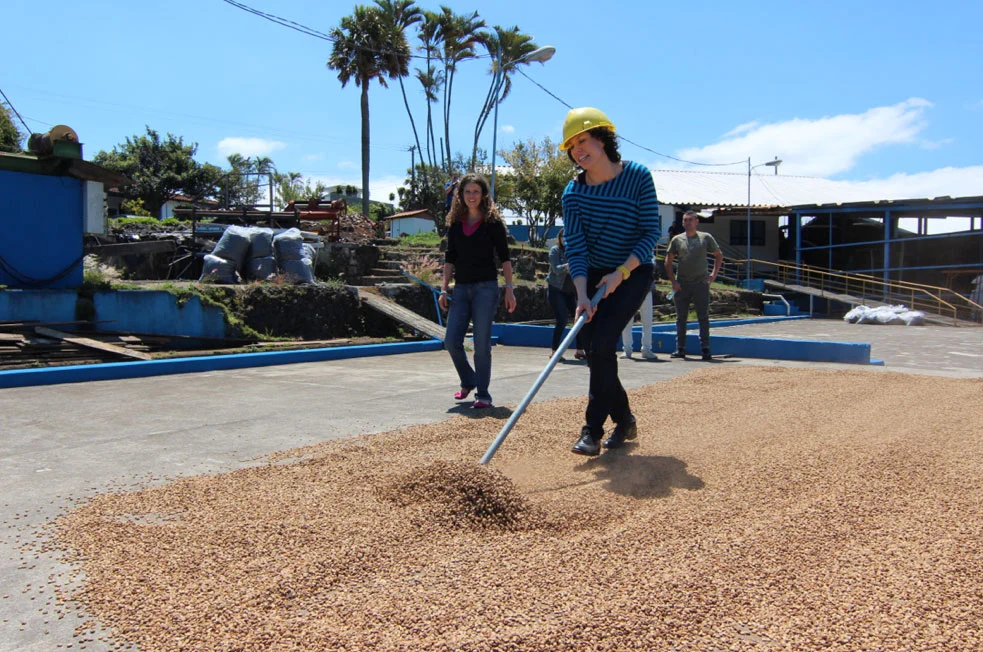
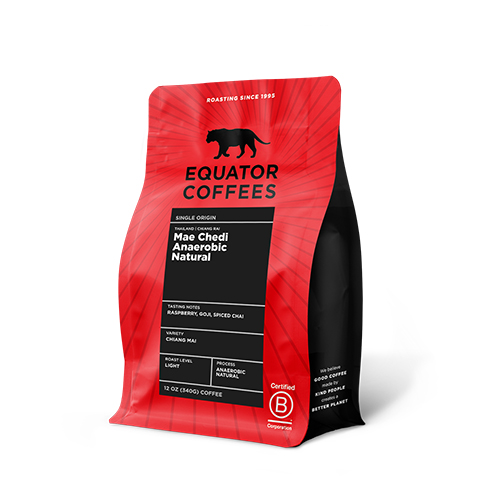
A primary driver in the current specialty market is the adoption of innovative processing techniques that go beyond the traditional washed or natural methods. Leading this trend is Equator Coffees with their Thailand Mae Chedi Anaerobic Natural. This offering is significant not only for its origin—Thailand’s Chiang Rai region—but for its utilization of tea-production techniques in coffee fermentation. By drawing on the region’s deep history with tea, farmers at the Mae Chedi Cooperative have developed anaerobic natural processes that result in vibrant, tropical profiles, signaling a maturation of the Southeast Asian specialty market.
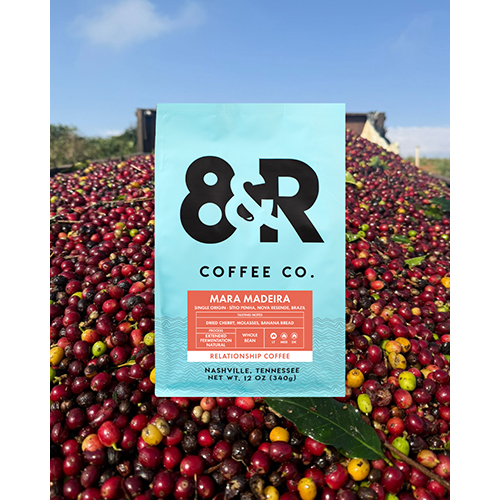
Similarly, 8th & Roast has introduced the Mara Madeira from the Sul de Minas region of Brazil. This coffee represents the "extended fermentation natural" process, a technique that allows for a deeper development of sugars and complex acids. Managed by a mother-daughter duo, Julia and Maria, the production of this lot highlights the intersection of technical innovation and family-run micro-lot farming. The result is a cup profile that moves away from the traditional nutty Brazilian profile toward more adventurous notes of dried cherry and banana bread.
In the realm of high-tech processing, PERC Coffee’s "Super Power Plum" features beans from Diego Bermudez, a producer renowned for his "thermal shock" and advanced fermentation protocols. This approach treats the coffee cherry with a level of laboratory-grade precision, often involving specific yeast inoculations and temperature-controlled tanks to isolate particular flavor precursors. This level of intervention is becoming a hallmark of the "third-wave" coffee movement’s latest evolution, where the roaster and producer collaborate as much on chemistry as they do on agronomy.
Direct Trade and the Strengthening of Producer Relationships
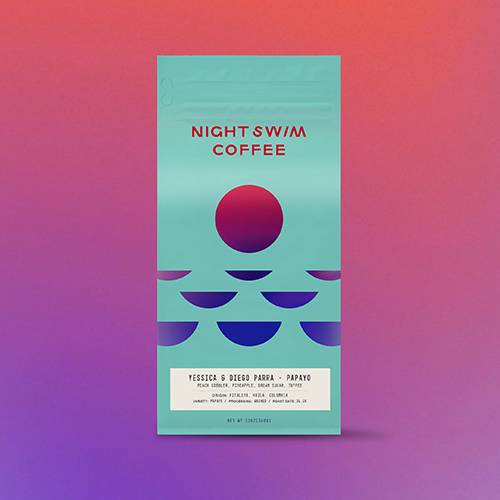
The current market data suggests that roasters who invest in long-term, direct-trade relationships are better positioned to secure high-quality lots amidst fluctuating global coffee prices. Night Swim Coffee’s collaboration with young farmers Yessica and Diego Parra in Pitalito, Colombia, facilitated through the "Unblended Coffee" initiative, serves as a case study for this model. By focusing on young producers and specific varietals like the Papayo—a rare mutation of the Caturra variety—roasters are able to offer exclusive profiles while ensuring financial stability for the next generation of farmers.
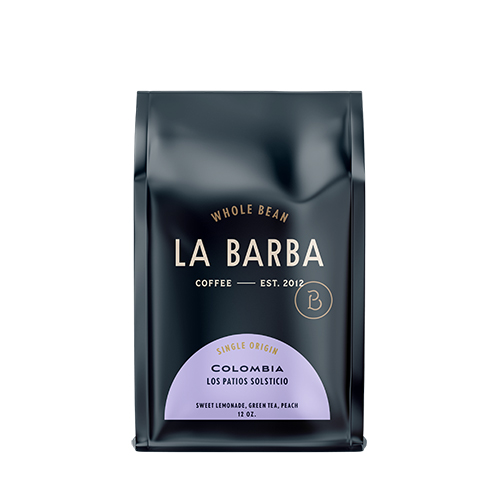
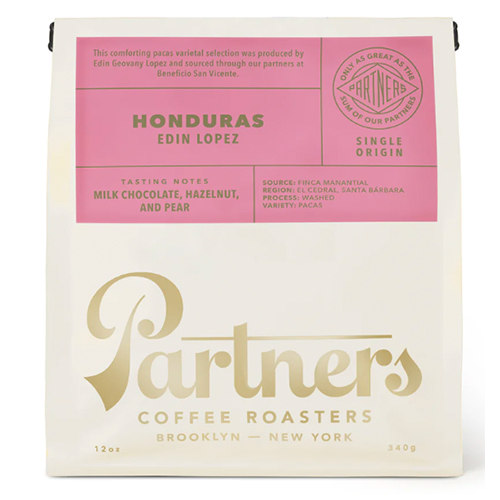
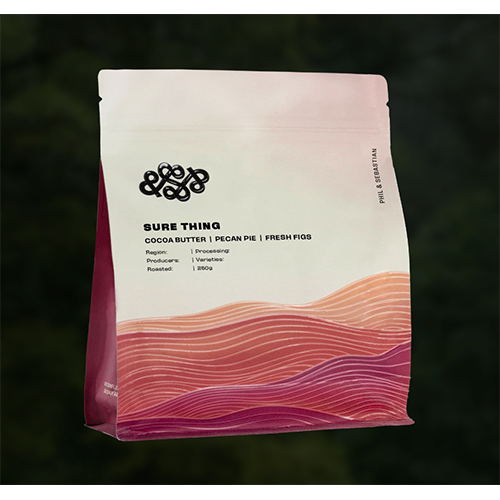
Partners Coffee and Phil & Sebastian have both focused their latest efforts on Honduras, specifically the regions of Santa Barbara and El Cielito. Partners Coffee’s selection from Edin Lopez, a relatively new producer delivering to the Beneficio San Vicente, showcases the potential of fully washed Pacas varietals. Meanwhile, Phil & Sebastian’s "Sure Thing" blend relies on a small group of producers in the El Cedral region. These partnerships are indicative of a shift away from anonymous "C-market" purchasing toward a model where the roaster acts as a brand ambassador for the specific farm.
Social Equity and Gender-Focused Sourcing Initiatives
As the specialty coffee industry matures, social impact has moved from a peripheral concern to a core business strategy. Joe Coffee Company’s "Café Feminista" program is a prominent example of this shift. The initiative specifically highlights coffees from women producers who identify with feminist principles and work toward equity within their local communities. According to industry reports, while women provide up to 70% of the labor in coffee production, they often have significantly less access to land ownership and financial resources. Programs like Café Feminista aim to reduce these barriers by providing a dedicated platform and a price premium for women-led estates.

This focus on female leadership is also reflected in the aforementioned 8th & Roast offering from Brazil. By highlighting the work of Maria and Julia at Mara Madeira, roasters are signaling to consumers that the "story" of the coffee is inextricably linked to the socio-economic conditions of its production.
Regional Spotlights: Kenya, Indonesia, and the Pacific
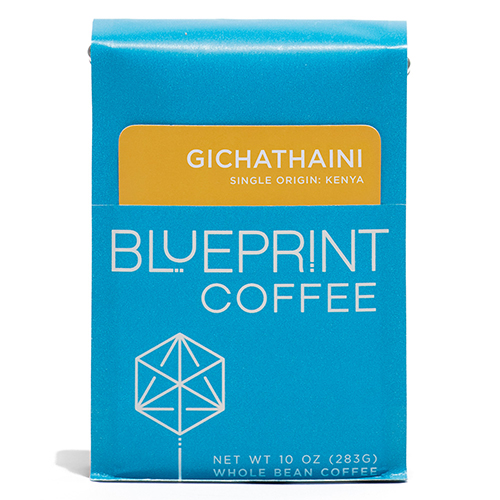
While Latin America remains a dominant force in the specialty market, roasters continue to find exceptional quality in East Africa and Southeast Asia. Blueprint Coffee’s Gichathaini offering from Kenya highlights the success of the cooperative model. The Gichathaini Factory, operated by the Gikanda Farmer’s Cooperative Society, represents a democratic approach to coffee processing where the farmers own the infrastructure. This model has historically allowed Kenyan coffees to command some of the highest prices in the specialty market due to their distinct acidity and meticulous grading systems.
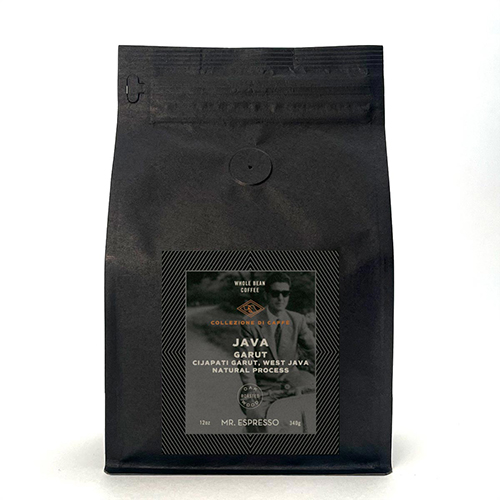
In Indonesia, Mr. Espresso has introduced a Java Garut that defies the traditional "earthy" expectations of Indonesian coffee. Grown in volcanic loam at 4,000 feet, this lot utilizes a natural process—a rarity for a region where "wet-hulling" is the standard. This shift toward natural processing in West Java is part of a broader movement to diversify the flavor profiles of Asian coffees, moving them into the "fruit-forward" category typically reserved for Ethiopian or Panamanian lots.
The Art of the Blend: Seasonal and Anniversary Offerings
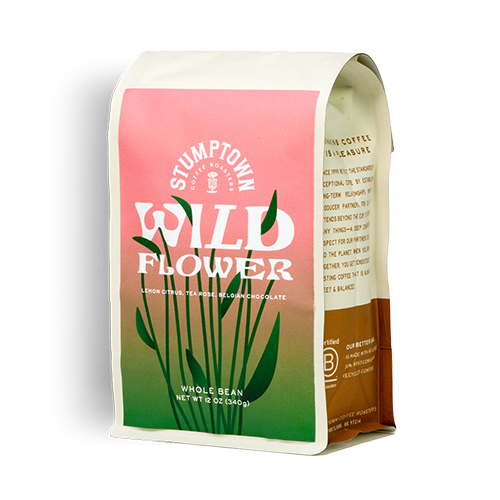
Despite the rise of single-origin coffees, sophisticated blending remains a vital tool for roasters to maintain consistency and celebrate milestones. Stumptown Coffee Roasters’ "Wild Flower" seasonal blend combines beans from Papua New Guinea’s Kuta Mill and Rwanda’s Huye Mountain. This cross-continental blend is designed to capture a specific "spring" aesthetic, emphasizing floral and bright notes that might be difficult to achieve with a single origin alone.
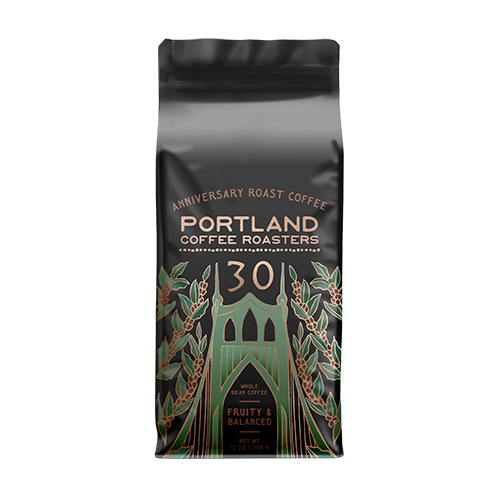
Portland Coffee Roasters is celebrating its history with an "Anniversary Roast" that utilizes a complex "pre-roast" and "post-roast" blending technique. By blending washed coffees from Costa Rica and Colombia before roasting, and then adding an organic Ethiopia Tega & Tula Estate post-roast, the roaster can manage the different densities and moisture contents of the beans to create a layered, "trifecta" flavor profile. This level of blending expertise allows roasters to create a "house style" that serves as a reliable entry point for consumers who may be overwhelmed by the sheer variety of single-origin options.
Market Implications and Consumer Trends
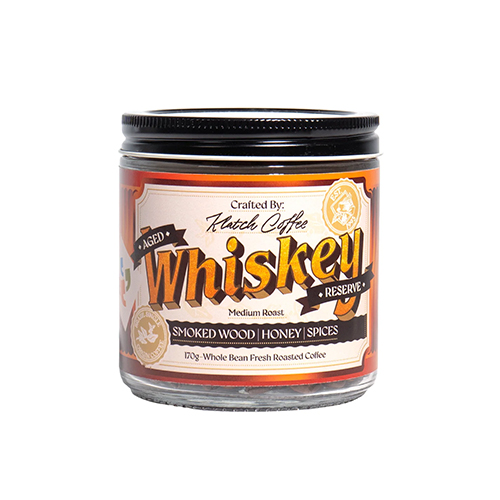
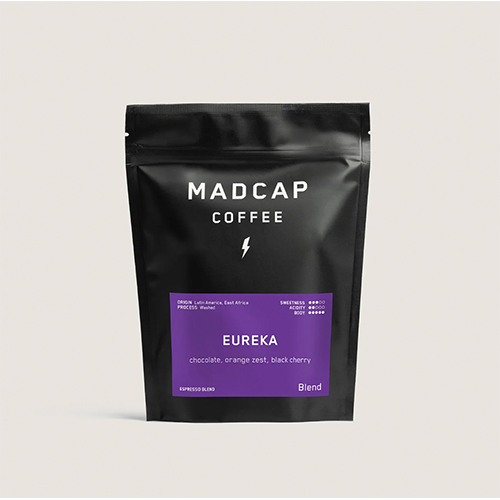
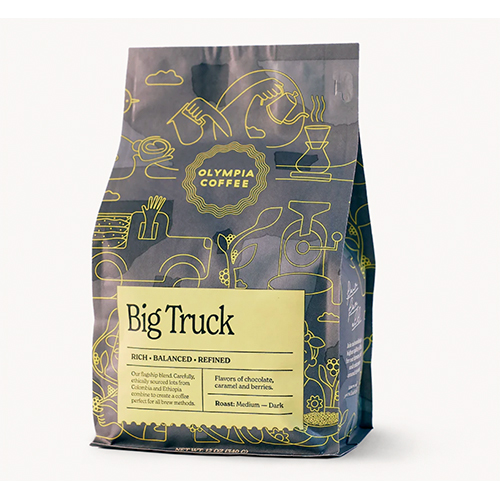
The diversity of the offerings from roasters like Olympia Coffee, Madcap, and Verve Coffee Roasters suggests that the "all-purpose" coffee is being replaced by "brew-method specific" or "experience-specific" offerings. For instance, Klatch Coffee’s "Aged Whiskey Reserve," which involves infusing Brazilian beans in whiskey-soaked oak barrels, targets the gift market and consumers looking for a bridge between specialty coffee and fine spirits.
Verve Coffee Roasters’ "Wilder Blend" represents the "sensory goal" approach to roasting. By combining yeast-inoculated Colombian coffees with Ethiopian heirlooms, Verve is intentionally engineering a flavor profile that balances fermentation intensity with clarity. This move toward "curated intensity" reflects a consumer base that is increasingly educated about fermentation and seeking out bold, memorable experiences.
Broader Impact and Industry Outlook
The data gathered from these diverse roasting partners indicates that the specialty coffee industry is resilient and increasingly innovative. Despite challenges such as climate change—which threatens the traditional "coffee belt"—and logistical hurdles in global shipping, the industry is finding solutions through technology and direct investment.
The trend toward anaerobic processing, gender equity, and rare varietals is not merely a marketing tactic but a necessary evolution to keep the industry viable. By paying higher premiums for "experimental" lots, roasters are providing farmers with the capital needed to adapt to changing environmental conditions. Furthermore, the emphasis on transparency and producer stories helps to insulate the specialty market from the volatility of the global commodities exchange.
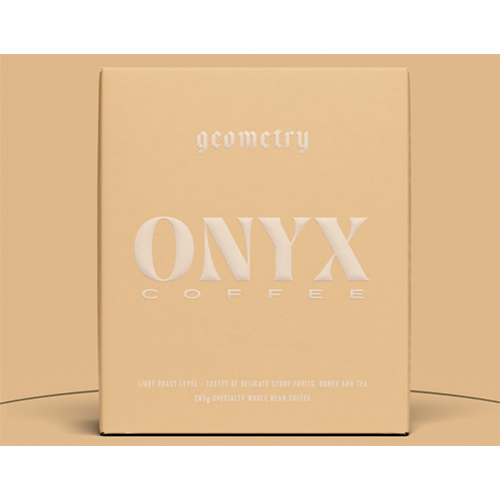
As we move further into 2024 and 2025, the industry can expect a continued blurring of the lines between traditional coffee production and food science. The success of roasters like Onyx Coffee Lab with their "Geometry" blend—which focuses on ease of use for both filter and espresso—shows that there is still a significant market for "workhorse" coffees that do not sacrifice quality for accessibility. The future of specialty coffee lies in this balance: pushing the boundaries of what coffee can taste like through science and social advocacy, while remaining an approachable daily ritual for the global consumer.