Cintya Tara Annisa
The intersection of high-performance automotive engineering and luxury lifestyle products has reached a new milestone with the release of the Barista M3 1926 Limited Edition. Developed through a partnership between the iconic Italian motorcycle manufacturer Ducati and the Swiss appliance specialist Cuisine Barista, this espresso machine represents a significant entry into the premium home appliance sector. Priced at approximately $3,000, the machine aims to translate the aesthetic and material prestige of the Ducati brand into the ritual of coffee preparation. However, the device distinguishes itself from traditional high-end espresso equipment by utilizing a capsule-based delivery system rather than the semi-automatic portafilter mechanisms typically found at this price point.
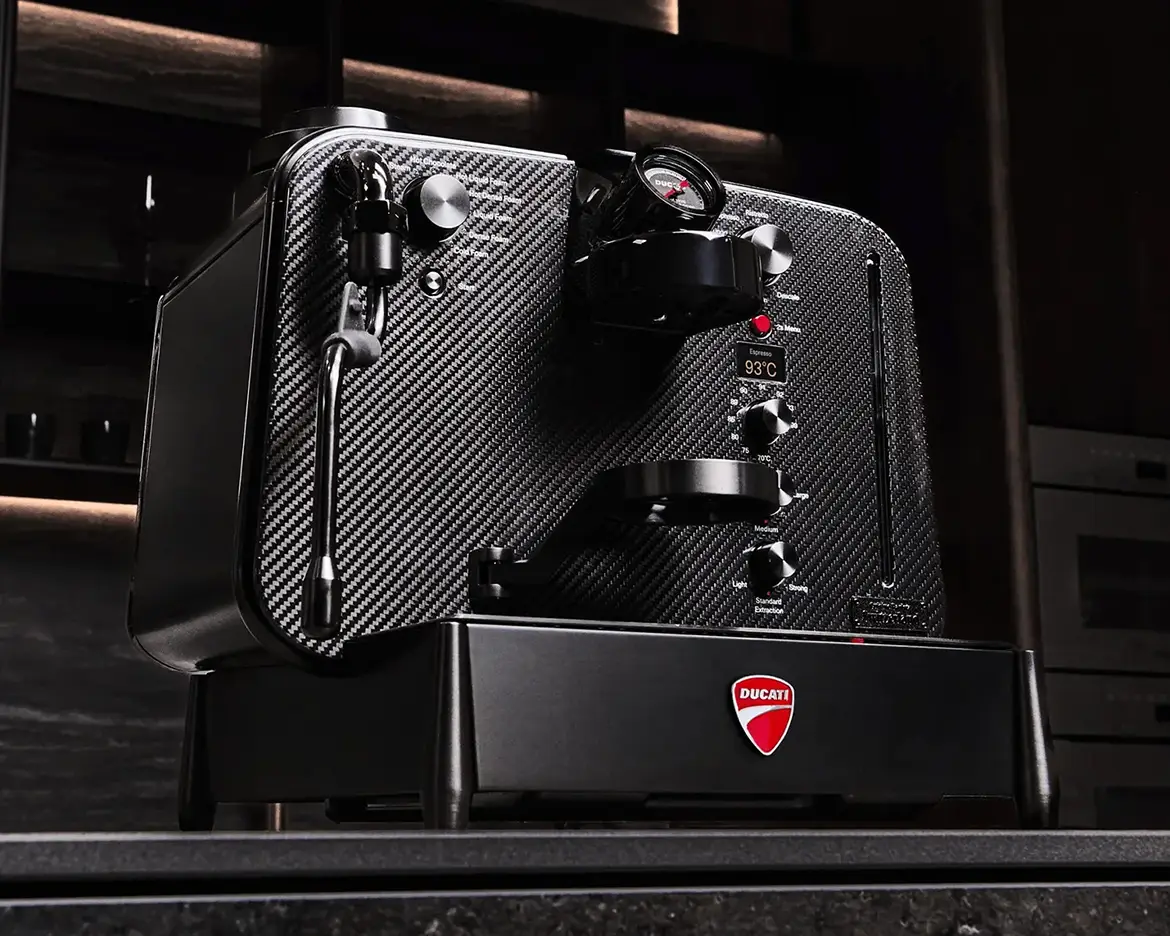
The Barista M3 1926 is limited to a production run of 1,926 units, a figure chosen to commemorate the founding year of Ducati in Bologna, Italy. The machine is marketed as the world’s first carbon-fiber capsule espresso machine, utilizing the same lightweight, high-strength material found in Ducati’s racing fairings and high-performance components. This material choice is not merely decorative; it serves as a brand-aligned engineering statement, intended to appeal to the "Ducatisti"—the dedicated global community of Ducati enthusiasts—and collectors of luxury industrial design.
Technical Specifications and Engineering Features
The Barista M3 1926 Limited Edition incorporates several technological features that are unconventional for the capsule machine market. While most pod-based machines prioritize simplicity and a "one-touch" interface, the Ducati-branded unit offers a level of granular control usually reserved for professional-grade espresso machines. Users are able to modify the brewing temperature, select from various flavor profiles (categorized as light, standard, and strong), and adjust pre-infusion settings. Pre-infusion is a process where the coffee grounds within the capsule are saturated with low-pressure water before the full extraction pressure is applied, a technique used in specialty coffee to ensure a more even extraction and a more complex flavor profile.
The exterior of the machine features a sleek, matte black finish accented by carbon fiber paneling. A prominent feature of the design is the glowing red back panel, which displays the Ducati logo in the brand’s signature typography. This lighting element is designed to evoke the rear lighting assemblies of Ducati’s flagship motorcycles, such as the Panigale or the Multistrada.
Beyond its coffee extraction capabilities, the Barista M3 1926 introduces a dual-system approach to milk texturing. The machine is equipped with a traditional stainless steel steam wand, allowing users to manually froth milk for lattes and cappuccinos. Supplementing this is what the manufacturers describe as the "world’s first in-cup milk frother." This system utilizes a specialized steel to-go cup provided with the machine. When placed in a dedicated induction-heated cradle on the top of the unit, the machine uses magnetic induction and a mechanical frothing element to heat and whip the milk to a specific density. Users can select from various settings, including hot dense foam, hot light foam, and cold foam, catering to the rising popularity of cold brew and iced coffee beverages.
The Digital Ecosystem and Connectivity
In keeping with modern luxury appliance trends, the Barista M3 1926 is integrated into a digital ecosystem via a dedicated mobile application. This app allows users to monitor the machine’s status, track maintenance schedules, and customize brewing parameters remotely. The inclusion of an app reflects a broader shift in the "Internet of Things" (IoT) landscape, where high-end consumer goods are increasingly expected to offer connectivity and data-driven personalization.
For Ducati, this digital integration is a natural extension of its motorcycle technology. Modern Ducati bikes are equipped with sophisticated electronics, including cornering ABS, traction control, and ride-by-wire throttle systems, all of which are adjustable via digital interfaces. By applying this logic to an espresso machine, the partnership aims to provide a cohesive brand experience for consumers who value technical precision and digital control.
Historical Context and Brand Synergy
The collaboration between Ducati and Cuisine Barista is the latest chapter in a long history of cross-pollination between the worlds of motorsport and coffee. For decades, the "espresso and engines" subculture has thrived, particularly in Europe and North America. This is evidenced by the prevalence of motorcycle-themed cafes and the use of automotive-grade materials in the construction of high-end coffee equipment.
Ducati’s decision to enter the coffee space is a strategic move to diversify its brand portfolio. Founded in 1926 by Antonio, Adriano, and Marcello Ducati, the company initially produced radio components before transitioning to small-displacement engines and eventually the high-performance motorcycles for which it is world-renowned today. Now a subsidiary of the Audi Group (under the Volkswagen Group umbrella), Ducati has increasingly positioned itself as a "lifestyle" brand. This involves expanding beyond the garage and into the home, offering products that reflect the company’s core values of "Style, Sophistication, and Performance."
Cuisine Barista, based in Switzerland, brings the necessary engineering expertise in coffee extraction to the partnership. Switzerland has a long-standing reputation as a hub for coffee technology, being the home of Nespresso and several leading manufacturers of automated coffee systems. By combining Swiss precision with Italian design, the two companies aim to capture a niche segment of the luxury market.
Market Analysis: The Capsule Paradox
The $3,000 price point for the Barista M3 1926 places it in a unique and somewhat controversial position within the global coffee market. In the world of specialty coffee, $3,000 is typically the entry point for "prosumer" espresso machines—devices such as the La Marzocco Linea Micra or the Rocket Espresso Cinquantotto. These machines are designed to use freshly ground coffee and require a high degree of skill to operate.
In contrast, the Barista M3 1926 relies on coffee capsules (pods). Historically, capsules have been marketed as a convenience-oriented product, often criticized by coffee purists for lacking the freshness and flavor clarity of whole-bean coffee. The decision to house a capsule system inside a $3,000 carbon-fiber chassis creates what industry analysts call a "luxury-convenience paradox."
From a market perspective, however, there is a clear demographic for such a product. Not every high-net-worth individual or Ducati enthusiast wishes to undergo the rigorous training required to master a manual espresso machine. For this consumer, the value proposition lies in the combination of "prestige" materials, "iconic" branding, and the "guaranteed" consistency of a capsule system. It caters to the user who wants the aesthetic of a high-performance machine without the steep learning curve of traditional barista techniques.
Industry Implications and Environmental Considerations
The launch of the Barista M3 1926 also highlights ongoing discussions regarding the environmental impact of the coffee industry. Capsule machines have faced scrutiny due to the waste generated by single-use plastic and aluminum pods. While many companies, including Nespresso, have implemented recycling programs, the environmental footprint remains a point of contention for eco-conscious consumers.
By entering the high-end capsule market, Ducati and Cuisine Barista are betting on the continued dominance of the pod format in the luxury home sector. Market data suggests that the global coffee pod and capsule market is expected to continue growing, driven by consumer demand for variety and ease of use. The introduction of "super-premium" machines like the M3 1926 may encourage other luxury brands to explore similar licensing agreements, further blurring the lines between kitchen appliances and status symbols.
Comparative Data: Luxury Appliance Trends
The Barista M3 1926 follows a trend of "automotive-inspired" home goods that has gained momentum over the last decade. Examples include:
- Porsche Design: The studio has collaborated on everything from kettles to high-end built-in coffee systems for luxury kitchens.
- Bugatti: The Italian brand (not to be confused with the French automaker, though sharing a common lineage) produces the "Diva" espresso machine, known for its avant-garde design.
- Lamborghini: Through various licensing arms, the Lamborghini name has appeared on luxury lifestyle goods, including coffee blends and machines.
When compared to these peers, the Ducati Barista M3 1926 distinguishes itself through its specific use of carbon fiber and its focus on the "limited edition" collector’s model. The 1,926-unit cap creates a sense of scarcity that is essential for maintaining high price points in the luxury goods market.
Conclusion and Future Outlook
The Ducati Barista M3 1926 Limited Edition is more than a coffee maker; it is a study in brand extension and the commodification of engineering heritage. While it may face skepticism from specialty coffee traditionalists who prioritize the source and grind of the bean over the material of the machine, its commercial success will likely depend on the loyalty of the Ducati fan base and the appetite for "statement" appliances in the luxury sector.
As the units begin to ship to collectors and enthusiasts, the machine will serve as a litmus test for the viability of high-cost, high-tech capsule systems. If successful, it may pave the way for more collaborations where the thrill of the racetrack is distilled into the morning cup of coffee, proving that for a certain segment of the market, the brand on the machine is just as important as the liquid in the cup. Whether this represents a "beautiful mess" or a masterstroke of lifestyle marketing remains to be seen, but the Barista M3 1926 has undeniably secured its place as one of the most talked-about entries in the modern history of espresso hardware.