Cintya Tara Annisa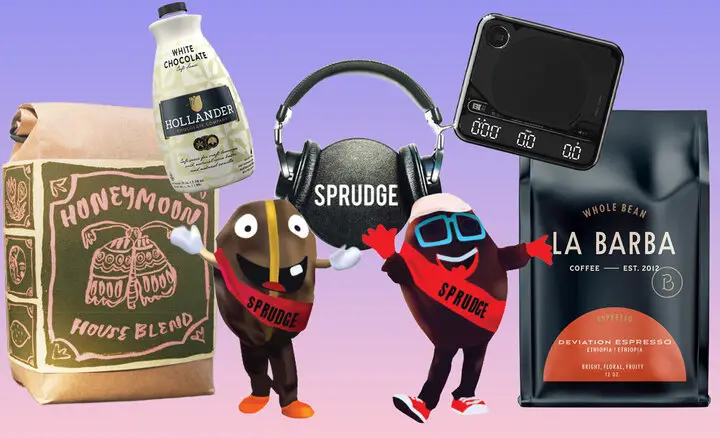
The intersection of seasonal agriculture and specialty coffee media has converged in Portland, Oregon, as the Coffee Sprudgecast officially signals the arrival of the "Hood" strawberry season and the concurrent launch of the "Build-Outs of Coffee" editorial series. This period, traditionally marked by the brief and highly anticipated harvest of the Hood strawberry variety, serves as the backdrop for one of the coffee industry’s most significant annual showcases of cafe design and entrepreneurial expansion. As the global coffee community prepares for what is projected to be the largest "Build-Outs" season to date, the program’s hosts, Jordan Michelman and Zachary Carlsen, have introduced a series of technical reviews, culinary innovations, and a comprehensive data-gathering initiative aimed at archiving the history of competitive barista achievements.
The Seasonal Synergy of Portland Coffee Culture
The arrival of the Hood strawberry is a localized phenomenon with significant implications for the Pacific Northwest’s culinary and beverage sectors. Known for its high sugar content and delicate structure, the Hood strawberry has a notoriously short shelf life, making it a "hyper-local" delicacy that rarely travels outside of the Oregon and Washington regions. In the specialty coffee sector, this seasonality often dictates menu rotations and experimental beverage programs.
The Coffee Sprudgecast hosts utilized this seasonal peak to debut a high-concept beverage: the Strawberry White Chocolate Mocha. This preparation integrates several high-end industry components, including 1883 Strawberry Syrup and Hollander Chocolate’s White Chocolate Café Sauce. The espresso base, provided by La Barba Coffee’s "Deviation" blend, was paired with Pacific Barista Series Pistachio milk. The choice of pistachio milk reflects a broader industry trend toward diversifying plant-based alternatives beyond oat and almond, seeking flavor profiles that complement fruit-forward and botanical espresso applications.
To balance the complexity of the mocha, the program highlighted a more traditional brewing method, featuring a Hario V60 pour-over of Honeymoon Coffee’s House Blend. This juxtaposition illustrates the dual nature of modern specialty coffee: the push toward avant-garde, ingredient-heavy signature drinks and the foundational commitment to high-quality, single-origin or house-blend filter coffee.
The Build-Outs of Coffee: An Industry Benchmark
The "Build-Outs of Coffee" series, scheduled to begin its new season next week, has evolved into a definitive record of global cafe architecture and business development. Since its inception, the series has profiled hundreds of coffee bars under construction, offering insights into the aesthetic and functional choices made by shop owners worldwide.
The upcoming season is anticipated to be the most expansive in the series’ history, reflecting a post-pandemic resurgence in brick-and-mortar hospitality. Industry analysts suggest that the current wave of cafe builds focuses heavily on "third-space" revitalization, ergonomic bar layouts, and the integration of high-end technology to streamline workflow. The series serves as both a marketing platform for new businesses and a resource for prospective owners to observe trends in equipment selection, such as the frequent appearance of La Marzocco espresso machines, which remain a staple in high-volume specialty environments.
Technical Innovations and the Themis Ultra Scale
Precision remains a cornerstone of the specialty coffee movement, and the recent review of the Bookoo Themis Ultra coffee scale underscores the ongoing technological arms race in brewing accessories. As the industry moves toward more granular data collection during the brewing process, tools like the Themis Ultra are designed to provide ultra-fast response times and high-accuracy measurements.
The discussion surrounding the device also touched upon the cultural nuances of the coffee industry, specifically the phonetic debates over brand names—ranging from the pronunciation of "Themis" to the perennial question of how to pronounce "Sprudge." This highlight serves as a commentary on the industry’s self-awareness regarding its own jargon and the role of artificial intelligence in contemporary discourse. The hosts noted the environmental and energy costs associated with utilizing large language models for trivial inquiries, suggesting a preference for human-centric interpretation and the idiosyncratic nature of coffee culture.
The Barista Champion Database: Preserving Industry History
Perhaps the most significant structural development announced is the expansion of the Barista Champion Database. While coffee competitions have been a staple of the industry for decades, a centralized, comprehensive record of winners, finalists, and their respective statistics has been historically fragmented.
The database project aims to collect data from coffee champions across all disciplines—including espresso, latte art, cup tasters, and brewers’ cups—at local, national, and international levels. By encouraging former and current champions to submit their statistics, the initiative seeks to create "the biggest database of Barista Champions in the known universe."
This effort has several long-term implications:
- Professional Archiving: Providing a verifiable record of professional achievement for baristas, many of whom transition into roles as consultants, roasters, or green coffee buyers.
- Trend Analysis: Allowing researchers to track how competition routines and coffee varieties (such as the rise of Gesha or anaerobic fermentation) have evolved over time.
- Institutional Memory: Ensuring that the contributions of early pioneers in the competition circuit are not lost as the industry matures.
Regional Economic Context and Supporting Partners
The production of the Coffee Sprudgecast and its associated projects is supported by key industry players, including DONA, Pacific Barista Series, and La Marzocco. These partnerships highlight the interconnectedness of the coffee supply chain, where equipment manufacturers and ingredient suppliers invest in media platforms to reach both professional baristas and home enthusiasts.
Furthermore, the mention of luxury brands entering the coffee space—specifically the recent announcement of a $3,000 espresso machine by Ducati that utilizes coffee pods—indicates a broadening of the market. This move by Ducati suggests that high-end lifestyle brands are increasingly viewing the coffee sector as a viable luxury category, even as they opt for the convenience of pod-based systems over the manual precision championed by the specialty community.
Chronology of Upcoming Events
The coffee industry calendar for the second quarter of the year is densely packed with milestones related to these announcements:
- Late May: Peak harvest for Hood strawberries in the Willamette Valley; local cafes launch seasonal specials.
- Early June: Official launch of the "Build-Outs of Coffee" summer series, featuring daily profiles of new international cafes.
- Ongoing: Data collection for the Barista Champion Database continues, with a preliminary launch of the searchable interface expected later this year.
- Summer Season: Increased focus on iced coffee innovations and plant-based milk applications as temperatures rise across the Northern Hemisphere.
Broader Impact and Implications
The convergence of agricultural cycles and digital media initiatives reflects a maturing industry that is increasingly focused on its own history and the documentation of its growth. The "Build-Outs of Coffee" series does more than showcase pretty interiors; it provides a roadmap of where the industry is investing its capital. From the streets of Portland to international coffee hubs, the shift toward highly specialized equipment and diverse flavor profiles indicates a market that is refusing to stagnate.
The Barista Champion Database, in particular, represents a shift toward professionalization. By treating coffee competition as a sport with recorded stats and historical significance, the project elevates the status of the barista from a service worker to a skilled professional with a traceable career trajectory.
As the "Build-Outs" season kicks off, the industry will be watching closely to see how new businesses navigate the challenges of inflation, supply chain stability, and changing consumer preferences. Whether through the lens of a seasonal strawberry mocha or the precision of a new digital scale, the specialty coffee sector continues to balance its artisanal roots with a data-driven future. The upcoming weeks will likely define the aesthetic and technical trends that will dominate the landscape for the remainder of the year.