
 Ali Ikhwan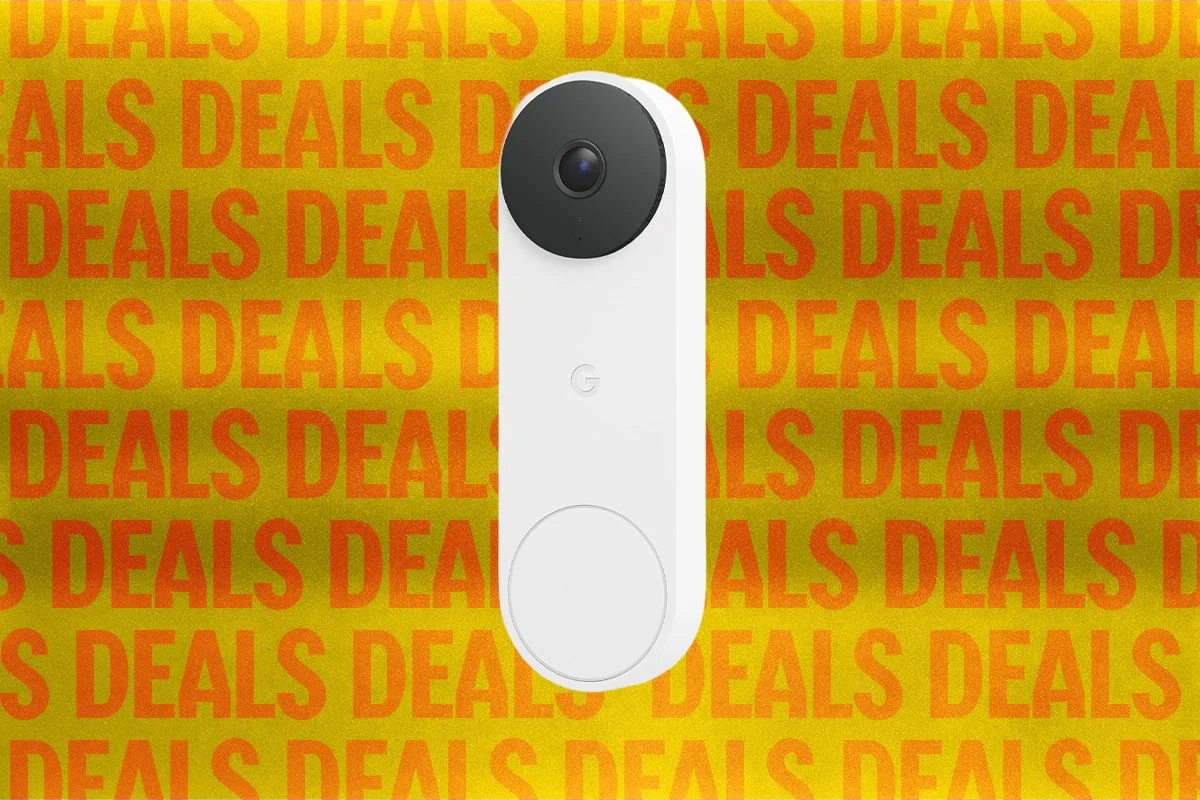
The Evolution of the Nest Security Ecosystem
To understand the significance of the current third-generation wired model, one must look at the chronology of Google’s involvement in the smart home space. The journey began in 2014 when Google acquired Nest Labs for $3.2 billion. At the time, Nest was primarily known for its learning thermostat, but the acquisition signaled Google’s intent to dominate the "ambient computing" environment. The first dedicated video doorbell, the Nest Hello, was launched in 2018, setting a high bar for video quality and facial recognition.
In 2021, Google underwent a branding consolidation, moving all home products under the "Google Nest" umbrella and introducing a battery-powered version of its doorbell to cater to renters and those without existing doorbell wiring. However, the battery model faced criticism for its bulkier frame and the necessity of periodic charging. This led to the development of the current wired generation, which returned to a slimmer profile and introduced enhanced on-device processing. The current deal on the wired model reflects a strategic push to migrate users toward a permanent, always-on security solution that integrates seamlessly with the broader Google Home infrastructure.
Technical Specifications and Comparative Performance
The Google Nest Doorbell (Wired) is distinguished by its 166-degree diagonal field of view and a 3:4 aspect ratio. This vertical orientation is a specific engineering choice designed to address the limitations of traditional 16:9 widescreen formats. By utilizing a taller frame, the device allows homeowners to see visitors from head to toe and, perhaps more importantly, monitor packages left directly at the base of the door.
Data from the security industry suggests that package theft has become a multi-billion dollar issue in the United States. According to a 2023 report on retail crime, an estimated 79% of Americans have been victims of package theft at least once. The Nest Doorbell’s ability to provide a clear view of the ground, combined with its HDR (High Dynamic Range) video capabilities, provides the forensic detail necessary for identifying individuals even in challenging lighting conditions, such as direct sunlight or deep shadows on a porch.
Furthermore, the device utilizes 24/7 continuous video recording (CVR) capabilities, a feature that remains a primary differentiator between wired and battery-powered models. While battery doorbells often only trigger recording when motion is detected—potentially missing the seconds leading up to an event—the wired Nest Doorbell can provide a literal second-by-second history of the property’s entrance, provided the user has the appropriate subscription tier.
The Role of On-Device Artificial Intelligence
One of the most significant advancements in the third-generation hardware is the shift toward local AI processing. Historically, smart doorbells relied heavily on cloud servers to interpret video data, which often resulted in latency and raised privacy concerns. The current Nest Doorbell features a dedicated Edge TPU (Tensor Processing Unit) that allows the device to process person, animal, vehicle, and package detection locally.
This on-device intelligence results in faster notifications and more accurate filtering of "nuisance alerts." For instance, the device can distinguish between a tree swaying in the wind and a person walking toward the door. This precision is critical for consumer satisfaction, as excessive false alerts are a primary reason users disable security notifications. The "Familiar Face" alerts, while requiring a Nest Aware subscription, represent the pinnacle of this technology, allowing the system to announce via Google Assistant speakers exactly who is at the door, such as "Grandma is at the front door."
Subscription Models and the Economics of Home Security
While the hardware is currently available at a discounted $140, the long-term value proposition for Google lies in its Nest Aware subscription services. The industry has seen a massive shift from one-time hardware sales to recurring revenue models. Google currently offers two primary tiers:
- Nest Aware: Typically priced around $8 per month (or $80 annually), this tier provides 30 days of event video history and covers all Nest cameras in a single home.
- Nest Aware Plus: Priced at approximately $15 per month (or $150 annually), this tier extends the event history to 60 days and, crucially for wired doorbell users, includes 10 days of 24/7 continuous video history.
Industry analysts suggest that these subscription models are essential for the sustainability of cloud-based security features. The cost of storing petabytes of video data and maintaining the neural networks required for facial recognition is substantial. By offering a $40 discount on the hardware, Google lowers the barrier to entry, effectively bringing more users into the Nest Aware ecosystem, which generates higher lifetime value per customer than the hardware sale alone.
Market Competition and Retailer Dynamics
The current pricing at Amazon is mirrored by varying degrees of competition across other major retailers. While Amazon has positioned the device at $140, Walmart has listed the "Haze" colorway at $150, and Best Buy continues to hold near the $180 mark for the latest model with Gemini-integrated features. This fragmentation in pricing suggests a highly competitive landscape where retailers are vying for "smart home loyalty."
Google’s primary competitor in this space is Amazon-owned Ring. Ring’s Video Doorbell Pro 2 offers similar wired functionality and a "Bird’s Eye View" satellite mapping feature. However, Google’s advantage lies in its integration with the Android ecosystem and the Google Home app. For users who already own a Nest Hub or use Google TV, the ability to have a video feed automatically pop up on their television when someone rings the bell is a convenience factor that Ring cannot easily replicate without additional Amazon-branded hardware like the Fire TV or Echo Show.
Privacy Implications and Data Security
As video doorbells become more ubiquitous, they have also become the subject of intense scrutiny regarding privacy. Professional journalistic analysis of the sector highlights a tension between personal security and public surveillance. The Google Nest Doorbell records high-definition audio and video of public sidewalks and neighboring properties.
Google has attempted to address these concerns by implementing visible status lights that indicate when the camera is active and by using end-to-end encryption for video streams. Furthermore, unlike some competitors who have faced criticism for sharing footage with law enforcement without warrants, Google’s stated policy requires a legal process or an emergency request where there is an imminent danger of death or serious physical injury. These privacy frameworks are increasingly becoming a selling point for savvy consumers who are wary of how their data is handled.
Installation Requirements and Consumer Considerations
Prospective buyers of the wired Nest Doorbell must account for the technical requirements of installation, which differ significantly from the "stick-and-peel" nature of battery models. The device requires a transformer that provides 16–24 V AC and at least 10 VA of power. For homes with older doorbell systems, this may necessitate a hardware upgrade to the transformer, an additional cost that should be factored into the $140 purchase price.
Despite the installation complexity, the benefits of a wired connection are manifold. Beyond the 24/7 recording, a wired connection ensures that the camera is always ready to capture high-resolution HDR video without the "sleep mode" delays common in battery units. It also allows for the use of the home’s existing mechanical or electronic chime, providing a familiar auditory cue throughout the house.
Conclusion: The Strategic Significance of the Discount
The $40 discount on the Google Nest Doorbell (Wired) is more than a simple retail promotion; it is a tactical move in the ongoing "battle for the front door." By making their premium wired solution more accessible, Google is reinforcing its position as a leader in smart home security while expanding the user base for its AI-driven subscription services.
As the smart home market matures, the focus is shifting from simple connectivity to intelligent automation. The inclusion of the Nest Doorbell in a home’s network is often the first step in a larger journey toward a fully automated environment, including smart locks, thermostats, and lighting. For the consumer, the current $140 price point offers an entry into a sophisticated security tier that was previously reserved for professional-grade installations, marking a democratization of high-end surveillance technology. Whether for the purpose of deterring solicitors, managing package deliveries, or maintaining a digital record of property activity, the Nest Doorbell remains a cornerstone of the modern connected home.







