Ali Ikhwan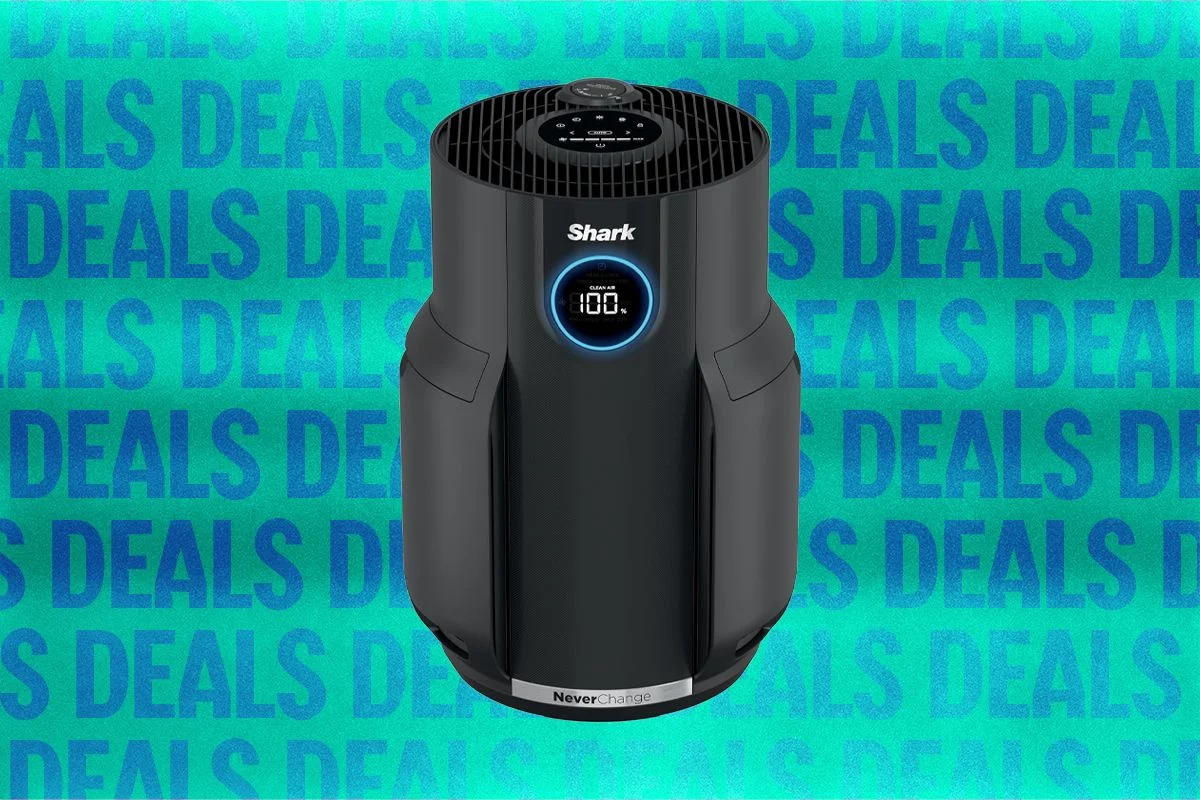
As consumer interest in indoor air quality continues to climb, major manufacturers are leveraging pre-holiday promotional windows to capture market share. Currently, the Shark NeverChange Air Purifier is available at a significant discount, with prices slashed by approximately 40 percent. This reduction, occurring in the lead-up to major retail events like Amazon Prime Big Deal Days, signals a broader trend of aggressive pricing strategies among home appliance brands looking to move inventory before the end-of-year shopping surge.
The Evolution of Air Purification Technology
The rise of the "NeverChange" product line by Shark represents a strategic shift in the air purifier market. Historically, the primary friction point for consumers—and a consistent revenue stream for manufacturers—has been the recurring cost and maintenance of replacement HEPA filters. By engineering a system that boasts a five-year filter lifespan under standard operating conditions, Shark has effectively altered the total cost of ownership for its users.
The technology relies on a multi-stage filtration process. The primary HEPA filter is designed to capture fine particulate matter, including dust, smoke, and common allergens, while an integrated activated carbon filter works to neutralize odors, volatile organic compounds (VOCs), and gases. The inclusion of a fragrance-neutralizing cartridge adds a secondary layer of utility, particularly for pet owners, as it aims to mitigate the specific olfactory challenges associated with indoor pets.
Market Context and Promotional Timing
The current discount is not an isolated event but rather a precursor to the heightened retail activity observed in late September and early October. Retailers are increasingly extending their "deal seasons" to avoid the bottleneck of late-November shopping. For the consumer, this creates an expanded window to purchase high-ticket items at prices previously reserved for Black Friday or Cyber Monday.
According to retail analytics, the home appliance sector often sees its most significant year-over-year growth during these early fall promotions. By offering deep discounts on the Shark NeverChange series, Amazon and other major retailers are positioning themselves to capture the segment of the market that prioritizes health and home wellness as the seasons change and household ventilation becomes more restricted.
Detailed Analysis of the Shark NeverChange Series
The standard Shark NeverChange unit is optimized for smaller environments, such as bedrooms, bathrooms, and laundry rooms. Its performance metrics indicate that it can exchange the air in a 130-square-foot room approximately five times per hour. This "air change per hour" (ACH) rating is a critical benchmark for efficacy in the industry, as it dictates how quickly a unit can cycle through the volume of a room.
For those requiring more robust coverage, the Shark NeverChange Air Purifier Max serves as a higher-capacity sibling. While maintaining the core filtration benefits and five-year maintenance cycle of the smaller unit, the Max variant is engineered for larger living spaces. Currently priced at a significant reduction, this model represents the lowest entry point observed in the current fiscal year.
Furthermore, the flagship BreatheClear MAX with NeverChange technology introduces advanced diagnostic capabilities. This model incorporates an LCD interface that provides real-time and historical data on air quality, including specific measurements for PM 2.5 (fine particulate matter), PM 10 (larger particulates), and humidity levels. The integration of VOC monitoring provides a comprehensive view of indoor air health that was previously restricted to commercial-grade sensors.

Competitive Landscape: Levoit and Coway
While Shark is currently the focal point of these aggressive price cuts, competitors like Levoit and Coway are also adjusting their retail strategies to remain competitive. Levoit’s Vital 200S-P remains a top contender in the budget-conscious category, particularly for its specialized "pet mode," which is designed to handle the specific load of dander and hair. The device’s ability to connect with smart home ecosystems—such as Amazon Alexa and Google Assistant—allows for automated operation, triggering the fan speed only when pollutants are detected.
On the higher end of the spectrum, the Coway Airmega ProX has seen a substantial price reduction. Known for its capacity to serve larger footprints—up to 1,000 square feet—the ProX is a common choice for open-concept homes. Its ability to perform four air exchanges per hour at maximum output makes it a heavy-duty option for households with high foot traffic or multiple pets. Despite its lack of a mobile application, its physical mobility, facilitated by integrated wheels and handles, remains a key selling point for a unit of its mass.
Implications of Long-Term Filter Life
The industry shift toward long-life filters has profound implications for consumer behavior. Previously, many users would cease using their air purifiers once a filter became saturated and the cost of replacement outweighed the perceived benefit. By extending the filter life to five or six years, manufacturers are effectively ensuring that the device remains in active use for a longer duration of its lifecycle.
This, however, requires a high standard of maintenance. The "NeverChange" promise is contingent upon regular cleaning of the filter and the utilization of energy-saving modes. If a user neglects these basic maintenance tasks, the efficiency of the filtration system drops, and the internal sensors may begin to provide inaccurate readings. Experts in indoor air quality suggest that consumers view these devices not as "set-it-and-forget-it" appliances, but as systems that require periodic, albeit infrequent, attention.
Strategic Advice for Consumers
For households currently in the market for an air purifier, the current price environment is exceptionally favorable. When selecting a unit, consumers should prioritize the following factors:
- Room Size vs. Clean Air Delivery Rate (CADR): Always match the purifier’s CADR to the square footage of the intended room. Over-sizing a unit can lead to unnecessary noise, while under-sizing will fail to achieve the desired air quality improvements.
- Filter Replacement Costs: Even with "long-life" filters, verify the cost of the replacement cartridge at the end of the five-year cycle.
- Sensor Accuracy: If you reside in an area with high pollution or wildfire risks, prioritize models with detailed PM 2.5 reporting.
- Smart Features: Determine if integration with a smartphone app is necessary for your lifestyle. While features like remote monitoring are convenient, they are secondary to the unit’s core ability to filter air.
Broader Public Health Context
The emphasis on air purification is part of a larger, post-2020 realization regarding the importance of indoor ventilation. As households spend more time indoors for work and leisure, the concentration of pollutants—from cooking, cleaning chemicals, and external particulate matter—has become a significant public health focus. The ability to monitor VOCs and PM levels in real-time has transitioned from a luxury feature to a standard expectation for many urban residents.
The current promotional cycle also highlights the role of retail in democratizing access to health technology. As these units become more affordable, the barrier to entry for clean air technology lowers, allowing a broader demographic to mitigate the risks associated with poor indoor air quality.
Looking Ahead
As we move into the final quarter of 2026, it is anticipated that these discounts will serve as a baseline for the holiday season. While current deals on the Shark and Levoit units are significant, consumers should monitor price trackers as official retail events commence. The current inventory levels suggest that there is sufficient supply to meet demand, but the most aggressive discounts are often limited by stock availability.
For those interested in maintaining their home’s air quality, these current offerings provide a rare opportunity to invest in high-performance equipment at a fraction of the original retail cost. Whether opting for the compact efficiency of the Shark NeverChange or the robust, data-driven performance of the BreatheClear MAX, the current market climate favors the proactive buyer. As with all home appliance purchases, verifying the specific requirements of your living space and comparing the technical specifications against the provided manufacturer warranties remains the best strategy for ensuring long-term satisfaction.