Ali Ikhwan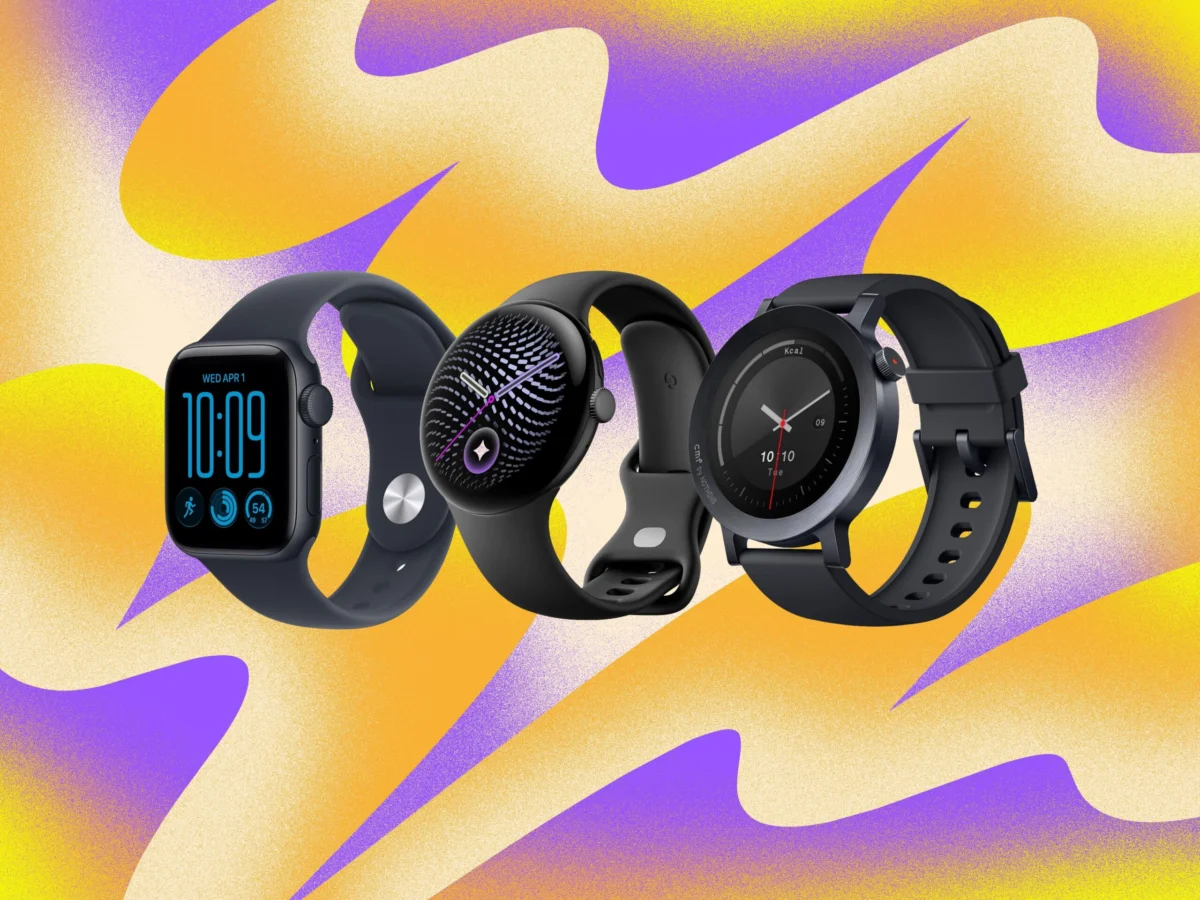
The retail landscape is currently navigating the final hours of Amazon Prime Day, a 48-hour promotional event that has historically functioned as a mid-quarter bellwether for consumer spending habits. As the clock winds down on these deep-discount windows, market analysts note a significant shift in consumer behavior, with a heightened focus on high-utility personal electronics. Wearable technology, spanning from sophisticated smartwatches to entry-level fitness trackers, has emerged as a primary category for shoppers seeking to capitalize on record-low price points. These devices, which have become integral to health monitoring and digital connectivity, are seeing price reductions that, in some instances, represent the most aggressive discounting observed since their respective product launches.
The Evolution of the Prime Day Event
Amazon launched Prime Day in 2015 to commemorate its 20th anniversary, but the event has since evolved into a global retail phenomenon that often rivals the scale of Black Friday. By concentrating high-volume traffic within a compressed timeframe, Amazon effectively incentivizes manufacturers to liquidate inventory, particularly for legacy models that are approaching the end of their product lifecycles. For consumers, this presents a tactical opportunity to acquire hardware that remains highly functional despite the arrival of newer iterations. According to retail data, electronic wearables are consistently among the top-selling items during these events, driven by a combination of brand loyalty and the increasing necessity of digital health tracking in the post-pandemic era.
Market Dynamics and Pricing Strategies
The current promotional cycle has been characterized by price drops on both flagship hardware and budget-conscious alternatives. The Apple Watch Series 12, for instance, has seen a $50 reduction, bringing the price down to $350. While this might appear modest in the context of total luxury spending, it represents a notable departure from Apple’s historically rigid pricing model, especially for a device released within the current calendar year. Industry observers suggest that such early-stage discounts on flagship products are designed to bolster adoption rates and ecosystem integration, effectively locking consumers into proprietary platforms before the holiday shopping season fully commences.
Similarly, the Google Pixel Watch 5 is currently available for $335, a $65 discount. This device, which prioritizes modularity and repairability, reflects a broader industry trend toward sustainable hardware design. By focusing on longevity—a key selling point for a device that serves as a primary hub for Android users—Google is attempting to compete not just on features, but on the total cost of ownership. This shift is mirrored by Samsung, which has implemented aggressive pricing on its Galaxy Watch8 and Watch7 series. With discounts reaching up to $221 on certain configurations, Samsung is clearly aiming to capture market share from users who are value-sensitive but still require robust health-tracking capabilities, such as advanced sleep analytics and heart rate monitoring.
The Role of Entry-Level Fitness Trackers
While high-end smartwatches often dominate the news cycle, the entry-level market has seen the most dramatic percentage-based discounts. The Google Fitbit Charge 6 is now priced at $90, while the more streamlined Inspire 3 model is available for $70. These price points are strategically set to lower the barrier to entry for health-conscious consumers who may be hesitant to commit to a more expensive, feature-heavy smartwatch.
The inclusion of advanced sensors—such as continuous heart rate tracking, blood oxygen saturation (SpO2) monitoring, and skin temperature sensors—within these lower-priced devices indicates that health-tracking technology has reached a state of commoditization. Manufacturers are no longer reserving these metrics for the "Pro" or "Ultra" tiers; instead, they are using them as standard features to differentiate themselves in an increasingly crowded market. This is further evidenced by the CMF Watch 3 Pro, which at a $59 price point, offers features that were considered premium just three years ago, including built-in GPS and voice assistant functionality.
Chronology of the Current Sale
The current promotional window began in the early hours of October 6 and is scheduled to conclude late on October 7. Throughout the 48-hour period, inventory fluctuations have been dynamic, with manufacturers like Garmin, Amazfit, and Samsung releasing staggered discounts to maintain consumer interest. Early on the first day, retailers focused on the most popular, high-stock items to maximize immediate revenue. As the event transitioned into its second day, the focus shifted toward clearing remaining stock of older generations, resulting in the deep price cuts seen on models like the Samsung Galaxy Watch7.

This phased approach is a calculated strategy. By monitoring real-time conversion rates, retailers can adjust prices dynamically, ensuring that the most desirable items sell out just as the event reaches its conclusion, thereby creating a sense of urgency that encourages final-minute conversions.
Implications for the Wearable Technology Sector
The broad availability of these discounts provides a clear signal regarding the state of the wearable market. With major players like Apple, Google, and Samsung all participating in significant discounting, it is evident that the market is currently in a phase of high supply. This saturation necessitates aggressive pricing to maintain unit movement.
Furthermore, the emphasis on health-related metrics suggests that consumers are increasingly prioritizing data-driven wellness. Features such as "Heart Health Scores" and "Antioxidant Index" (found in newer Samsung models) are becoming the new battleground for consumer attention. While these features may not yet be essential for the casual user, their presence in the mid-range market suggests a future where granular health data is standard on almost all wearable devices.
Official Stances and Manufacturer Perspectives
While manufacturers rarely comment directly on specific retail promotional events, their strategic participation suggests a consensus: Prime Day is an essential component of their annual sales strategy. By aligning their product updates with these high-traffic periods, companies can ensure that their latest devices gain immediate visibility. Moreover, by discounting previous-generation hardware, they are able to maintain brand presence across all budget segments, effectively preventing competitors from encroaching on their market share.
For the end user, this period offers a rare alignment of value and performance. Because these devices undergo rigorous testing before reaching the retail market, even those that have been on shelves for a year or more continue to receive software support and feature updates, effectively extending their shelf life.
Broader Economic Context
The willingness of major technology firms to engage in such significant price reductions occurs against a backdrop of fluctuating consumer confidence. As inflation and interest rates continue to influence household budgets, electronics retailers are under pressure to justify discretionary spending. The current pricing strategy—focusing on value-driven, multi-functional hardware—appears to be a direct response to this economic reality. By positioning these devices as "essential" tools for health and productivity rather than mere luxury accessories, manufacturers are attempting to sustain demand even in a cautious economic environment.
As the current Prime Day concludes, the data gathered during this period will undoubtedly influence the inventory and pricing strategies for the upcoming holiday season. The success of these promotions, particularly in the wearable category, underscores the durability of the sector and the continued consumer appetite for personal, data-connected health technology. For those currently weighing a purchase, the current market conditions suggest that waiting for further, deeper discounts may carry the risk of inventory depletion, making the current window an optimal time for acquisition. Whether one is an elite athlete requiring precision GPS or a casual user seeking basic fitness insights, the current diversity of discounted hardware ensures that the technological requirements of the modern consumer are well-met at a variety of price points.