
 Angie Faith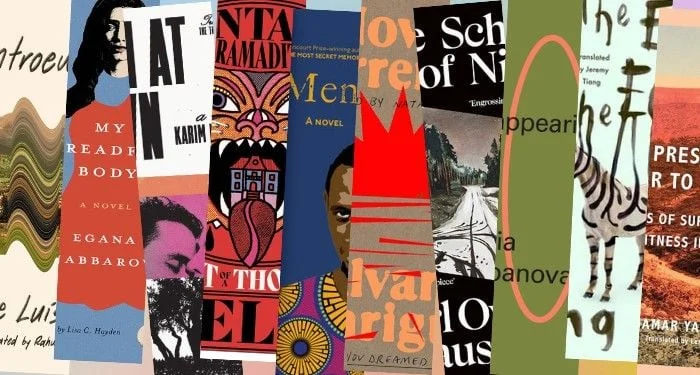
The prestigious National Book Awards officially commenced its highly anticipated autumn rollout by revealing the longlist for Translated Literature, setting the stage for what promises to be a landmark literary season. As autumn brings awards season to the forefront of the publishing industry, judges for the National Book Awards are releasing longlists across five distinct categories throughout the week. This initial announcement highlights ten exceptional works from around the globe, spanning seven different languages and marking a historic milestone for Indonesian literature in translation.
The National Book Awards stand as among the most coveted honors bestowed upon authors and translators in the United States. Administered by the National Book Foundation, the awards seek not only to recognize literary excellence but also to ensure that the impact of these celebrated works resonates deeply across the nation, fostering a broader appreciation for diverse narratives and cross-cultural dialogue.
A Storied History and Evolution of the Prize
The origins of the National Book Awards date back to 1936, when they were originally established by the American Booksellers Association. The early iterations of the prize aimed to unify a fragmented publishing marketplace and celebrate the finest American writing. However, the momentum of the awards was interrupted by the outbreak of World War II, leading to a temporary hiatus.
In 1950, the awards resumed under the collaborative leadership of several key book industry organizations, including the American Book Publishers Council and the Book Manufacturers’ Institute. As the decades progressed, the governance of the prize shifted again to establish the National Book Foundation, a non-profit organization dedicated to celebrating the best of American literature, expanding its audience, and ensuring that books occupy a prominent place in American culture.
Over the years, the structure of the awards evolved to reflect the changing literary landscape. Today, the National Book Awards honor books written by U.S. citizens or residents—and, in the case of the Translated Literature category, works translated into English—published within the United States. The program currently comprises five competitive categories: Fiction, Nonfiction, Poetry, Translated Literature, and Young People’s Literature.
The introduction of the longlist format in 2013 marked a significant shift in how the National Book Foundation builds anticipation for the prize. By expanding the initial recognition pool to ten titles per category, the Foundation widened the aperture for critical acclaim, offering readers a more comprehensive snapshot of the year’s most vital literary contributions before narrowing the field down to a five-book shortlist.
The 2026 Timeline and Award Structure
The announcement of the Translated Literature longlist initiates a carefully timed sequence of events leading up to the final gala in November. Following today’s release, the remaining longlists in the other four categories will be unveiled sequentially throughout the week.
Once all longlists are public, the panels of judges will undertake the formidable task of reducing the ten-title longlists down to five-book finalist shortlists. The announcement of the official shortlists is scheduled for October 6, 2026. This date serves as a crucial milestone, heightening public discourse and prognostications among critics, booksellers, and avid readers alike.
The culmination of the awards cycle will take place on November 18, 2026, at the National Book Awards Ceremony and Dinner in New York City, where the winners in each of the five categories will be revealed live. The financial and symbolic stakes of the competition are substantial. Each finalist who makes the October shortlist takes home a prize of $1,000 and a commemorative medal. Meanwhile, the eventual winner in each category receives a cash prize of $10,000 alongside a bronze sculpture designed to honor their enduring contribution to letters.
Breakdown of the 2026 Translated Literature Longlist
This year’s longlist for Translated Literature reflects an extraordinary breadth of global storytelling, drawing from nearly 160 books submitted for consideration by publishers, translators, and literary agents. The final selection of ten titles bridges geographical divides, linguistic traditions, and distinct cultural viewpoints, showcasing works translated from seven separate languages.
Most notably, the 2026 longlist achieves a historic breakthrough for Southeast Asian literature: for the first time in the history of the National Book Awards, a novel originally published in Indonesian and subsequently translated into English has secured a place on the longlist. This inclusion underscores the growing visibility of Indonesian narratives on the global stage and highlights the vital role that independent presses and dedicated translators play in bringing marginalized or underrepresented linguistic traditions to English-speaking readers.
The rigorous selection process was overseen by a distinguished panel of judges for the 2026 cycle. This year’s Translated Literature judges are Shelley Fairweather-Vega, Javier García del Moral, John Keene, Christopher Merrill, and Azareen Van der Vliet Oloomi. This diverse collective of writers, translators, and critics brought immense linguistic expertise and literary sensibility to the evaluation of the submissions, navigating complex stylistic registers across multiple traditions to curate the final ten titles.
Broader Implications for the Publishing Industry and Translation
The announcement of the National Book Award longlist carries significant economic and cultural implications for the translated literature sector. Historically, translated works have constituted a relatively small fraction of the total trade book market in the United States—often cited as hovering around three percent of all published fiction and poetry. Prizes of this magnitude serve as powerful correctives to this disparity, offering a high-profile platform that can dramatically alter the trajectory of a translated book’s commercial and critical life.
For independent publishers, who disproportionately champion works in translation compared to major conglomerate houses, a National Book Award longlist or finalist spot can be transformative. It frequently triggers surges in sales, prompts urgent reprints, secures foreign rights interest, and elevates the profile of the translators whose invisible labor is essential to the cross-cultural transmission of literature.
Furthermore, the recognition of languages less commonly represented on major American literary prize lists—such as the historic Indonesian inclusion in this year’s cohort—signals a broader systemic shift within the American literary establishment. Judges and award committees are increasingly looking beyond traditional European literary strongholds, embracing a truly globalized canon that reflects the multicultural reality of contemporary readership.
Looking Ahead at Awards Week
As the National Book Foundation continues its rolling announcements throughout the week, the literary community turns its collective attention toward the remaining categories. Authors, publishers, and readers will be watching closely to see which titles emerge in Fiction, Nonfiction, Poetry, and Young People’s Literature.
The dialogue generated by these longlists typically dominates cultural discourse for months, driving book club selections, library acquisitions, and holiday reading lists. With the bar now set by a diverse and globally expansive Translated Literature longlist, the 2026 National Book Awards cycle has established a high standard for literary excellence, promising an exciting autumn for readers navigating the best the global publishing world has to offer.