 Angie Faith
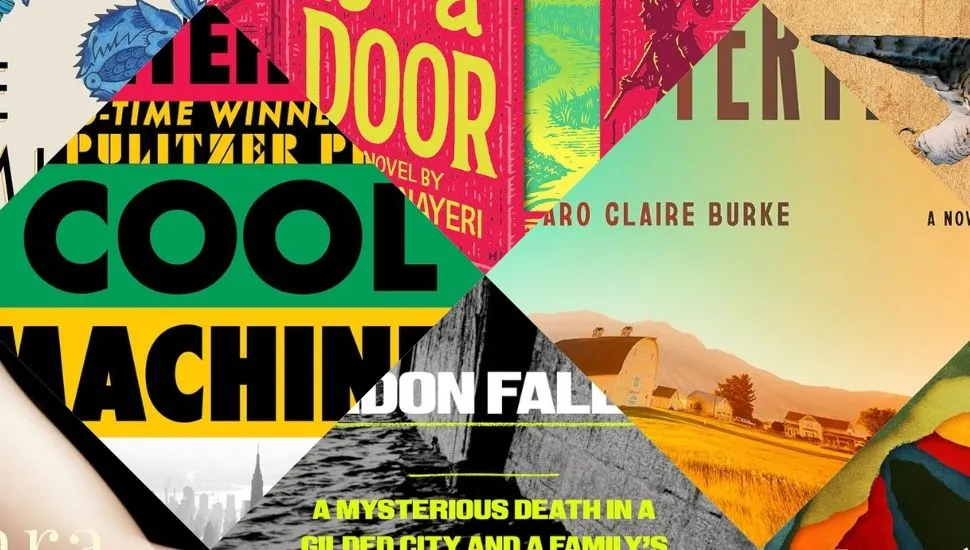
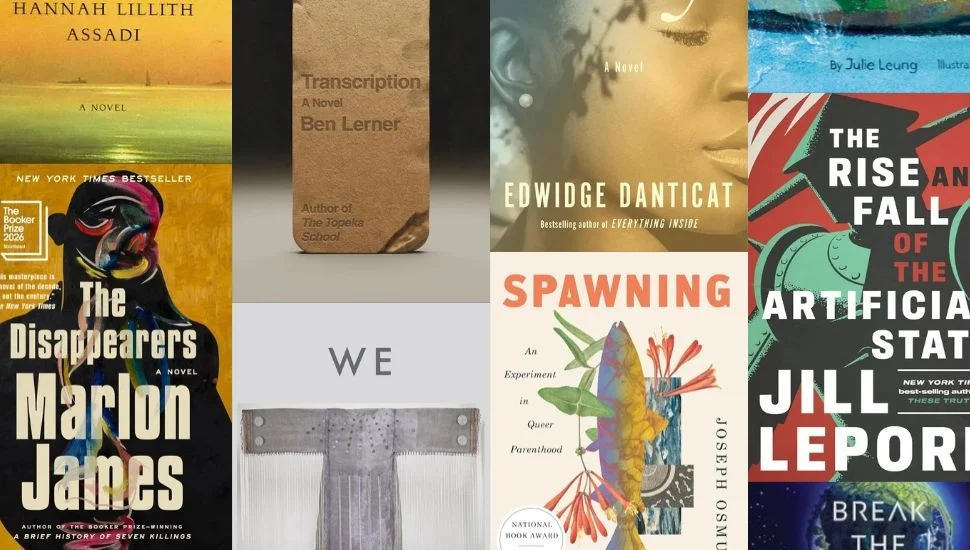
The landscape of contemporary publishing reached a notable milestone as Barnes & Noble, one of the world’s largest retail booksellers, officially announced the 16 finalists vying for its prestigious Book of the Year award. Selected from thousands of publications released throughout the year, the curated cohort represents a cross-section of the literary marketplace, blending commercial juggernauts with critical darlings. The finalists encompass a diverse range of formats and genres, broken down into six adult novels, seven works of nonfiction, and three titles dedicated to young readers. As booksellers from hundreds of storefronts across the United States narrow down their favorites, the literary community eagerly awaits the official announcement of the winner on November 12.
The announcement follows the retailer’s earlier rollout of its comprehensive best books of 2026 lists, which spanned 17 distinct categories. While those category lists celebrated niche genres, specialized interests, and targeted demographics, the Book of the Year finalist pool is designed to capture widespread cultural zeitgeist. This year’s selection highlights viral social media sensations, established award-winning authors, and breakout literary debuts that have captured the public imagination. However, the composition of the list has also ignited discussions among literary critics and industry observers regarding diversity, representation, and the commercial pressures that shape major retail accolades.
Background and Evolution of the Barnes & Noble Book of the Year
The Barnes & Noble Book of the Year award has evolved significantly over the past decade, transforming from a corporate marketing initiative into a powerful bellwether for the publishing industry. Historically, major literary prizes were dominated by academic panels, peer committees, or critical guilds—such as the Pulitzer Prize, the National Book Award, or the Booker Prize. While these traditional accolades prioritize literary innovation and artistic merit, retail awards like the Barnes & Noble Book of the Year occupy a different space, emphasizing bookseller passion, reader engagement, and commercial viability.
The selection process is distinct in its reliance on the frontline workforce. Rather than depending exclusively on corporate executives or data algorithms, Barnes & Noble empowers its vast network of store managers and booksellers to nominate and vote on the titles that resonated most with their local communities. These booksellers interact directly with everyday readers, observing firsthand which narratives spark conversations, drive foot traffic, and dominate local bestseller lists. Consequently, the Book of the Year finalist pool reflects the tastes of active, book-buying consumers who frequent brick-and-mortar storefronts.
Over the years, the designation of Barnes & Noble Book of the Year has translated into substantial commercial success for the winning title. Publishers often report significant spikes in sales following the announcement, with print runs expanding rapidly to meet increased consumer demand. For emerging authors and debut novelists, securing a spot on the finalist list—or capturing the ultimate crown—can alter the trajectory of a career, elevating mid-list titles into mainstream bestsellers and securing shelf space in retail locations nationwide.
Chronology of the 2026 Literary Awards Season
The path toward the November 12 winner announcement began months in advance, following a structured calendar designed to evaluate the publishing industry’s output across multiple quarters.
During the spring and summer of 2026, publishers submitted advanced reader copies of their marquee titles to retail buyers and bookseller committees. As spring titles gained traction and summer blockbusters hit the shelves, frontline booksellers began compiling informal notes on which stories were driving customer inquiries.
By early autumn, Barnes & Noble released its expansive category-by-category roundups, highlighting the best books across 17 distinct genres. This preliminary phase served as a filtering mechanism, narrowing thousands of newly published works down to top contenders.
In October, the retailer synthesized votes from its nationwide bookseller network to determine the official 16 finalists for the overarching Book of the Year award. This phase brought national attention to the selected authors, prompting media coverage, social media discussions, and increased retail promotions across physical and digital storefronts.
The final phase of the timeline culminates on November 12, when the ultimate winner will be unveiled to the public. Following the announcement, Barnes & Noble is slated to feature the winning title prominently in holiday displays, positioning the book as a premier gift option for the lucrative year-end shopping season.
Breakdown of the 2026 Finalist Pool
An analysis of the 16 finalists reveals distinct structural patterns in how major booksellers curate top-tier literature. The breakdown of six novels, seven nonfiction works, and three children’s or young adult books illustrates a strategic effort to balance escapist fiction with informative non-fiction and youth engagement.
The fiction category leans heavily into character-driven narratives, emotional depth, and high-concept plots. These novels are frequently selected for their broad book-club appeal, offering rich discussion points regarding human relationships, historical trauma, and personal reinvention. Several of the fiction finalists represent viral online sensations that gained massive momentum through digital reader communities, demonstrating the growing influence of online book culture on physical retail decisions.
The nonfiction segment, comprising nearly half of the overall list, underscores a sustained consumer appetite for investigative journalism, memoir, popular science, and historical deep dives. Nonfiction titles in recent years have proven particularly resilient in the retail market, as readers seek out factual context to navigate complex contemporary realities. The chosen works reflect meticulous research, compelling storytelling, and accessible prose designed to engage general audiences rather than strictly academic circles.
The young readers category rounds out the list with three selections aimed at fostering a lifelong love of reading among children and teenagers. These books were evaluated based on their ability to captivate young imaginations, support developmental milestones, and provide shared reading experiences for families and educators.
Industry Analysis and Representation Debates
While the Barnes & Noble Book of the Year finalists celebrate notable literary achievements, the announcement has also drawn scrutiny from literary analysts regarding demographic representation. Industry observers noted that Black, Indigenous, and People of Color (BIPOC) authors are significantly underrepresented among the 16 finalists. This observation has reignited broader industry conversations regarding systemic disparities in publishing, marketing budgets, and retail visibility.
Critics argue that major retail accolades carry a responsibility to reflect the diverse tapestry of the reading public. When retail lists lean heavily toward homogeneous selections, it can inadvertently marginalize equally deserving works by diverse authors who may not receive the same initial marketing push or distribution scale from major publishing houses. Proponents of greater diversity emphasize that inclusive curation not only enriches the literary ecosystem but also expands the market by connecting with historically underserved reader demographics.
Conversely, defenders of the selection process maintain that the finalist pool is a direct reflection of aggregate bookseller votes and commercial sales data. From this perspective, the list mirrors current market trends and the specific titles that achieved the highest sell-through rates across physical retail locations. However, industry stakeholders increasingly recognize that sales data is inextricably linked to publisher investment, publicity campaigns, and structural support—factors that publishers and retailers alike are continually pressed to distribute more equitably.
Economic Implications for Authors and Publishers
The commercial stakes surrounding the Barnes & Noble Book of the Year are substantial. For publishing houses, having a title included in the finalist group provides an invaluable marketing asset during the critical fourth-quarter sales window. The fourth quarter, encompassing the holiday shopping period, typically accounts for a disproportionate share of annual book industry revenue. Titles endorsed by major retailers enjoy enhanced placement, eye-catching signage, and cooperative marketing support that drives consumer purchases.
For the authors themselves, the distinction offers both financial validation and enhanced literary standing. While award monies associated with retail prizes vary, the secondary economic benefits—such as increased subsidiary rights interest, paperback licensing deals, speaking engagement fees, and elevated advances for future book contracts—can be transformative. Debut authors, in particular, benefit from the institutional backing of a major national retailer, which helps bridge the gap between initial publication obscurity and household name recognition.
Looking Ahead to November 12
As the publishing industry counts down the days to November 12, anticipation continues to build across literary circles. Readers, critics, and industry professionals are actively debating which of the 16 finalists will ultimately claim the coveted title. Regardless of which specific book emerges victorious, the finalist list itself serves as a comprehensive snapshot of the literary trends, reader preferences, and commercial forces that defined the publishing landscape in 2026. Barnes & Noble will host special promotional events and displays leading up to the announcement, ensuring that the spotlight remains fixed on these exceptional works of contemporary literature.