 Angie Faith
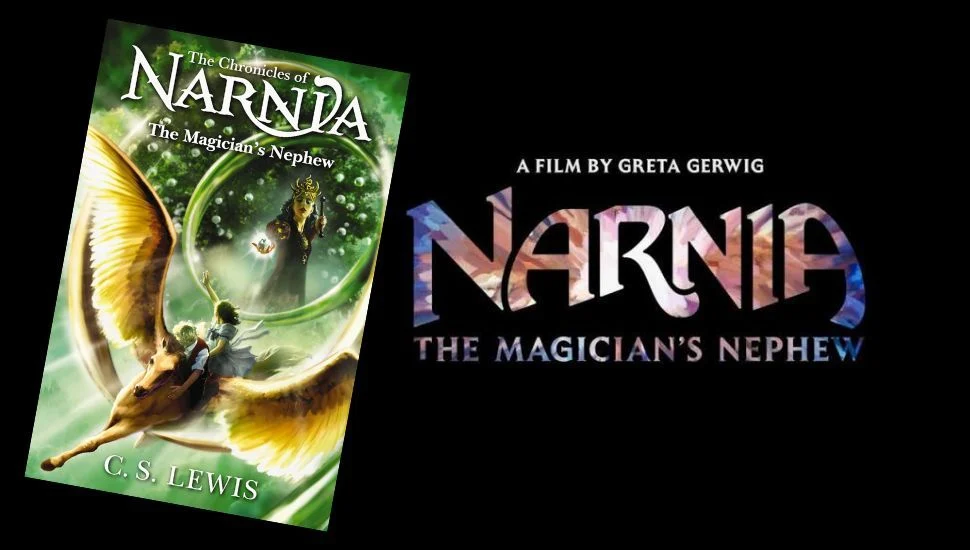
Streaming giant Netflix has officially released the long-awaited first trailer for Narnia: The Magician’s Nephew, directed by acclaimed filmmaker Greta Gerwig. The upcoming fantasy epic, which serves as a cinematic adaptation of C.S. Lewis’s foundational novel in the Chronicles of Narnia chronology, is scheduled to receive an exclusive theatrical release on February 12, prior to its streaming debut on the platform. The trailer offers audiences the most comprehensive look to date at Gerwig’s distinct visual aesthetic and narrative approach to the beloved literary universe, generating substantial industry interest and fan engagement across global media platforms.
Main Facts and Production Overview
The project marks a significant milestone for Netflix as the platform attempts to establish a robust, interconnected cinematic and television universe based on C.S. Lewis’s seven-book fantasy series. Netflix secured the adaptation rights in 2018 through a multi-year agreement with The C.S. Lewis Company, marking the first time a single entity has held the rights to adapt all seven books across film and television formats. Greta Gerwig, widely celebrated for her critical and commercial successes with Little Women (2019) and Barbie (2023), signed on to write and direct at least two films in the planned franchise.
The Magician’s Nephew occupies a unique place within the Narnian literary canon. Although it was the sixth book published in the series—released in 1955, five years after The Lion, the Witch and the Wardrobe—it functions chronologically as a prequel. The story details the creation of Narnia, the origins of the wardrobe, the tragic history of the dying world of Charn, and the early mechanisms of magic that connect our world to fantastical realms. By choosing this text as her entry point into the franchise, Gerwig has opted to bypass the traditional starting point of the original publication order, setting the stage for a grand mythological foundation rather than starting immediately with the Pevensie siblings’ adventures during World War II.
Chronology of the Narnia Franchise Adaptations
To understand the weight and expectation surrounding Greta Gerwig’s new project, it is essential to examine the historical timeline of screen adaptations associated with C.S. Lewis’s work.
- 1988–1990: The BBC produced a landmark television adaptation covering four of the books, including The Lion, the Witch and the Wardrobe, Prince Caspian, The Voyage of the Dawn Treader, and The Silver Chair. This version remains a nostalgic benchmark for many fans of classic British television.
- 2005: Walden Media and Walt Disney Pictures released The Chronicles of Narnia: The Lion, the Witch and the Wardrobe, directed by Andrew Adamson. The film was a massive box-office success, grossing over $745 million worldwide and earning an Academy Award for Best Makeup and Hairstyling.
- 2008: Disney and Walden Media released the sequel, The Chronicles of Narnia: Prince Caspian, which underperformed relative to its predecessor, grossing approximately $419 million globally.
- 2010: 20th Century Fox took over distribution for The Chronicles of Narnia: The Voyage of the Dawn Treader, directed by Michael Apted. It grossed roughly $415 million worldwide. Plans for subsequent adaptations stalled due to expiring rights and budgetary considerations.
- 2018: Netflix announced a landmark partnership with The C.S. Lewis Company to develop new film and series projects based on the entire literary catalog.
- 2022–2023: Greta Gerwig was officially confirmed to helm the initial feature films for the Netflix adaptation initiative, entering pre-production following the completion of her work on Barbie.
- February 12: Narnia: The Magician’s Nephew is scheduled to premiere in theaters, establishing a new theatrical window strategy for select Netflix event films.
Supporting Data and Market Context
The financial and cultural stakes for Netflix’s Narnia franchise are among the highest in the company’s history. Industry analysts estimate that the cumulative budget for the initial films under Gerwig’s direction will surpass historical benchmarks for fantasy streaming content, positioning the franchise as a direct competitor to major intellectual properties like Amazon Prime Video’s The Lord of the Rings: The Rings of Power and Warner Bros. Discovery’s upcoming Harry Potter television series.
Market research indicates that fantasy adaptations continue to command significant consumer interest, provided the production values align with theatrical expectations. By securing a major theatrical release window ahead of the streaming premiere, Netflix is signaling a strategic shift in how it handles major franchise flagships. This hybrid distribution model aims to maximize box-office revenue, enhance cultural prestige, and drive subscriber acquisitions upon the film’s transition to the digital platform. Furthermore, consumer products partnerships, publishing revivals, and audiobook promotions are already underway, capitalizing on the renewed public interest generated by the marketing campaign.
Official Responses and Industry Perspectives
While formal review embargoes remain in place ahead of the February theatrical opening, representatives from Netflix and The C.S. Lewis Company have expressed profound enthusiasm for Gerwig’s creative direction. Executives noted that Gerwig’s ability to balance deeply emotional character development with vast world-building makes her uniquely suited to interpret Lewis’s complex themes of creation, temptation, redemption, and morality.
Literary scholars and C.S. Lewis biographers have also weighed in on the decision to adapt The Magician’s Nephew first. Many academics argue that starting with the prequel provides modern audiences with a clearer philosophical roadmap of the Narnian universe. Unlike the wartime setting of the Pevensie stories, The Magician’s Nephew explores Victorian London, scientific ambition, cosmic responsibility, and the mythological genesis of Aslan’s song. Commentators suggest that this approach allows filmmakers to establish a mature, mythic tone from the outset, distinguishing this iteration from the 2000s Disney and Fox film series.
Broader Impact and Industry Implications
The release of the trailer and the impending debut of Narnia: The Magician’s Nephew carry significant implications for the broader entertainment industry. As traditional Hollywood studios and streaming services alike grapple with superhero fatigue and diminishing returns on established intellectual property, the successful revival of literary fantasy classics has become a critical business priority.
For Netflix, the project represents a crucial test of its ability to manage high-budget, theatrical-grade event cinema. Historically known for mid-budget prestige films and serialized television, the streaming pioneer has increasingly invested in marquee cinematic properties to compete directly with legacy Hollywood studios. If Gerwig’s film achieves both critical acclaim and commercial success at the box office, it could validate Netflix’s evolving distribution strategy, which increasingly incorporates theatrical windows for major tentpole releases.
Moreover, the cultural footprint of C.S. Lewis’s work stands to be reintroduced to an entirely new generation of readers and viewers. As the February 12 theatrical release approaches, heightened anticipation surrounds how modern visual effects technology, combined with Gerwig’s distinct narrative voice, will breathe new life into one of the most enduring fantasy landscapes in modern literature.