Angie Faith
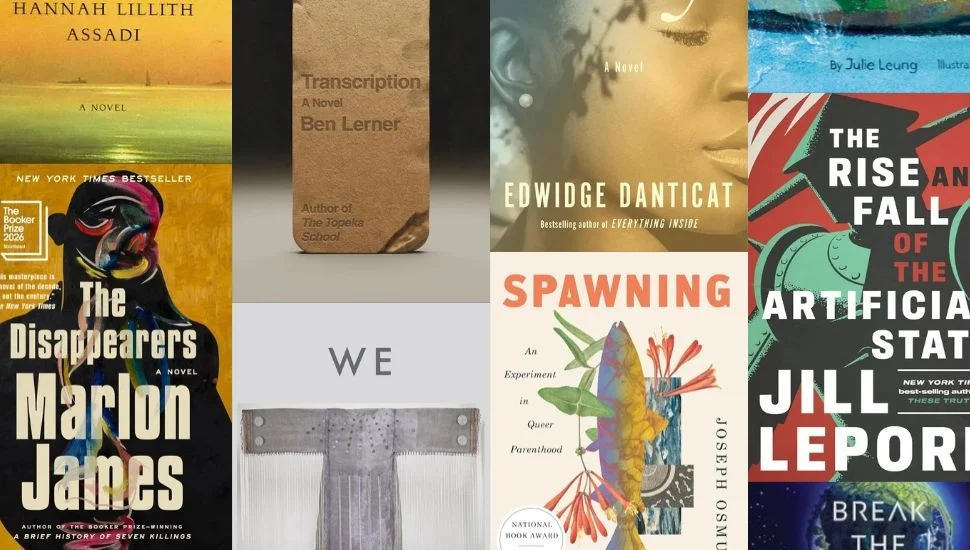
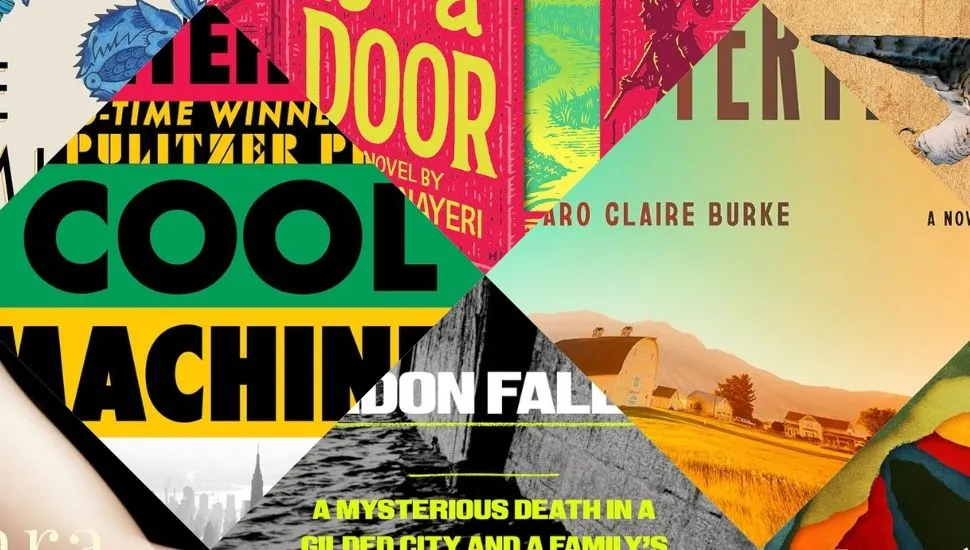
The literary world has turned its collective gaze toward one of the industry’s most influential annual traditions as Publishers Weekly officially released its comprehensive selection of the 150 best books of 2026. Announced on October 23, 2026, the prestigious compilation highlights the finest literary and commercial releases of the calendar year, offering a definitive roadmap for readers, booksellers, librarians, and publishers alike. Comprising an elite all-around Top 10 list alongside meticulously curated selections across 12 distinct genre categories, the rollout serves as both a celebration of contemporary authorship and a critical barometer for the health and direction of the modern publishing industry.
The release of the Publishers Weekly annual best-of list arrives at a pivotal juncture in the literary marketplace. As the industry continues to navigate shifting consumer habits, economic pressures, and the evolving digital landscape, curated lists from established trade publications carry immense weight. For publishers, inclusion on these lists can revitalize a backlist title or propel a debut author into the mainstream consciousness. For independent booksellers and public libraries, the 150-title roster offers a trusted vetting mechanism, guiding purchasing decisions ahead of the critical year-end holiday shopping season.
The Anatomy of the 2026 Selection Process
Compiled through months of rigorous reading, debate, and consensus-building by the magazine’s veteran editorial staff, the 150 selections represent the culmination of a year-long critical review process. Publishers Weekly, a trade publication that has served the book publishing industry since 1872, employs a panel of specialized critics and editors who evaluate thousands of traditionally published and independently released titles throughout the year.
The evaluation criteria extend far beyond commercial viability or sheer sales figures. Editors assess works based on literary craftsmanship, originality of voice, thematic resonance, structural innovation, and the cultural relevance of the narrative. The resulting 150-book catalog spans fiction, nonfiction, poetry, graphic novels, children’s literature, and genre-specific categories such as mystery, science fiction, biography, and history.
At the pinnacle of this year’s announcement sits the all-around Top 10 list, a tightly contested grouping that features the absolute standout titles of 2026. While the trade publication’s editors deliberate behind closed doors for weeks, the final selection traditionally reflects a balance between critically acclaimed literary heavyweights and breakout hits that captured the cultural zeitgeist.
A Chronological Look at the Fall Publishing Season and Awards Cycle
The unveiling of the Publishers Weekly list does not occur in a vacuum; rather, it is strategically timed to coincide with the crescendo of the autumn literary awards season. The chronology of the late-year publishing calendar follows a well-established rhythm designed to maximize visibility for the industry’s most significant releases.
Throughout the spring and summer months of 2026, publishers rolled out their heavy-hitter titles, capitalizing on vacation reading trends and summer book club momentum. By September, the focus shifted toward the autumn publishing window—a traditionally lucrative period characterized by major releases from established authors, highly anticipated political memoirs, and literary fiction poised for prize consideration.
In October, the literary landscape enters its most active awards phase. The announcement of major prizes, including the National Book Award finalists and winners, frequently aligns with or closely precedes year-end roundups from major trade publications like Publishers Weekly, Kirkus Reviews, and Library Journal. By releasing its top 150 books in late October, Publishers Weekly provides the industry with a comprehensive overview that synthesizes critical consensus just as consumers begin planning their year-end reading and gifting lists.
Breakdown of the 12 Categories and Industry Representation
Beyond the marquee Top 10, the enduring strength of the Publishers Weekly list lies in its granular categorization. By dividing the remaining 140 titles across 12 distinct genre categories, the publication ensures that diverse literary forms receive dedicated attention.
While the complete breakdown highlights everything from sweeping historical fiction to groundbreaking works of science and social commentary, the overarching structure reflects broader industry trends in 2026. Observers note a sustained surge in crossover literary fiction—novels that successfully blend genre elements, such as speculative futures or psychological suspense, with high-literary prose styles. Furthermore, nonfiction categories continue to experience robust engagement, particularly works examining environmental policy, technological ethics, and contemporary global history.
Diversity in authorship and perspective remains a cornerstone of the selection criteria. Over the past decade, trade publications have faced increasing scrutiny to ensure their best-of lists accurately reflect the multicultural tapestry of the contemporary reading public. The 2026 selection underscores a continued commitment to amplifying marginalized voices, translated literature from international markets, and publications from independent and university presses that might otherwise be overshadowed by the marketing machinery of major corporate publishing houses.
Editorial and Industry Reactions
While official corporate statements from publishing houses regarding individual list placements are typically reserved for promotional campaigns, the broader industry reaction to the Publishers Weekly unveiling is consistently one of validation and strategic adjustment.
Literary agents and publicists monitor the list closely, often utilizing a client’s inclusion in pitch materials for upcoming book deals or international rights sales. For debut authors, landing a spot among the 150 best books of the year can be a career-defining moment, instantly elevating their profile among foreign publishers, film adaptation scouts, and festival organizers.
Independent booksellers have also praised the breadth of the categorization. In interviews regarding inventory curation, store owners frequently cite trade publication roundups as essential tools for hand-selling books to discerning customers. In an era dominated by algorithmic recommendation engines utilized by major online retailers, human-curated lists like those from Publishers Weekly offer a trusted, authoritative alternative that highlights books requiring patience and sophisticated storytelling.
Broader Economic and Cultural Implications
The release of the 2026 best-of list carries significant economic implications for the publishing sector. Fourth-quarter sales—often referred to in the retail industry as the "golden quarter"—frequently account for 30% to 40% of a bookstore’s annual revenue. Titles featured prominently on major year-end lists experience a measurable bump in consumer demand, frequently necessitating emergency reprints by publishing houses to keep pace with orders from major retail chains and independent stores alike.
Moreover, these lists play a crucial role in shaping the literary canon of tomorrow. Books that secure a place on definitive industry roundups are more likely to be adopted into university syllabi, featured in long-running book clubs, and preserved in library archives. By contextualizing the cultural production of 2026, Publishers Weekly provides future historians and literary scholars with a snapshot of the narratives, anxieties, and artistic triumphs that defined the era.
As the literary community digests the 150 titles selected for 2026, attention will inevitably begin to turn toward the upcoming winter awards ceremonies and the preliminary announcements for the spring 2027 publishing season. For now, however, authors, publishers, and readers have a definitive, expertly curated guide to the very best that literature had to offer over the past twelve months.