Indra Kusuma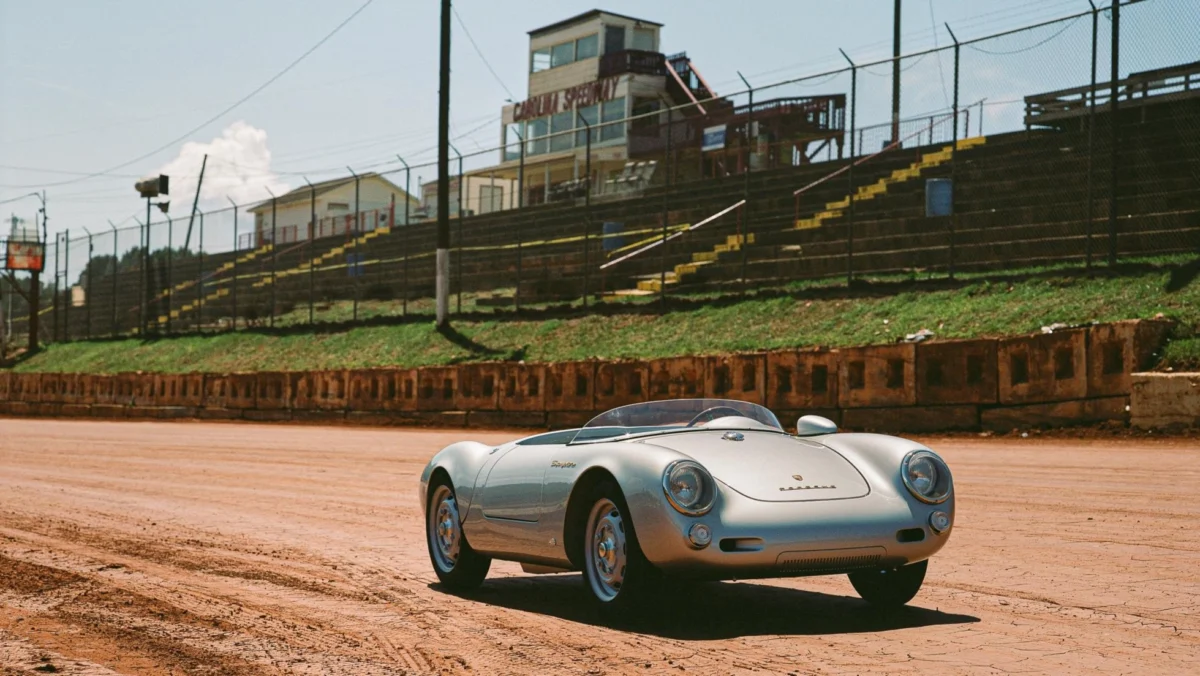
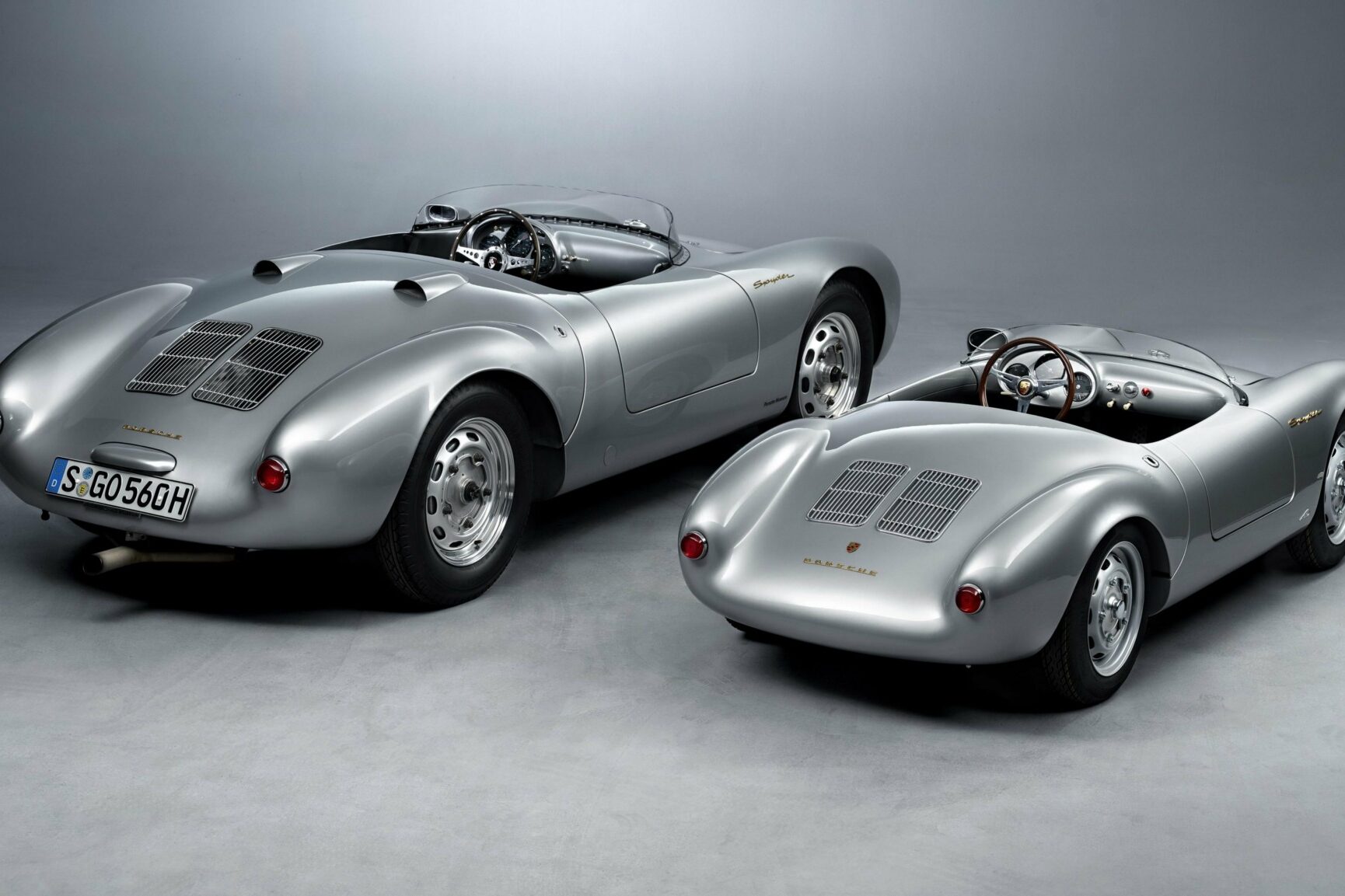
The Porsche 550 Spyder stands as one of the most significant vehicles in automotive history. First introduced in 1953, it was the company’s first purpose-built racing car, designed to challenge the dominance of larger, more powerful competitors. To commemorate the 75th anniversary of this engineering marvel, Porsche has partnered with the British specialist firm Hedley Studios to produce the 550 J—a limited-production, 80 percent scale electric roadster that bridges the gap between high-end collector’s art and functional automotive performance.
A Legacy of Racing and Cultural Significance
The original Porsche 550 Spyder was born from the vision of Ferry Porsche and the engineering prowess of the Zuffenhausen team. By stripping away the weight of standard road cars and utilizing a mid-engine, rear-wheel-drive layout, Porsche created a vehicle that was remarkably nimble. The car’s mid-engine configuration—a layout that would eventually define the Porsche supercar lineage—allowed for superior weight distribution and handling.
Throughout the 1950s, the 550 Spyder secured legendary victories, most notably at the 1954 Carrera Panamericana and the 24 Hours of Le Mans, where it repeatedly outpaced larger-displacement engines. Beyond the racetrack, the 550 Spyder achieved a permanent position in the American zeitgeist, inextricably linked to the legacy of Hollywood icon James Dean. The combination of its aerodynamic, silver-bodied profile and its association with the rebellious spirit of the 1950s cemented the 550 as a cultural icon, making any modern interpretation a matter of significant interest to both the automotive and design communities.
The Engineering of the 550 J
The 550 J, where the suffix denotes "Junior," is the result of an exhaustive collaborative effort between Porsche and Hedley Studios. Unlike standard automotive models or toys, the 550 J is constructed with the same level of attention to detail as a full-sized production vehicle. Hedley Studios, known for their work in high-fidelity automotive recreations, utilized 3D scanning technology on original 550 Spyder chassis to ensure that the proportions, lines, and cockpit ergonomics remained true to the 1953 original.
The vehicle is composed of over 1,300 individual components. The bodywork is crafted from carbon fiber to maintain a low curb weight while offering the structural rigidity required for a drivable machine. The propulsion system is entirely electric, reflecting the shift in the modern automotive industry while maintaining the "nimble" ethos of the original car.

The base model is equipped with an 8 kW (approximately 11 hp) electric motor, capable of propelling the roadster to a top speed of 40 mph. For enthusiasts seeking a more performance-oriented experience, the optional RS Package upgrades the battery capacity and motor output to 16 kW (21 hp), increasing the top speed to 50 mph. While these figures may appear modest by modern highway standards, the low seating position and the lack of a traditional windshield—unless specified by the buyer—provide an immersive driving experience that mimics the raw sensation of 1950s open-cockpit racing.
Chronology of Development and Design
The development process for the 550 J spanned several years of research into the Porsche corporate archives. Hedley Studios’ methodology involved a deep dive into original blue-prints, photography, and documentation from the early 1950s. This archival research was essential to replicate the specific nuances of the interior, including the authentic gauges, the steering wheel materials, and the classic dashboard configuration.
By 2024, the prototype phase concluded, with the companies focusing on the integration of modern safety and electrical components within the vintage-styled chassis. The production run was officially announced to coincide with the milestone 75th anniversary of the 550 line, positioning the 550 J not merely as a car, but as a celebratory artifact.

Customization and The Bespoke Program
Recognizing that the target demographic for the 550 J consists of serious automotive collectors, Porsche and Hedley Studios have implemented an extensive customization program. The exterior paint options include a wide array of historical and contemporary colors, providing access to the Porsche Paint-to-Sample palette that is typically reserved for the 911 series.
Interior appointments are equally bespoke, featuring high-grade leathers and faux suede materials that can be matched to specific historic liveries. Customers can choose between various cockpit configurations, including the presence or absence of the classic cowl and windshield, allowing for a personalized aesthetic. For those who require total exclusivity, a dedicated Bespoke program allows for custom modifications that go beyond the standard options, ensuring that each of the 250 planned units possesses a unique identity.
Economic Context and Market Position
The 550 J enters a niche but growing market for "junior" or "collector-grade" vehicles. With a starting price of approximately £69,500 ($93,000 USD), the car is priced significantly higher than a standard luxury vehicle, yet it occupies a unique segment for collectors who own the full-sized vintage equivalents.

The decision to limit production to 250 units worldwide is a strategic move to preserve long-term value and ensure the exclusivity of the model. Industry analysts suggest that this pricing strategy aligns the 550 J with fine art and high-end horology, where the value is derived as much from the scarcity and historical provenance as it is from the technical specifications.
Implications for the Automotive Industry
The release of the 550 J reflects a broader trend among legacy automakers: the preservation of brand heritage through modernized, boutique-scale production. By outsourcing the physical manufacturing to a specialized partner like Hedley Studios while maintaining strict oversight of design and branding, Porsche is able to engage its collector base without diverting resources from its primary electric vehicle development programs.
Furthermore, the 550 J highlights the increasing viability of electric propulsion in small-scale, high-performance applications. The use of electric motors allows for a lightweight, low-maintenance, and emission-free vehicle that is perfectly suited for use on private estates, closed-course circuits, or display at automotive events.

Official Perspectives
While specific statements from executive leadership remain focused on the design legacy, the partnership between Porsche and Hedley Studios is viewed as a validation of the "Junior" car concept. By moving beyond the traditional toy model and into the realm of high-performance electric machinery, Porsche is signaling that the spirit of its early racing days remains a core pillar of its identity, even as the brand transitions toward a fully electrified future.
The 550 J is not intended for street use, a fact that both parties are careful to emphasize. Its purpose is to act as a tangible link to the past—a machine that allows owners to experience the thrill of 1950s sports car engineering with the convenience and reliability of 21st-century technology. As the 250 units make their way into private collections globally, the 550 J will likely become a centerpiece of the Porsche enthusiast community, representing a rare moment where history and modern innovation intersect in a package that is as functional as it is aesthetic.
Prospective buyers and enthusiasts can track the production updates and technical specifications through the dedicated portal at 550j.com, which serves as the primary hub for the project’s rollout. As the automotive world looks back at the 75-year milestone of the 550, the 550 J serves as a final, high-fidelity testament to the car that set the standard for everything that followed.