
 Indra Kusuma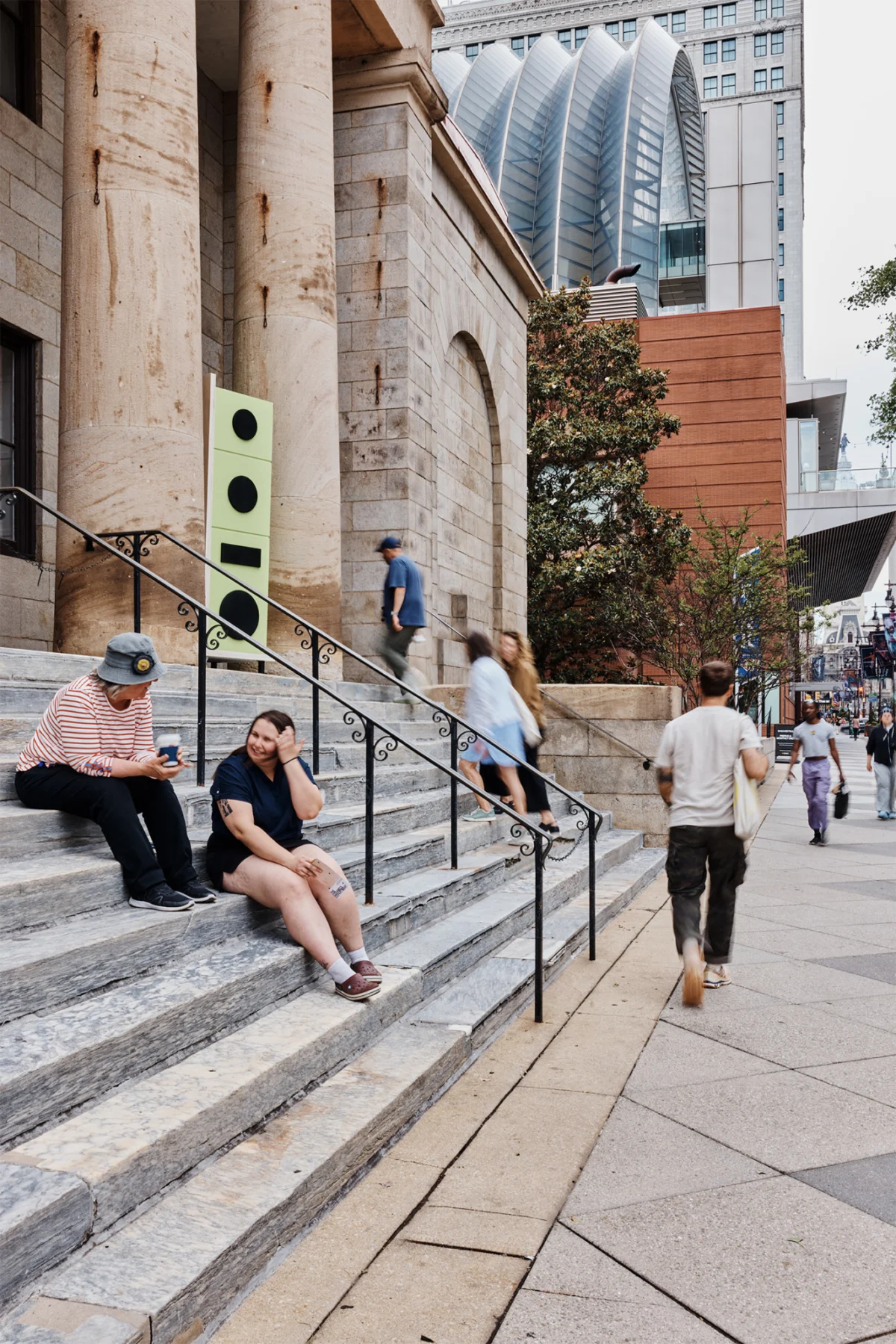
Beginning July 1, 2026, the venerable architecture of the Village of Industry & Art (VIA) at 320 South Broad Street in Philadelphia will transcend its traditional role, evolving into an expansive open-air listening room. This ambitious public installation, titled Sounds of Philadelphia, is set to redefine urban engagement by transforming the historic facade of the adaptive reuse project into a dynamic sonic canvas, inviting residents and visitors to experience the city’s rich musical heritage in an unprecedented way. For two hours daily, through September 22, 2026, a series of architecturally integrated sculptural speakers will broadcast a meticulously curated playlist, celebrating Philadelphia’s profound contributions to the world of music and fostering moments of collective pause and connection.
The Genesis of an Urban Soundscape: Extending Culture to the Sidewalk
The core concept behind Sounds of Philadelphia is to democratize cultural experience, moving beyond the confines of traditional galleries and performance venues to directly engage the public realm. From 11 a.m. to 1 p.m. each day, the installation will imbue the VIA’s front steps and surrounding plaza with a vibrant tapestry of sounds—music either written, recorded, or profoundly inspired by Philadelphia. This free, accessible initiative spans an eclectic array of genres, from the soulful rhythms and jazz improvisations that define much of the city’s sonic identity to the raw energy of punk, the intricate storytelling of hip-hop, and the innovative spirit of indie music.
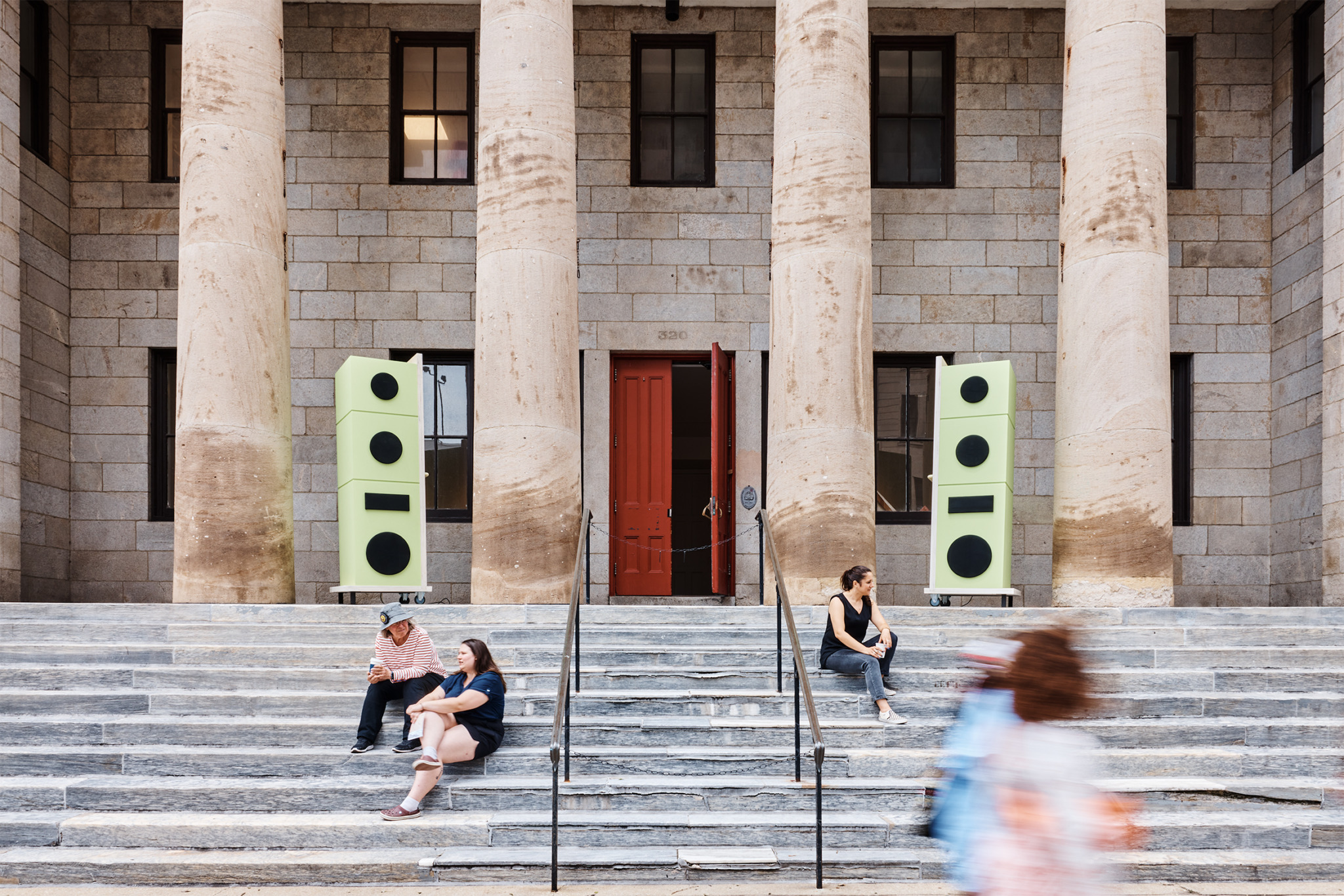
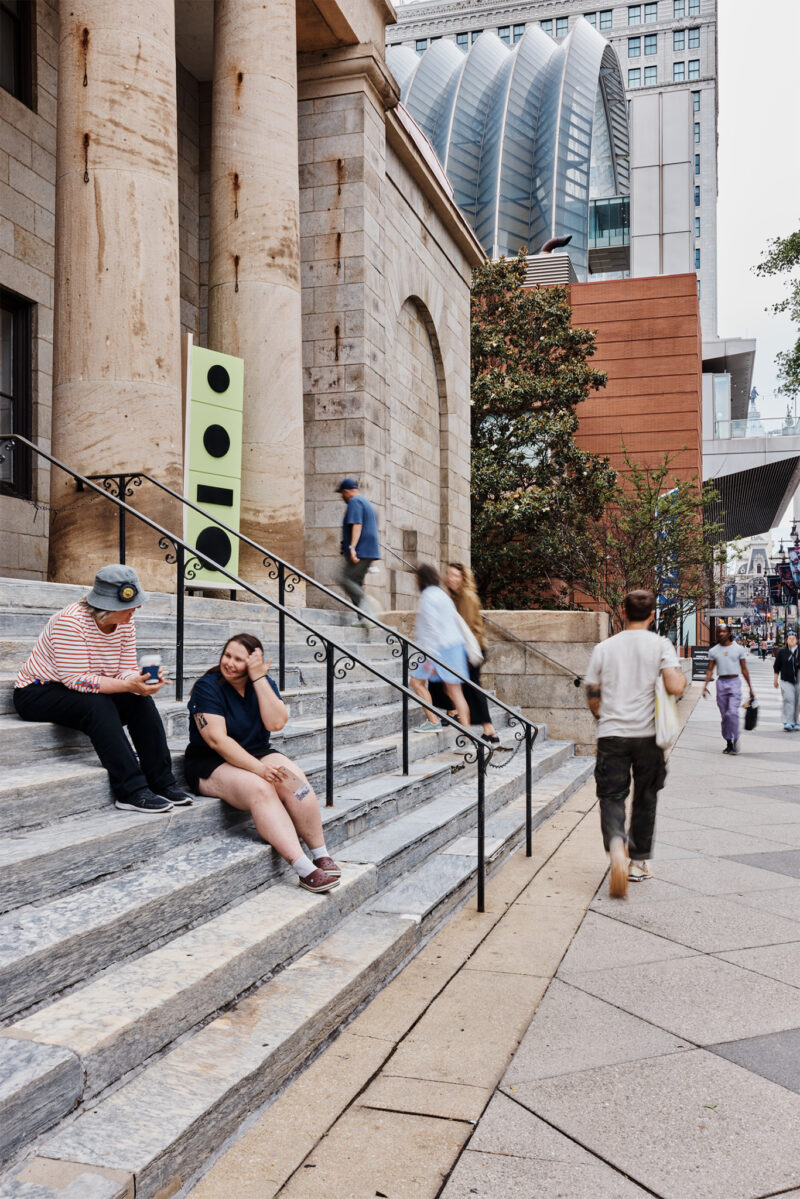
The physical embodiment of this sonic vision comes through seven-foot-tall sculptural speakers, designed by the Philadelphia-based firm Scout in collaboration with fabricator Tim Gleeson. Crafted from Baltic birch plywood and MDF, these impressive structures function simultaneously as compelling sculptural objects and high-fidelity sound equipment. Their strategic placement against the backdrop of the VIA’s neoclassical facade creates a unique dialogue between historical architecture and contemporary design. This deliberate integration serves not merely as a scheduled performance but as an ambient invitation to linger, to absorb, and to recognize that public spaces possess an inherent capacity to foster spontaneous moments of shared experience and community connection, often as effectively as formally programmed events.
The Venue: Village of Industry & Art and the Avenue of the Arts
The selection of the Village of Industry & Art (VIA) as the site for Sounds of Philadelphia is deeply symbolic and strategically significant. Housed within the former University of the Arts buildings on Philadelphia’s esteemed Avenue of the Arts, VIA represents a pioneering model of adaptive reuse. The complex has been meticulously reimagined to serve as a vibrant hub for a burgeoning community of cultural organizations and creative enterprises, thereby positioning artists and their work at the very nexus of urban life. The installation thus emerges as a natural extension of the building’s evolving identity, functioning simultaneously as a workplace, a gathering place, and now, an immersive cultural beacon.
The Avenue of the Arts itself holds a storied place in Philadelphia’s cultural landscape. Stretching along South Broad Street, it is home to a concentrated collection of the city’s major cultural institutions, including the Kimmel Center for the Performing Arts, the Academy of Music, and various theaters and galleries. The transformation of the former University of the Arts campus into VIA underscores a broader commitment to preserving Philadelphia’s artistic legacy while fostering new generations of creators. The university, founded in 1876 as the Philadelphia Museum and School of Industrial Art, had a long and distinguished history as a prominent institution for visual and performing arts education. Its transition into VIA, following a period of financial challenges, represents a new chapter for the historic buildings, ensuring their continued relevance as vital cultural infrastructure. This strategic repurposing aligns perfectly with the ethos of Sounds of Philadelphia, which seeks to activate and celebrate public space through artistic intervention.
Curating Philadelphia’s Musical Tapestry
The heart of Sounds of Philadelphia lies in its meticulously curated playlist, developed in a meaningful partnership with the Philadelphia Music Alliance. This non-profit organization is renowned for its dedication to celebrating the city’s musical luminaries through the Philadelphia Music Walk of Fame, also located along the Avenue of the Arts. This collaboration ensures that the sonic narrative broadcast from the VIA facade is not only authentic but deeply resonant with the city’s musical soul.
Philadelphia’s musical legacy is extraordinarily rich and diverse, spanning nearly a century of groundbreaking innovation. From the golden era of "Philadelphia Soul" in the 1970s, characterized by the lush orchestrations and smooth vocals of artists like Gamble & Huff, The O’Jays, and Patti LaBelle, to the groundbreaking jazz scene that produced legends such as John Coltrane and Billie Holiday, the city has been a consistent crucible of musical excellence. The playlist will undoubtedly reflect these foundational influences, weaving in the intricate rhythms of jazz, the emotive power of R&B, and the undeniable groove of funk.
Beyond these classic genres, Philadelphia has also been a significant incubator for more contemporary sounds. The city boasts a robust hip-hop tradition, birthing iconic groups like The Roots and influential artists such as Will Smith (as The Fresh Prince). Its punk and indie rock scenes have consistently pushed boundaries, with bands carving out unique identities within the national landscape. The curated selection for Sounds of Philadelphia promises to be a comprehensive journey through this sonic history, encompassing celebrated anthems, hidden gems, and tracks that encapsulate the spirit and storytelling of the city. It’s an auditory history lesson, presented not in a classroom, but on a bustling urban sidewalk.
Public Art, Placemaking, and Civic Engagement
Sounds of Philadelphia is more than just an art installation; it’s a powerful exercise in placemaking and civic infrastructure. Placemaking, a multifaceted approach to the planning, design, and management of public spaces, emphasizes the creation of vibrant, inclusive places that foster well-being and connection. By transforming a static architectural facade into an interactive sound experience, the project actively blurs the lines between public art, urban design, and community development.
In an era where public spaces increasingly contend with digital distractions and the atomization of urban life, Sounds of Philadelphia offers a refreshingly analog, sensory-rich experience. It challenges the conventional understanding of public space, demonstrating its potential as a dynamic forum for shared cultural encounter. Lindsey Scannapieco, managing partner at Scout, eloquently captures this sentiment: "What I love about Philadelphia is that connecting with strangers over culture and expression is so much a part of the rhythm of daily life. You’re walking down the street and someone’s dancing, someone’s singing, people are just in it together." This observation underscores the project’s ambition to tap into an inherent Philadelphia characteristic: a spontaneous, communal appreciation for art and expression.
The seven-foot-tall speakers, acting as "sculptural interventions," not only project sound but also serve as visual markers, drawing attention to the VIA’s architectural grandeur. This dual functionality enhances the building’s role, allowing it to actively participate in the city’s ongoing cultural conversation. It signifies a shift from passive observation to active engagement, transforming the streetscape into a stage for collective listening and interaction.
Broader Impact and Implications
The implications of an installation like Sounds of Philadelphia extend far beyond its immediate aesthetic appeal. Such initiatives are increasingly recognized for their capacity to drive urban revitalization, foster community cohesion, and stimulate local economies.
- Economic Impact: Public art installations often act as powerful magnets for both local residents and tourists. Increased foot traffic along the Avenue of the Arts can translate into tangible benefits for surrounding businesses, including cafes, restaurants, and retail shops. While precise figures for Sounds of Philadelphia are yet to be compiled, studies on similar urban cultural projects suggest potential increases in local spending by 10-20% during the duration of such installations. This economic uplift supports local employment and reinforces the Avenue of the Arts’ reputation as a vibrant cultural and commercial corridor.
- Cultural Tourism: Philadelphia, already a destination rich in history and culture, gains another unique attraction with Sounds of Philadelphia. This temporary, immersive experience offers a distinct reason for cultural tourists to visit, enhancing the city’s appeal on national and international stages. It positions Philadelphia as an innovator in urban cultural programming, contributing to its brand as a dynamic, forward-thinking metropolis.
- Community Building and Civic Pride: By creating a shared, accessible experience, the installation fosters a sense of collective ownership and pride among Philadelphians. Listening to the city’s musical legacy in a public setting can evoke nostalgia, spark conversations, and create new memories, thereby strengthening community bonds. It encourages residents to view their city through a fresh lens, appreciating its artistic depth and communal spirit.
- Reimagining Public Spaces: In an era of rapid urbanization, the thoughtful activation of public spaces is crucial. Sounds of Philadelphia serves as a compelling case study for how temporary artistic interventions can transform underutilized or traditionally static urban areas into dynamic centers of activity and interaction. It encourages city planners and developers to consider sensory experiences—beyond just visual aesthetics—as integral components of successful urban design.
- Alignment with VIA’s Mission: For the Village of Industry & Art, this installation reinforces its foundational mission. By hosting such a prominent public art project, VIA solidifies its role as a nexus for creativity, collaboration, and community engagement. It demonstrates how adaptive reuse can breathe new life into historic structures, making them not just preserved relics, but active participants in the city’s contemporary cultural narrative.
Leaders from the Philadelphia Music Alliance might emphasize the installation as a testament to the city’s enduring musical spirit. A hypothetical statement could include: "The Philadelphia Music Alliance is thrilled to partner on ‘Sounds of Philadelphia.’ This installation allows us to bring the legends and rhythms of our city’s musical heritage directly to the people, celebrating the artists who have shaped our identity in a truly innovative way. It’s a living, breathing extension of the Walk of Fame, making our music accessible to everyone who walks this iconic street." Similarly, a representative from VIA could highlight the institution’s commitment to public engagement: "Our vision for the Village of Industry & Art is to be a vibrant center where creativity thrives and connects with the broader community. ‘Sounds of Philadelphia’ perfectly embodies this, transforming our historic facade into a welcoming space for artistic appreciation and shared experience, reinforcing our role as a vital cultural anchor on the Avenue of the Arts."
A Summer of Sensory Discovery
As Philadelphia moves into the summer of 2026, Sounds of Philadelphia promises a season of sensory discovery. It offers a unique counterpoint to the city’s bustling pace, providing an opportunity for contemplation, enjoyment, and connection through the universal language of music. The installation transcends a simple display; it is an invitation to participate in a collective auditory journey, to re-engage with a familiar streetscape through a different sense, and to appreciate the profound ways in which art, architecture, and sound can converge to tell a city’s story.
For the duration of this summer, one of Philadelphia’s most historic facades will do more than merely frame the city; it will resonate with its very heart and soul, broadcasting a narrative that celebrates a legacy of musical innovation and community spirit. It stands as a testament to Philadelphia’s ongoing commitment to enriching public life through accessible, imaginative cultural initiatives.
Sounds of Philadelphia will be on view from July 1 through September 22, 2026, at the Village of Industry & Art (VIA), 320 S. Broad Street in Philadelphia. The installation is free and open to the public daily from 11 a.m. to 1 p.m. Further details and program updates can be found at villageofindustryandart.com.







