Indra Kusuma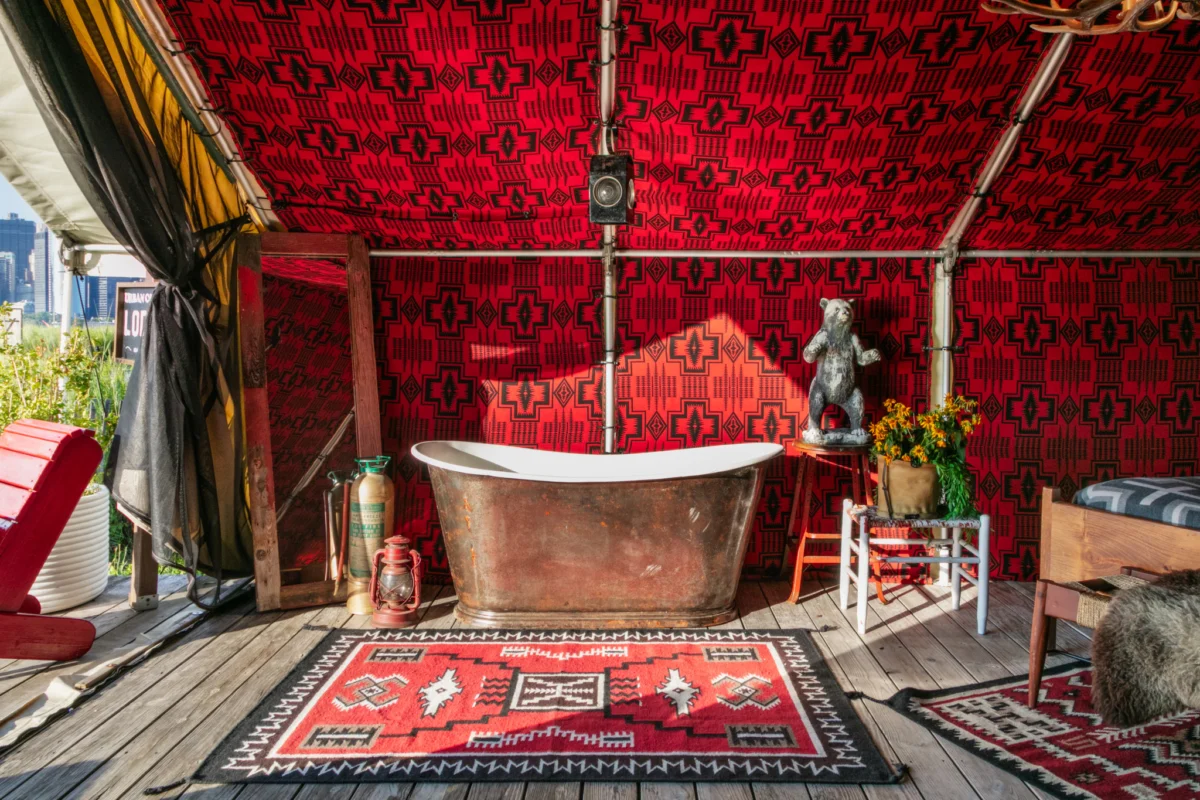
New Yorkers have long sought refuge from the unrelenting pace of urban life in the sprawling wilderness of the Catskills and the Adirondacks. Yet, for those tethered to the five boroughs by professional obligations or a preference for proximity, the concept of "getting away" has been radically redefined over the last decade. Since 2018, Collective Retreats has operated a six-acre seasonal glamping destination on Governors Island, offering a hybrid hospitality model that combines the rustic allure of outdoor living with the accessibility of an eight-minute ferry ride from Lower Manhattan. This season, the retreat has introduced its most distinct offering to date: the Urban Cowboy Tent, a collaborative project that marks a significant shift in the site’s design language and experiential strategy.
A New Chapter in Urban Hospitality
The introduction of the Urban Cowboy Tent represents a strategic expansion for both Collective Retreats and the Urban Cowboy brand, founded by Lyon Porter. The project is not merely an aesthetic change; it is an attempt to transplant the "maximalist rustic" identity that has made the Urban Cowboy Lodge in the Catskills a destination for design-conscious travelers since 2020.
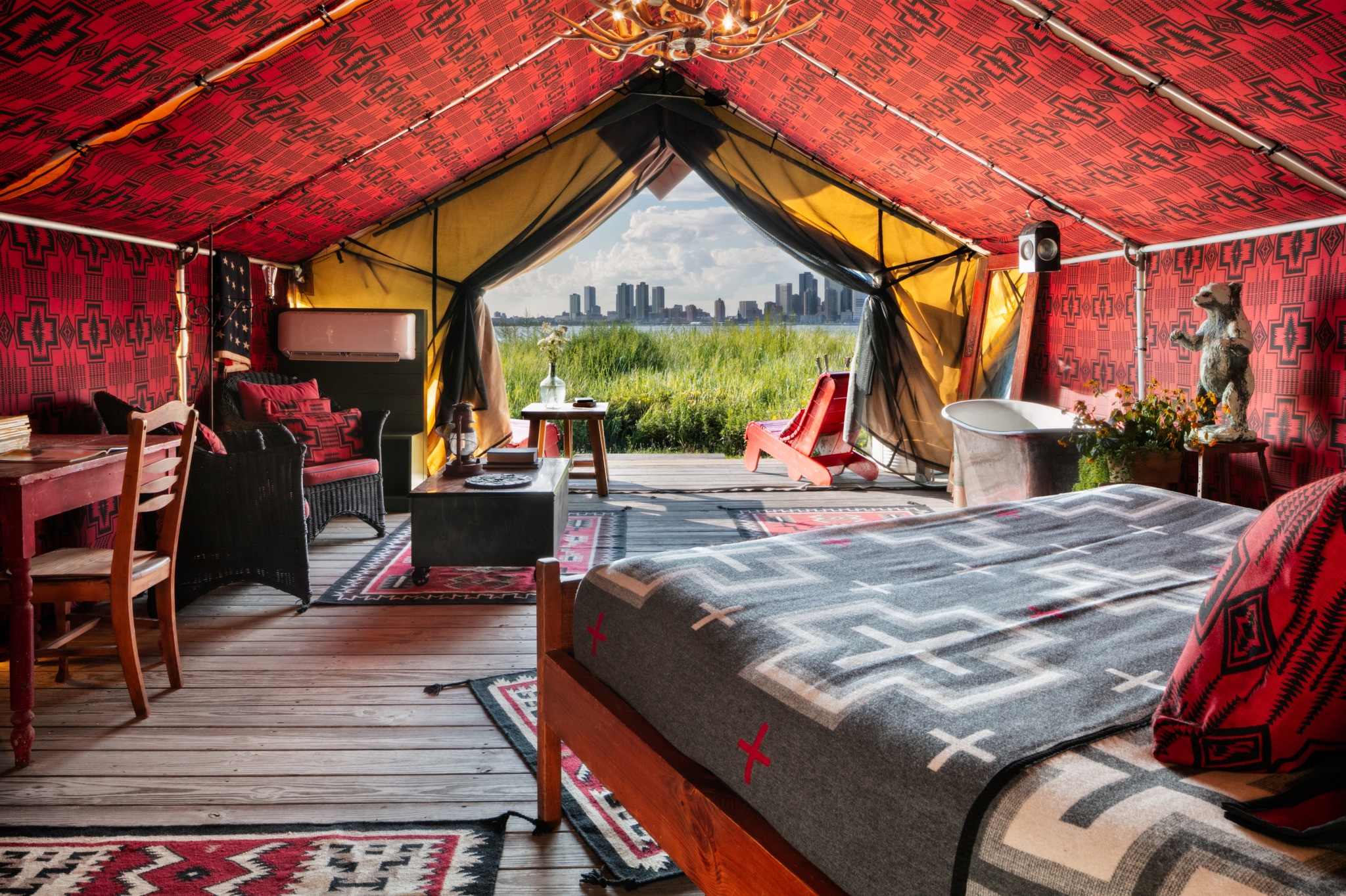
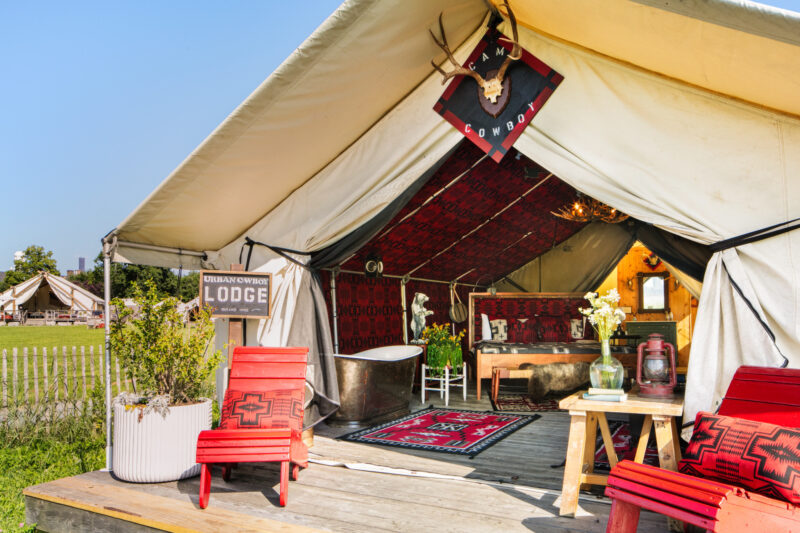
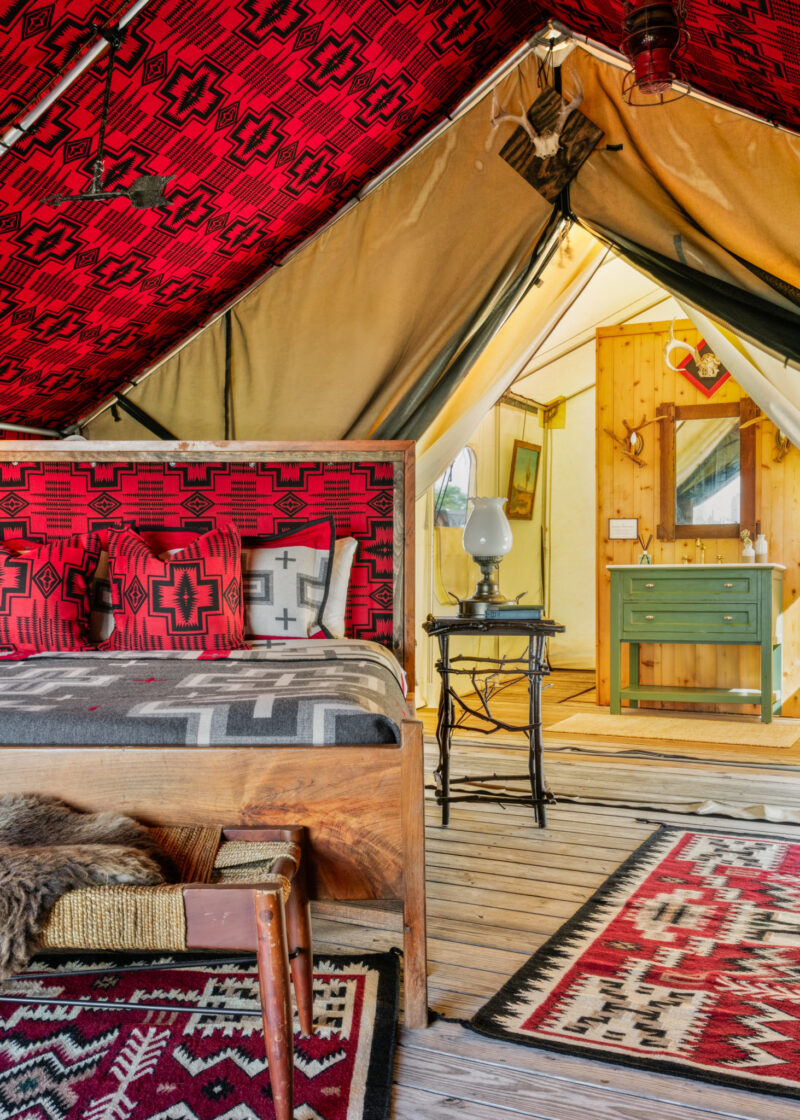
By integrating the design sensibilities of Cowboy Creative—the studio led by Porter—into the Governors Island site, the partnership aims to cater to a demographic that values narrative-driven design. The 325-square-foot tent serves as a canvas for a collection of curated objects that prioritize texture and history. The interior is defined by red Pendleton textiles and El Paso Saddle Blanket rugs, creating an atmosphere that feels intentionally weathered and lived-in. Unlike standard glamping accommodations, which often lean toward minimalist, neutral palettes, this space leans heavily into the romanticized iconography of the American West.
Chronology of the Governors Island Retreat
The evolution of Governors Island from a decommissioned military base to a premier recreational hub has been steady and deliberate. The site, managed by the Trust for Governors Island, has become a focal point for seasonal tourism and public events.
- 2018: Collective Retreats officially opens its seasonal site, introducing the concept of luxury glamping to the island.
- 2020: The Urban Cowboy Lodge opens in the Catskills, establishing a successful partnership between Porter and Dovetail + Co., the hospitality group behind Collective Retreats.
- 2022-2024: Collective Retreats shifts focus toward more thematic, high-design partnerships to increase guest retention and differentiate from a growing market of regional glamping alternatives.
- September 2026: The Urban Cowboy Tent is unveiled on Governors Island, marking the first formal, branded collaboration between the two entities on the island.
This timeline reflects a broader trend in the hospitality sector: the transition from "destination-first" travel to "experience-first" travel. Travelers are increasingly selecting accommodations based on the specific aesthetic and cultural narrative offered, rather than solely on geographic location.
The Anatomy of the Design: Sourcing and Craftsmanship
The Urban Cowboy Tent stands out for its commitment to "found object" design, a philosophy that minimizes new production in favor of reclamation. Lyon Porter’s approach to the tent’s interior involves a deliberate search for historical items that possess character. Items were sourced from established markets such as the Beacon Flea Market and Elephant Trunk, ensuring that the space feels as though it has been curated over time rather than staged for a weekend.
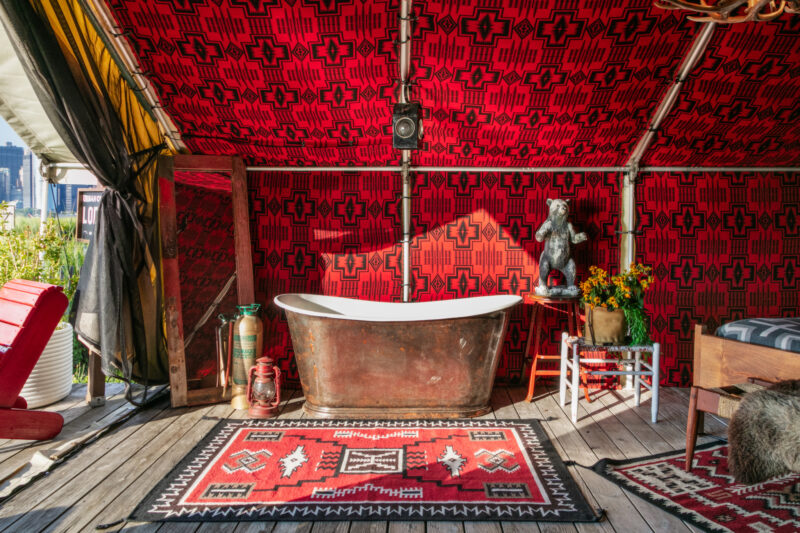
Among the standout features is a French cast-iron bathtub. According to Porter, the acquisition of this specific piece serves as a case study in the brand’s economic and aesthetic strategy. While a high-end antique tub of this caliber could carry a market valuation of $11,000, the team secured the piece for $400 from a Connecticut estate. The 500-pound unit was repurposed, maintaining its original, naturally rusted patina on the exterior, which contrasts with the clean, white porcelain interior. This juxtaposition of "ruined" aesthetics and modern luxury is a hallmark of the Urban Cowboy brand.
Complementing these vintage pieces is the work of Kevin Jacob Design, which was commissioned to provide bespoke elements. This includes hand-painted stenciling and custom signage that integrate the Urban Cowboy branding into the structure of the tent. Mounted deer antlers and repurposed boat oars serve as structural and decorative anchors, further cementing the thematic connection between the maritime environment of the harbor and the interior’s "cowboy" ethos.
Modern Amenities in a Rustic Shell
Despite the deliberate attempt to evoke a sense of history and ruggedness, the tent is engineered to meet contemporary luxury standards. The inclusion of an HVAC system ensures climate control, a necessary feature for the variable weather of the New York Harbor. The ensuite bathroom—a rarity in traditional camping—is equipped with a standing shower and a sophisticated plumbing system that provides consistent hot water for the cast-iron tub.
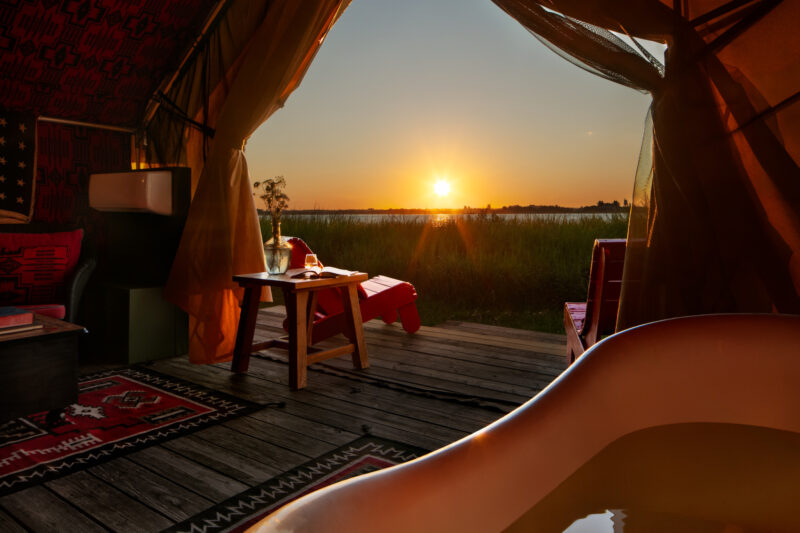
The placement of the tub is a calculated design choice. It is angled specifically to face the harbor, allowing guests to view the sunset and the Statue of Liberty from the water-facing side of the tent. This integration of local landmarks into the private experience of the guest is a primary driver of the property’s premium pricing and demand.
Economic and Industry Implications
The collaboration between Dovetail + Co. and Urban Cowboy highlights the maturation of the glamping industry. According to industry analysis from the American Glamping Association, the North American glamping market has seen a consistent annual growth rate exceeding 10% since 2020. As the market becomes more saturated, successful operators are moving away from basic "tent-in-the-woods" models toward branded, boutique-style experiences that offer high-touch design elements.
By situating this high-end tent in an urban-adjacent environment, the operators are effectively capturing a market segment that desires the aesthetic of a remote wilderness lodge without the logistical burden of long-distance travel. For the local economy of Governors Island, this represents an increase in high-value tourism, as guests who stay in such specialized accommodations are statistically more likely to utilize other on-site amenities, such as local dining and recreational programming.
Official Stance and Future Outlook
The partnership views the Urban Cowboy Tent as a "transportive" experience. In a digital-first world, Porter emphasizes that the goal of the space is to offer an "enveloping, tactile alternative to screen time." By focusing on heavy, physical objects—such as cast iron, wool, and wood—the design encourages guests to engage with their surroundings rather than their devices.
While the current installation is scheduled to remain available through the end of November 2026, the success of this collaboration may influence future iterations of the Governors Island site. Hospitality groups often use seasonal, short-term installations as a testing ground for broader permanent design changes. If the Urban Cowboy Tent achieves high occupancy rates and positive guest feedback, it is highly probable that the model of branded, curated glamping will become a permanent fixture at the site.
For now, the project stands as a testament to the influence of "maximalist rustic" design in luxury hospitality. As urbanites continue to seek ways to reconcile their proximity to the city with their desire for nature-adjacent comfort, the Urban Cowboy Tent provides a tangible, if ephemeral, solution. Reservations remain open to the public via the Collective Retreats booking platform, marking a unique moment in the ongoing development of the New York City tourism landscape.