rifanmuazin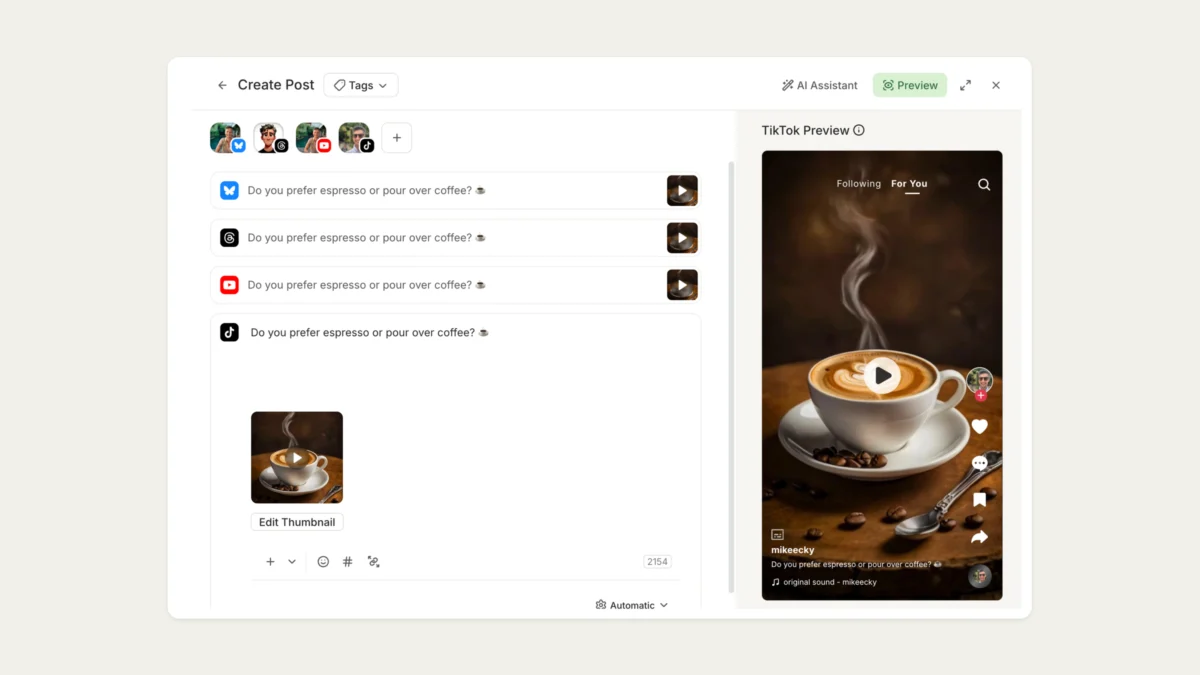
Buffer, a leading social media management platform, has announced a significant modernization of its Composer, the central interface where users draft, refine, and publish their social media content. This comprehensive architectural and aesthetic revamp, developed by a dedicated internal team over several months, is designed not only to enhance the current user experience but also to establish a robust foundation for a new generation of features, transforming Buffer from a primary scheduling tool into a more integrated and collaborative social workspace.
The Strategic Imperative: Addressing Technical Debt and Evolving User Needs
For an extended period, the Composer, despite its critical role as the most-used surface within the Buffer product suite, operated on an aging legacy codebase. While functional, this underlying infrastructure presented substantial challenges for maintenance, improvement, and future expansion. Each minor adjustment carried inherent risks, and the integration of new features demanded navigating complex, layered code, significantly slowing down the development cycle. This technical debt, common in rapidly evolving software platforms, posed a strategic hurdle to Buffer’s agility and its capacity to meet contemporary user expectations.
This modernization effort did not emerge in isolation. Over the past year, Buffer has systematically introduced meaningful enhancements across its platform, including significant improvements to scheduling functionalities, the integration of a highly anticipated dark mode, and a broad visual refresh progressively rolled out across the product. These changes collectively generated momentum and, crucially, cultivated an expectation among users for a consistently modern and intuitive experience across all facets of Buffer. As the centerpiece of content creation, the Composer became the logical and necessary next step in this holistic product evolution.
Furthermore, direct engagement with Buffer’s user base underscored the urgency of this transformation. A comprehensive study conducted last year, involving conversations with over 30 Buffer users, revealed a consistent theme: a strong desire for the platform to feel like a cohesive, contemporary workspace, extending beyond its established reputation as merely a scheduling tool. Industry trends corroborate this sentiment, with market research indicating a growing demand for integrated platforms that support the entire content lifecycle—from brainstorming and drafting to collaboration and analytics—rather than fragmented point solutions. Modernizing the Composer is a direct, strategic response to these insights, positioning Buffer to fulfill its ambition of becoming the go-to environment for brainstorming, drafting, collaborating, and publishing social content.
Under the Hood: A Deep Dive into the Architectural Transformation
The initial phase of the Composer modernization prioritized foundational architectural improvements over immediate, flashy feature releases. This strategic decision underscores Buffer’s commitment to long-term stability and scalable innovation. The core technical changes implemented include:
-
Modern State Layer Implementation: The Composer previously relied on outdated data stores, leading to unpredictable behavior and inefficiencies. The engineering team introduced a modern state layer, characterized by its leaner architecture and enhanced clarity. This new system provides a much clearer understanding of data flow within the Composer, resulting in more efficient data loading and movement, improved data integrity, and a more predictable development environment for future features. This directly translates to a more responsive and reliable experience for the end-user.

-
Integration with the Popcorn Component System: A significant step involved migrating the Composer to Buffer’s proprietary "Popcorn" component system. This standardized design system ensures visual and functional consistency across the entire Buffer application. This integration was critical, as it "unblocked" numerous improvements that were previously unachievable due to the Composer’s isolated legacy architecture. These improvements include seamless support for new side panels, enhanced responsiveness across various devices and screen sizes, and full compatibility with the recently introduced dark mode and broader visual refresh. This alignment drastically reduces design and development overhead, fostering a unified user experience.
-
Overhaul of Tool Side Panels: The functionality and presentation of tools within the Composer’s side panels underwent a complete redesign. The new panels are engineered for superior responsiveness and predictability, ensuring that users can interact with various content tools (e.g., media libraries, analytics, scheduling options) more fluidly. This re-architecture improves discoverability and ease of use, contributing to a more intuitive content creation workflow.
-
Extended Post Previews: A notable enhancement for user convenience is the extension of post previews to all selected channels, even within the omni-composer mode. This allows users to visualize how their content will appear across different social platforms simultaneously, facilitating tailored adjustments and ensuring brand consistency before publication. This feature significantly reduces the margin for error and streamlines the review process.
-
Refined Channel Fields, Media Handling, and Dialogs: Attention to detail extended to fundamental interface elements such as channel fields, media handling, and various dialog boxes. While these changes might not be immediately obvious to every user, they collectively contribute to a noticeably smoother, more consistent, and polished overall experience. The improvements in media handling, for instance, ensure more reliable uploads and previews, which are crucial for visually-driven social content.
These foundational improvements, while primarily architectural, have already resulted in a Composer that looks, feels, and operates with greater polish and reliability, setting the stage for substantial future innovations.
Collaborative Momentum: A Cross-Functional Achievement
The successful modernization of the Composer is a testament to Buffer’s collaborative culture and cross-functional teamwork. Projects of this scale rarely succeed without unified effort, and this initiative saw close collaboration across engineering, design, and product teams. The project’s momentum was significantly amplified by Buffer’s broader strategic objective of elevating the entire product to a first-class user experience.
A particularly noteworthy contribution came from Buffer’s customer Advocates. Given the Composer’s central role in daily user workflows, any change, no matter how small, can be disruptive or disorienting. The Advocates played an indispensable role in navigating customers through the transition, meticulously gathering feedback on initial impressions and identifying areas where the new experience might feel unfamiliar or suboptimal. Their direct engagement with users provided invaluable insights, allowing the development teams to iterate and refine the implementation based on real-world usage. This continuous feedback loop exemplifies Buffer’s commitment to user-centric development.
A Buffer spokesperson remarked, "The Composer modernization project truly highlights the power of our small, close-knit team. The seamless collaboration between engineering, design, product, and especially our customer Advocates was crucial. Their dedication ensured that while we rebuilt the core, we never lost sight of the user experience. This kind of synergy is what we’re genuinely proud of at Buffer; no single team could have achieved this alone."

The Road Ahead: Unlocking a Vision for a Comprehensive Social Workspace
The true strategic significance of this modernization lies in what it unlocks for Buffer’s future roadmap. The new architecture provides the necessary agility and stability to implement a series of ambitious features, moving Buffer decisively beyond its identity as a mere scheduling tool towards a holistic creative and collaborative social workspace.
Key upcoming features and strategic directions include:
- Integrated Templates: Soon, users will have direct access to content templates within the Composer, enabling them to leverage proven formats and best practices without disrupting their workflow. This will streamline content creation, particularly for recurring posts or campaigns.
- Enhanced Notes and Content Feeds: Buffer is actively developing deeper support for notes and content feeds. This aims to transform the platform into a central repository for ideas, drafts, and curated content, further integrating the pre-publication stages of content creation.
- Ambitious Composer Vision: Looking further ahead, Buffer plans for a more comprehensive Composer experience featuring:
- Post Groups: Facilitating the organization and management of related social media posts.
- Improved Drafts: More robust drafting capabilities, allowing for iterative content development and version control.
- Calendar-Based Planning: The ability to plan out ideas and content directly on the calendar interface, offering a visual and intuitive overview of the content pipeline.
- Smoother Content Creation Workflow: An overarching goal to create an even more seamless and complete content creation process, from initial concept to final publication and analysis.
These capabilities, which were largely unrealistic under the constraints of the old architecture, are now not only feasible but are actively being integrated into Buffer’s strategic plan. This evolution positions Buffer more competitively against platforms that offer broader content management and collaboration features, appealing to marketing teams and content creators seeking an all-in-one solution. The move reflects a broader industry trend towards integrated digital workspaces, and Buffer’s investment in its core infrastructure ensures it remains at the forefront of this shift.
Building with Momentum: Transparency and User-Centric Development
Buffer maintains a strong philosophy of "building in the open," a commitment to transparency that involves sharing its strategic thinking, product roadmap, and even its successes and failures with its user community. This approach fosters a deeper relationship with users and contributes to a more robust product development cycle driven by genuine feedback. The Composer modernization stands as a prime example of this intentional product development strategy. Not every significant project culminates in a flashy public feature announcement; often, the most impactful work is foundational, creating the essential bedrock upon which all subsequent innovations become possible.
The company is now building with considerable momentum, with each successive product enhancement building synergistically on the last. Existing Buffer users can expect to experience a tangible difference in the platform’s performance and intuitiveness, with many more impactful updates anticipated in the near future.
Buffer continues to invite active engagement from its user community. Feedback on the enhanced Composer’s feel, functionality, and ideas for future features are actively encouraged. These ongoing conversations are deemed integral to Buffer’s iterative development process, ensuring that the platform evolves in direct response to the needs and aspirations of its global user base, collectively building the optimal version of Buffer.