 Indra Kusuma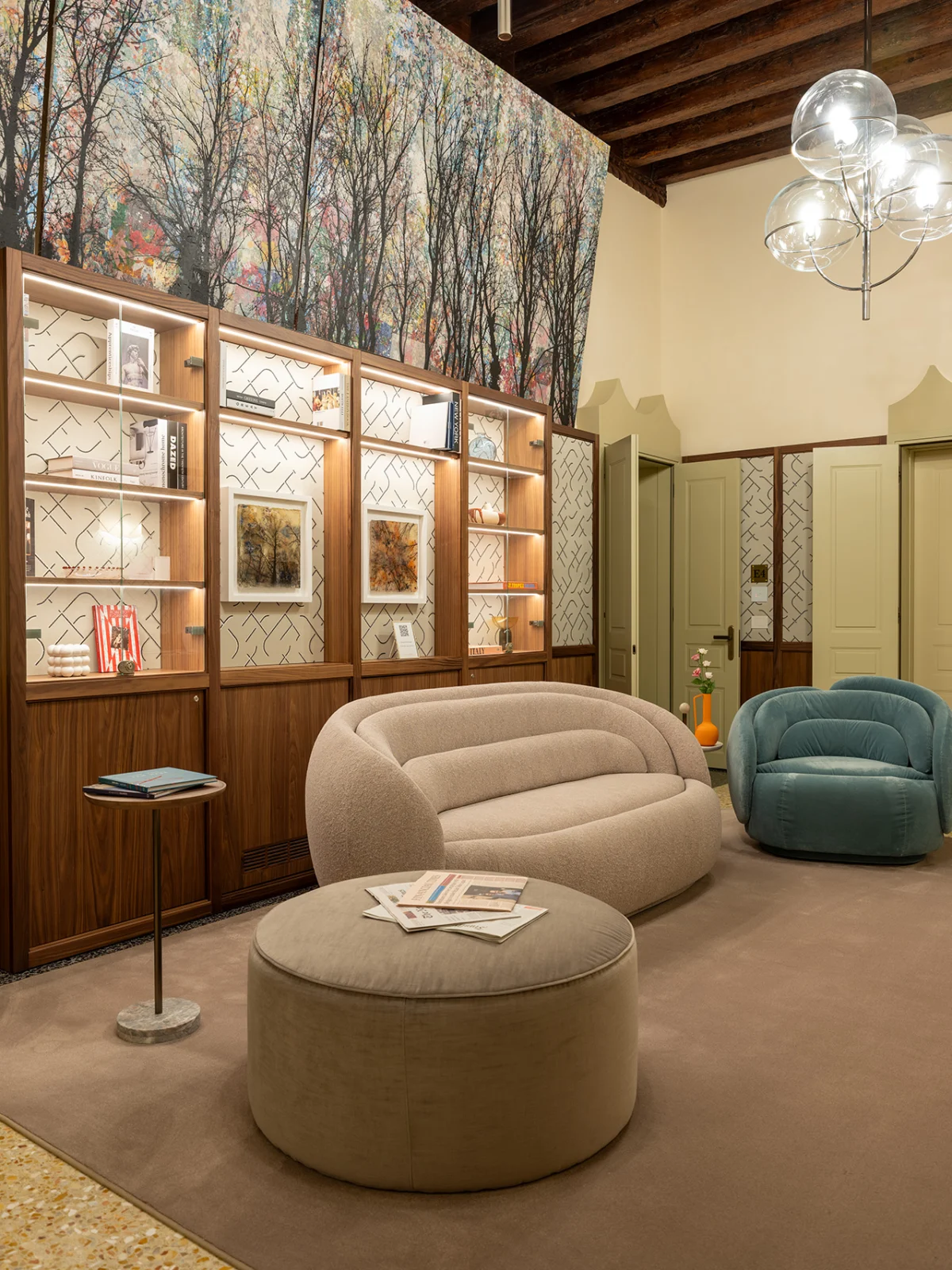
The landscape of Venetian hospitality has long been defined by a tension between the preservation of 17th-century heritage and the demands of modern luxury. With the recent unveiling of Elizabeth Unique Venice, the city’s historic Cannaregio district—often overlooked in favor of the San Marco epicenter—has gained a new landmark that bridges these two disparate worlds. As the first Venetian property to join the prestigious Design Hotels portfolio, the hotel serves as a case study in adaptive reuse, transforming a traditional palazzo into a contemporary sanctuary that prioritizes the lived experience of the city over the performative grandeur of its tourism-heavy counterparts.
A Chronology of Transformation
The project’s inception was rooted in the vision of owner Vittorio Curatella, who sought to honor his grandmother, Elisabetta, by creating a space that felt less like a transit point for tourists and more like a private residence. The timeline of the development reflects a meticulous approach to historical preservation. Following the acquisition of the 17th-century palazzo, the project underwent a comprehensive multi-year restoration process. Milan-based architect Cristina Celestino was commissioned to spearhead the interior design, tasked with the delicate mandate of retaining the structural integrity of the site—specifically its exposed timber beams and vaulted ceilings—while layering in a distinctly contemporary visual language.
The hotel officially opened its doors in late 2026, marking a significant entry for the Design Hotels brand in the Venetian market. The renovation did not simply involve cosmetic updates; it required the structural integration of modern mechanical systems and acoustic insulation within a centuries-old framework, ensuring that the 14 guest rooms and suites met current international hospitality standards without compromising the architectural narrative of the palazzo.

Architectural Language and Materiality
The aesthetic strategy employed by Celestino departs from the monochromatic, often overly opulent styles traditionally found in the city’s high-end hotels. Instead, the design leans into a vibrant, chromatic informality. The interior architecture functions as a dialogue between the building’s heritage and modern Italian design.
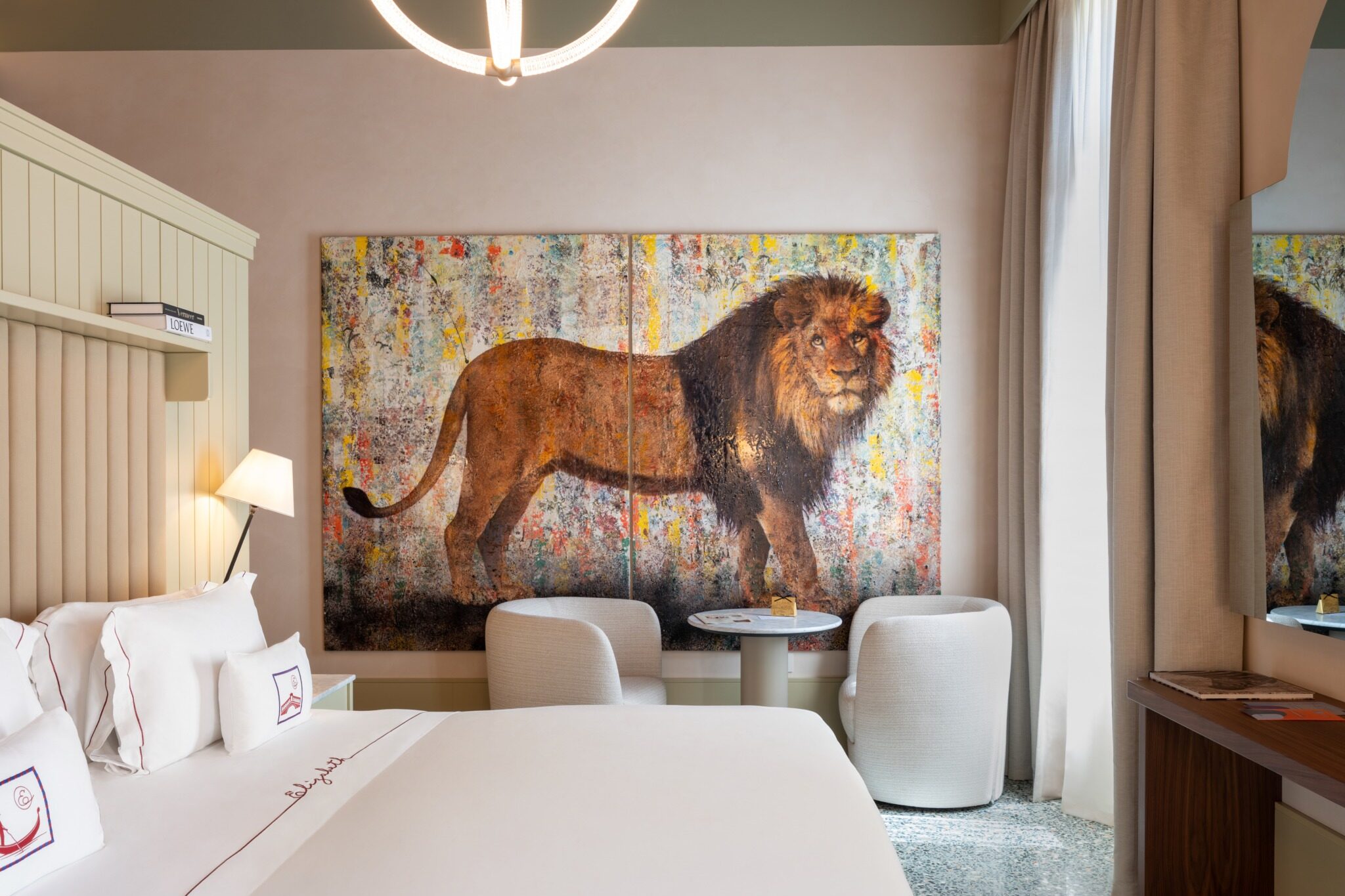
A defining feature of the property is the extensive use of Venetian terrazzo, rendered in three distinct colorways—lagoon green, deep crimson, and soft sand—which are distributed across the 14 guest units. These floors serve as the foundation for a material palette that includes marmorino wall treatments, walnut boiserie, and technical wallcoverings provided by CEDIT. This combination of materials is intentionally textured, creating a sensory environment that reflects the natural light characteristic of the Venetian lagoon.

The furniture selection reinforces this focus on materiality. Celestino curated a collection that mingles bespoke, custom-crafted bedside tables and mirrors with high-end contemporary statement pieces. The presence of Pianca’s Calatea armchair and glass furniture by Pulpo signals an alignment with the global contemporary design market. Furthermore, the lighting scheme—a critical component in historic spaces with limited natural light—features fixtures from heritage brands such as Oluce and Fontana Arte, alongside modern, sculptural installations by Moooi.
Contextualizing the Cannaregio District
The decision to situate Elizabeth Unique Venice within the Cannaregio Canal is a strategic departure from the typical positioning of luxury hotels in Venice. Unlike the San Marco or Castello districts, which are heavily saturated with foot traffic, Cannaregio retains a demographic composition dominated by long-term residents.

The neighborhood, home to the historic Venetian Ghetto, is characterized by a "slow-living" economy—a network of long-established wine bars, known locally as bacari, and family-run trattorias. By situating the property here, the hotel benefits from a localized character that is increasingly sought after by the "experiential traveler"—a market segment that, according to recent tourism industry reports, now prioritizes cultural immersion over proximity to major landmarks. This move aligns with broader urban planning initiatives in Venice that aim to decentralize tourist activity and mitigate the negative externalities of over-tourism in the city center.
Culinary Integration: The Da GrandMa Philosophy
Reflecting the hotel’s overarching theme of personal history and generational continuity, the culinary program is anchored by the da GrandMa Restaurant. Under the direction of chef Riccardo Pepe, the restaurant serves as a cultural repository for regional Venetian recipes. The name, a nod to the owner’s grandmother, is echoed in the design of the dining space, which utilizes antique glass and a color palette of soft blues and yellows to mimic the shifting light of the surrounding canals.

The restaurant’s operational model—which includes the provision of all-day breakfast—is designed to accommodate a slower, more deliberate guest experience. This is a deliberate rejection of the "rush-hour" dining culture often forced upon hotel guests in high-volume cities. By focusing on traditional techniques and local supply chains, the restaurant acts as an extension of the district’s own culinary identity rather than a separate, detached commercial entity.
Data and Industry Implications
The entry of Elizabeth Unique Venice into the Design Hotels portfolio is indicative of a broader trend in the European hospitality sector: the rise of "lifestyle hotels" that leverage heritage architecture to command premium pricing while maintaining a boutique footprint.

Data from the hospitality analytics firm STR suggests that boutique properties with under 50 rooms—such as Elizabeth Unique Venice—are currently seeing higher occupancy resilience compared to larger, full-service hotel chains. This resilience is largely attributed to the ability of such properties to offer personalized guest interactions and a unique "sense of place."
Furthermore, the integration of contemporary art, curated in this instance by the historic Galleria Russo, has become a standard requirement for luxury boutique hotels. By rotating contemporary Italian works against neutral wall stretches, the hotel effectively transforms its corridors and communal spaces into a commercial gallery, adding a layer of cultural value that justifies higher nightly rates.

Sustainability and Future Outlook
While the hotel maintains a high degree of luxury, its reliance on existing building stock is, in itself, a form of sustainable practice. By retrofitting an existing palazzo rather than engaging in new construction, the project avoids the substantial carbon footprint associated with modern building materials and large-scale demolition. The use of high-efficiency fittings by Zucchetti and the inclusion of modern climate control systems are intended to bring the 17th-century shell into compliance with modern energy efficiency standards, though such retrofits remain a significant challenge in historic districts.
The success of Elizabeth Unique Venice will likely serve as a litmus test for future development in the Cannaregio district. As the city of Venice continues to navigate the complexities of managing mass tourism while maintaining the viability of its historic residential neighborhoods, properties that act as "good neighbors"—providing local employment, supporting regional culinary traditions, and respecting the architectural fabric of the area—are expected to receive greater favor from both the municipal government and the local populace.

In conclusion, the Elizabeth Unique Venice project represents a sophisticated response to the evolution of the modern traveler. By eschewing the grandiosity of traditional Venetian palaces in favor of an intimate, design-forward, and culturally grounded approach, the property successfully navigates the delicate balance between the city’s storied past and its necessary, vibrant future. Whether this model can scale or influence the broader Venetian market remains to be seen, but as an initial foray into a new, more contemporary chapter for the district, the hotel sets a high bar for architectural and atmospheric integrity.