Cintya Tara Annisa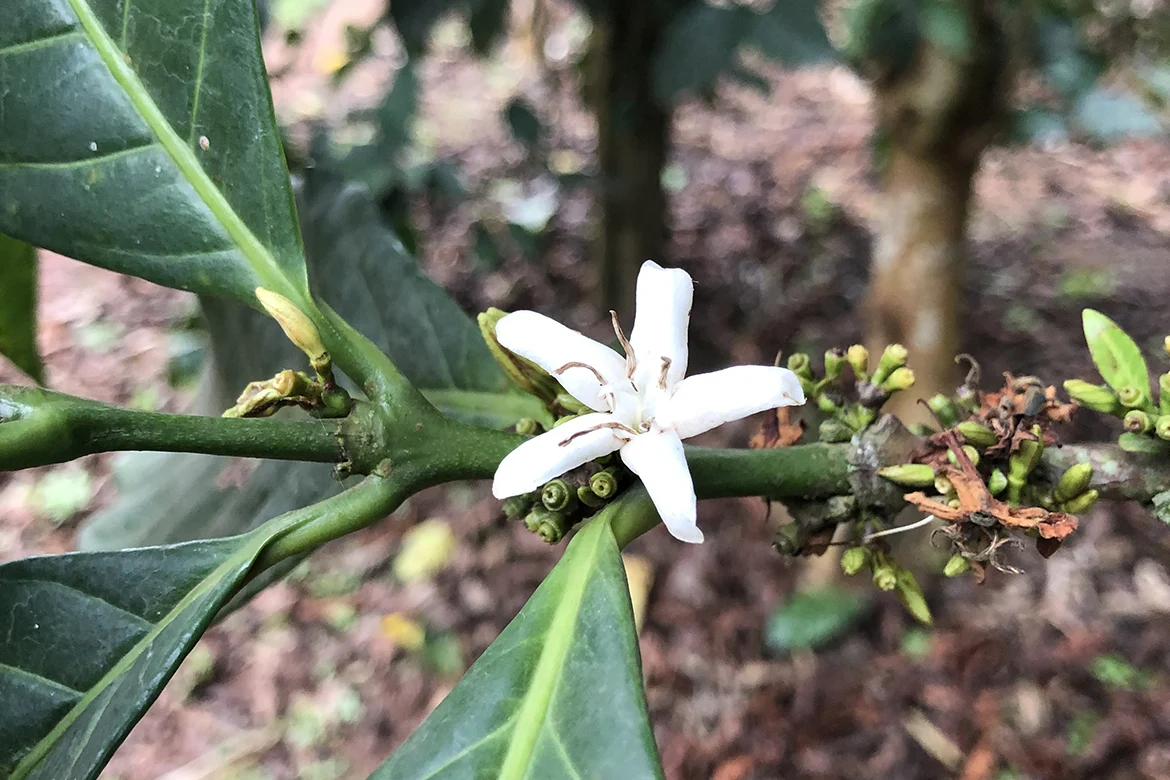
Researchers at the Royal Botanic Gardens, Kew, have announced the formal identification and characterization of a promising new coffee hybrid, "Libex," which represents a significant milestone in the global effort to safeguard the coffee industry against the escalating threats of climate change. Led by Dr. Aaron Davis, a renowned authority on coffee botany and sustainability, the research team published their findings in the Nature journal Scientific Reports, detailing how this hybrid of Excelsa and Liberica coffee species could redefine the geographic and economic boundaries of coffee production. The study, which examined 113 different hybridized accessions sourced from three continents, suggests that Libex—botanically classified as Coffea × libex—possesses a unique combination of agronomic traits that address the critical vulnerabilities of the world’s two primary commercial species, Arabica and Robusta.
The Botanical Origins and Identification of Libex
The discovery of Libex is the culmination of years of intensive field research and genomic analysis. Historically, the coffee industry has relied almost exclusively on Coffea arabica and Coffea canephora (Robusta), which together account for approximately 99% of the global market. However, as global temperatures rise and weather patterns become increasingly erratic, Arabica’s narrow temperature tolerance and susceptibility to pests have created an urgent need for diversification.
Libex is a natural and cultivated hybrid resulting from the cross-breeding of Coffea liberica var. liberica (Liberica) and Coffea liberica var. dewevrei (Excelsa). While these two parent plants have been known to botanists for over a century, their spontaneous hybridization in the field had not been systematically analyzed for commercial viability until now. Dr. Davis and his colleagues examined accessions from diverse regions, including Southeast Asia, Central America, Africa, and India, finding that the hybrid species exhibits "intermediate characteristics" that often surpass the performance of its parents. This hybridization occurs relatively easily, allowing for a wide range of genetic expressions that can be tailored to specific environmental conditions.
Addressing the Climate Crisis in the Coffee Belt
The primary driver behind the Kew Gardens research is the projected loss of suitable land for coffee cultivation. Current climate models suggest that by 2050, the amount of land suitable for growing Arabica coffee could be reduced by as much as 50%. Arabica thrives in cool, high-altitude tropical environments, typically requiring temperatures between 18°C and 22°C. When temperatures exceed this range, the plants suffer from physiological stress, reduced yields, and increased vulnerability to Coffee Leaf Rust (Hemileia vastatrix).
Libex offers a potential "climate envelope" expansion. Unlike Arabica, the parent species of Libex are known for their ability to thrive at lower altitudes and in significantly warmer, more humid environments. By formalizing Libex as a distinct hybrid, researchers have provided a roadmap for expanding coffee cultivation into regions previously deemed "marginal" or entirely unsuitable for high-quality coffee production. This discovery effectively pushes the boundaries of the traditional "Coffee Belt," offering a lifeline to farmers in lowland areas where rising temperatures have made traditional farming untenable.
Agronomic Advantages and Economic Viability
One of the most compelling aspects of the Libex hybrid is its superior agronomic profile compared to pure Liberica. While Liberica has long been recognized for its hardiness, it has historically struggled to gain market traction due to its difficult processing requirements and inconsistent yields. Libex addresses these issues through several key physical characteristics:
Yield and Profitability
The study indicates that Libex accessions consistently demonstrate higher yields than standard Liberica trees. For smallholder farmers, who produce the vast majority of the world’s coffee, yield is the most critical factor in determining economic survival. A more productive tree allows farmers to maximize the utility of their land, providing a buffer against fluctuating market prices.
Processing Efficiency
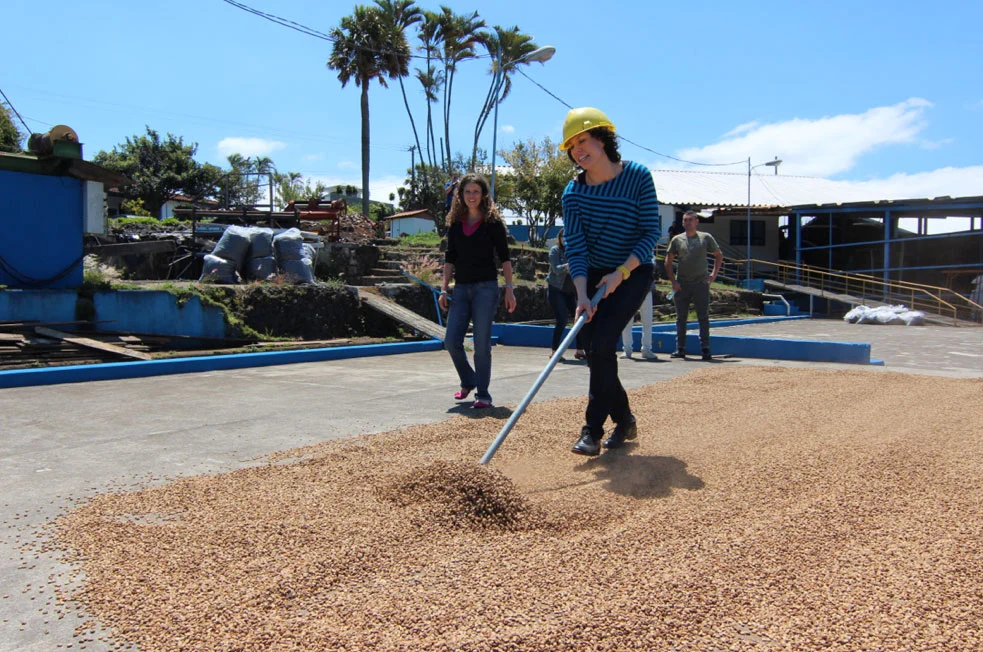
Traditional Liberica is notorious for its thick, leathery pulp and tough parchment, which often require specialized machinery for processing. In many cases, standard pulping equipment designed for Arabica or Robusta will simply jam or damage the Liberica cherries. Libex, however, features a thinner pulp and parchment layer. This makes the hybrid more conducive to traditional post-harvest processing methods, such as the washed or natural processes, without requiring significant capital investment in new infrastructure.
Seed Size and Roasting Consistency
The seeds (beans) of Libex are notably smaller than those of Liberica, aligning more closely with the size and density of Arabica. This is a crucial development for the roasting industry. Large, irregularly shaped Liberica beans often roast unevenly in commercial drum roasters designed for smaller seeds. The "Arabica-like" size of Libex seeds ensures that they can be integrated into existing supply chains, from industrial roasting plants to specialty coffee shops, with minimal adjustment to equipment or techniques.
Disease Resistance and Sensory Appeal
The threat of Coffee Leaf Rust (CLR) has devastated coffee plantations across Central and South America over the last decade. While Excelsa—one of the parents of Libex—is generally susceptible to certain strains of rust, Liberica has historically shown a high degree of natural resistance. The Kew research suggests that Libex successfully inherits this resistance, providing a robust genetic defense against one of the industry’s most persistent pathogens.
Beyond the field, the success of any new coffee variety depends on its "cup quality" or palatability. Liberica has often been described as having a polarizing flavor profile, frequently characterized by notes of jackfruit, wood, or a "funky" smokiness that many specialty consumers find challenging. However, initial sensory evaluations of Libex have been highly promising. Taste tests conducted as part of the study found Libex to be significantly more palatable to the average coffee drinker than Liberica. The hybrid tends to retain the sweetness and body of its parents while offering a cleaner, more balanced acidity that bridges the gap between the exotic notes of wild coffee and the familiar profile of commercial Arabica.
A Chronology of Discovery at Kew Gardens
The unveiling of Libex is part of a broader, multi-year initiative by Kew Gardens to catalog and preserve wild coffee species. The timeline of this research reflects a growing sense of urgency within the scientific community:
- 2018–2019: Kew researchers rediscover Coffea stenophylla in the wild in Sierra Leone. This "lost" species was found to have a flavor profile comparable to high-end Arabica but with the ability to grow in much warmer conditions.
- 2020: Extensive mapping of Madagascar’s wild coffee species leads to the discovery of six new species, further expanding the genetic library available to researchers.
- 2021–2022: Field studies in Southeast Asia and Africa begin focusing on the natural hybrids appearing in mixed plantations, leading to the systematic collection of the 113 accessions used in the Libex study.
- 2024: The formal publication of the Libex findings in Scientific Reports, establishing a scientific basis for the commercial scaling of the hybrid.
Implications for the Global Coffee Supply Chain
The formalization of Libex is expected to have far-reaching implications for the entire coffee value chain. For exporters and importers, Libex represents a new category of "resilient specialty" coffee. It offers a way to stabilize supply in an era where climate-induced crop failures are becoming more frequent.
For environmentalists, the promotion of Libex and other wild-type hybrids supports biodiversity. Rather than relying on a monoculture of genetically similar Arabica plants, a diversified coffee landscape that includes Libex can create more resilient ecosystems. These trees are often taller and more robust, providing better shade cover and supporting local bird and insect populations more effectively than the stunted, high-density Arabica shrubs.
Expert Reactions and Future Outlook
While the scientific community has reacted with enthusiasm, Dr. Davis and his team emphasize that Libex is not a "silver bullet" but rather a vital tool in a larger toolkit for climate adaptation. The study concludes that "the development and establishment of a broader range of coffee species and hybrids is likely to play a key role in coffee farming sustainability in an era of accelerated climate change."
The next phase of the research will involve large-scale field trials to determine how Libex performs under varying soil conditions and management styles. There is also a significant focus on the "transfer of technology," ensuring that farmers in the Global South have access to Libex seedlings and the training necessary to cultivate them.
As the global coffee industry moves toward a post-Arabica-dominant future, Libex stands as a testament to the power of botanical research and international cooperation. By looking back at wild and neglected species, scientists are finding the genetic blueprints needed to ensure that coffee remains a viable crop for the millions who depend on it for their livelihoods and the billions who enjoy it as a daily staple. The future of coffee may indeed exist outside the traditional confines of the Coffee Belt, and Libex appears poised to lead that transition.