Hanik Kholidah
The traditional perception of creatine as a supplement reserved exclusively for elite athletes and "gym-culture" enthusiasts is undergoing a significant paradigm shift as new clinical research highlights its efficacy for women in midlife. Long associated with bodybuilding and explosive power sports, creatine monohydrate is now being recognized by medical professionals and wellness experts as a vital tool for managing the physiological transitions associated with perimenopause and menopause. This transition in public and medical perception is driven by an increasing body of evidence suggesting that creatine supplementation can mitigate muscle loss, support bone density, and enhance cognitive function during periods of hormonal fluctuation.
The Biological Intersection of Estrogen and Creatine Metabolism
To understand why creatine has become a focal point for women’s health, it is necessary to examine the endocrine system’s influence on cellular energy. Estrogen is not merely a reproductive hormone; it is a critical regulator of metabolic processes, including the activity of creatine kinase. This enzyme is responsible for the transfer of phosphate groups between creatine and adenosine diphosphate (ADP) to regenerate adenosine triphosphate (ATP), the primary energy currency of the cell.
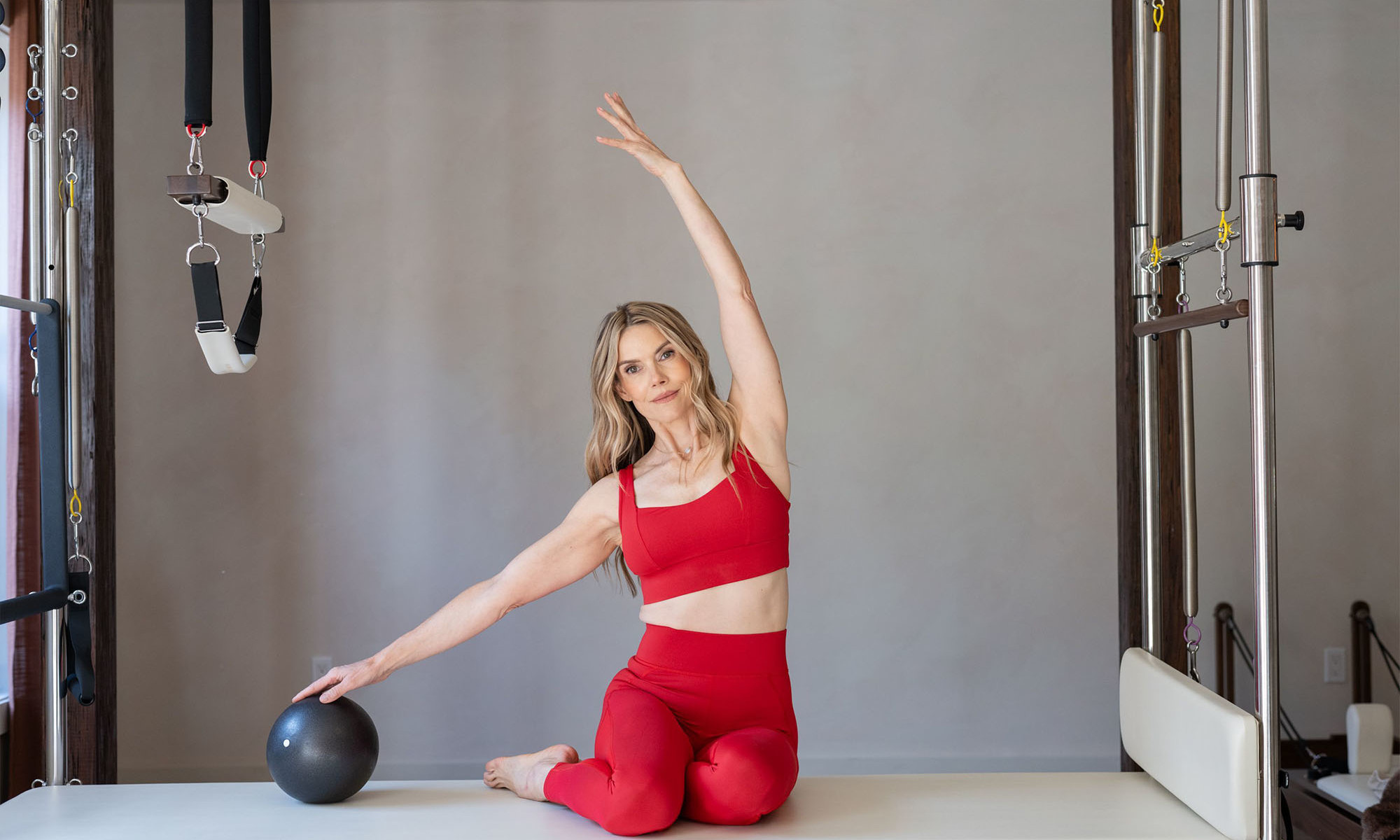
As women enter perimenopause and eventually menopause, the decline in circulating estrogen levels correlates with a reduction in the efficiency of this energy-recycling process. Research indicates that these hormonal shifts lead to lower endogenous creatine stores in both muscle and brain tissue. Kristin McGee, a prominent yoga instructor and personal trainer, recently highlighted this connection, noting that the decline in natural creatine production creates a "nutritional gap" that may contribute to the fatigue, muscle weakness, and cognitive "fog" frequently reported by women in their 40s and 50s.
Clinical data supports the observation that women generally have lower resting creatine stores than men, making exogenous supplementation particularly impactful. By increasing the availability of phosphocreatine in the muscles, women can better maintain the intensity of their physical activity, which is essential for counteracting the age-related loss of muscle mass known as sarcopenia.
Chronology of Creatine Research: From Olympic Gold to Menopausal Wellness
The history of creatine as a supplement is rooted in the early 20th century, but its commercial prominence began in the 1990s.
- Early Discovery (1832): Michel Eugène Chevreul first identified creatine as a constituent of skeletal muscle.
- The 1992 Barcelona Olympics: Creatine gained international attention when it was revealed that several gold medalists had used the supplement to enhance performance.
- The Bodybuilding Era (1995–2010): The supplement became a staple of the fitness industry, often marketed with aggressive branding that targeted young men looking to gain "bulk."
- The Cognitive Turn (2010–2020): Researchers began investigating the role of creatine in the brain, discovering its potential to assist with memory, processing speed, and neuroprotection.
- The Menopause Revolution (2021–Present): Recent clinical reviews, including influential papers published in journals such as Nutrients, have specifically advocated for creatine use among females across the lifespan, particularly during the menopausal transition.
This timeline illustrates a move away from "performance enhancement" in the narrow sense toward "biological optimization" for longevity and quality of life.
Supporting Data: Muscle Preservation and Bone Density
One of the most pressing health concerns for menopausal women is the accelerated loss of bone mineral density and muscle tissue. Statistics from the International Osteoporosis Foundation indicate that approximately one in three women over the age of 50 will experience osteoporotic fractures.
Creatine supplementation, when paired with resistance training, has shown a synergistic effect on bone health. A meta-analysis of randomized controlled trials suggests that creatine may stimulate osteoblast activity—the cells responsible for bone formation—while simultaneously reducing the activity of osteoclasts, which break down bone tissue.
In terms of muscle health, women can lose between 3% and 8% of their muscle mass per decade after the age of 30, a rate that increases after menopause. Clinical trials have demonstrated that women taking 3 to 5 grams of creatine daily while engaging in strength training see significantly greater improvements in lean muscle mass and upper-body strength compared to those taking a placebo. For fitness professionals like McGee, this translates to faster recovery times and the ability to maintain high-intensity workouts, such as those performed on resistance platforms like Tonal, which are crucial for metabolic health.
Cognitive Impacts: Addressing the "Brain Fog" Phenomenon
Beyond the physical benefits, the impact of creatine on the central nervous system is a burgeoning field of study. The brain is an energy-intensive organ, accounting for approximately 20% of the body’s total energy consumption. During perimenopause, many women report symptoms of cognitive dysfunction, often described as "brain fog," which includes lapses in memory, difficulty concentrating, and decreased verbal fluency.
Creatine acts as a buffer for ATP in the brain. Studies involving sleep-deprived individuals have shown that creatine supplementation can significantly improve performance on complex cognitive tasks. For menopausal women, this neuroprotective quality offers a non-hormonal intervention to support mental clarity. McGee reported a noticeable lifting of brain fog after consistent use, a sentiment echoed by many in the wellness community who have shifted their focus toward "brain-first" supplementation.
Addressing Common Misconceptions and Safety Profiles
Despite its extensive track record, creatine remains a victim of several persistent myths. Journalistic scrutiny of the available data reveals these concerns to be largely unfounded for the general population.
- Weight Gain and Bloating: While it is true that creatine is "osmotically active"—meaning it draws water into the cells—this is primarily an intracellular process. Initial weight gain is typically limited to 1–3 pounds of water weight within the muscle tissue, not fat. Most users find that this stabilizes within the first month of use.
- Renal Function: Extensive longitudinal studies have found no evidence that standard doses of creatine (3–5g/day) cause kidney damage in healthy individuals.
- The "Gym Bro" Stigma: The rebranding of creatine as a wellness supplement has been bolstered by companies like mindbodygreen, which emphasize purity, third-party testing, and the inclusion of supportive ingredients like electrolytes (magnesium, potassium, and sodium) and taurine.
Professional Recommendations and Market Trends
The medical community’s response to the rise of creatine use among women has been cautiously optimistic. Many gynecologists are now integrating creatine into their recommendations for menopausal care. The consensus among nutritionists suggests a daily intake of 3 to 5 grams of creatine monohydrate. This form is the most studied and has the highest bioavailability.

The supplement market has responded to this demand with specialized formulations. Products are increasingly being designed to be "stackable," allowing users to mix unflavored creatine into coffee or smoothies without affecting the taste or efficacy. Contrary to older myths, caffeine does not appear to blunt the effects of creatine when consumed in moderate amounts.
The rise of third-party testing (such as NSF Certified for Sport or Informed-Sport) has also become a critical factor for consumers. As the market expands, the transparency of the supply chain and the absence of contaminants have become primary selling points for brands catering to the longevity-focused demographic.
Broader Implications for Public Health and Aging
The shift toward proactive supplementation in midlife has broader implications for public health. By maintaining muscle mass and bone density through the middle years, women can significantly reduce their risk of falls and fractures in later life, potentially lowering the long-term burden on healthcare systems.
Furthermore, the stabilization of mood and cognitive function through metabolic support offers a holistic approach to aging. As more influencers and professionals like Kristin McGee share their positive experiences, the stigma surrounding these "performance" supplements continues to erode, replaced by a data-driven understanding of how to support the female body through its most significant hormonal transitions.
In conclusion, the emergence of creatine as a cornerstone of menopausal health represents a successful intersection of sports science and geriatric medicine. With a robust safety profile, clear physiological mechanisms, and a growing body of anecdotal and clinical success, creatine is positioned to remain a permanent fixture in the modern woman’s wellness regimen. As with any supplement, experts recommend consulting with a healthcare provider and performing regular blood work to tailor a routine to individual biological needs.