Hanik Kholidah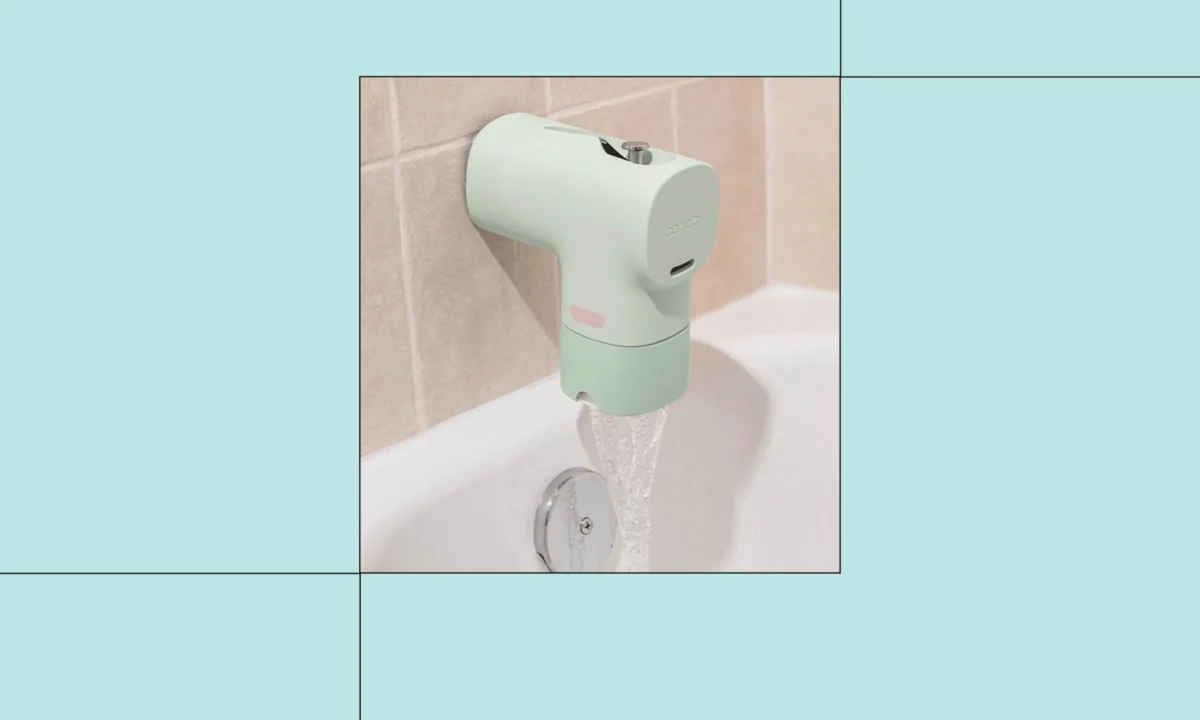
The rising tide of consumer concern regarding municipal water quality has transitioned from the kitchen sink to the bathroom, prompting a surge in demand for specialized filtration systems. While drinking water has long been the primary focus of home purification, recent dermatological studies and environmental reports have highlighted the potential risks associated with skin exposure to treated tap water. Among the leaders in this emerging wellness sector is Canopy, a brand that has expanded its portfolio from humidifiers and shower filters to include a dedicated bathtub filtration system designed to address the specific challenges of bathwater contaminants.
The Landscape of Municipal Water Contamination
To understand the necessity of a bathtub filter, one must first examine the composition of modern municipal water supplies. In the United States, the Environmental Protection Agency (EPA) regulates over 90 contaminants in drinking water. However, many experts argue that these standards do not account for the cumulative effect of daily skin exposure during long, hot soaks in a bathtub.
Chlorine is perhaps the most ubiquitous additive in public water systems. Used as a disinfectant to kill bacteria and viruses, chlorine is effective for public health but can be detrimental to the human integumentary system. When water is heated for a bath, chlorine can be absorbed through the skin or inhaled as steam, potentially leading to respiratory irritation and the stripping of natural oils from the skin and hair.
Furthermore, aging infrastructure remains a critical concern in metropolitan areas. In cities like New York, Chicago, and Boston, residential buildings dating back to the early-to-mid 20th century often contain lead soldering or brass fixtures that can leach heavy metals into the water stream. While municipal treatment plants may output water that meets safety standards, the "last mile" of piping within a home can introduce lead, copper, and sediment into the bathtub.
The Mechanics of Three-Stage Filtration
The Canopy Bathtub Filter utilizes a multi-layered approach to address these diverse contaminants. Unlike simple mesh strainers, this system employs a three-step chemical and physical process to purify water as it exits the spout.

- Activated Carbon: This stage utilizes the high surface area of porous carbon to attract and trap organic compounds and certain per- and polyfluoroalkyl substances (PFAS). PFAS, often referred to as "forever chemicals," have become a focal point of recent EPA regulations due to their persistence in the environment and linked health risks.
- Calcium Sulfite: This component is specifically engineered for high-temperature water. It works by rapidly reacting with chlorine and chloramines, converting them into harmless chloride ions. According to technical specifications, this process can neutralize up to 99% of chlorine, significantly reducing the oxidative stress on the skin barrier.
- KDF-55 (Kinetic Degradation Fluxion): A high-purity copper-zinc alloy, KDF-55 utilizes a redox (oxidation-reduction) reaction to remove dissolved heavy metals such as lead, mercury, and nickel. Additionally, the electrochemical process creates an environment inhospitable to the growth of bacteria, fungi, and algae within the filter itself.
Dermatological Implications and Skin Barrier Health
The primary driver for the adoption of bathtub filters is often the preservation of skin health. The "skin barrier," or stratum corneum, serves as the body’s first line of defense against environmental pathogens and moisture loss. Chronic exposure to chlorinated water and "hard water" minerals—specifically calcium and magnesium—can disrupt this barrier.
Hard water reacts with soaps to create "soap scum," a film that can clog pores and exacerbate conditions such as eczema, psoriasis, and atopic dermatitis. By removing these minerals and neutralizing disinfectants, a filtration system allows for a more effective rinse and helps the skin maintain its natural pH balance. Dermatologists have noted that patients using filtered water often report a reduction in post-bath pruritus (itching) and a decrease in the need for heavy emollients to combat dryness.
Design, Installation, and User Experience
From a consumer standpoint, the Canopy Bathtub Filter is positioned as a low-friction lifestyle upgrade. The unit is priced at approximately $89, targeting a demographic that views home wellness as a preventative health measure.

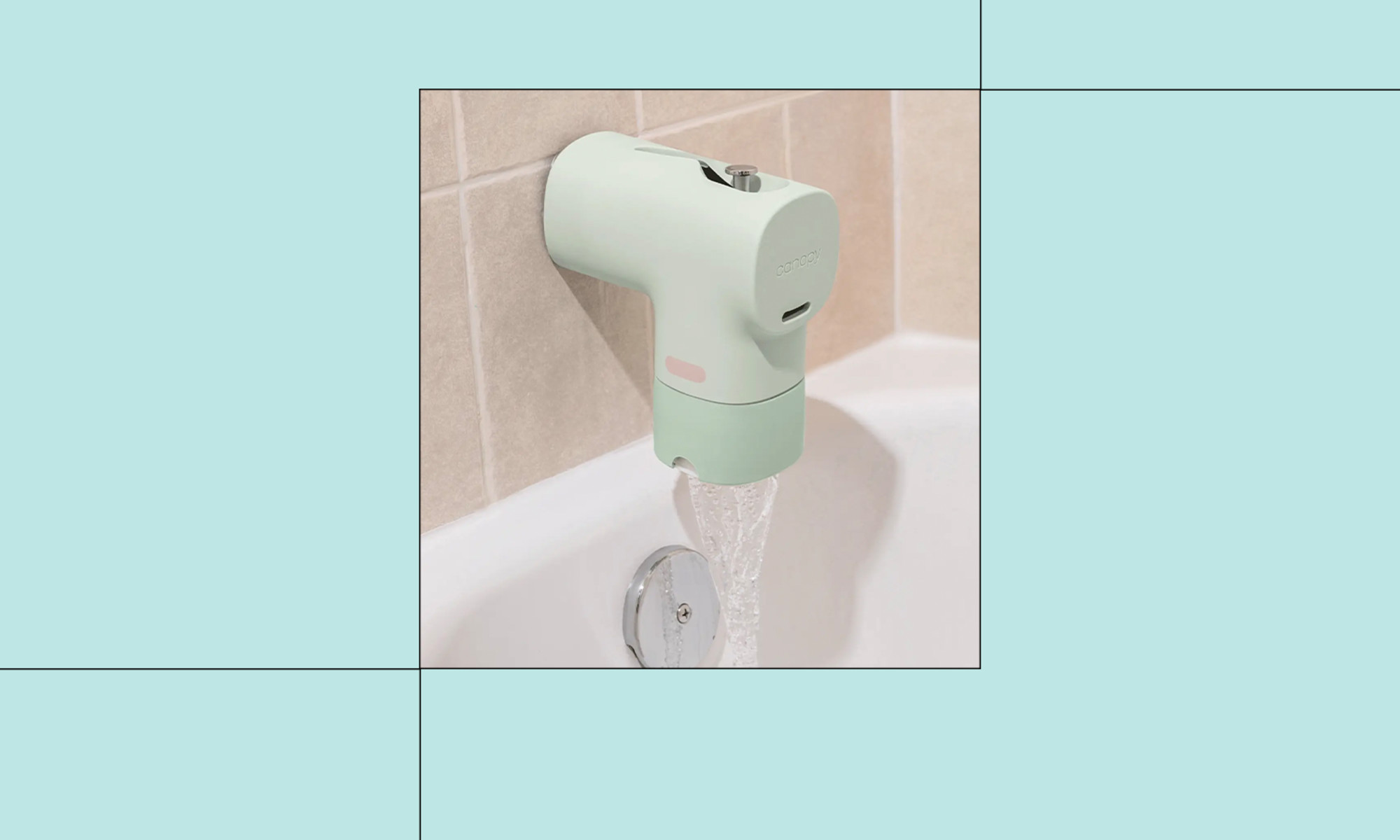
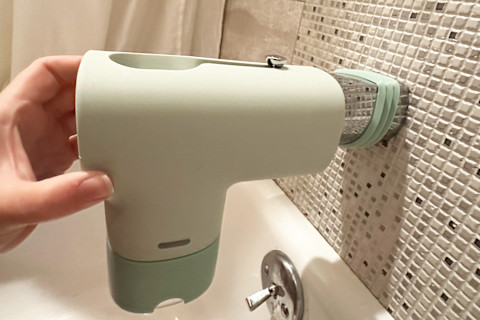
One of the most significant hurdles for home filtration is the complexity of installation. Canopy addresses this through a tool-free design. The system utilizes a series of high-tension silicone bands that fit over standard bathtub spouts. The filter housing then snaps into these bands, creating a seal that prevents bypass leakage. This universal approach allows the filter to be used in various housing types, from modern apartments to historic homes.
Technical features also include a temperature-sensitive indicator. On the side of the jade, lavender, or oat-colored silicone housing, a small panel changes from gray to red when the water temperature exceeds a safe threshold. While seemingly a minor addition, this serves as a safety feature for parents bathing young children and as a guide for adults looking to avoid the skin-damaging effects of excessively hot water.
Environmental and Material Considerations
Despite the clear benefits to water purity, the product is not without its complexities. The housing is constructed from BPA-free silicone, a material chosen for its durability and resistance to high temperatures. However, the environmental impact of synthetic polymers remains a topic of debate.

While silicone is often touted as a more sustainable alternative to single-use plastics due to its longevity and lack of toxic leaching, it is not readily biodegradable. Recent pilot studies have also raised questions about the potential for silicone to shed micro-scale particles under extreme conditions, though the levels found in household applications are generally considered negligible compared to traditional plastics.
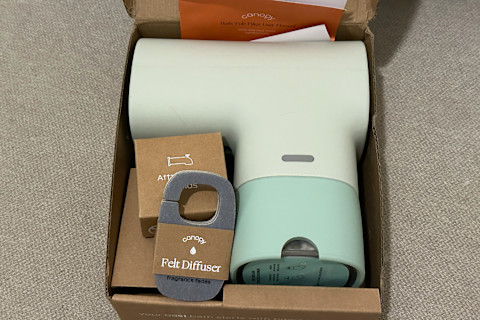
Canopy has attempted to mitigate maintenance waste by designing a replaceable filter cartridge system. The outer silicone housing is dishwasher-safe and designed for long-term use, while the internal filter requires replacement every 90 days. This subscription-based model ensures consistent water quality while minimizing the amount of material discarded during each maintenance cycle.
Regulatory Context and the Future of Home Filtration
The release and success of products like the Canopy Bathtub Filter coincide with a pivotal moment in American environmental policy. In April 2024, the Biden-Harris administration announced the first-ever national, legally enforceable drinking water standard for PFAS. This move reflects a growing consensus that the public must be protected from even trace amounts of synthetic chemicals.
As federal and state agencies work to upgrade large-scale infrastructure, the private sector is filling the gap for immediate, point-of-use protection. Market analysts predict that the home water filtration market will continue to grow at a compound annual growth rate (CAGR) of over 5% through 2030. This growth is driven not only by health concerns but also by an aesthetic shift toward "spa-like" home environments.
Analysis of Broader Impact
The adoption of bathtub filters represents a shift in the definition of "clean." For the previous generation, water was considered clean if it was clear and free of pathogens. For the modern consumer, water is evaluated through the lens of bio-compatibility. The presence of legal levels of chlorine or lead is increasingly viewed as an unacceptable compromise for those with the means to filter it out.
For parents, the implications are particularly acute. Infants and children have thinner skin and a higher surface-area-to-volume ratio than adults, making them more susceptible to chemical absorption. The Canopy filter, with its focus on removing heavy metals and chlorine, addresses a specific parental anxiety regarding the long-term effects of daily bathing rituals.
Conclusion
The Canopy Bathtub Filter stands as a testament to the evolving relationship between urban dwellers and their environment. By acknowledging that municipal water, while safe for basic sanitation, may not be optimized for dermatological health or long-term wellness, the product offers a tangible solution to a complex problem.
While the bulky profile and the use of synthetic polymers may give some environmentally conscious consumers pause, the measurable reduction in chlorine and heavy metals provides a compelling argument for the device’s necessity. As we move into an era of heightened awareness regarding "forever chemicals" and aging infrastructure, the bathtub filter is likely to transition from a luxury niche product to a standard household fixture. For those who view the bath as a sanctuary for recovery and relaxation, the investment in water purity is a logical extension of a holistic health routine.