
 Indra Kusuma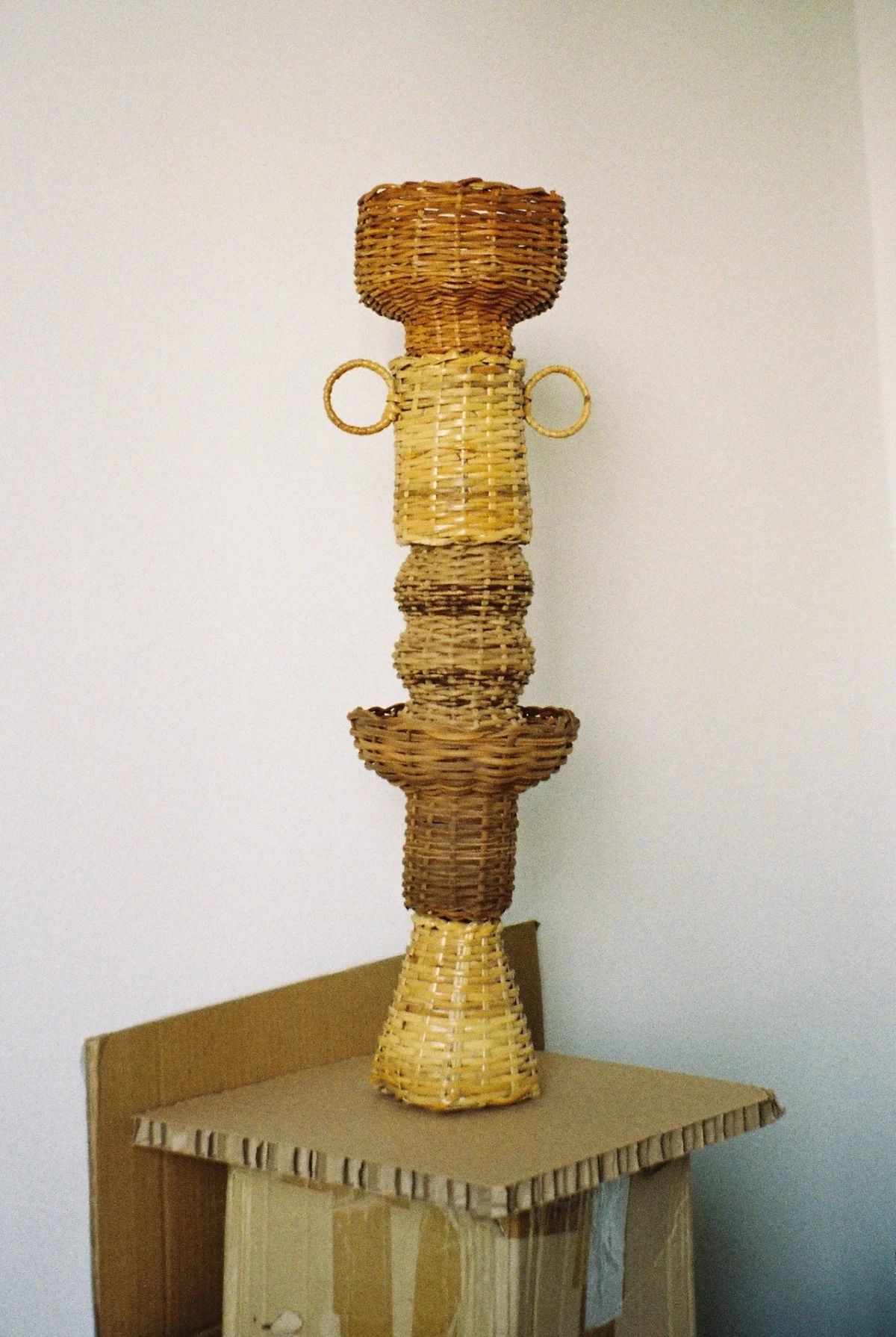
As Filipino Heritage Month draws to a close, it leaves in its wake a deepened appreciation for the Southeast Asian archipelago, a nation whose creative spirit consistently defies simple categorization. The enduring legacy and vibrant evolution of Philippine design, from its architectural marvels to its intricate furniture, continue to surprise and captivate audiences both at home and abroad. The author of Architectural Guide Manila reflects on the ongoing astonishment expressed by non-Filipino readers discovering the unexpected forms within the country’s built environment—such as a curvaceous Brutalist church nestled amidst tropical greenery or a majestic Corinthian-columned museum echoing the American colonial past. These architectural revelations serve as a potent reminder that despite historical challenges and global influences, the Philippines boasts a remarkably resilient and dynamic design scene. Key practitioners within this landscape are not merely creating objects; they are transcending traditional categories, innovating with materials, and transmitting profound cultural traditions across generations and geographical borders.
This celebratory period provides an opportune moment to delve into the contemporary currents shaping Filipino design. To offer a multifaceted perspective, three distinguished figures from the Philippine design community—Patrick Kasingsing, Editor at Kanto; Adela Locsin, Project Architect at Leandro V. Locsin Partners; and Jon Medalla, Founder of Prototecture—were invited to share their insights into the rich and diverse world of contemporary Filipino design. Their curated observations collectively illuminate the ingenuity, historical consciousness, and global ambition that characterize the nation’s creative output today.
The Historical Tapestry of Filipino Design
To fully appreciate the current dynamism, it is essential to understand the historical layers that have shaped Filipino design. Pre-colonial Philippines was rich in indigenous crafts, characterized by intricate weaving, pottery, boat-building, and wood carving, often reflecting animistic beliefs and communal lifestyles. The arrival of Spanish colonizers in the 16th century introduced European architectural styles, religious art, and new construction techniques, blending seamlessly with local materials and climate-responsive designs. The bahay na bato (stone house), a fusion of indigenous stilt-house principles and Spanish colonial masonry, stands as a prime example of this early hybridization.
The American colonial period, beginning in the late 19th century, brought with it neoclassical architecture, particularly evident in grand government buildings and public infrastructure, many of which still define Manila’s urban core. This era also saw the professionalization of architecture and design education, laying the groundwork for modern Filipino design. Post-World War II, a wave of Filipino modernists, including National Artists for Architecture such as Leandro V. Locsin (whose firm Adela Locsin now works with), Juan Nakpil, and Carlos Santos-Viola, emerged, developing a distinct tropical modernism that responded to the local climate and cultural context while embracing international trends. This period also cemented the Philippines’ reputation as a significant player in furniture manufacturing, particularly for its innovative use of rattan and other natural fibers.
Filipino Heritage Month, celebrated annually in May, serves as a national observance to promote and preserve the country’s rich cultural heritage. Its timing for this reflection underscores the continuous dialogue between past and present, tradition and innovation, that defines the nation’s creative industries. The design sector, encompassing architecture, interior design, furniture, and crafts, is a significant contributor to the Philippine economy. According to data from the Philippine Statistics Authority and the Department of Trade and Industry, creative industries contribute a substantial percentage to the national GDP, with furniture and home furnishings being notable export earners. This economic impact is bolstered by the global demand for handcrafted, sustainable, and culturally rich products, areas where Filipino designers excel.
Celebrating Craft and Innovation: Tahanan Furniture and Brian Ver
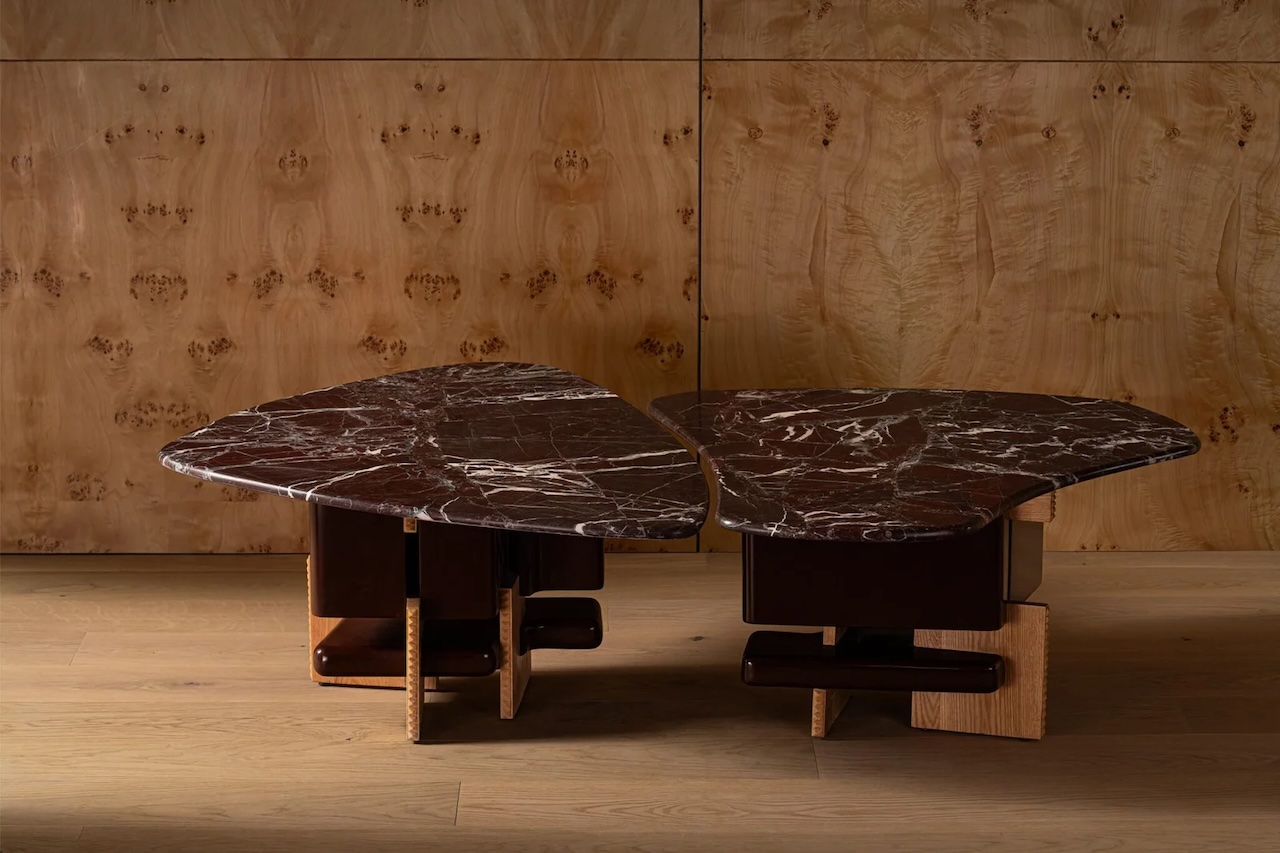
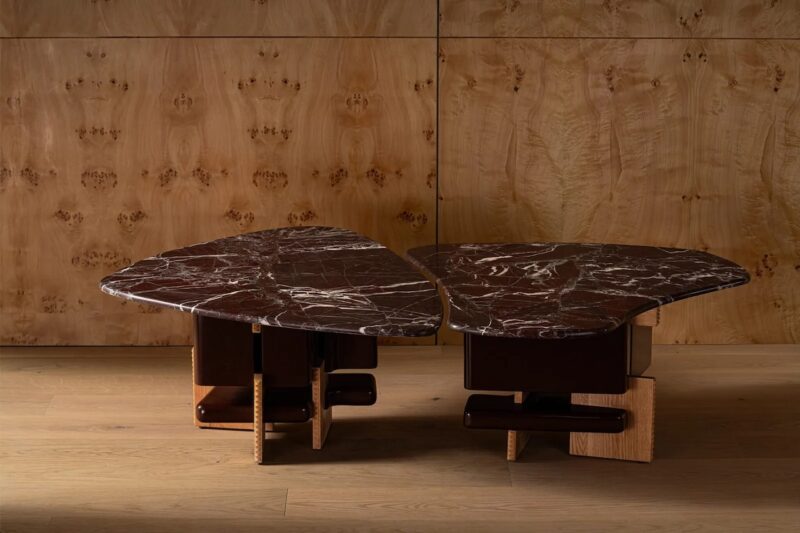
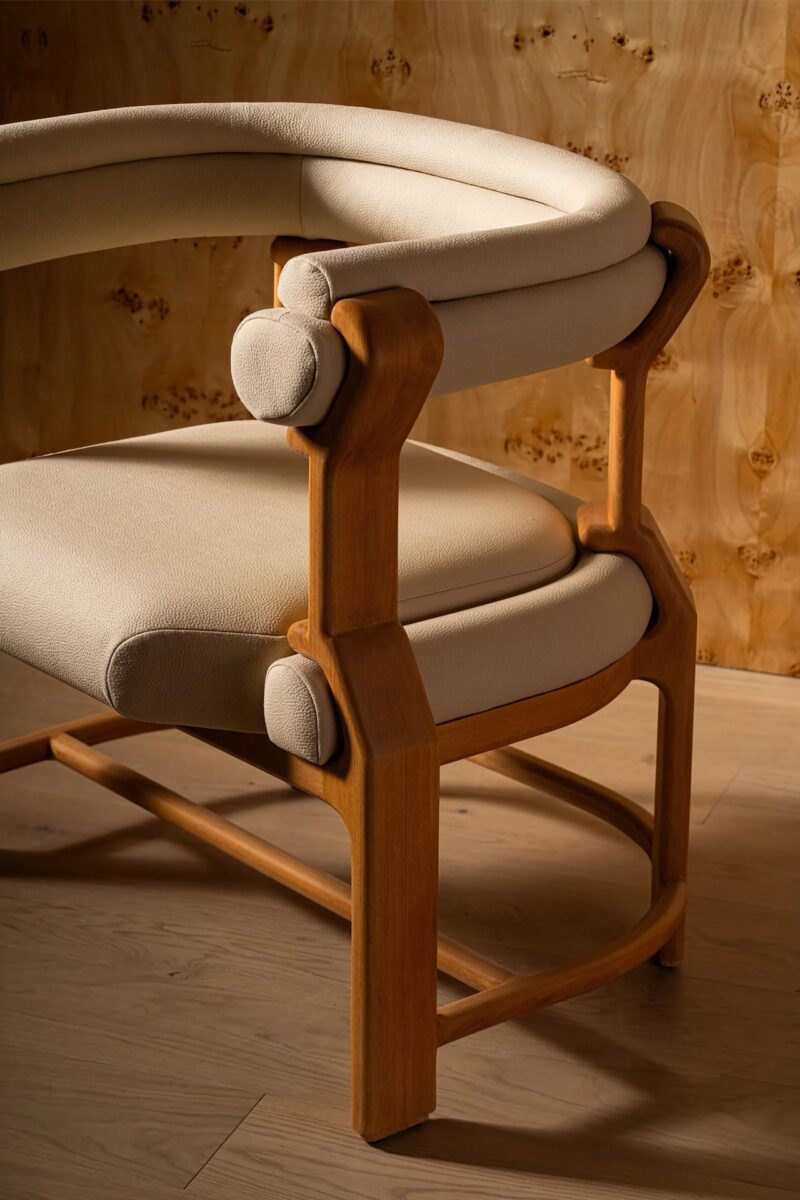
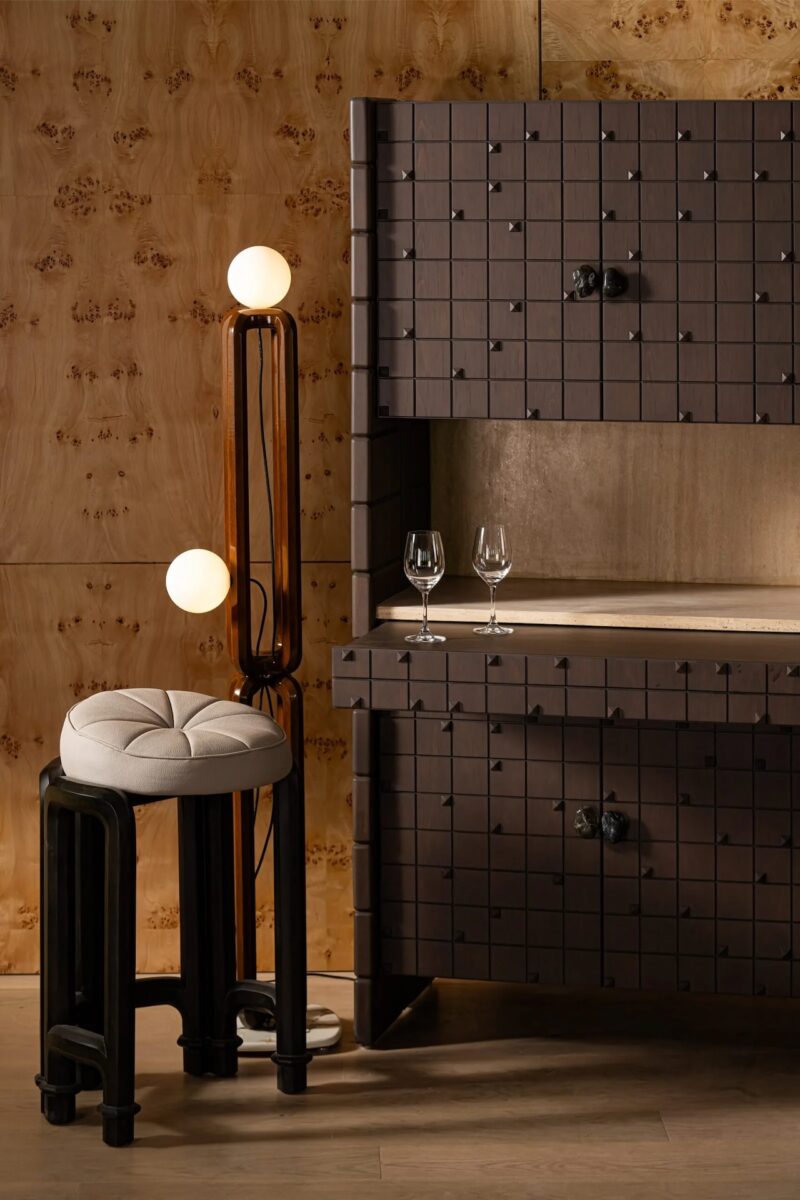
Patrick Kasingsing, Editor at Kanto, highlights the significant relaunch collection of Tahanan Furniture, featuring the innovative designs of architect Brian Ver. Kasingsing notes, "The Philippines has long been a furniture powerhouse, one that gave the world Cebuano rattan virtuoso Kenneth Cobonpue, and the birthplace of renaissance men like Lor Calma." This historical context underscores the high bar Tahanan Furniture, after a two-year hiatus, had to meet. Their return collection successfully folds traditional Filipino craftsmanship into contemporary silhouettes, achieving a harmonious balance where neither element overwhelms the other.
What makes this collection particularly compelling, according to Kasingsing, is the selection of Brian Ver as the designer. Ver, typically recognized for his minimalist vernacular and precise work with wood, was presented with a maximalist brief by Tahanan. This challenge pushed him beyond his usual vocabulary, incorporating a diverse range of materials including textiles, leather, marble, and various woods into a single cohesive group. The triumph lies in the fact that these pieces coalesce into a tactile, unified collection rather than devolving into visual cacophony. This achievement has garnered international attention, notably at the recent Maison&Objet exhibition, a prestigious global platform for design and home decor. The collection’s ability to captivate even committed minimalist design enthusiasts like Kasingsing speaks volumes about its thoughtful execution and sophisticated material dialogue. It signifies a mature evolution in Filipino furniture design, where deep respect for traditional techniques meets a bold, contemporary aesthetic sensibility, appealing to a global market increasingly valuing authenticity and craftsmanship.
Bridging Continents: Julia Villamonte’s Diaspora Design
Adela Locsin, Project Architect at Leandro V. Locsin Partners, expresses her excitement for the work of Julia Villamonte, a Bicol native now creating in Milan. Locsin, herself a Filipino designer who recently returned home after many years abroad, finds particular inspiration in those who maintain a profound connection to Filipino materials and sensibilities while living internationally. This perspective highlights a crucial aspect of contemporary Filipino identity—the influence of the diaspora and how distance can reframe one’s understanding of home.
Villamonte, formally trained as an architect, embodies this transcultural approach. Her design philosophy centers on consciously working with "what’s available," whether these are found objects from her immediate environment in Italy, materials painstakingly hand-carried across borders by friends and family, or the invaluable generational knowledge passed down by her mentors. This resourcefulness is not merely practical; it is a profound act of cultural connection and sustainable practice. Her sculptural lamps, vessels, and mobiles are more than aesthetic objects; they are products of "many hands and minds," imbued with the wisdom, knowledge, and materiality of a place she remains deeply connected to.

Villamonte’s work exemplifies how Filipino heritage can be reinterpreted and presented in global design capitals. By integrating traditional techniques and materials with contemporary forms and European design sensibilities, she contributes to a global dialogue about craft, sustainability, and cultural identity. Her pieces resonate with an international audience precisely because they tell a story of origin, migration, and the enduring power of cultural memory, challenging the notion that authentic cultural expression must remain geographically confined.
Reimagining Heritage: Jon Medalla’s Prototecture and Grasscraft
Jon Medalla, Architect and Founder of Prototecture and Grasscraft, articulates a core excitement for the opportunity to reinterpret ancestral, vernacular traditions for a contemporary world. Through his ventures, Medalla explores this idea across various scales, from furniture to urban interventions. His Bambutka Chair serves as a prime example of this philosophy, reimagining the traditional colonial-era butaka (Filipino lounge chair). The butaka, historically a symbol of status and leisurely comfort in grand Filipino homes, is reinterpreted through the lens of modern design, combining multiple species of Philippine bamboo with contemporary forms and precise craftsmanship. This fusion preserves the essence of the butaka while updating its materiality and aesthetic for a modern context, making it relevant and desirable to a new generation.

Medalla’s work extends beyond individual pieces to the urban scale, where projects such as Trademark Bar and Lounge and House of Lechon investigate how local materials can thrive in unexpected contexts. By integrating bamboo into contemporary nightlife, retail, and city life, he challenges conventional perceptions of traditional materials. This approach demonstrates that indigenous resources like bamboo are not merely for rustic or traditional settings but can be sophisticated, durable, and aesthetically compelling in modern commercial spaces.
Medalla’s design philosophy is rooted in the intersection of heritage and progress. He posits that ancestral wisdom can serve as a powerful foundation for creating more sustainable, human-centered, and future-forward ways of living. This pursuit, he explains, is fundamentally about breathing life into buildings and objects, creating architecture and designs that are not only functional but also capable of fostering connection, belonging, and a deeper relationship with nature, heritage, and place. His work with Grasscraft, in particular, emphasizes the potential of indigenous grasses and bamboo as sustainable building materials, showcasing their versatility and environmental benefits. This aligns with a growing global imperative for eco-conscious design, positioning Filipino innovation at the forefront of sustainable material exploration.

The Broader Impact and Implications of Filipino Design
The collective insights from Kasingsing, Locsin, and Medalla paint a vivid picture: contemporary Filipino design is far from a fixed aesthetic or a neatly exportable category. Instead, it is a dynamic, living exchange—a continuous dialogue between memory and material, local knowledge and global movement, inherited forms and fresh ways of making. This dynamism has several profound implications.
Cultural Identity and Global Recognition: Filipino design is increasingly becoming a powerful vehicle for expressing and redefining national identity on the global stage. By drawing from a rich cultural tapestry and innovative material use, designers are creating works that are distinctly Filipino yet universally appealing. This recognition elevates the Philippines’ cultural standing and fosters national pride.

Economic Growth and Sustainability: The thriving design sector contributes significantly to the national economy through job creation, exports, and tourism. The emphasis on sustainable materials like bamboo, rattan, and other natural fibers positions the Philippines as a leader in eco-conscious design, meeting the demands of a global market that values ethical production and environmental responsibility. This focus on local resources also empowers local artisans and communities, promoting inclusive growth. The Department of Trade and Industry (DTI) has actively supported creative industries through programs like the Design Center of the Philippines, fostering innovation, product development, and market access for Filipino designers and craftspeople.
Educational Evolution: The success of contemporary designers also influences design education in the Philippines. There is a growing emphasis on integrating traditional crafts with modern design principles, encouraging students to explore indigenous materials and techniques while embracing global trends and technologies. This ensures a continuous pipeline of talent capable of navigating the complex demands of the modern design world.

Resilience and Adaptability: The ability of Filipino designers to adapt historical forms and local materials to contemporary contexts, often under challenging circumstances, speaks to a deep-seated resilience. This adaptability allows the industry to remain relevant and innovative, continually surprising and inspiring audiences with its inventiveness.
In conclusion, as Filipino Heritage Month draws to a close, the spotlight remains firmly on a design landscape that is vibrant, complex, and utterly compelling. The work of designers like Brian Ver, Julia Villamonte, and Jon Medalla, alongside established names and emerging talents, demonstrates a profound commitment to heritage, an adventurous spirit in innovation, and a clear vision for the future. Their creations are more than just functional or beautiful objects; they are tangible narratives that connect the past, present, and future of a nation continually defining itself through its enduring creativity. The Philippines, through its design, offers a powerful testament to how tradition can fuel innovation, and local wisdom can resonate globally.

Photos of Tahanan Furniture and Brian Ver by Carlo and Thea Yu of Tahanan. All other images courtesy the designers.







