
 Indra Kusuma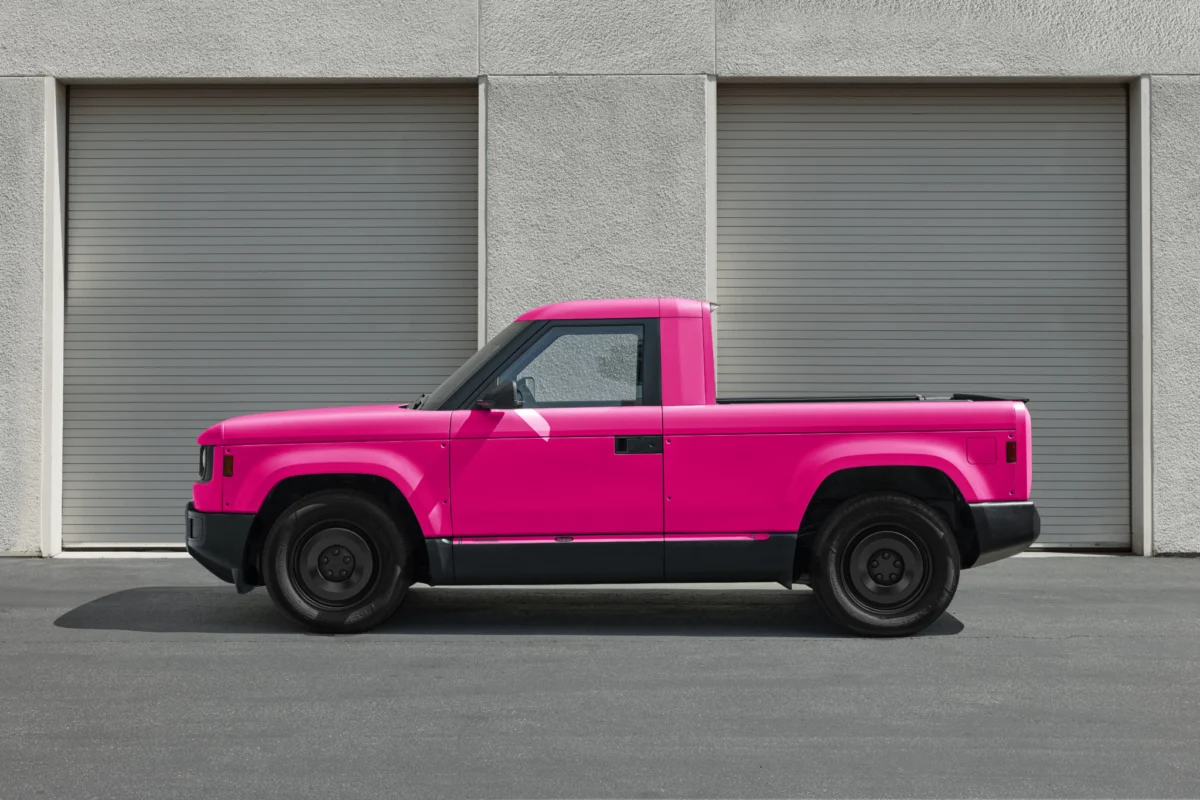
Slate, an emerging American electric vehicle manufacturer, has quickly captured industry attention not just for its technological prowess but for its radical emphasis on driver personalization and affordability. Less than a month after opening preorders for its inaugural offering, the Slate Truck, the company announced a pioneering collaboration with iconic art supply brand Crayola, introducing a series of vibrant, licensed vehicle wraps. This partnership underscores Slate’s core philosophy: to provide an electric truck that is not only accessible financially but also serves as a dynamic canvas for individual expression, challenging the traditional, often rigid, paradigm of vehicle ownership.
The Slate Truck: A New Paradigm for EV Ownership
In a rapidly expanding electric vehicle market often defined by cutting-edge technology and premium pricing, Slate is carving out a distinctive niche. The U.S.-based company’s first product, the Slate Truck, is positioned as a modular, adaptable, and economically viable option, starting at a highly competitive price point of $24,950. This pricing strategy places it squarely in a segment seeking to democratize EV ownership, making electric trucks a tangible reality for a broader demographic beyond early adopters and luxury buyers. This strategic entry addresses a significant market gap, as many current EV trucks, such as the Ford F-150 Lightning, Rivian R1T, and the forthcoming Tesla Cybertruck, often carry price tags well above $50,000, limiting their reach.
The design ethos behind the Slate Truck is rooted in evolution. Unlike conventional vehicles designed for static ownership, the Slate Truck is conceived to evolve alongside its owner’s changing needs and preferences. This modularity extends beyond just technological upgrades; it deeply integrates into the aesthetic and functional aspects of the vehicle. The company aims to build vehicles that people can not only afford but fundamentally transform. Personalization, therefore, was not an auxiliary feature or an afterthought in its development; it was a foundational principle that intrinsically shaped the truck’s design from the ground up, influencing everything from the chassis architecture to the exterior paneling.
Ben Whitla, Slate’s Head of Brand and Marketing, articulated this vision, stating, "The Slate Truck is a blank canvas, designed to be personalized and to give people the freedom to make it their own." This statement encapsulates the company’s commitment to empowering owners to infuse their vehicles with unique identity, fostering a sense of ownership that goes beyond mere possession. In a market where vehicle models often dictate a singular aesthetic, Slate offers a refreshing counter-narrative, inviting creativity and self-expression into the automotive sphere.
Unveiling the Crayola Collaboration: A Palette for Personalization
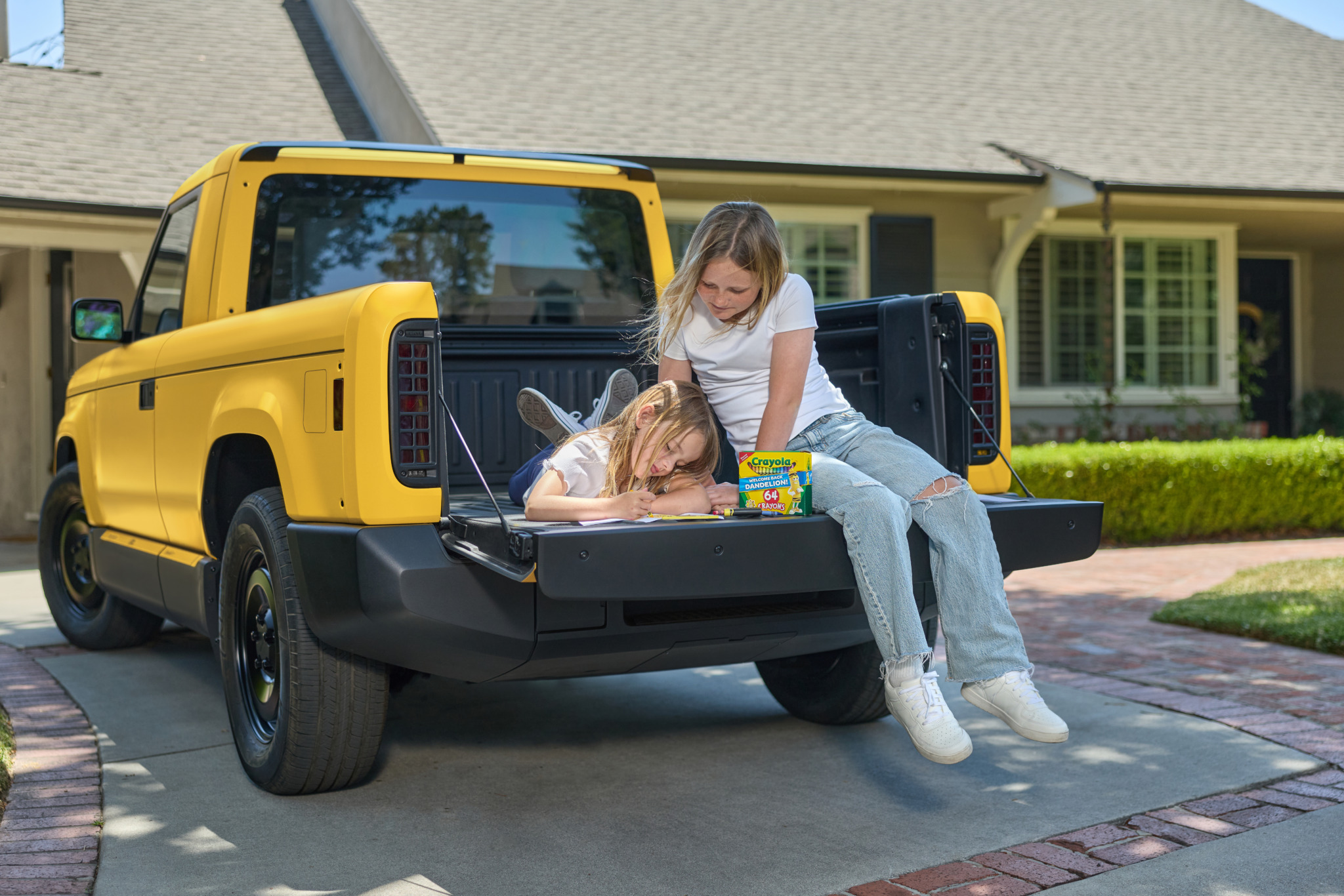
The first tangible manifestation of Slate’s customization-centric approach is its collaboration with Crayola. This partnership introduces a series of five vehicle wraps in officially licensed Crayola colors: Cerulean, Dandelion, Fern, Jersey Tomato, and Razzmatazz. This curated palette is not merely a collection of bright hues; it’s a thoughtful blend of nostalgia and contemporary appeal. Notably, the selection includes Dandelion, a fan-favorite color that was retired from Crayola’s 24-count box in 2017, making a nostalgic comeback for this automotive application. It is joined by vibrant newcomers like Fern and Jersey Tomato, offering a diverse range for personal expression.
The choice of Crayola as a partner is strategic and deeply resonant with Slate’s brand identity. Crayola, founded in 1903, has been synonymous with creativity, imagination, and self-expression for generations, becoming a ubiquitous symbol of childhood and artistic freedom. Its brand recognition and positive associations are immense, instantly invoking a sense of playfulness and accessibility. Whitla explained the rationale: "[The brand] has inspired creativity and self-expression for generations." Slate sought to create a truck design that was timeless and approachable, but also one that could readily integrate elements of nostalgia and, as Whitla aptly put it, "a layer of fun." This collaboration injects a sense of whimsy and accessibility into the often-serious world of automotive design, bridging the gap between utilitarian transportation and personal artistic statement.
The Art of Personalization: Vehicle Wraps as a Core Feature

While vehicle wraps have traditionally been considered aftermarket upgrades, often sought by enthusiasts or businesses for branding, Slate has fundamentally integrated this concept into the initial design and ownership experience of the truck. The company designed the Slate Truck with the explicit expectation that owners would choose to wrap it as a primary means of personalization. This proactive design choice simplifies a process that can often be complex and costly.
To make wrapping more approachable and less intimidating for owners, Slate’s designers intentionally broke the exterior of the truck into smaller, manageable panels. This modular paneling strategy significantly eases the application and removal of wraps, reducing both the time and expertise required. Whitla further elaborated on the design’s practical advantages: "The Slate Truck has few compound curves on the exterior, which in turn makes it easier." The absence of complex curvatures simplifies the vinyl application process, minimizing potential bubbles, wrinkles, and misalignment, thereby making it more feasible for owners to undertake themselves or through more affordable professional services. This thoughtful engineering decision lowers the barrier to entry for customization, aligning perfectly with Slate’s vision of empowering owners.
This approach contrasts sharply with the typical automotive manufacturing process, where exterior finishes are often permanent factory paint jobs, expensive to change and prone to wear. The vehicle wrap market has been steadily growing, projected to reach over $14 billion globally by 2028, driven by consumer demand for personalization, vehicle protection, and cost-effectiveness compared to repainting. Slate’s integration of wraps positions them at the forefront of this trend, offering a dynamic and flexible solution for aesthetic updates that also provide a layer of protection to the underlying paintwork.
Beyond Aesthetics: The Philosophy of Evolving Ownership
The impermanent nature of vehicle wraps is a deliberate choice, reflecting a broader philosophy at Slate about vehicle ownership. Unlike factory paint, wraps are designed to be updated, changed, and refreshed as owner needs, tastes, or even moods evolve. This concept of fluid identity extends to many other aspects of Slate’s electric vehicles. Jeremy Snyder, Slate’s Chief Commercial Officer, articulated this forward-thinking vision: "The company wants to create ways for owners to ‘make a vehicle their own again and again over time.’"

This statement speaks to a shift from the traditional model of purchasing a fixed product to investing in a platform that can adapt and grow. In a consumer culture increasingly valuing personalization and sustainability, the ability to refresh a vehicle’s appearance without purchasing an entirely new one offers significant advantages. It extends the aesthetic lifespan of the vehicle, potentially reducing the psychological pressure to upgrade purely for stylistic reasons. This approach also aligns with principles of a circular economy, where components and appearances can be updated rather than discarded.
Adding another layer to this interactive ownership experience, Slate has introduced the "Slatelet." These clip-on dashboard figurines, akin to the popular "Jeep duck" phenomenon, are designed to be collectible and swappable among Slate owners. The Slate x Crayola starter packs, priced at $1,550, include not only complementary decals and a key fob cap but also a collectible Slatelet in a matching Crayola color, such as Fern. This playful element further fosters a sense of community and shared identity among Slate owners, transforming the vehicle into a social object and a medium for interaction.
Market Positioning and Competitive Landscape
The Slate Truck enters a highly competitive yet rapidly expanding EV pickup truck market. Major players like Ford with its F-150 Lightning, Rivian with the R1T, and Tesla with the Cybertruck have established significant footholds, primarily targeting either traditional truck buyers transitioning to electric or lifestyle-oriented adventure seekers. These vehicles often come with advanced features, powerful performance, and correspondingly higher price tags, typically ranging from $50,000 to over $90,000.
Slate’s strategy of combining an affordable entry price point with extensive, integrated customization options sets it apart. The starting price of $24,950 positions it as one of the most accessible EV trucks announced to date, potentially attracting a new segment of buyers who have been priced out of the current EV market. This demographic likely includes younger buyers, first-time truck owners, small business operators, and individuals seeking a practical, sustainable, and personalized utility vehicle without the premium cost associated with luxury EVs.

The modular design and wrap-centric approach also differentiate Slate from competitors. While other manufacturers offer limited color options and accessory packages, Slate is building its brand around the premise that the vehicle is an evolving expression of its owner. This could resonate strongly with consumers accustomed to personalization in other areas of their lives, from smartphones to fashion. The market for vehicle wraps alone is a testament to this demand, with consumers spending billions annually to modify their vehicles’ aesthetics. Slate is integrating this desire for dynamic aesthetics into the very fabric of its product offering.
Furthermore, the collaboration with Crayola lends Slate a unique marketing advantage. It taps into a deep well of positive brand association and nostalgia, creating an emotional connection that many new automotive brands struggle to forge. This partnership not only highlights Slate’s commitment to creativity but also broadens its appeal beyond typical automotive enthusiasts, potentially drawing attention from design-conscious consumers and families.
Economic and Environmental Implications
The introduction of an affordable EV truck like the Slate Truck carries significant economic and environmental implications. From an economic perspective, offering an electric truck at under $25,000 has the potential to accelerate EV adoption rates by making the technology accessible to a wider socio-economic demographic. This aligns with broader governmental and industry goals to transition away from fossil fuel vehicles, often hampered by the high upfront cost of EVs. Reduced fuel costs and potentially lower maintenance (due to fewer moving parts in EVs) further enhance the long-term economic appeal for consumers.
Environmentally, increased adoption of electric vehicles directly contributes to reduced greenhouse gas emissions and improved air quality, particularly in urban areas. By making EVs more affordable and appealing through personalization, Slate could play a role in democratizing sustainable transportation. The modular design, coupled with the changeable nature of wraps, also hints at a potentially more sustainable ownership model. Instead of replacing an entire vehicle for aesthetic reasons, owners can refresh its appearance, theoretically extending the perceived lifespan and reducing waste. While the production and disposal of vinyl wraps have their own environmental considerations, the overall impact compared to manufacturing and repainting an entire vehicle could be significantly lower.

The Future of Personal Mobility and Slate’s Vision
Looking ahead, Slate’s strategy represents a bold vision for the future of personal mobility, one that prioritizes individual expression and adaptability over standardized, static designs. The company plans to offer more than 100 wrap options through its Slate Marketplace, complementing the initial Crayola series. This extensive catalog ensures that personalization remains a cornerstone of the Slate ownership experience, allowing for virtually limitless aesthetic transformations.
The pre-order system for the Slate Truck is currently open, requiring a $300 deposit, with initial deliveries anticipated in late 2026. This timeline suggests Slate is strategically planning its market entry, allowing for further development and scaling of its production capabilities. As the automotive industry continues its rapid evolution towards electrification, companies like Slate are not just building vehicles; they are redefining the relationship between drivers and their cars, transforming them from mere transportation tools into dynamic, personal extensions of identity. The Slate Truck, with its Crayola-inspired wraps and modular design, stands as a vibrant testament to this evolving landscape, promising a future where driving is not just about getting from point A to point B, but about expressing who you are along the way.







