
 Indra Kusuma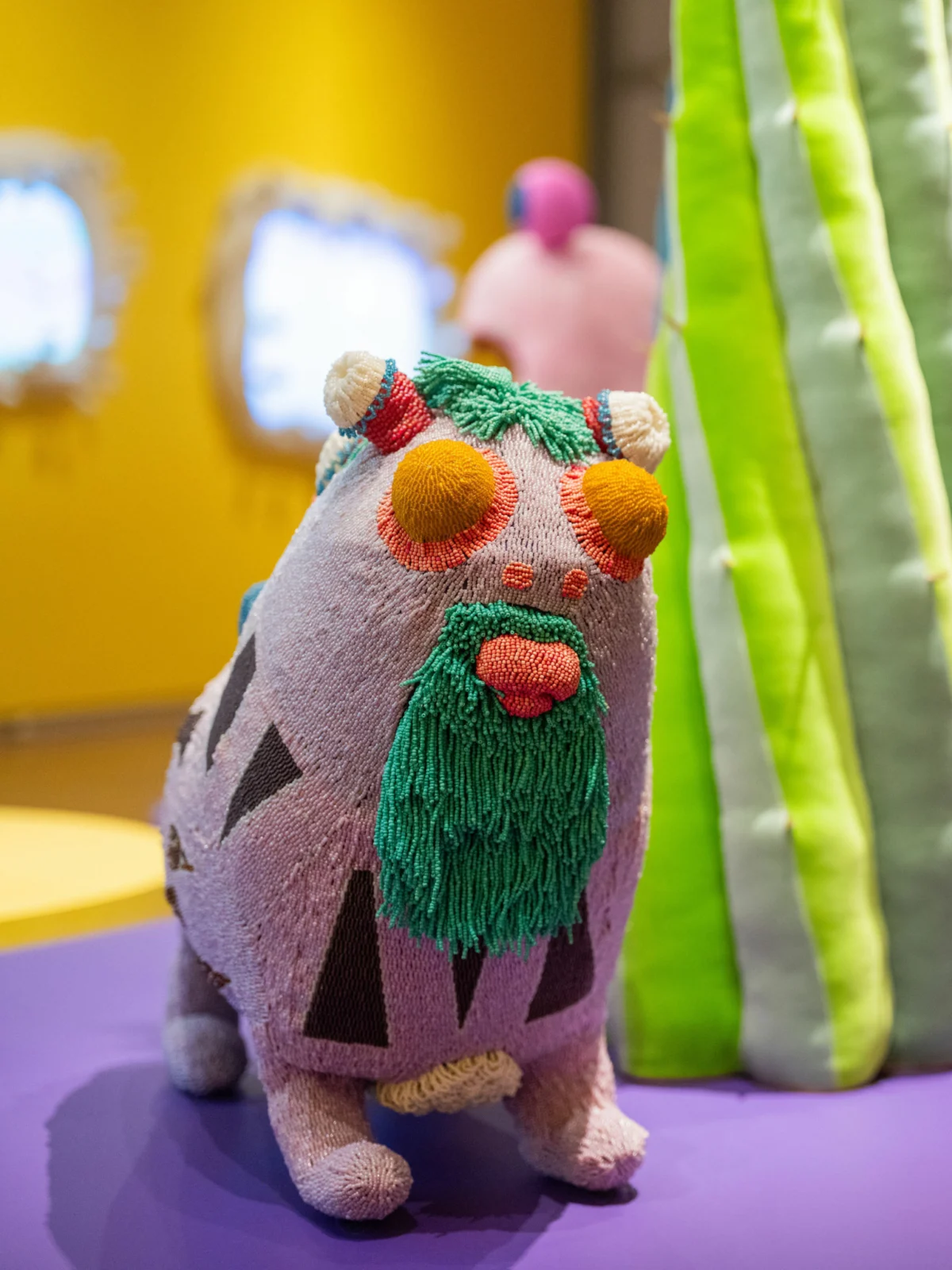
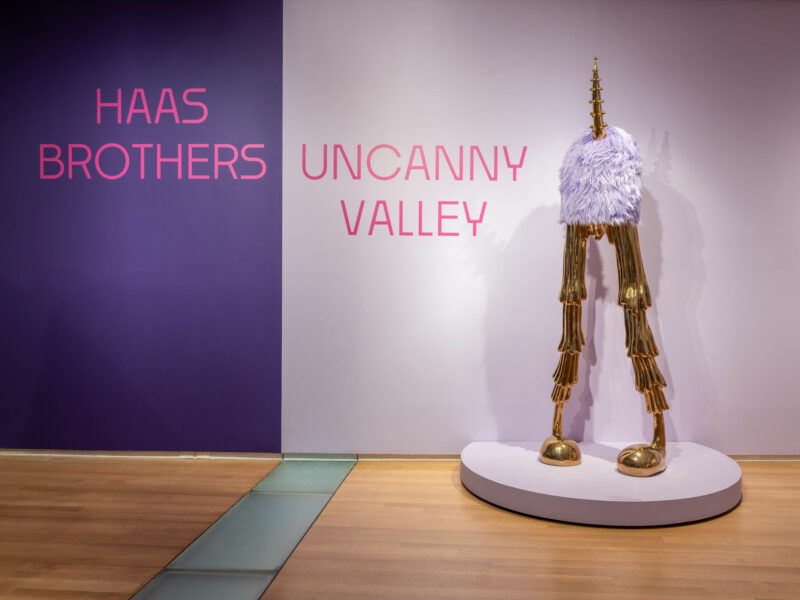
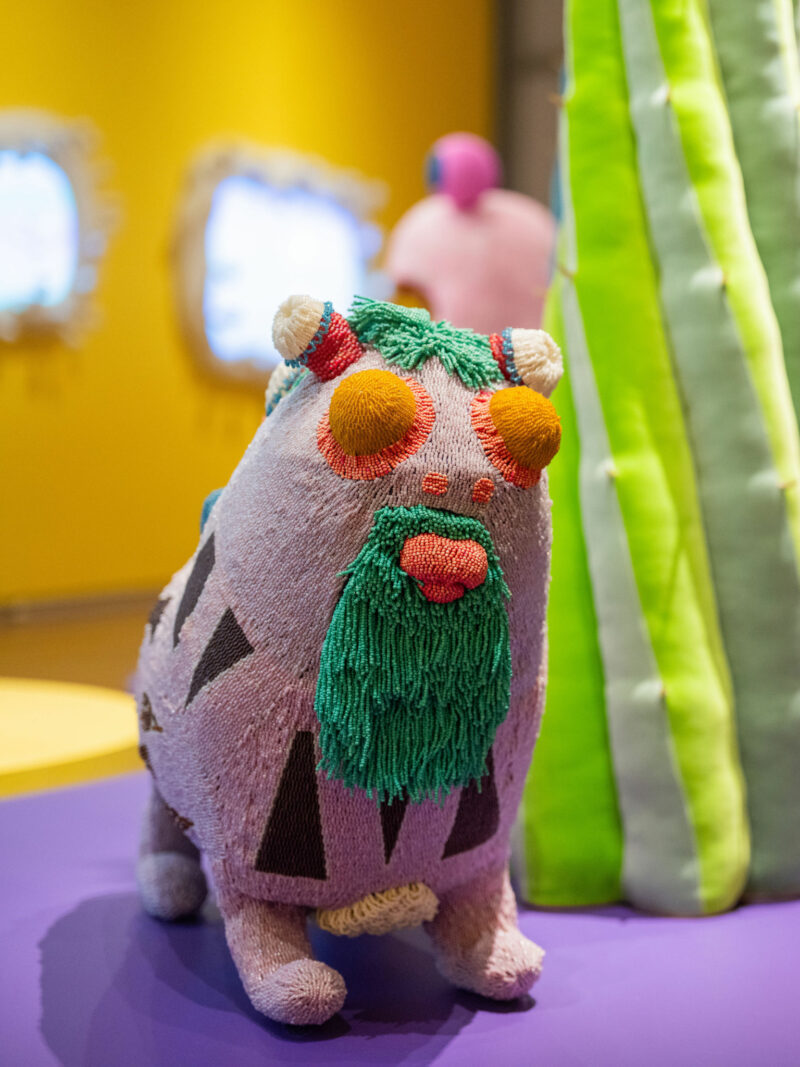
New York City’s Museum of Arts and Design (MAD) is currently hosting Haas Brothers: Uncanny Valley, the most extensive museum exhibition to date for the celebrated twin artist-designers, Nikolai and Simon Haas. This landmark presentation, on view through August 16, 2026, delves into more than 15 years of their distinctive practice, showcasing a rich tapestry of works that defy easy categorization, blending collectible design, contemporary art, and playful experimentation into a singular vision. The exhibition, which spans 85 works created between 2014 and 2025, including several newly unveiled pieces, offers an immersive journey into the duo’s world of surreal creatures, anthropomorphic furniture, and intricately beaded sculptures.
A Deep Dive into the Haas Brothers’ Oeuvre
Since establishing their Los Angeles-based studio in 2010, the Haas Brothers have cultivated a reputation for their distinctive biomorphic forms, which possess a simultaneous sense of whimsicality and rigorous construction. Their work is characterized by a unique fusion of natural inspiration and advanced fabrication techniques, resulting in objects that are both visually captivating and intellectually stimulating. Uncanny Valley at MAD meticulously traces this artistic partnership, providing visitors with an unparalleled opportunity to explore the evolution of their creative process and thematic concerns.
The exhibition’s breadth is significant, encompassing a diverse array of mediums. Sculptures, ceramics, paintings, furniture, and detailed process studies are all represented, illuminating the multifaceted nature of their output. Curated by Laura Mott of the Cranbrook Art Museum in Detroit, the exhibition emphasizes the underlying systems and conceptual frameworks that inform the brothers’ playful aesthetic. For instance, the Accretion ceramic series, with its organic, growth-like forms, draws direct inspiration from the intricate patterns of coral, showcasing a profound connection to natural phenomena. In contrast, their iconic beaded botanical sculptures are a testament to meticulous craftsmanship, often incorporating thousands of antique Venetian glass beads, each painstakingly applied to create vibrant, textural surfaces that shimmer with an otherworldly quality.
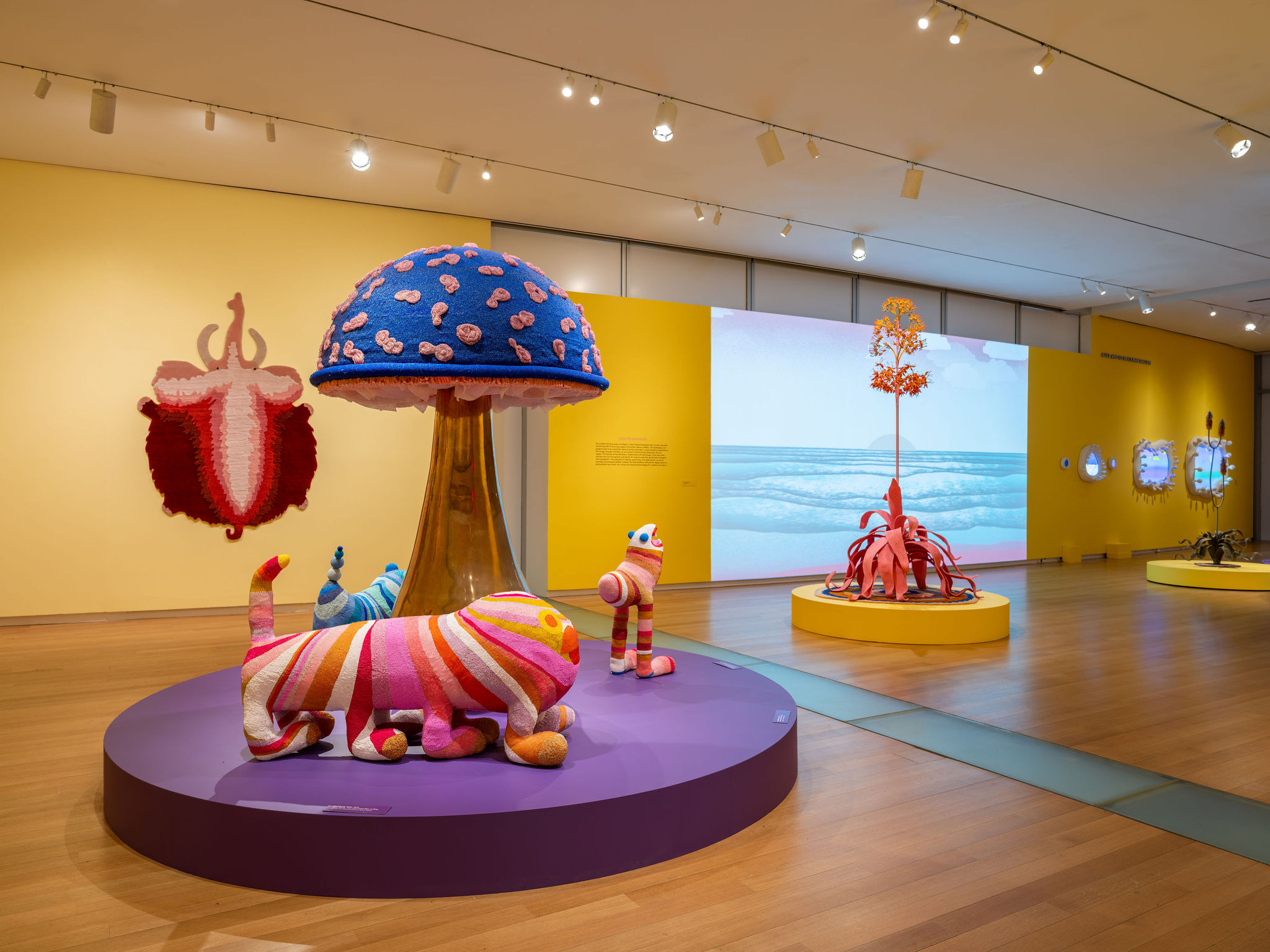
Beyond traditional craft, the Haas Brothers also embrace cutting-edge technology. The exhibition features works that incorporate digital processes, such as algorithmically generated landscapes and self-generating sculptural forms. These pieces highlight the studio’s ongoing dialogue between traditional craft techniques and advanced technological innovation, pushing the boundaries of what is possible in contemporary art and design. This intersection is not merely an aesthetic choice but a conceptual exploration of how new tools can expand creative expression and redefine the very act of making. The integration of digital fabrication alongside handcrafted elements underscores their commitment to exploring every avenue of artistic production, ensuring their work remains at the forefront of innovation.
The Psychological Underpinnings of "Uncanny Valley"
The exhibition’s evocative title, Uncanny Valley, is directly borrowed from the psychological concept of the same name, which Simon Haas identifies as a central throughline in their extensive body of work. This concept, originally articulated in the field of robotics, describes the phenomenon where human empathy for a robot or artificial entity increases with its human-likeness, up to a certain point. Beyond this threshold, if the entity becomes too human-like but not perfectly so, empathy can abruptly switch to a feeling of unease, strangeness, or even revulsion. The common solution to navigate this psychological precipice, particularly in robotics and animation, is to introduce elements of "cuteness" or stylization to avoid crossing into the unsettling zone.
Simon Haas elaborates on this connection: "The ‘uncanny valley’ generally refers to robotics, where empathy for a robot increases the more human you make it—up to a point. When the robot becomes too human, empathy switches to revulsion. The solution for this is to add cuteness. Looking at our 15-year career from a bird’s eye view, the ‘uncanny valley’ came into focus as a core theme." This insightful perspective provides a critical lens through which to understand the Haas Brothers’ creations. Their fantastical creatures, with their exaggerated features, furry textures, and often endearing yet slightly unsettling forms, embody this very tension. They exist in a liminal space, simultaneously inviting affection and prompting a subtle sense of disorientation, effectively playing with the viewer’s innate psychological responses to the familiar and the foreign.
This conceptual depth elevates their work beyond mere aesthetic spectacle, transforming it into a profound commentary on perception, empathy, and the boundaries of human-object interaction. By deliberately operating within this "valley," the Haas Brothers challenge viewers to confront their own biases and emotional responses to objects that blur the lines between animate and inanimate, real and imagined. Their creations become not just visual experiences but also psychological experiments, inviting introspection into the nature of connection and repulsion.
The Haas Brothers’ Journey: From Hollywood to High Art
Nikolai and Simon Haas, born in 1984, hail from a family deeply embedded in the arts. Their father, Berthold Haas, was a sculptor, and their mother, Jacqueline de la Fontaine, was an opera singer and artist. Growing up in this creatively rich environment undoubtedly fostered their artistic inclinations. Simon initially pursued a career in special effects for film, working on productions like The Twilight Saga: Eclipse, which provided him with invaluable skills in fabrication, material manipulation, and creature design. Nikolai, on the other hand, was a drummer, contributing to the musical landscape.
The brothers officially founded The Haas Brothers studio in 2010, initially focusing on furniture design. Their unique approach quickly caught the attention of the design world. Their early works often incorporated unconventional materials and bold, organic forms, setting them apart from traditional designers. Their breakthrough came with their "Accretion" series and later with their "Beast" series, which introduced their signature furry, anthropomorphic creatures that swiftly became iconic. These "Beasts," often crafted from exotic furs, leather, and intricate beading, challenged notions of functional design by imbuing furniture with personality and narrative.
Over the years, their studio has grown significantly, becoming a collaborative hub where skilled artisans and designers work alongside the brothers to bring their ambitious visions to life. Their work has been exhibited globally, from major design fairs like Design Miami to prestigious galleries and institutions. They have also engaged in notable collaborations, including projects with fashion designers and luxury brands, further cementing their status at the intersection of art, design, and popular culture. The Uncanny Valley exhibition represents a culmination of this remarkable journey, providing a comprehensive retrospective that underscores their consistent innovation and enduring influence.
Curatorial Vision and Institutional Significance
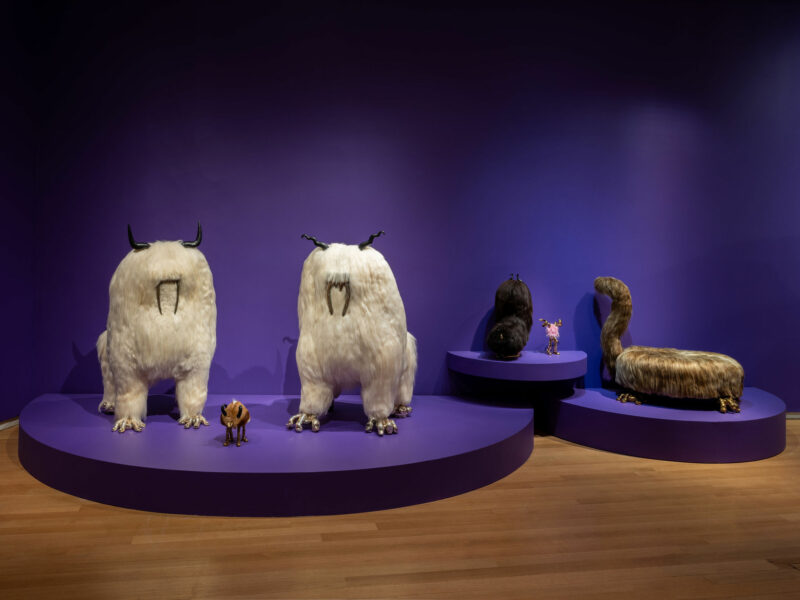
Laura Mott, the curator from Cranbrook Art Museum, has played a pivotal role in shaping Uncanny Valley. Her curatorial approach emphasizes the intellectual rigor behind the Haas Brothers’ seemingly playful creations. Mott’s selection of works and their arrangement within the MAD space are designed to highlight the conceptual depth and material mastery that define the duo’s practice. She aims to reveal how the brothers meticulously develop their ideas, from initial sketches and digital renderings to the final, highly refined objects. This includes showcasing their process studies, which offer rare insights into their iterative and experimental methodology.
For the Museum of Arts and Design, hosting Haas Brothers: Uncanny Valley aligns perfectly with its institutional mission. MAD is dedicated to collecting, displaying, and interpreting objects that document contemporary and historic innovation in craft, art, and design. The Haas Brothers, with their genre-bending work that seamlessly integrates traditional craftsmanship with cutting-edge technology and fine art sensibilities, exemplify the very spirit of MAD’s focus. The exhibition reinforces the museum’s role as a vital platform for showcasing artists who challenge conventional boundaries and redefine the landscape of material culture in the 21st century. It serves as a testament to MAD’s commitment to presenting dynamic and thought-provoking exhibitions that resonate with diverse audiences.
Broader Impact and Future Horizons
The Haas Brothers: Uncanny Valley exhibition is more than just a display of remarkable objects; it is a significant cultural event that contributes to a broader discourse on the evolving relationship between art, design, and technology. By embracing tensions rather than choosing between categories—art and design, beauty and humor, function and fantasy—the exhibition invites visitors into a world where established definitions become fluid and interconnected. This approach reflects a growing trend in the contemporary art world, where artists are increasingly working across disciplines, blurring the lines that once rigidly separated different creative fields.
The exhibition’s exploration of the "uncanny valley" concept holds particular relevance in an era dominated by artificial intelligence, virtual reality, and increasingly sophisticated robotics. As technology advances, humanity’s interaction with artificial entities becomes more nuanced and complex. The Haas Brothers’ work, in its playful yet profound engagement with this psychological phenomenon, offers a timely artistic commentary on our evolving relationship with the artificial and the questions it raises about empathy, authenticity, and our own humanity. Their creations serve as delightful, thought-provoking probes into these critical contemporary issues.
Following its debut at the Museum of Arts and Design in New York, Haas Brothers: Uncanny Valley is slated to embark on a national tour, bringing its unique vision to other significant institutions. The exhibition will travel to the Blanton Museum of Art in Austin, Texas, and subsequently to the Mint Museum in Charlotte, North Carolina. This extensive touring schedule underscores the widespread interest in the Haas Brothers’ work and its relevance to diverse audiences across the United States. It also ensures that the profound insights and visual spectacle of Uncanny Valley will reach a broader public, further solidifying the Haas Brothers’ position as influential figures in contemporary art and design. The exhibition promises to leave an indelible mark, inspiring new conversations and challenging preconceived notions about the possibilities of creative expression in a rapidly changing world.







