Muhammad Hendra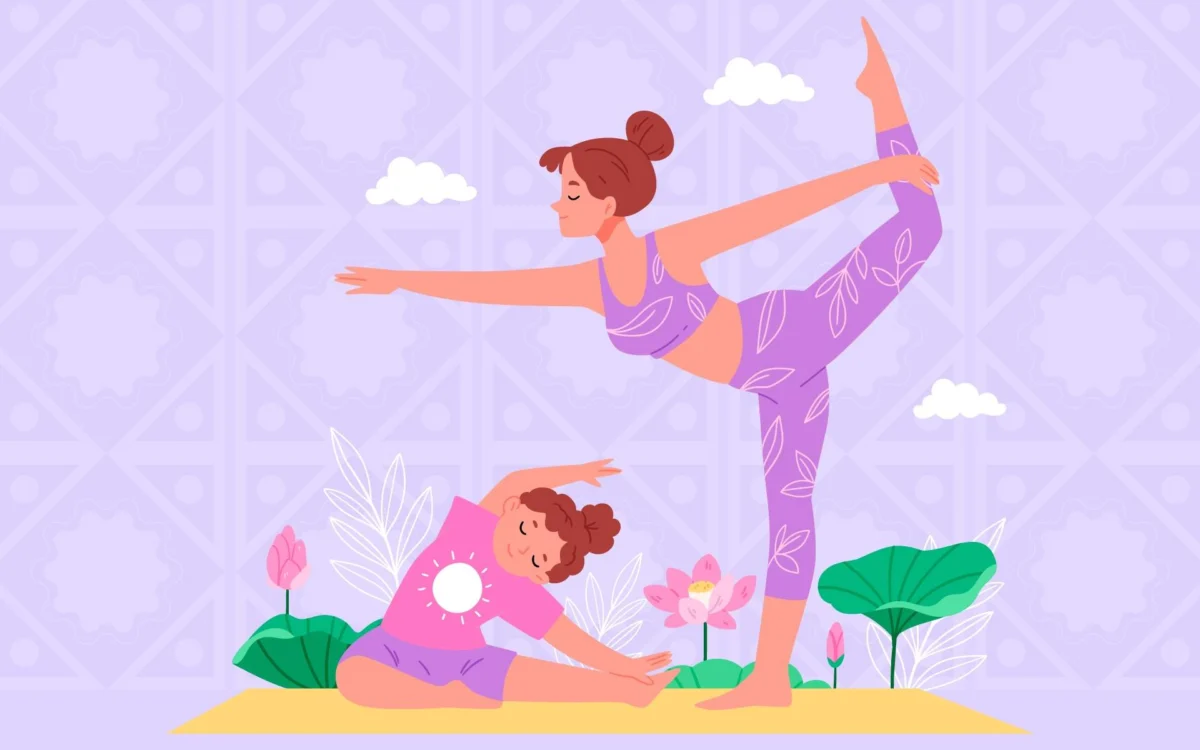
The demanding landscape of modern parenthood often presents significant challenges to maintaining personal wellness routines. For many new parents, the dedicated time and space once afforded to practices like yoga or meditation become immediate casualties of round-the-clock care and shifting priorities. However, an emerging trend suggests that rather than abandoning these crucial self-care regimens, parents are discovering profound ways to integrate mindfulness and movement directly into daily family life, often deepening their personal practice while simultaneously fostering well-being in their children. This evolution represents a significant paradigm shift, moving wellness from an isolated pursuit to an embedded family experience.
The Parental Wellness Dilemma: A Modern Challenge
The arrival of a child frequently marks a period of intense personal adjustment, often accompanied by increased stress and decreased personal time. Data from various studies consistently highlight the mental health challenges faced by parents. For instance, research indicates that parental burnout, characterized by emotional exhaustion, detachment from one’s children, and a sense of ineffectiveness, affects a substantial portion of parents, with some studies estimating prevalence rates as high as 12-15% in Western countries. Sleep deprivation, financial pressures, and the constant demands of childcare contribute significantly to these statistics.
Traditional wellness models, which often require scheduled classes, quiet solitude, or specific equipment, frequently prove incompatible with the unpredictable rhythm of life with young children. Parents, initially armed with the best intentions to continue their routines, quickly encounter the practical barriers: the logistics of childcare during a studio class, the exhaustion that precludes self-directed practice during precious nap times, or the sheer impossibility of finding uninterrupted moments. The psychological toll of neglecting personal well-being can be substantial, impacting not only the parent’s mental and physical health but also their capacity for patience, empathy, and effective parenting, thereby influencing the child’s developmental environment.
A Paradigm Shift: From Studio to Shared Experience
The journey for many parents involves an initial period of mourning the loss of their pre-parental wellness routines. This often gives way to a pragmatic re-evaluation, leading to the discovery that effective practice does not necessitate specific environments or extended durations. Instead, a new model of integrated wellness emerges, built on the principle of presence and adaptability. This shift often begins organically, born out of necessity, as parents find themselves engaging in brief, informal moments of mindfulness and movement alongside their children.
Child development specialists and psychologists increasingly emphasize the critical role of parental well-being in shaping a child’s emotional and cognitive development. When parents model healthy coping mechanisms, emotional regulation, and physical activity, children are more likely to internalize these positive behaviors. The core of this paradigm shift lies in redefining "practice" not as a separate activity to be scheduled, but as a quality of being that permeates everyday interactions. Instead of striving for perfection in a formal sequence, the focus shifts to consistent, authentic engagement in the present moment. This approach is not only more sustainable for time-strapped parents but also more impactful, as it creates a continuous learning environment for children. Yoga and mindfulness instructors, acknowledging the evolving needs of their clientele, are increasingly advocating for these integrated, accessible forms of practice, recognizing their potential for deeper, more consistent engagement than traditional studio models can offer to new parents.
Key Practices for Integrated Family Wellness
The integration of mindfulness and movement into family life can manifest through various simple yet profound practices, transforming ordinary moments into opportunities for shared growth and well-being. These methods require minimal setup and no additional time commitment, weaving seamlessly into existing daily schedules.
Morning Wake-Up Stretches: Cultivating a Mindful Start
The minutes immediately following awakening offer a prime window for establishing a positive tone for the day. Rather than rushing into the morning routine, a brief session of gentle stretches performed in bed with children can foster both physical awakening and emotional connection. Simple movements like extending arms overhead, hugging knees to the chest, or gentle side-to-side twists encourage body awareness. Framing this as an invitation – "Want to stretch with me?" – rather than an instruction, often encourages children to participate naturally. This practice not only teaches children the importance of movement and breath as a conscious choice but also provides parents with crucial moments of self-care without leaving the home.
Enriching this ritual with a gratitude practice further amplifies its benefits. Sharing one thing to be grateful for or a positive thought about the day ahead—"I’m grateful for this cozy bed and this time with you"—can instill an early appreciation for the present moment. Research on positive psychology indicates that gratitude practices can significantly enhance overall well-being and resilience, benefits that extend to both adults and children when cultivated early. This gentle start can help regulate circadian rhythms and set a calm, appreciative tone, reducing the likelihood of morning chaos and stress.
Mindful Moments While Waiting: Harnessing Idle Time
Waiting is an inevitable part of life with children, from bus stops and doctor’s offices to grocery lines and school pick-ups. Traditionally, these moments are often filled with distractions like mobile phones or mental to-do lists. However, they present invaluable opportunities for cultivating present-moment awareness. Engaging children in sensory games such as "What do you hear right now?" or "What’s different today than yesterday?" encourages them to observe their surroundings with fresh eyes.
This practice, known as informal mindfulness, helps children develop observational skills, patience, and an appreciation for their environment. For parents, it provides a break from internal rumination and an anchor to the present, mitigating the stress often associated with waiting. It also models a healthy alternative to constant digital engagement, fostering genuine connection with the immediate surroundings and each other. Psychologists note that regular engagement in such mindful pauses can reduce anxiety and improve cognitive focus for both adults and children.
Deep Breathing Throughout the Day: Regulating Emotions Together
Conscious breathing is a powerful tool for emotional regulation and stress reduction, accessible anywhere at any time. Integrating simple breathing exercises throughout the day—before transitions, in the car, or while standing in line—can significantly impact family dynamics. A straightforward practice, such as breathing in for four counts and out for four counts, requires no special technique or setting.
The physiological benefits of controlled breathing are well-documented; it activates the parasympathetic nervous system, promoting relaxation and reducing the "fight or flight" response. By practicing together, children learn a vital coping mechanism for stress and strong emotions, often mirroring the practice back to parents during moments of their own distress. This co-regulation strengthens emotional bonds and builds resilience. For instance, a child reminding a stressed parent to "take a deep breath" demonstrates the profound internalization of this practice. The more frequently these brief breathing moments are incorporated, the more natural and instinctive they become for all family members.
The "Drop and Roll" Game: Playful Movement for Mental Shifts
Movement possesses an inherent power to shift energy and perspective. The "Drop and Roll" game leverages this by encouraging spontaneous yoga poses to address changes in mood or environment. Whether it’s "dropping into downward dog" in a grocery aisle to alleviate restlessness, attempting "tree pose" to stimulate different thinking during problem-solving, or collectively assuming "child’s pose" for a moment of calm before dinner, these playful interruptions serve as potent resets.
This approach aligns with kinesthetic learning principles, where physical activity aids in cognitive and emotional processing. For children, it transforms yoga into an engaging, playful activity rather than a rigid discipline. For parents, it offers an immediate, accessible strategy to manage chaotic energy or personal mental blocks. Research indicates that physical movement can rapidly alter neurotransmitter levels, impacting mood and focus. By incorporating these spontaneous poses, families learn that physical expression is a powerful tool for self-regulation and regaining equilibrium, regardless of the setting.
Bedtime Meditation: Facilitating Rest and Connection
Bedtime, traditionally a routine of stories and tuck-ins, presents an ideal opportunity for shared meditation. While formal meditation during the day with active children can be challenging, the transition to sleep offers a natural window for quiet reflection. Simple body scans or guided visualizations, such as imagining being a "starfish floating in warm water" with softening limbs, can gently guide children into relaxation.
This practice not only aids children in processing the day’s events and transitioning to restful sleep, but it also profoundly impacts the parent’s nervous system. The act of guiding another through relaxation inherently calms the guide, slowing breath, softening muscles, and allowing the mind to unwind after a demanding day. This co-meditation becomes a powerful ritual for both parties, fostering a sense of peace and connection. Adequate sleep and emotional processing before bed are crucial for both child development and parental well-being, with studies consistently linking consistent bedtime routines to improved sleep quality and reduced behavioral issues in children.
Travel Days and Hotel Room Yoga: Adaptability in Disruption
Travel with children, often characterized by confined spaces, long waits, and disrupted routines, can be a significant source of stress. Paradoxically, these conditions can be ideal for integrated yoga practices. A hotel room, for instance, can be reframed as a temporary studio, offering space for playful animal poses or more structured stretches. Airport gate waits become opportunities for seated twists, neck rolls, or gentle stretches in the backseat of a car during a rest stop.
This approach challenges the conventional notion that yoga requires perfect conditions, demonstrating that practice can occur anywhere. It teaches children adaptability and resilience in the face of change while providing parents with essential physical release and mental grounding during potentially stressful periods. By maintaining a semblance of physical activity and mindfulness, families can mitigate the negative impacts of travel, turning potential friction points into moments of shared, mindful engagement. This reframing cultivates an understanding that wellness is not contingent on external circumstances but is an internal state accessible through intentional practice.
Yoga Through Acts of Service (Karma Yoga): Extending Wellness Beyond Self
The essence of yoga extends far beyond physical postures and breathing exercises; it encompasses an ethical framework that promotes compassionate engagement with the world. Integrating acts of selfless service, or Karma Yoga, into family life provides a profound avenue for this broader practice. Volunteering at a food bank, assisting an elderly neighbor, creating cards for nursing home residents, or participating in community clean-up days teaches children empathy, generosity, and social responsibility.
For example, organizing a pajama drive for less fortunate children, as one family has done for a decade, transforms community engagement into a deeply meaningful shared practice. When children observe their parents modeling a lifestyle that prioritizes compassion and contribution, they learn that yoga is a way of being—a philosophy that informs actions and interactions—rather than merely a set of exercises. For parents, these acts of service offer a powerful reminder of interconnectedness and purpose, fostering a sense of fulfillment that transcends individual well-being and extends into collective flourishing. This form of practice cultivates values that are crucial for healthy societal development, emphasizing altruism and community spirit.
Implications and Broader Impact
The widespread adoption of integrated family wellness practices carries significant implications for individual families and broader societal well-being.
Enhanced Parent-Child Bonds: Shared mindfulness and movement experiences create unique opportunities for connection, fostering deeper understanding and empathy between parents and children. These moments become part of a shared family narrative, strengthening emotional security.
Improved Mental Health Outcomes: For parents, this approach offers a sustainable strategy to combat stress, burnout, and anxiety, contributing to improved emotional regulation and overall resilience. For children, early exposure to mindfulness and movement cultivates emotional intelligence, self-regulation skills, and a positive relationship with their bodies, potentially reducing the incidence of childhood anxiety and stress-related issues.
Sustainable Wellness Models: By decentralizing "practice" from specific locations and times, this paradigm shift creates wellness models that are more adaptable and resilient to life’s inevitable disruptions, ensuring that self-care remains an ongoing, integrated part of life rather than a luxury.
Redefining "Practice": This trend challenges traditional perceptions of what constitutes a "real" yoga or mindfulness practice, emphasizing authenticity, presence, and consistency over rigid adherence to prescribed forms. It democratizes wellness, making it accessible to individuals regardless of their ability to attend classes or dedicate extensive periods.
Societal Benefits: A generation of children raised with integrated mindfulness and movement practices is likely to exhibit greater self-awareness, emotional resilience, empathy, and social responsibility. These qualities are foundational for building stronger communities and a more compassionate society. As parents become more present and regulated, family environments become more harmonious, potentially leading to positive ripple effects throughout communities.
Conclusion: The Enduring Power of Presence
Ultimately, children do not require perfection in their parents’ wellness practices; they thrive on presence. By embracing simple, integrated practices of breath, movement, and mindfulness, parents can not only sustain their personal well-being but also cultivate a deep, authentic practice that is interwoven into the fabric of daily family life. The journey from seeking a dedicated studio space to finding profound practice in a child’s sleepy stretch, a mindful pause at a bus stop, or a collective act of service, underscores a vital truth: the practice was never meant to be separate from life. It was always intended to be integrated, organic, and responsive. Children, with their innate capacity for present-moment awareness and their ability to find joy in the simplest interactions, serve as powerful catalysts, guiding adults back to the authentic, integrated essence of well-being that was always there, waiting to be rediscovered within the everyday. This ongoing evolution in parental wellness signifies a holistic approach to family life, where well-being is not an external pursuit but an intrinsic, shared journey.