Cintya Tara Annisa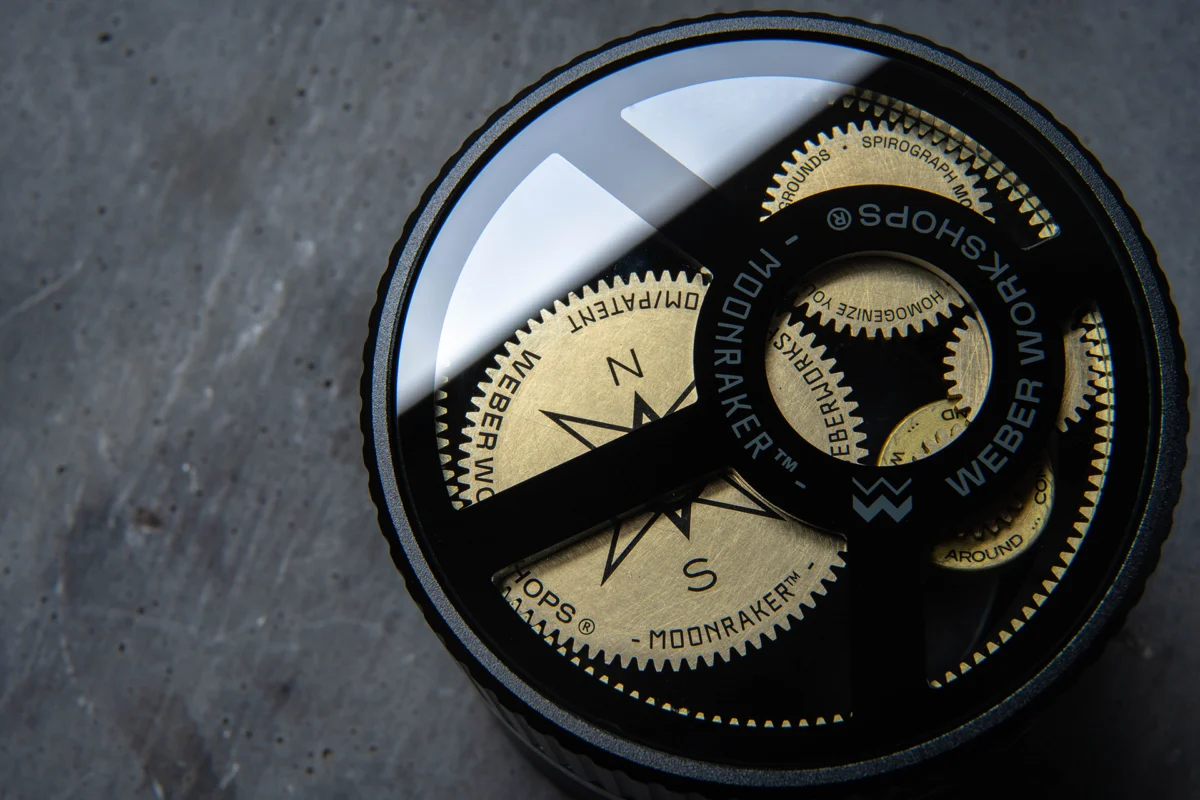
The landscape of professional espresso preparation has undergone a radical transformation over the last two decades, moving from a focus on speed and volume toward a granular obsession with extraction physics. Central to this shift is the ubiquity of the Weiss Distribution Technique (WDT), a process involving the mechanical agitation of coffee grounds within a portafilter using a needle-like tool. Once a niche practice relegated to internet forums and home enthusiasts, the WDT tool has become a standard fixture on the bars of high-end specialty cafes and a mandatory component of international barista competitions. This technique, designed to eliminate "channeling" and ensure even water flow through the coffee puck, represents a significant intersection of amateur experimentation and rigorous scientific inquiry into fluid dynamics.
The Origins of the Weiss Distribution Technique: A Chronology of Innovation
The history of the WDT tool begins not in a commercial laboratory or a corporate coffee research center, but in the home kitchen of John Weiss, a computer science and biomedicine researcher. In 2005, the specialty coffee movement was entering its "Third Wave," a period characterized by an increased focus on bean origin and technical precision. During this era, coffee enthusiasts began using bottomless (naked) portafilters, which allow the barista to see the espresso as it exits the basket. This visual feedback revealed a common flaw: "spritzing" and uneven streams, known as channeling, where water finds paths of least resistance through the coffee bed, leading to uneven extraction.
Weiss, motivated by the desire to replicate the visually perfect "tiger-striped" extractions frequently shared on early coffee message boards, identified that the primary culprit was the uneven density of coffee grounds. Grinders of that era, particularly early doserless models, frequently produced clumps of coffee held together by static electricity and oil. When these clumps remained in the portafilter, they created pockets of high and low density.
The timeline of the technique’s development is a testament to the power of open-source community innovation:
- 2005: John Weiss introduces the concept on the Home-Barista.com forums. His original prototype utilized a dissecting needle from a college biology kit and a "dosing funnel" fashioned from a repurposed yogurt cup to prevent grounds from spilling during agitation.
- 2006–2010: The technique gains a cult following among home baristas. DIY versions using acupuncture needles, wine corks, and paperclips proliferate.
- 2015–2020: As espresso technology improves, the industry begins to quantify the benefits of WDT. Tools like the Decent Espresso machine provide real-time data on flow rates, proving that WDT significantly reduces variance between shots.
- 2021–Present: The commercial market for WDT tools explodes. Engineering firms begin producing high-precision tools with planetary gears and specialized needle diameters, moving the practice from "hack" to "hardware."
The Physics of Distribution: Why WDT Works
To understand the necessity of the WDT tool, one must look at the physics of espresso extraction. Espresso is brewed by forcing water through a compacted "puck" of coffee at approximately nine bars of pressure. According to Darcy’s Law, which governs the flow of fluid through a porous medium, the flow rate is directly proportional to the permeability of the medium. If the coffee grounds are distributed unevenly, the water will naturally gravitate toward areas of lower density.
This phenomenon, channeling, creates a dual problem for the flavor profile. The coffee in the high-flow channels becomes over-extracted, yielding bitter, astringent notes, while the coffee in the bypassed high-density areas remains under-extracted, contributing sour and salty flavors. The WDT tool addresses this by physically breaking up clumps and homogenizing the distribution of particles across the entire volume of the portafilter basket. By raking the needles through the grounds, the barista ensures that the interstitial spaces between the coffee particles are uniform, leading to a balanced resistance against the pressurized water.
From DIY to High-Engineering: The Tool Market Evolution
The early days of WDT were defined by "make-do" aesthetics. However, as the specialty coffee industry matured, so did the equipment. Today, the market for distribution tools is divided into several distinct categories, ranging from entry-level manual tools to complex mechanical devices.
Manual Needle Tools
The most common iteration remains a handheld handle equipped with several thin stainless steel needles. Industry consensus suggests that needles with a diameter between 0.3mm and 0.4mm are optimal; needles that are too thick can actually cause more "trenching" or displacement than they resolve.
Planetary Gear Distributors
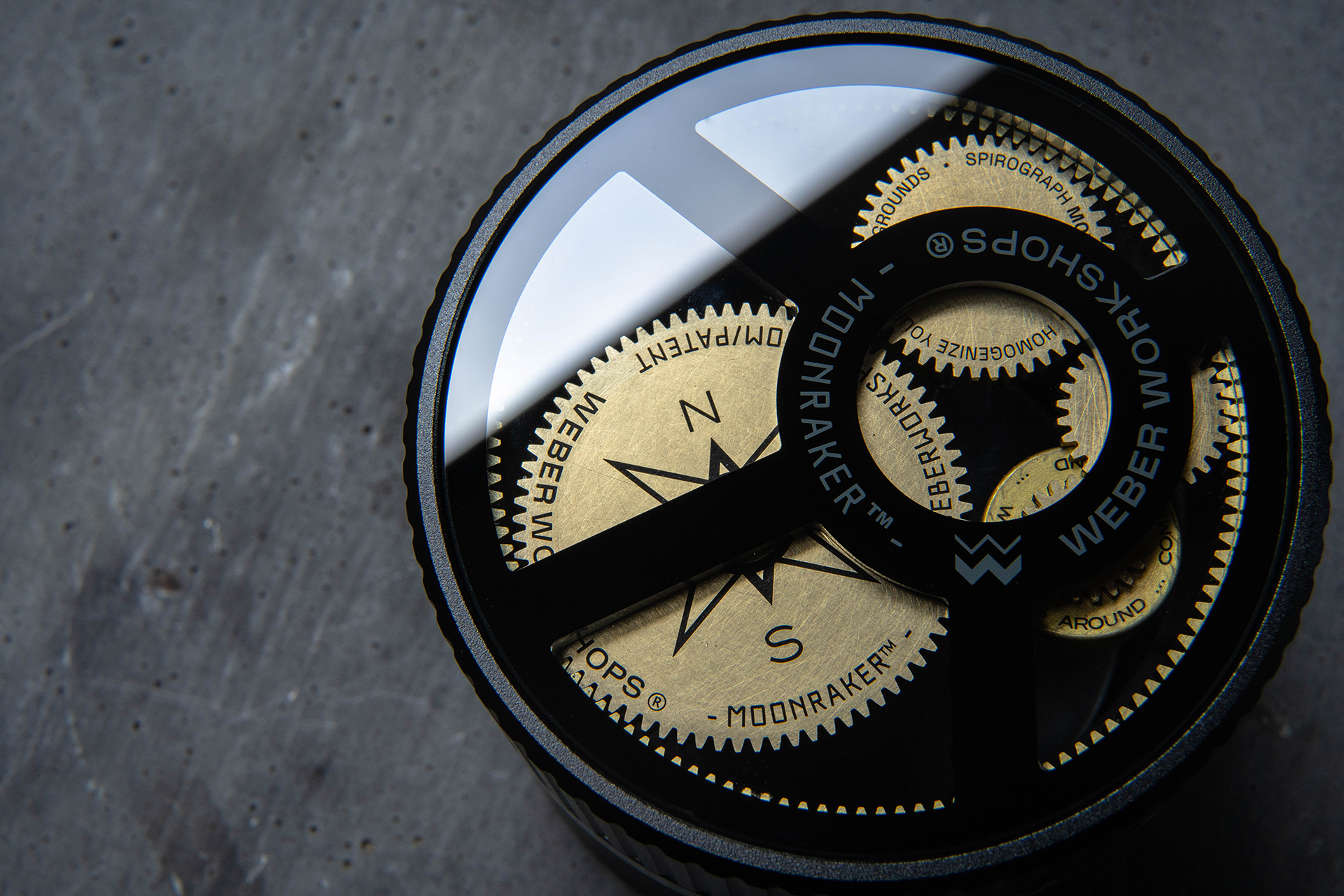
High-end manufacturers have introduced tools like the Weber Workshops Moonraker and the Duomo the Eight. These devices sit atop the portafilter and utilize internal gears to move needles in a precise, non-repeating pattern. This removes human error and ensures that every square millimeter of the coffee bed is agitated equally.
Professional Commercial Solutions
In high-volume cafe environments, speed is as critical as quality. This has led to the development of "stand-alone" or semi-automated distribution tools like the Autocomb. Ben Put, a seven-time Canadian Barista Champion and co-founder of Monogram Coffee, notes that durability and speed are the primary requirements for commercial tools. "In our cafes, we use Autocombs because they are the fastest and most robust, and they are the least likely to have needles bend during a busy shift," Put explained.
Professional Perspectives and Competition Standards
The adoption of WDT in professional settings has been nuanced. While the benefits to extraction are well-documented, the added time required for the step can be a deterrent in fast-paced retail environments. Many leading cafes, including Monogram Coffee, have adopted a "hierarchy of service" for their espresso programs.
According to Put, the decision to use a WDT tool often depends on the specific beverage being served. For large milk-based drinks like lattes, where the subtle nuances of the espresso are masked by milk fats, the time-consuming WDT step may be bypassed. However, for "discerning" drinks—espresso shots, macchiatos, and cortados featuring fruity or adventurous single-origin beans—WDT is considered essential.
In the arena of the World Barista Championship (WBC), WDT has become an indispensable part of the technical routine. Competitors are judged not only on the flavor of their coffee but also on their technical proficiency and cleanliness. The 2024 and 2025 competition cycles have seen nearly every top-tier finalist incorporate some form of needle distribution. Jack Simpson, the 2025 World Barista Champion, famously combined WDT with a secondary vibration plate to settle the grounds further, a technique that many experts believe represents the next frontier in puck preparation.
Supporting Data: Quantifying the WDT Effect
Data-driven coffee research has provided empirical support for Weiss’s original theories. Studies using refractometers to measure Total Dissolved Solids (TDS) and Extraction Yield (EY) have shown that WDT consistently leads to higher and more uniform extraction percentages.
In controlled testing, shots prepared with WDT typically show a standard deviation in extraction yield of less than 0.2%, compared to deviations of 1.0% or higher in shots prepared with traditional "finger leveling" techniques. Furthermore, WDT has been shown to increase the average extraction yield by 1–2%, allowing baristas to use less coffee to achieve the same strength of flavor, which has significant economic implications for high-volume businesses.
Broader Impact and the Future of Espresso Technology
The legacy of John Weiss is unique in the scientific community. Despite having published over 80 peer-reviewed articles in fields as complex as neurobiology and artificial neural networks, Weiss acknowledges that his contribution to coffee science has garnered the most widespread public attention. "It seemed like just a fun hobby," Weiss remarked on the longevity of his technique. "But looking back, my silly WDT article garnered far more attention than any of my scientific articles."
The question remains whether the WDT tool is a permanent fixture or a temporary solution to current grinder limitations. Modern grinder manufacturers are increasingly focused on reducing static and clumping through "ionizers" and improved burr geometry. However, many experts, including Ben Put, believe that while grinders are improving, the fundamental issue of coffee density remains.
"WDT is bringing attention to the fact that our coffee density is not even," Put says. "I think it’s the start of understanding coffee density—not the end."
As the industry moves forward, the focus is shifting toward integrated solutions. We are likely to see a convergence of grinding and distribution, where the grinder itself handles the homogenization of the grounds through vibration or internal agitation. Until then, the "spiky gizmo" remains the most effective tool for any barista seeking the elusive "perfect pour." The WDT tool stands as a testament to the power of the enthusiast community to drive professional standards, proving that sometimes, the most sophisticated scientific problems are best solved with a simple needle and a bit of curiosity.