The landscape of digital publishing and newsletter creation underwent a significant shift with the introduction of native scheduling for Substack Notes, fundamentally altering how independent writers, journalists, and thought leaders manage their social distribution strategies. For years, the inability to queue short-form updates natively on Substack presented a operational bottleneck for creators striving to maintain consistent audience engagement. Today, however, creators find themselves navigating an expanding ecosystem of both native and third-party scheduling platforms designed to streamline content distribution across multiple channels.

This comprehensive examination explores the historical context of Substack’s feature evolution, the technical mechanics of available scheduling solutions, a comparative analysis of the leading tools in the market, and the broader implications for the creator economy.
Background Context and Timeline of the Feature Evolution
Substack originally positioned itself as an unbundled alternative to traditional blogging and media conglomerates, emphasizing long-form email newsletters delivered directly to subscriber inboxes. Over time, the platform recognized the necessity of community-building and discovery mechanisms within its own walled garden, leading to the launch of Substack Notes in early 2023. Modelled after microblogging networks like X (formerly Twitter) and Threads, Notes allowed writers to share brief updates, quotes, and links to foster reader interaction without requiring a full article publication.

Despite the rapid adoption of Notes by creators seeking algorithmic discovery, a critical functional limitation persisted: the absence of a scheduling mechanism. Creators were forced to publish Notes in real-time, disrupting editorial workflows and making it difficult to maintain a steady cadence across different time zones.
The turning point occurred in the spring of 2026, when Substack officially rolled out native scheduling capabilities across both web and mobile environments. This update enabled users to queue content up to three months in advance directly through the platform’s native interface. Shortly thereafter, in the fall of 2026, the demand for cross-platform integration reached a critical mass—exemplified by integration requests exceeding 1,100 upvotes on platforms like Buffer—prompting major third-party social media management tools to establish official API connections with Substack.
Technical Mechanics: How Scheduling Tools Publish Content
Understanding the underlying publishing architecture of a scheduling tool is critical for creators, as technical implementation dictates reliability, session stability, and feature availability. Industry analysis reveals three primary publishing mechanisms utilized by tools currently operating within the Substack ecosystem:
- Direct API Integration: Considered the gold standard for security and reliability, direct API connections utilize authorized credentials provided by Substack to securely transmit scheduled posts to the platform’s servers. Tools utilizing this method—such as Buffer and Typefully—interact directly with official developer endpoints, ensuring high uptime and minimal risk of session disruption.
- Browser Extensions: Certain niche tools rely on Chromium-based browser extensions (such as WriteStack and Narrareach) to automate the publishing process locally. While these extensions offer specialized research and workflow features, they typically require the user’s browser to remain active or configured correctly, and they are generally restricted to specific browser environments like Google Chrome or Microsoft Edge, excluding users of Safari or Firefox.
- Stored Session Cookies: A subset of third-party applications requires users to manually input session cookies to interact with the Substack backend on their behalf. While this approach bypasses official API limitations, it introduces potential security vulnerabilities and operational fragility. Because session cookies frequently expire, users are periodically required to manually re-authenticate their accounts to prevent queue disruptions.
Comparative Overview of Leading Substack Notes Schedulers
To assist creators in selecting the most appropriate infrastructure for their publishing workflows, market analysts have evaluated six primary scheduling solutions based on features, pricing, and operational scope.
| Tool | Best Suited For | Publishing Mechanism | Cross-Platform Support | Free Tier Availability | Entry-Level Paid Pricing |
|---|---|---|---|---|---|
| Buffer | Cross-posting to multiple social networks | Direct API connection | Yes (10+ platforms) | Yes (up to 3 channels) | $6 per channel / month |
| Substack Native | Low-frequency, single-platform creators | Substack native servers | No | Yes (fully free) | N/A |
| WriteStack | Substack-centric research and deep analytics | Chromium browser extension | Via Buffer integration | No (7-day trial) | $23.99 per month |
| Typefully | Writers centered around X and microblogging | Direct API connection | Yes | Yes (limited features) | $99 per year |
| Narrareach | AI-driven article repurposing | Browser extension to native scheduler | Yes (including Medium) | Yes (limited to 5 Notes/mo) | $19 per month |
| StackSweller | Minimalist, cloud-based queuing | Stored session cookies | No | No | $25 per month |
Detailed Analysis of Platform Options
1. Buffer
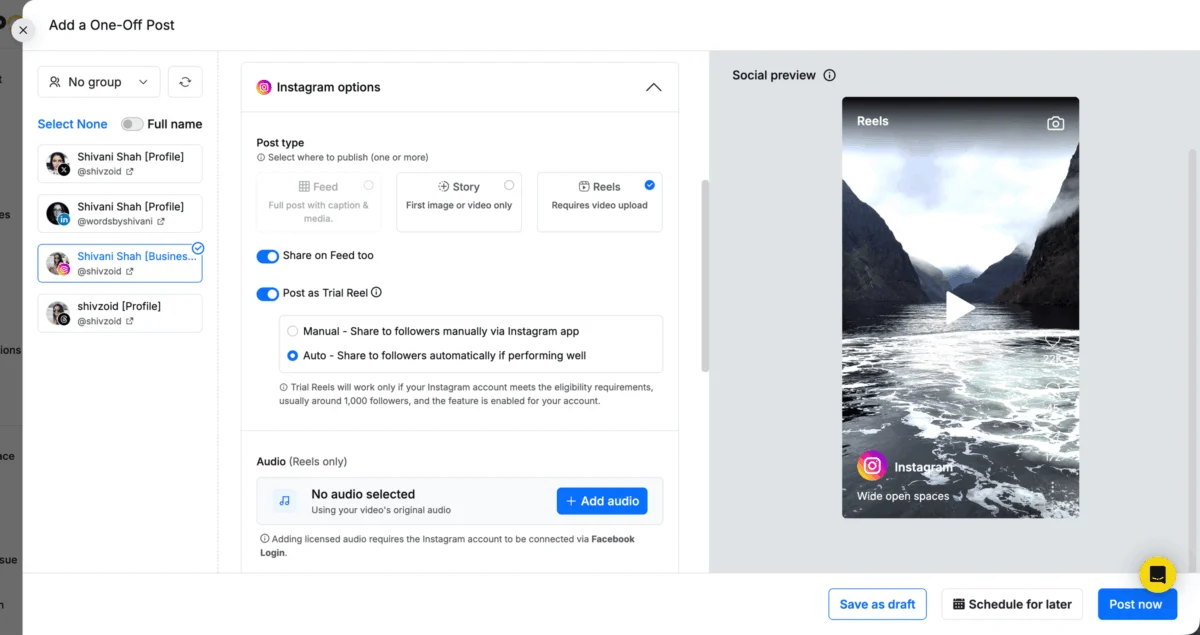
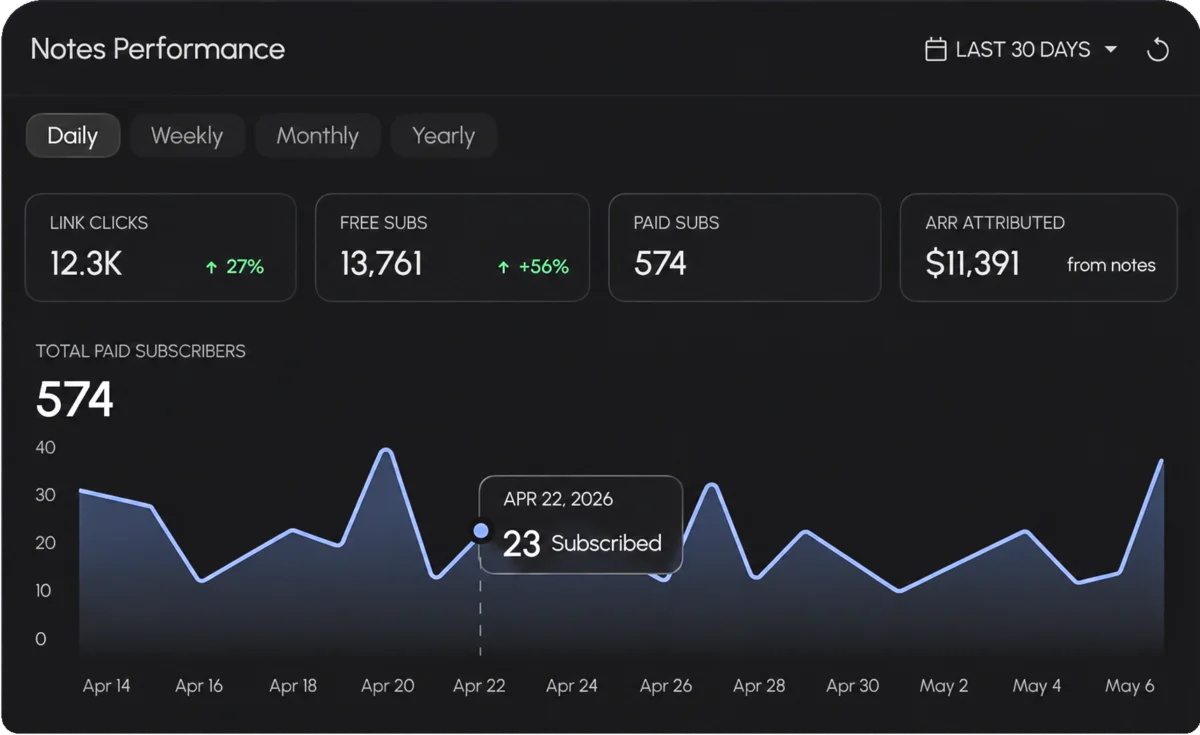
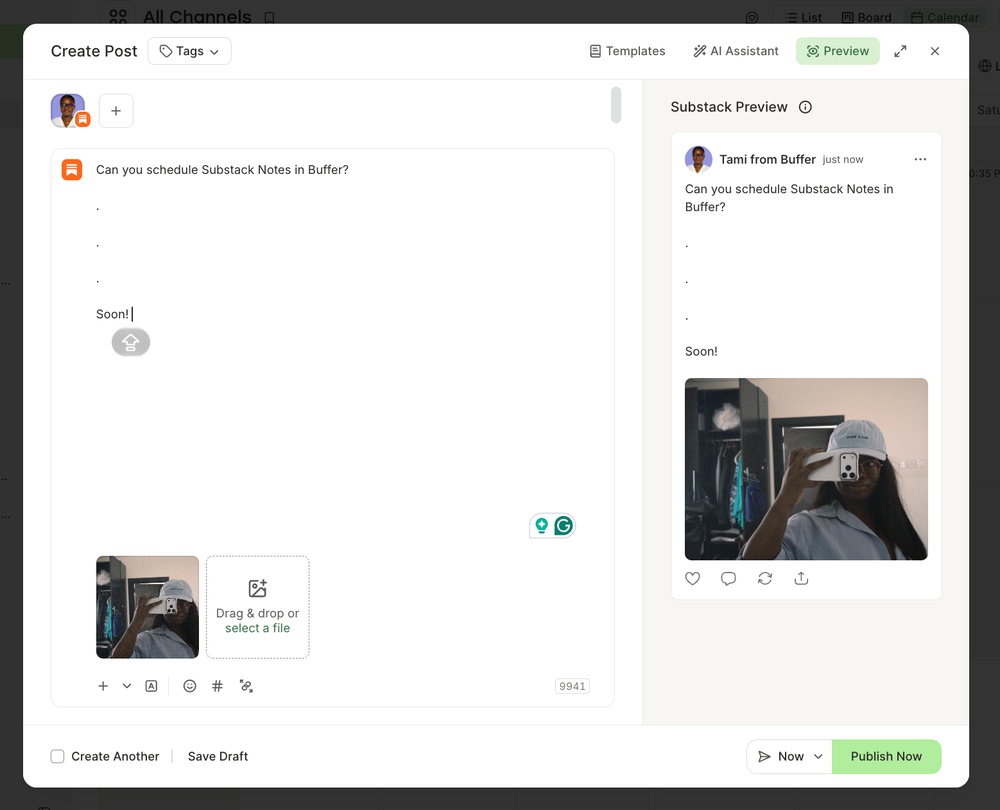
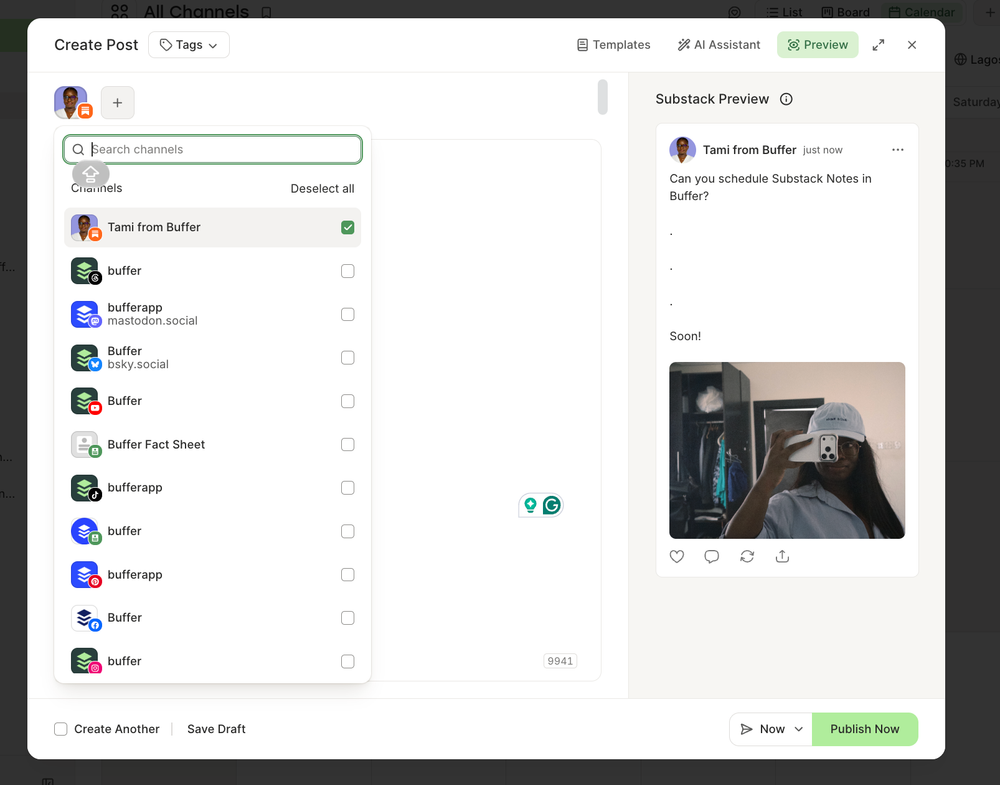
Positioned primarily for creators engaged in multi-channel distribution, Buffer introduced its Substack Notes integration following significant community demand. The platform enables creators to manage Substack Notes alongside channels such as LinkedIn, Threads, Bluesky, and X within a centralized calendar interface. Key operational advantages include a robust free tier supporting up to three distinct channels, sophisticated analytics to track subscriber acquisition, and a streamlined user interface designed to minimize friction in daily publishing routines. Paid tiers begin at $6 per channel monthly, or $5 when billed annually.
2. Substack Native Scheduler
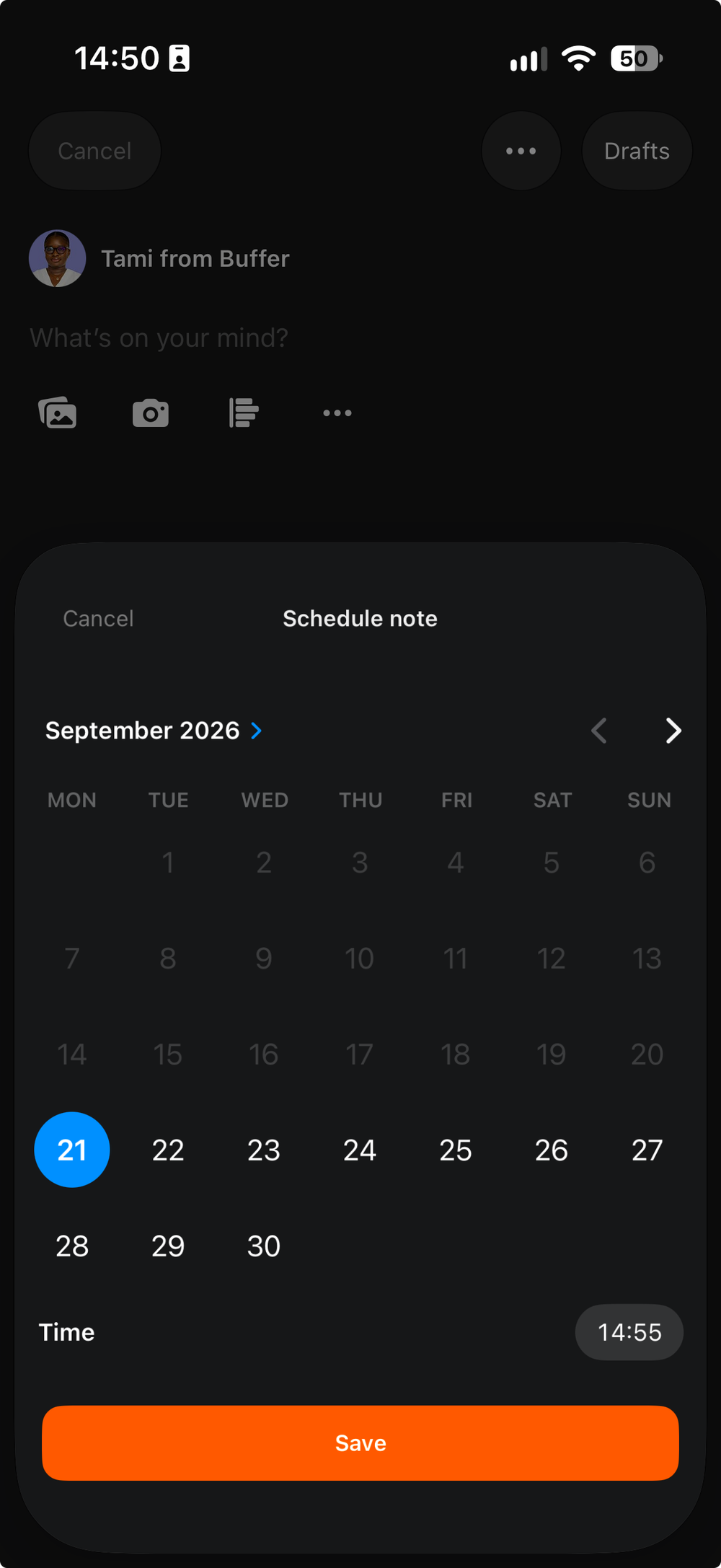
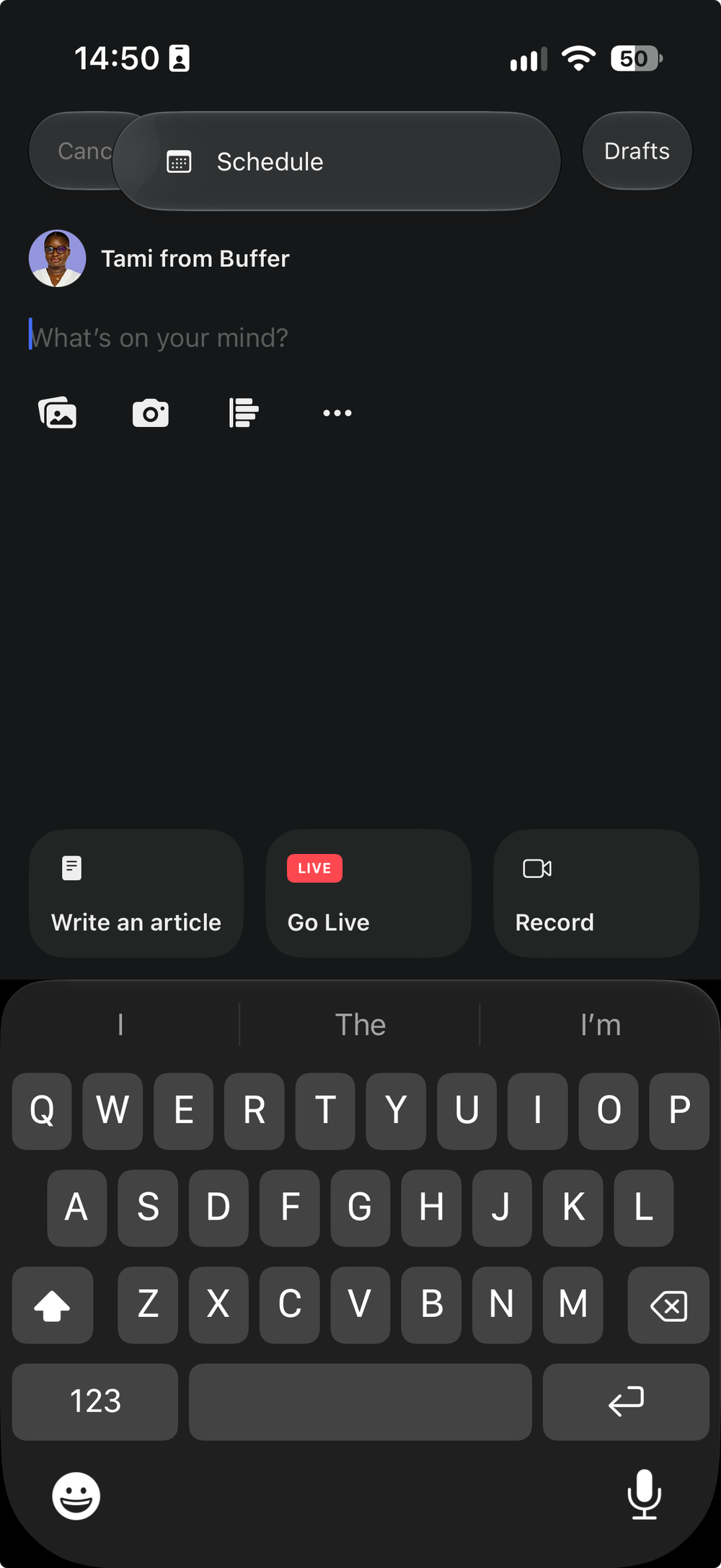
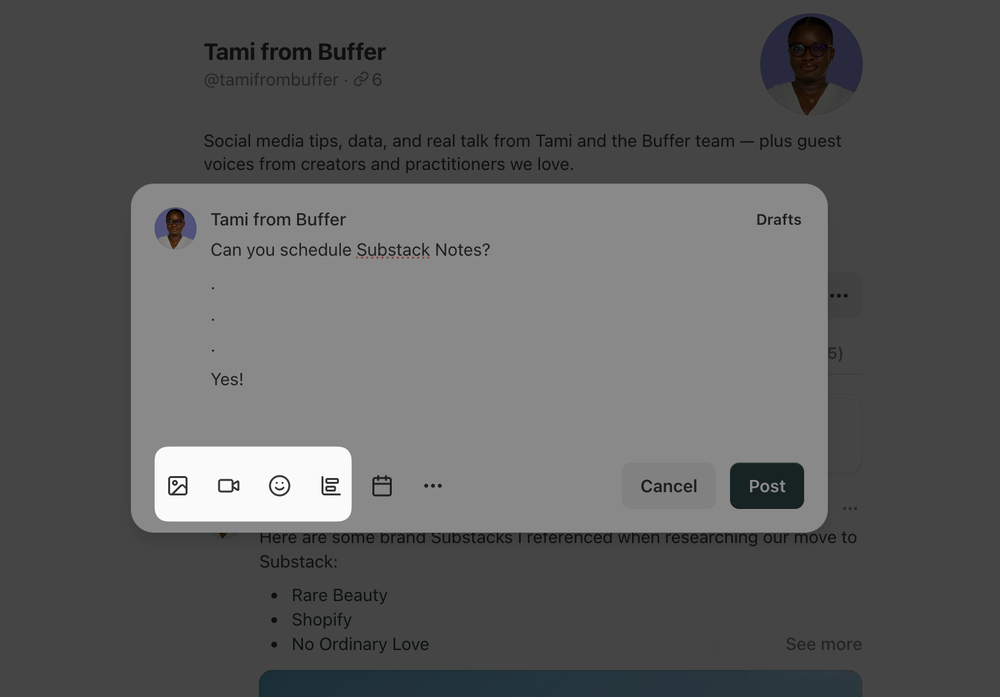
For writers who produce limited volumes of short-form content exclusively for the Substack ecosystem, the platform’s built-in scheduler offers a frictionless, zero-cost solution. Accessible via the calendar icon in the web composer or the three-dot menu on mobile applications, it permits queueing up to three months in advance. While drafts remain fully editable until the scheduled deployment time, the native tool lacks bulk scheduling capabilities, queue management, and native cross-platform syndication.

3. WriteStack
Developed specifically for power users operating entirely within the Substack ecosystem, WriteStack integrates deep research tools and performance analytics. Operating via a Chromium browser extension, it caters to solo creators seeking granular insights into audience engagement. However, its technical dependency on Chromium browsers and the absence of a permanent free tier—with pricing starting at $23.99 per month following a seven-day trial—position it as a specialized investment for dedicated Substack publishers.
4. Typefully
Typefully appeals primarily to microblogging-first creators whose primary distribution channel is X, but who also maintain an active Substack presence. Featuring a writing-first composer that integrates Substack Notes alongside major social networks, Typefully provides advanced formatting and thread-splitting capabilities. Although a limited free plan exists, full access requires an annual subscription starting at $99 per year. Users should note that Typefully currently lacks support for video uploads within Notes.
5. Narrareach
Narrareach addresses the labor-intensive process of content repurposing by employing artificial intelligence to distill long-form articles into condensed Notes and micro-posts suitable for batch scheduling. Operating via a browser extension that hands off tasks to Substack’s native scheduling architecture, Narrareach supports cross-posting to external platforms like Medium. Pricing models include a restricted free tier of five Notes per month, with paid tiers beginning at $19 monthly.
6. StackSweller
Designed for simplicity, StackSweller provides a dedicated cloud queue exclusively for Substack Notes. By decoupling the publishing process from the user’s local machine, it ensures posts go live even when offline. However, because it relies on stored session cookies rather than official API authorization, users may experience periodic re-authentication requirements. Furthermore, as a beta product priced at a flat rate of $25 per month, it represents a niche solution for creators desiring a stripped-down queuing utility.
Strategic Implications for the Creator Economy
The proliferation of scheduling infrastructure for Substack Notes highlights the maturing operational sophistication of independent digital publishers. Historically, newsletter operators functioned primarily as solo writers; today, many manage complex, multi-channel media enterprises that require professional-grade distribution workflows.
Data consistently demonstrates that audience retention and subscriber growth correlate directly with publishing consistency. By bridging the operational gap between long-form editorial content and short-form algorithmic discovery, scheduling tools reduce the administrative overhead associated with content syndication. Creators can now batch-produce content across weekly or bi-weekly cycles, freeing up significant time for core journalistic or creative endeavors.
As the boundary between traditional newsletters and social media continues to blur, the ability to seamlessly distribute, track, and optimize short-form updates will remain a critical competitive advantage for independent publishers navigating the modern digital media landscape.