The digital publishing landscape has undergone a dramatic transformation over the past several years, shifting away from traditional social media algorithms and banner-ad-driven media sites toward direct-to-inbox creator economies. At the center of this movement is Substack, a publishing platform that has evolved far beyond its origins as a simple email newsletter tool. Today, Substack functions as a hybrid ecosystem combining independent media hosting, a dedicated social network via its Notes feature, an integrated podcast network, a short-form video hub, and a direct monetization engine.
As digital publishers, corporate communication teams, and independent journalists search for sustainable audience relationships, mastering the intricacies of Substack has become an essential competency in modern digital media. This comprehensive guide outlines the foundational mechanics, operational strategies, and best practices for launching, scaling, and sustaining a successful publication on the platform.

Background Context and Evolution of the Platform
Founded in 2017, Substack initially carved out a niche by offering writers an uncomplicated way to publish newsletters and charge for subscriptions without dealing with complex website hosting or custom email delivery infrastructure. Over the subsequent years, the platform expanded its feature set aggressively. The introduction of Substack Notes transformed the service from a purely asynchronous email tool into an active social network where publishers could cross-pollinate ideas, engage in public discussions, and drive organic discovery.
Further technical enhancements arrived in rapid succession, including built-in audio podcasting capabilities, native video publishing with automatic transcription, YouTube cross-posting integrations, live-streaming tools, and advanced email automation workflows. These additions allowed independent creators to build multimedia media brands from a single dashboard. Consequently, the platform attracted major journalists, corporate thought leaders, niche researchers, and lifestyle creators, pushing total active subscriptions into the tens of millions globally and cementing Substack as a dominant force in independent digital journalism.

Core Components of the Substack Ecosystem
Understanding how Substack operates requires examining its infrastructure through three primary pillars: content creation surfaces, audience development mechanics, and monetization frameworks.
Content Surfaces
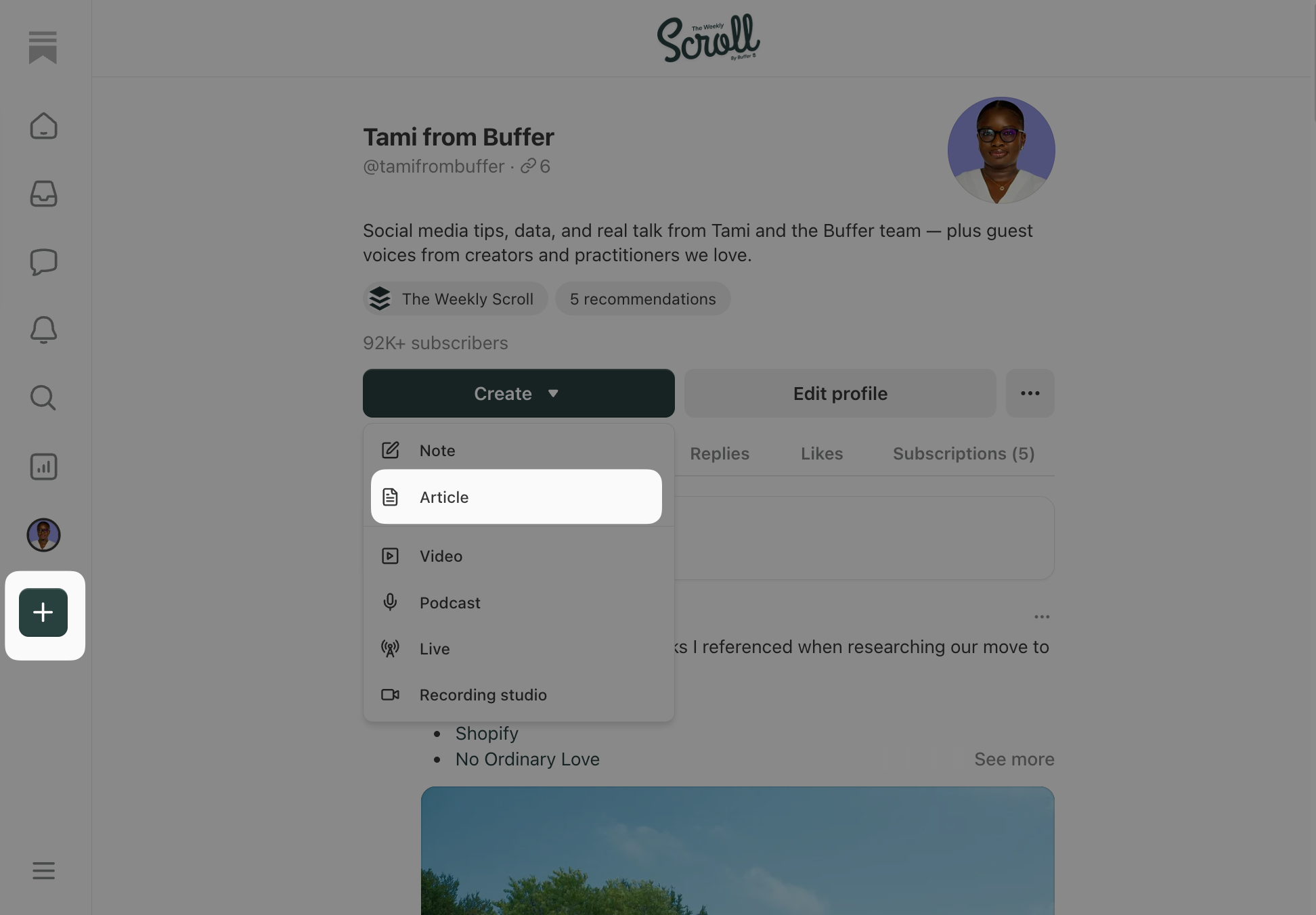
Publishers on Substack have access to four primary content mediums:
- Posts: The traditional cornerstone of the platform. Posts are delivered directly to subscribers’ email inboxes while simultaneously archiving on the publisher’s public web page. They can accommodate long-form text, audio files, video uploads, or multimedia combinations. Audio posts generate an RSS feed compatible with major podcast aggregators like Apple Podcasts and Spotify, while video posts benefit from auto-generated transcripts and automated YouTube syndication.
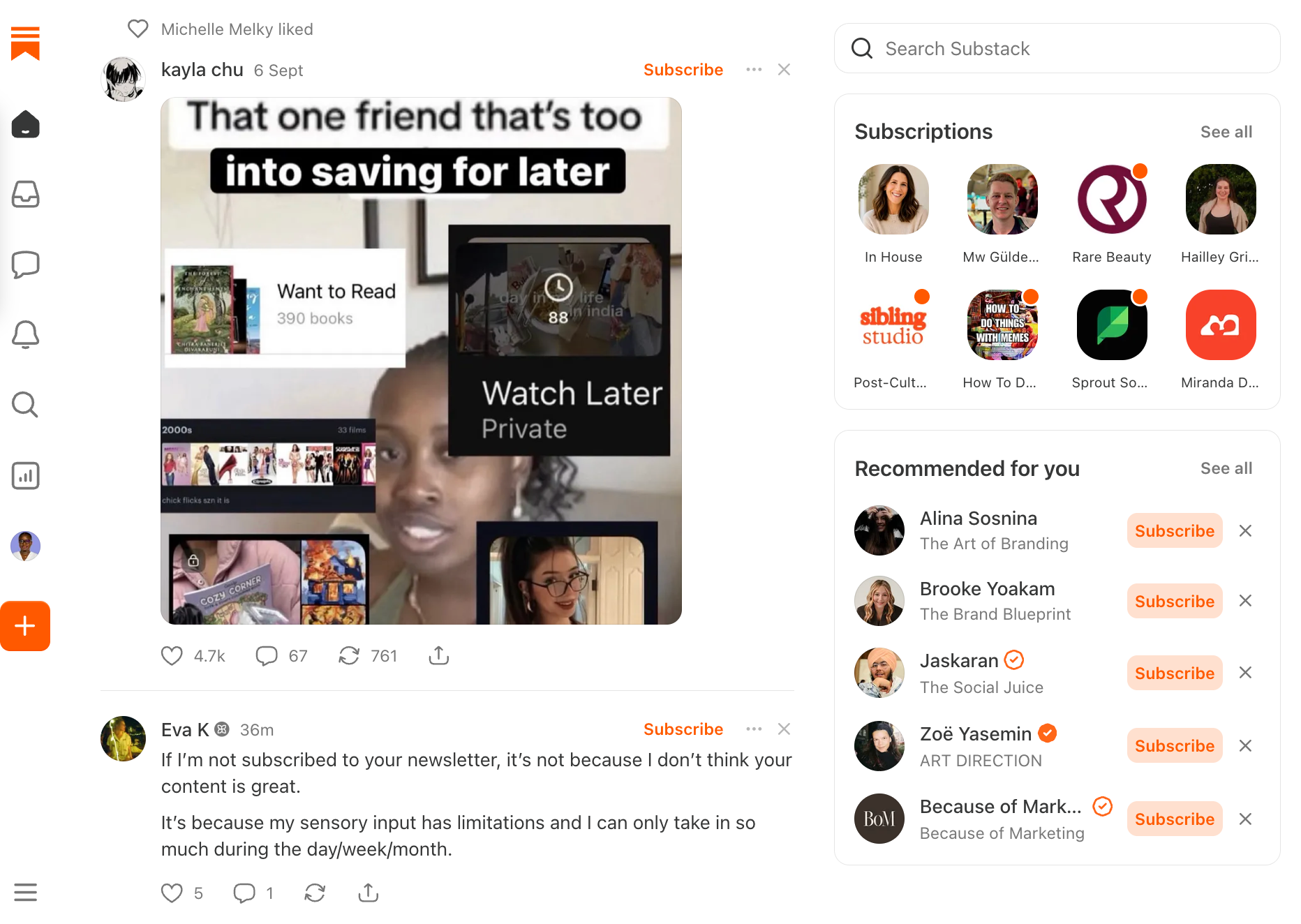
- Notes: A short-form content feed operating similarly to microblogging platforms such as X or Threads. Notes are publicly accessible, allowing non-subscribers to discover content through the global feed or algorithm-curated tabs. Creators can share text, images, GIFs, and short video clips, as well as leverage the "restack" function to amplify other writers’ insights.
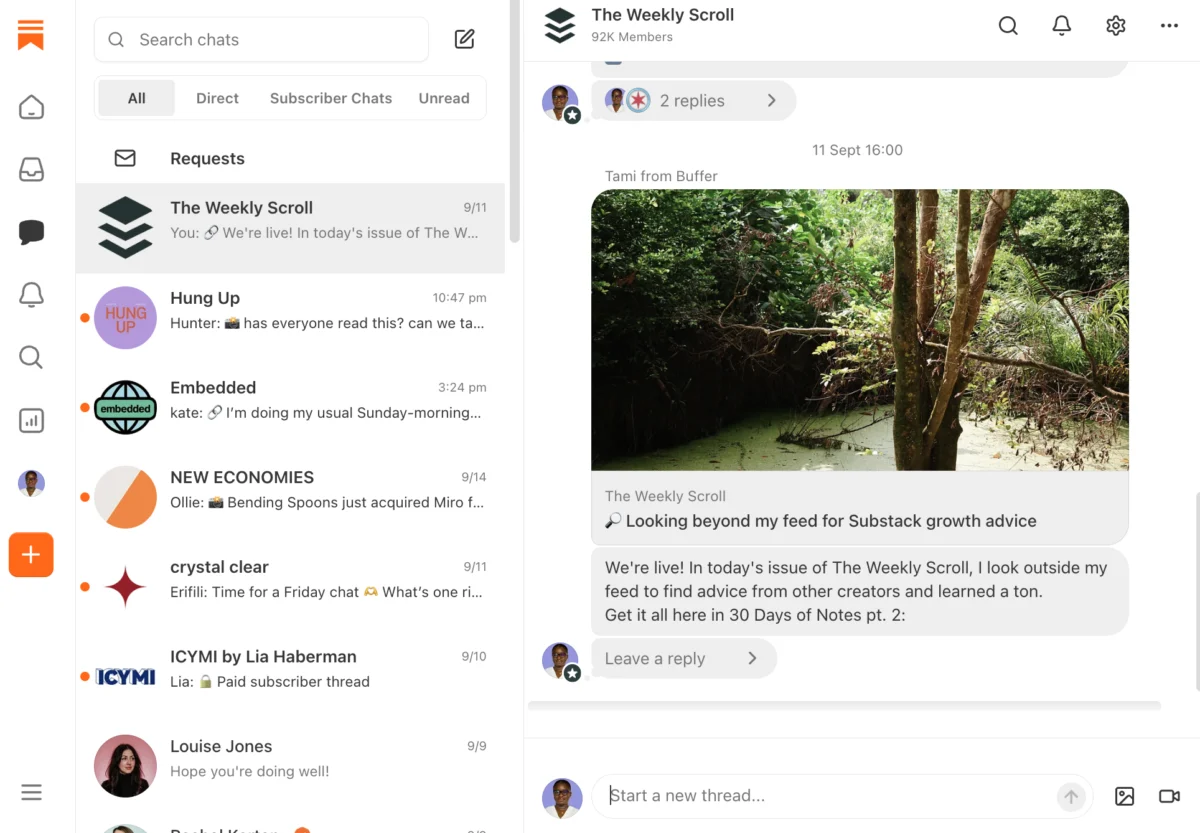
- Chat: A community-building space existing exclusively within the Substack mobile application and publication webpage. Chat allows publishers to host threaded discussions, share photographs, and field direct messages from readers, functioning similarly to a private, creator-hosted forum or group chat.
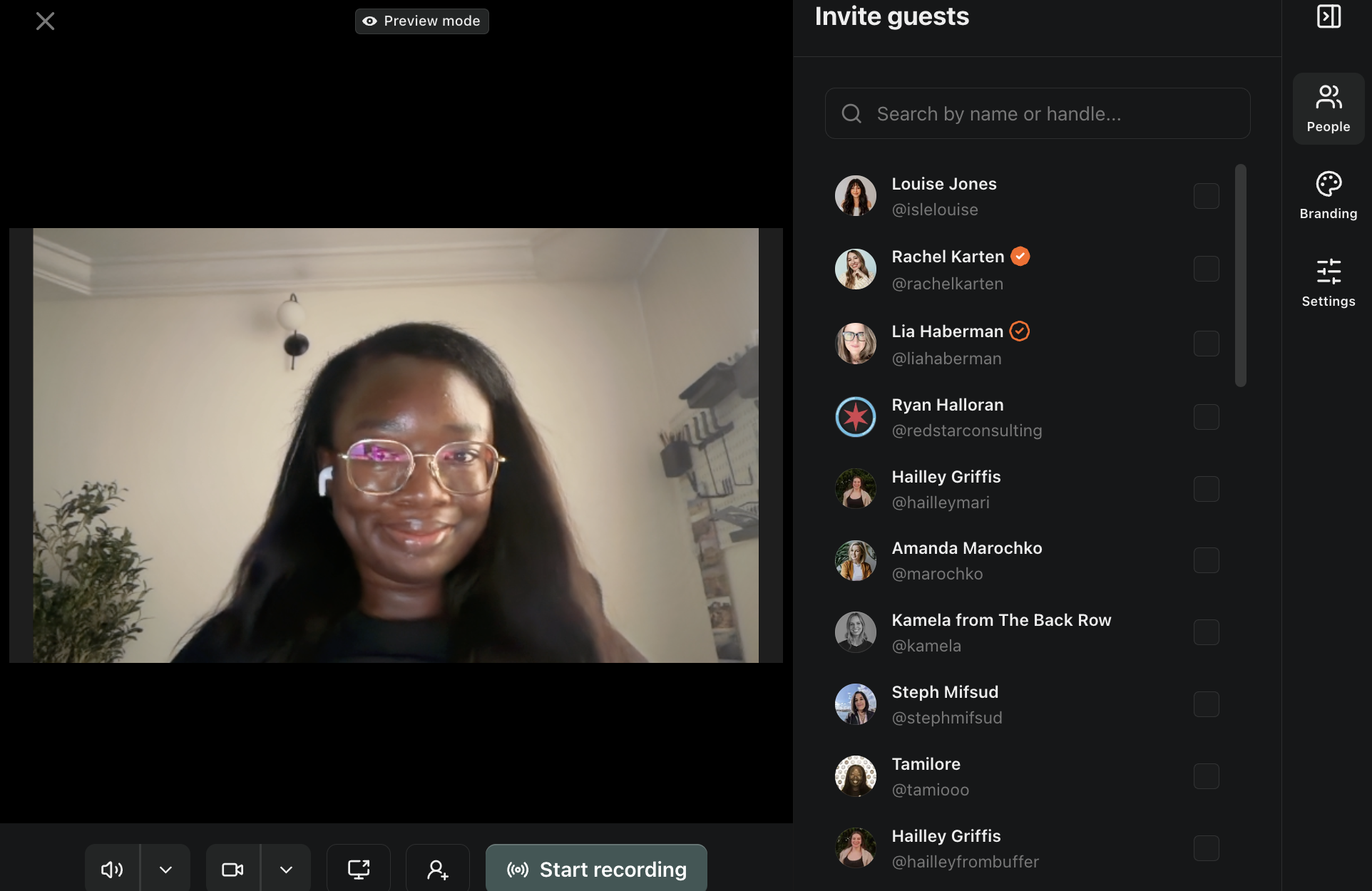
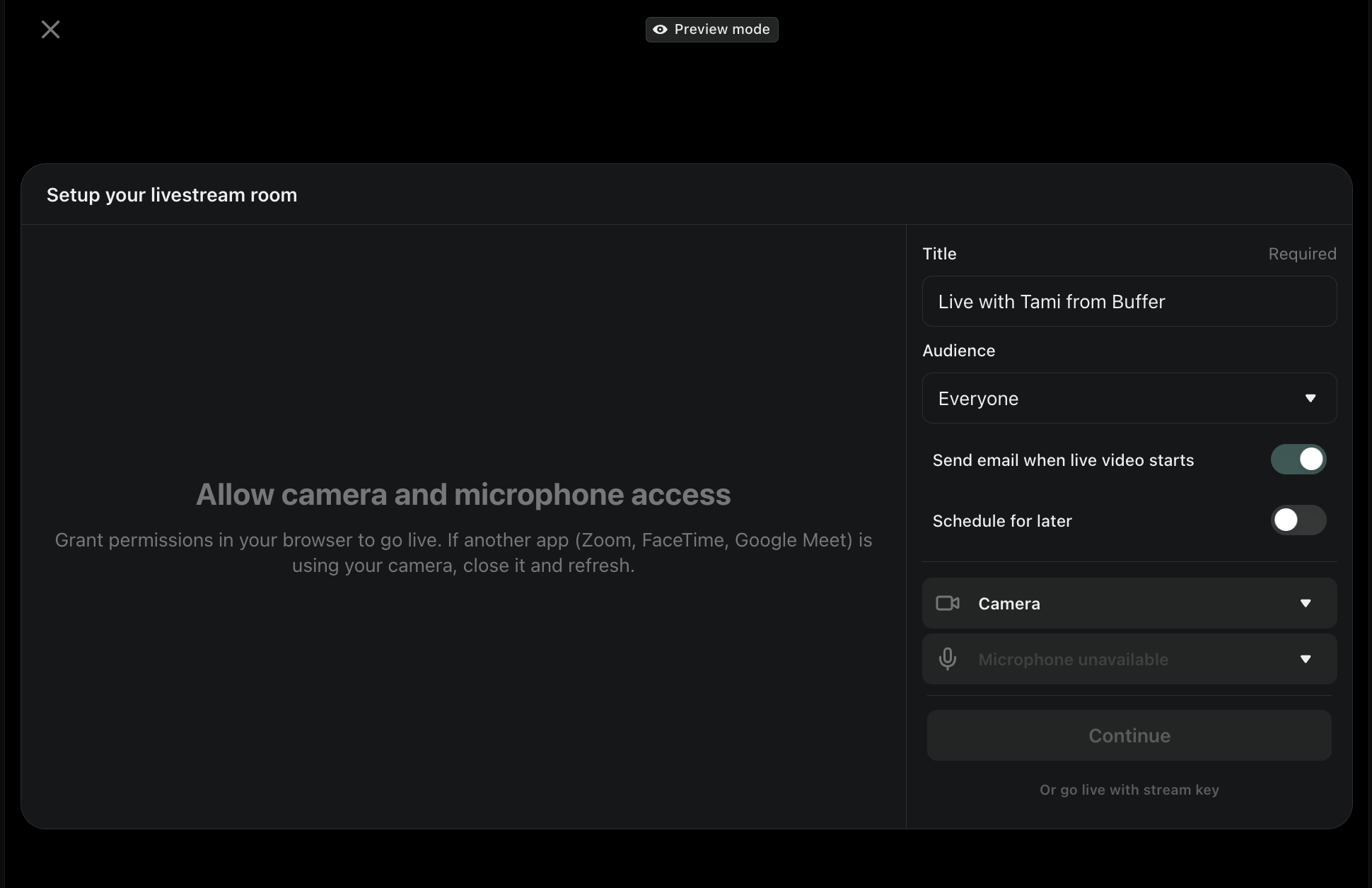
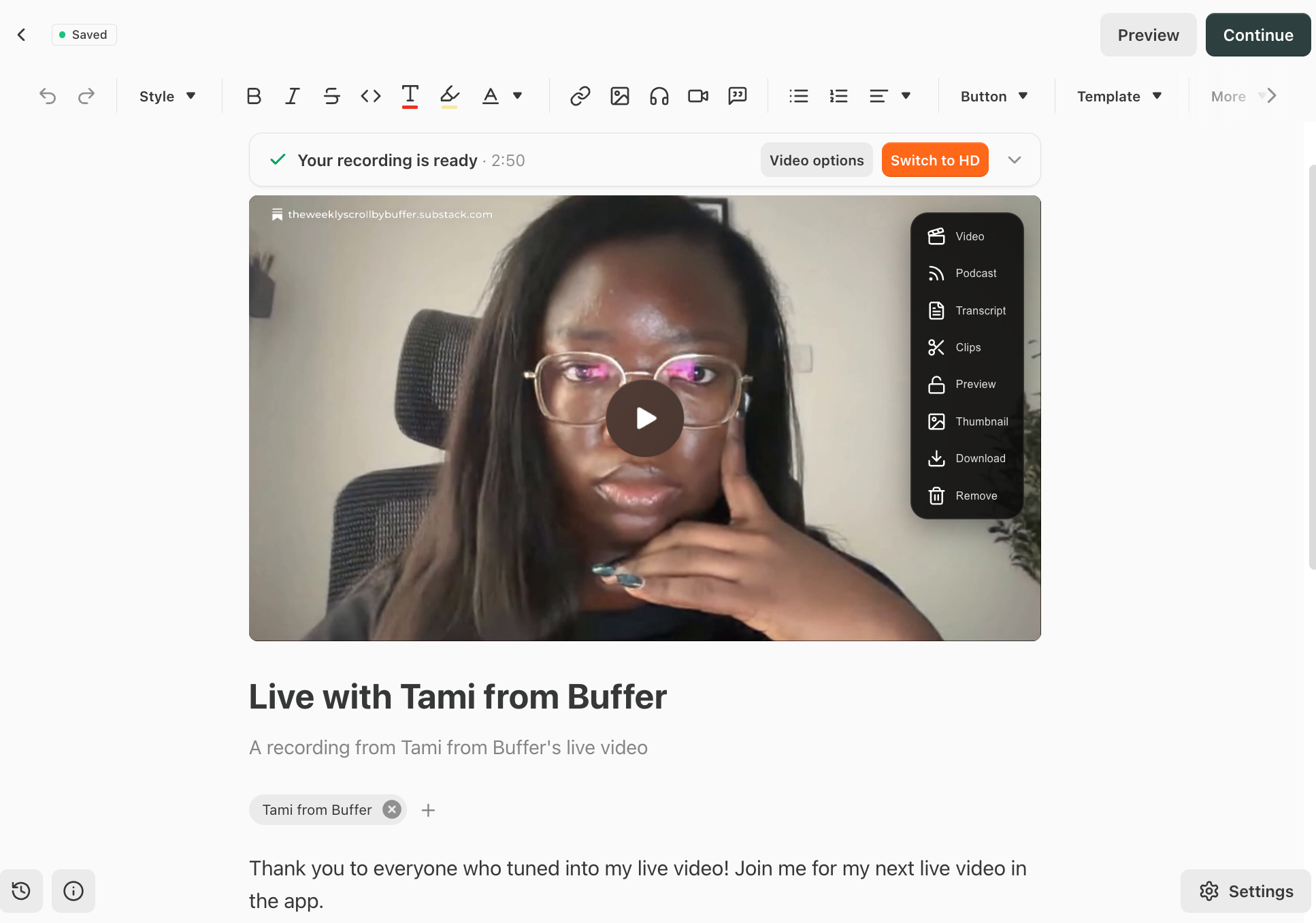
- Live: A real-time video streaming tool enabling creators to broadcast directly to their audience from the mobile app or desktop interface. Streams can be restricted to specific audience segments—such as paid subscribers only—and automatically convert into draft post archives upon completion for asynchronous viewing.
Audience Mechanics: Subscribers versus Followers
A critical distinction within the platform is the operational difference between a subscriber and a follower. Subscribers provide their email addresses, receive all published posts directly to their inboxes, and gain access to community chats and paywalled content. Followers, conversely, interact purely within the Substack application ecosystem by following a creator’s public profile and viewing their Notes without sharing their contact information.
While followers play an essential role in early discovery through the algorithmic Notes feed, the primary strategic objective for publishers is converting app-based followers into owned email subscribers. Email lists represent portable assets that creators can export and migrate to alternative hosting providers at any time, whereas followers remain bound to the platform ecosystem.
Monetization Infrastructure
Substack operates on a zero-upfront-cost model, remaining entirely free for both publishers and readers until a creator deliberately chooses to enable paid subscriptions. Monetization relies on an integration with Stripe, an external payment processing platform. Once connected, publishers establish tiered pricing structures, including monthly, annual, and founding member rates.
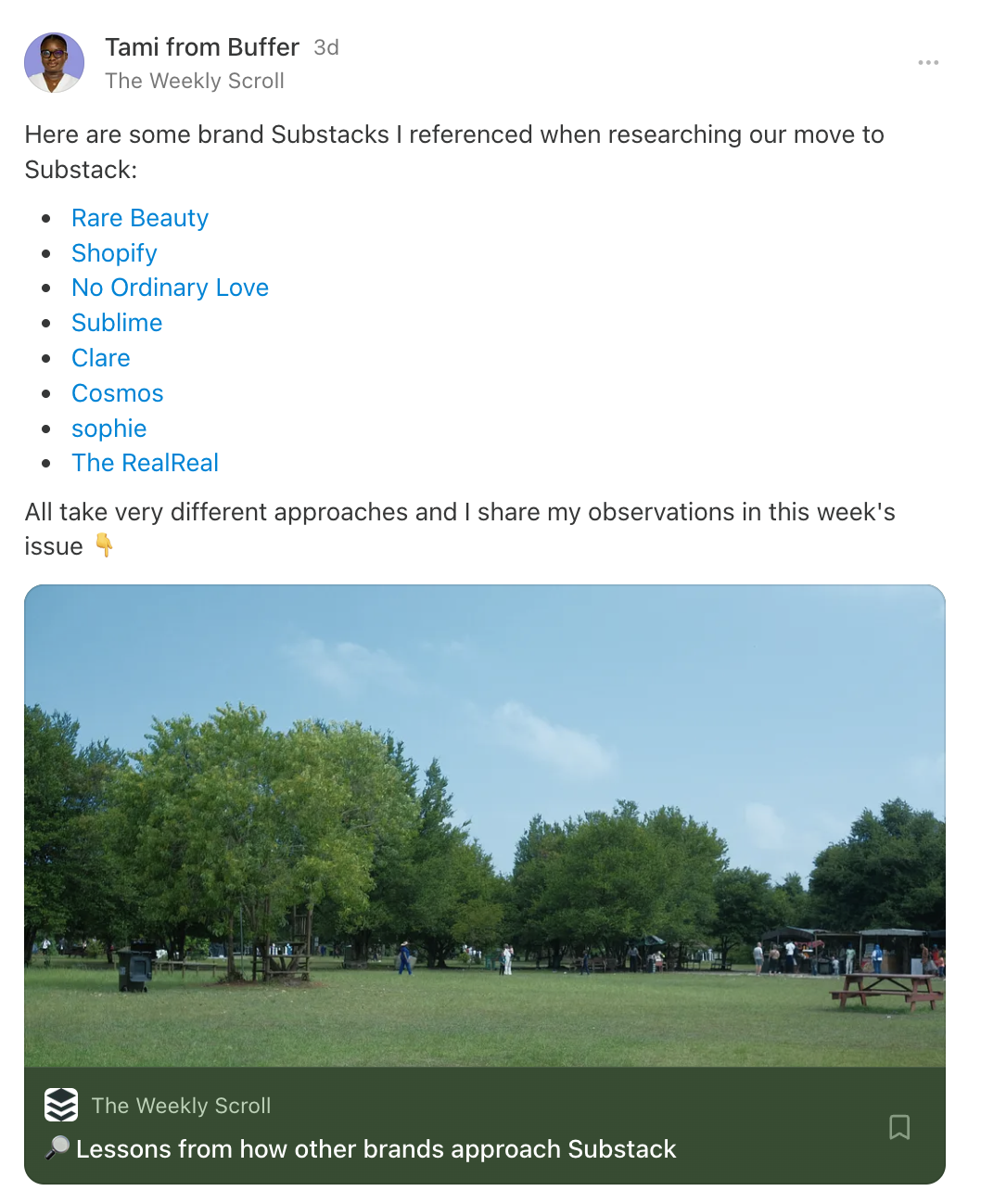
When paid subscriptions are active, Substack retains a 10 percent revenue share, while Stripe assesses standard payment processing fees alongside applicable transaction charges. Publishers maintain total control over paywalls, choosing whether to lock entire posts, restrict community chat threads, or place premium audio and video streams behind subscription barriers.
Step-by-Step Publication Setup and Configuration
While new users can technically draft and publish a rudimentary post within minutes of account creation, industry veterans advise investing time into proper structural configuration before driving traffic to the publication. A polished initial presentation significantly increases conversion rates when visitors arrive via external recommendations or viral Notes.
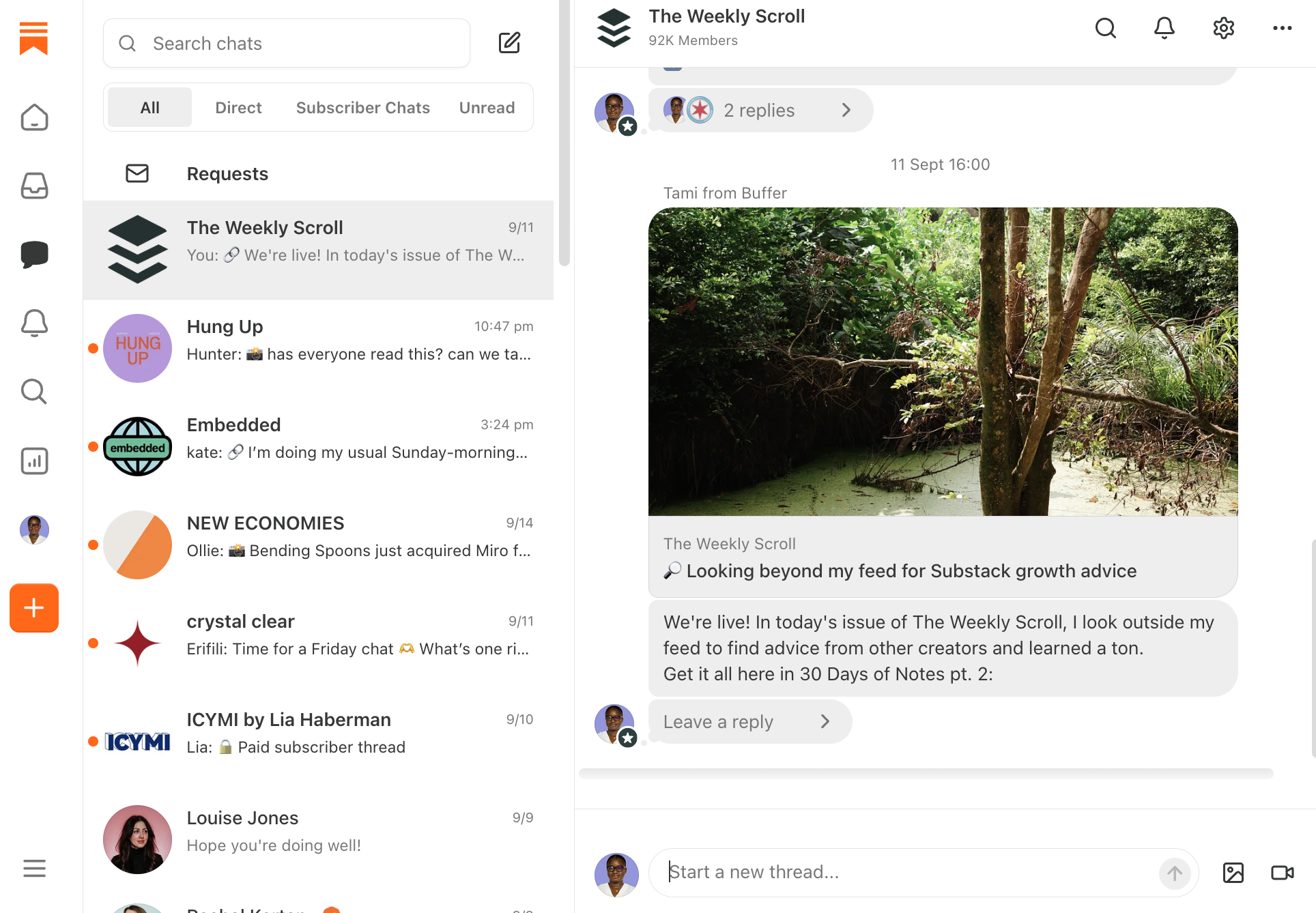
Account Creation and Profile Optimization
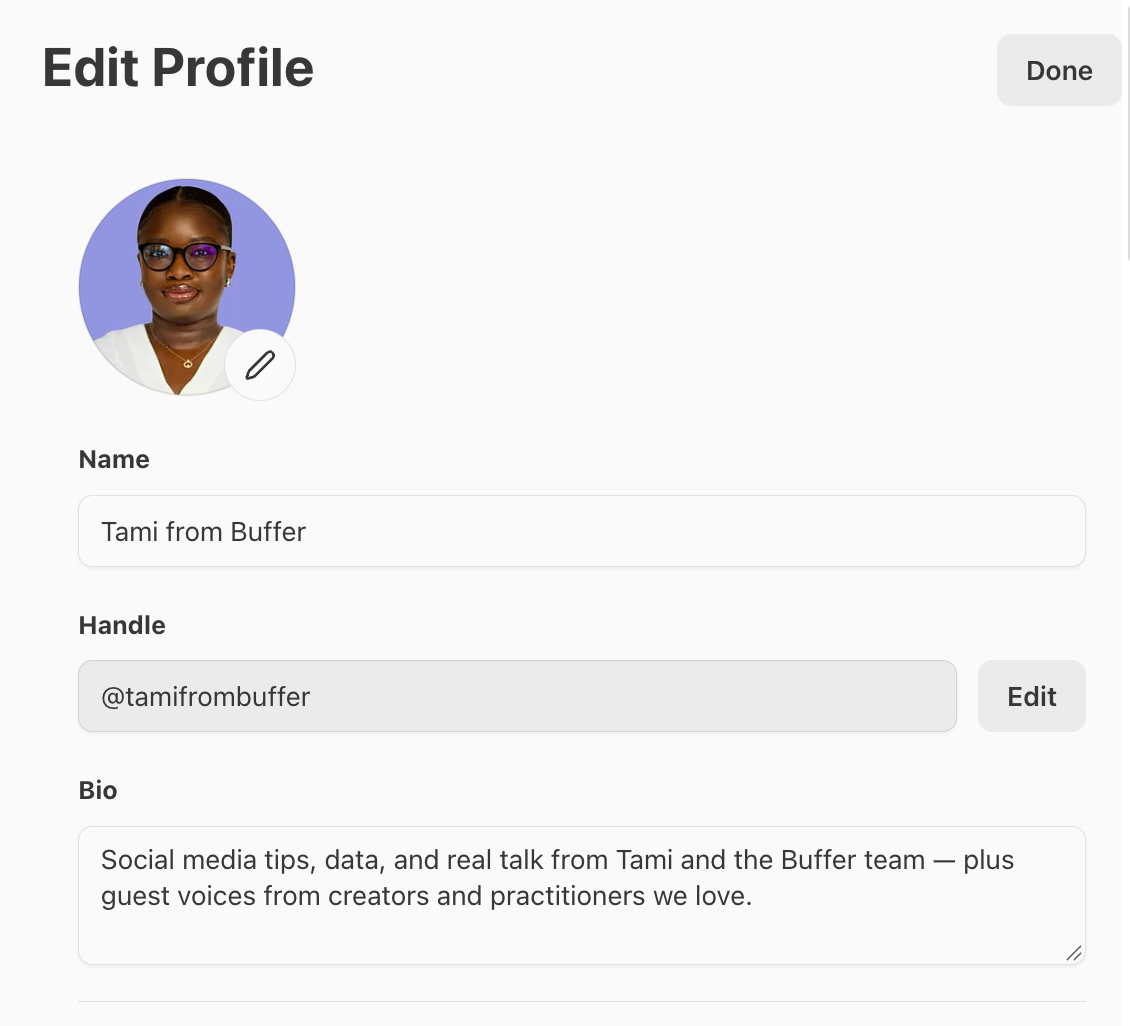
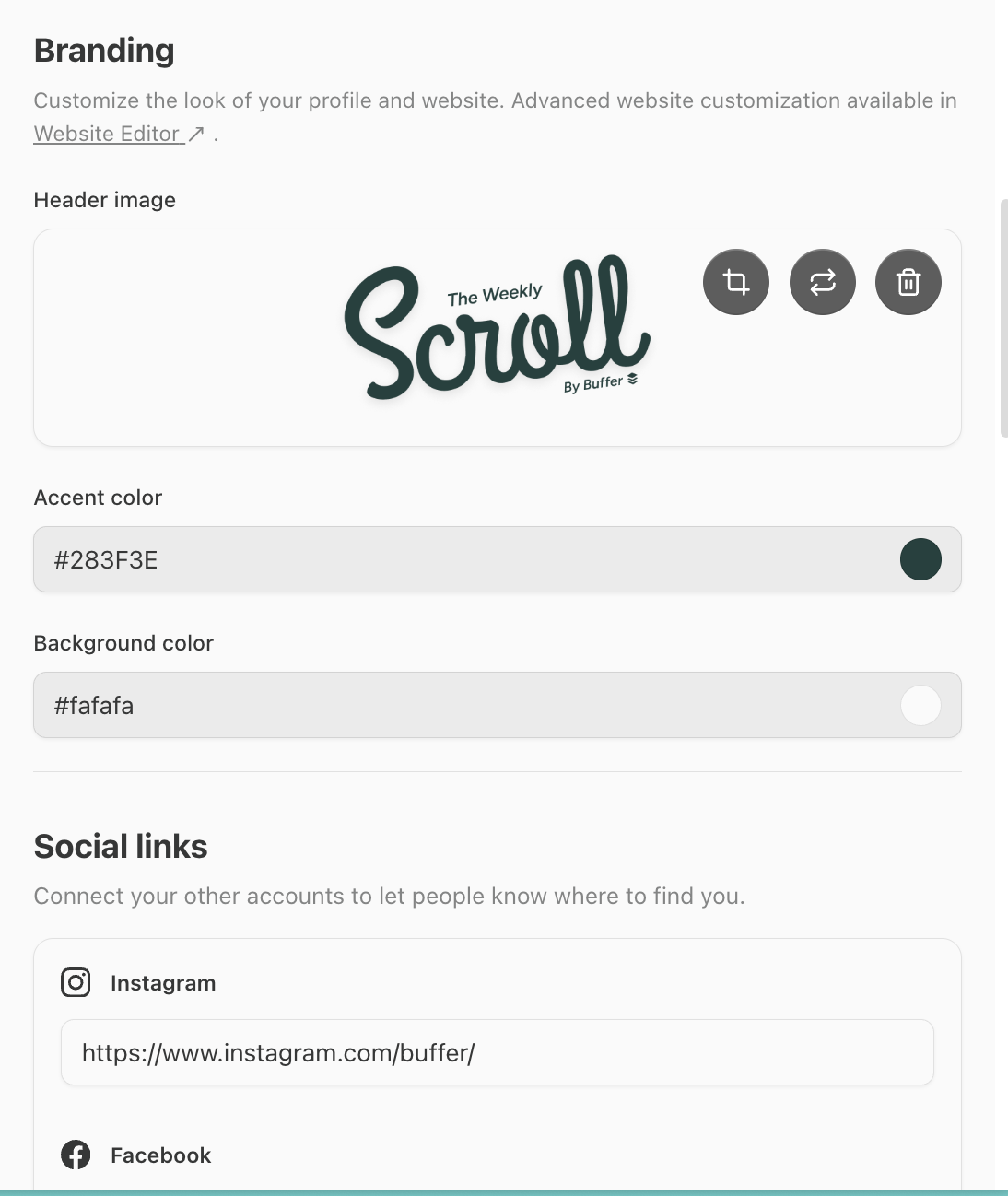
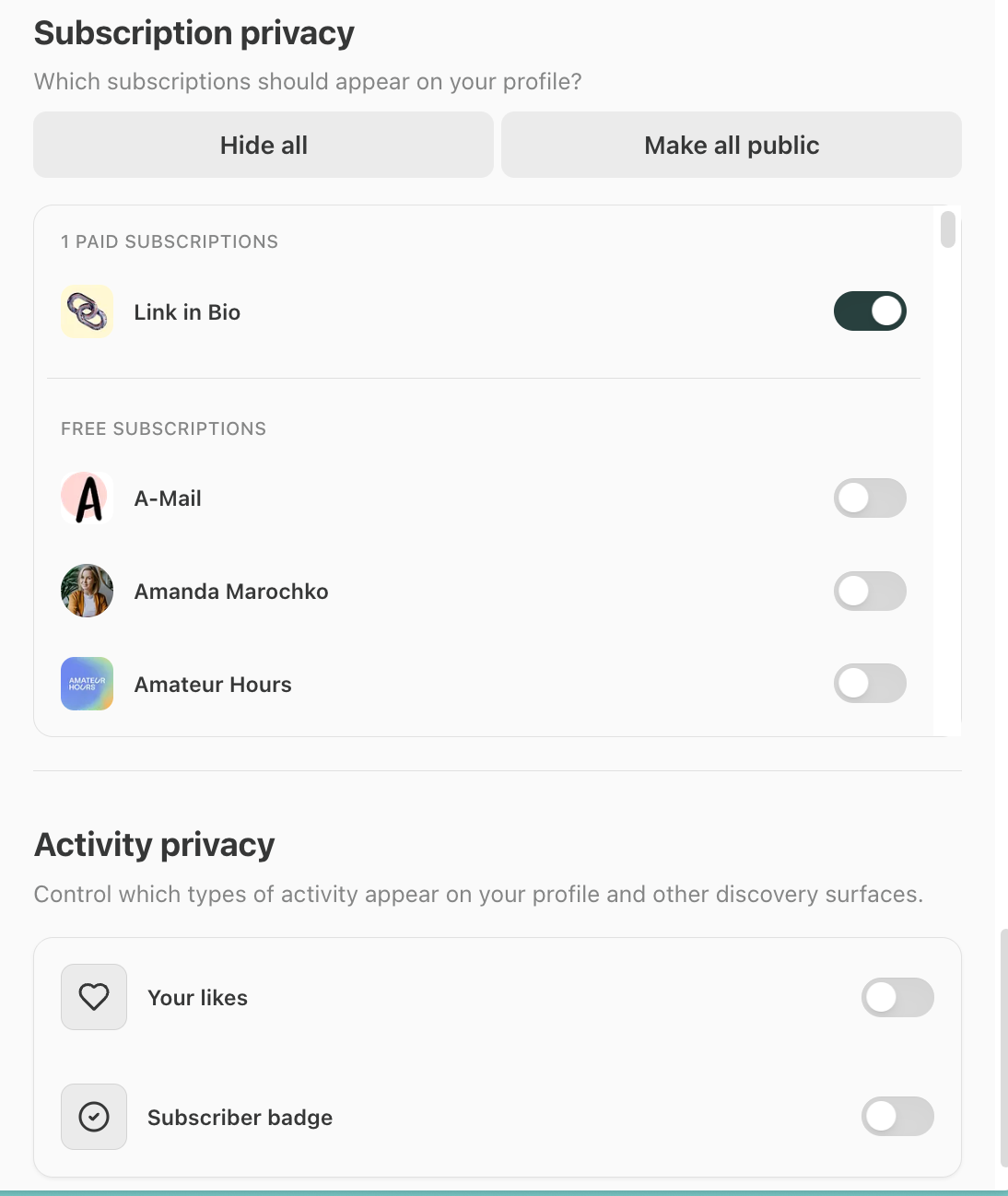
The setup process begins at the platform’s primary domain, where users establish an account and immediately navigate to their profile settings. A complete profile—featuring a professional headstock image, concise biographical description, and accent branding—establishes immediate credibility. Additionally, enabling public visibility for subscribed publications leverages the platform’s recommendation network, signaling to readers and algorithms alike the creator’s editorial affinities and niche alignment.
Establishing the Publication Dashboard
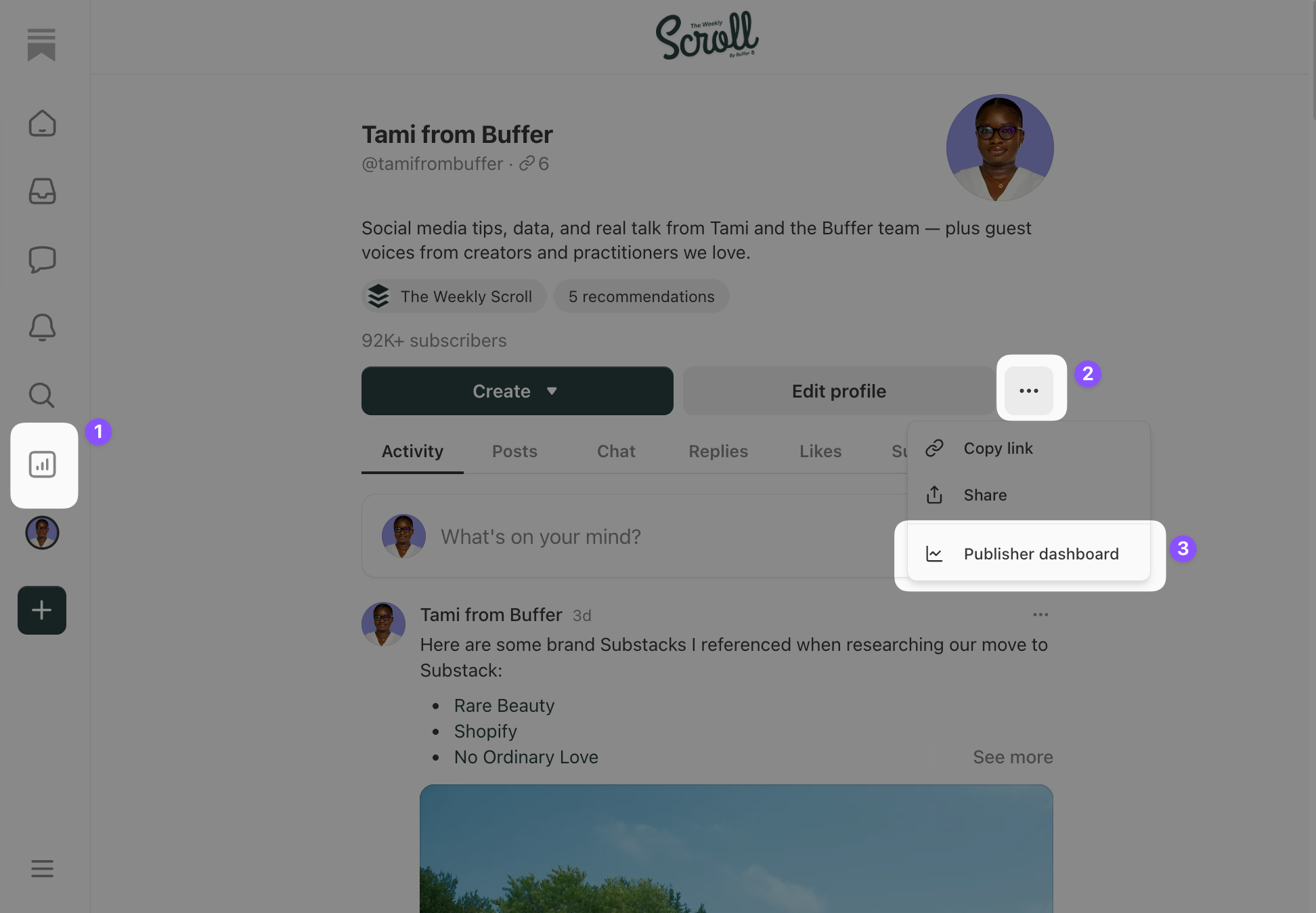
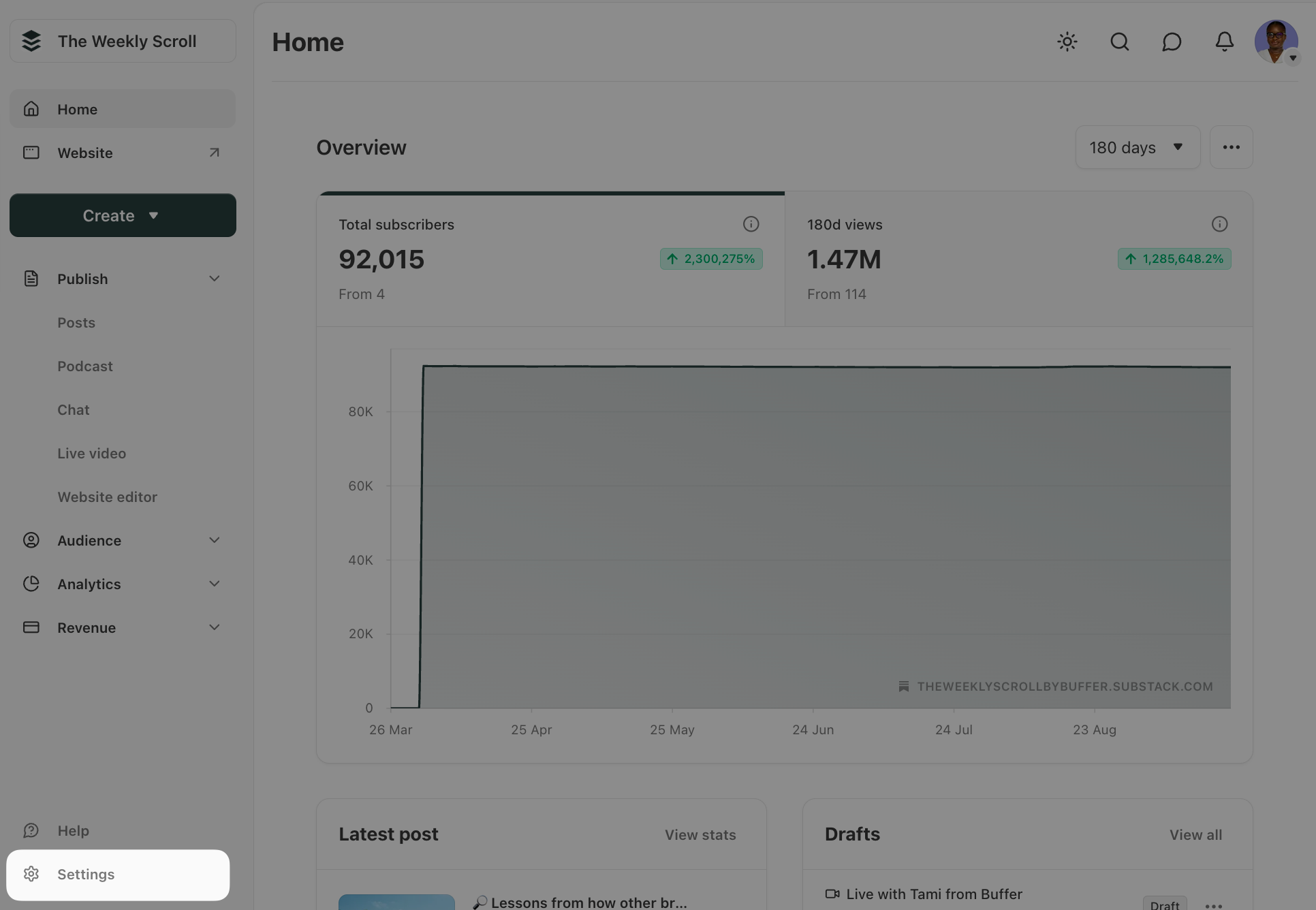
Beyond the personal profile lies the publication itself, equipped with a dedicated URL, archive page, and customizable dashboard settings. Accessing the publisher dashboard permits comprehensive modifications regarding publication naming, visual themes, category classifications, and publication metadata. Setting accurate publication categories is vital, as Substack’s recommendation engine relies on these tags to suggest the newsletter to readers with matching interests.
Crafting the Automated Welcome Email
New subscribers trigger an automated welcome message upon opting into a publication. This initial communication establishes editorial expectations, clarifies publishing frequency, introduces the creator, and prompts readers with an introductory question. Encouraging replies improves email deliverability metrics by signaling inbox providers that the correspondence is wanted, while simultaneously fostering direct feedback loops with the readership.
Configuring Payment Processing via Stripe
Even if immediate monetization is not the primary objective, connecting a Stripe account during the initial setup phase prevents operational friction later. The process requires verified business details, personal identification, and banking information. Creators operating in regions where Stripe is unsupported can still run free publications, though paid subscription features remain inaccessible.
Importing Existing Subscriber Lists and Content Archives
For creators migrating from alternative email marketing services, Ghost, WordPress, or Medium, Substack simplifies migration through CSV list uploads and automated content importers. Imported articles populate the new publication archive immediately, allowing creators to curate and prune historical content post-migration. For those starting from scratch, embedding subscribe widgets on personal websites and social media bios establishes early acquisition funnels.
Developing an Editorial Strategy and Niche Focus
Sustaining a successful publication requires a deliberate editorial strategy characterized by thematic focus, predictable publishing cadence, and a distinct authorial voice.
Defining a Sustainable Niche
While hyper-specific micro-niches are not strictly mandatory on day one, establishing a clear thematic anchor helps prospective subscribers instantly understand the value proposition of the publication. Creators must evaluate their core areas of expertise, the topics they can consistently research week after week, and the unique perspectives they can offer that competitors do not.
Selecting Replicable Formats
Successful publications typically rely on reliable structural formats—such as deep-dive analytical essays, curated weekly roundups, expert Q&A interviews, or practical instructional guides. Selecting a format that aligns with the creator’s workflow ensures long-term sustainability and prevents burnout.
Balancing Quality and Consistency
Publishing cadence directly impacts audience retention. While a consistent schedule—most commonly a weekly dispatch—helps build reader habits, quality supersedes arbitrary output metrics. Industry practitioners consistently emphasize that skipping a publishing cycle to maintain editorial standards is preferable to releasing sub-par material simply to meet a deadline. Furthermore, treating the newsletter less like a rigid corporate legacy media outlet and more like a direct, personal correspondence helps build authentic audience connections.
Growth Tactics and Algorithmic Discovery
Growth on Substack differs fundamentally from traditional social media algorithms or search engine optimization (SEO). While SEO optimization—such as filling in precise metadata and utilizing clear heading structures—remains valuable for capturing long-tail Google search traffic, the majority of early discovery occurs organically within the platform itself.
Leveraging the Recommendations Network
One of Substack’s most powerful growth drivers is the Recommendation feature, which allows creators to mutually recommend complementary publications to their respective subscribers. Securing placement in other established newsletters within a similar vertical often generates exponential subscriber acquisition velocity.
Active Participation in Notes
Consistent, daily engagement on Substack Notes accelerates platform visibility. By sharing concise insights, commenting on industry trends, and interacting with peers, creators tap into a wider public audience that extends far beyond their current email subscriber base.
The Importance of Direct Reader Engagement
Ultimately, newsletters function as bidirectional communication channels rather than unidirectional broadcasts. The most successful publishers on the platform actively respond to reader comments, monitor direct messages, and utilize community feedback to refine their editorial direction. By making subscribers feel like active participants in a collective media experience, creators build loyal, highly engaged communities capable of sustaining independent publishing models over the long term.