Angie Faith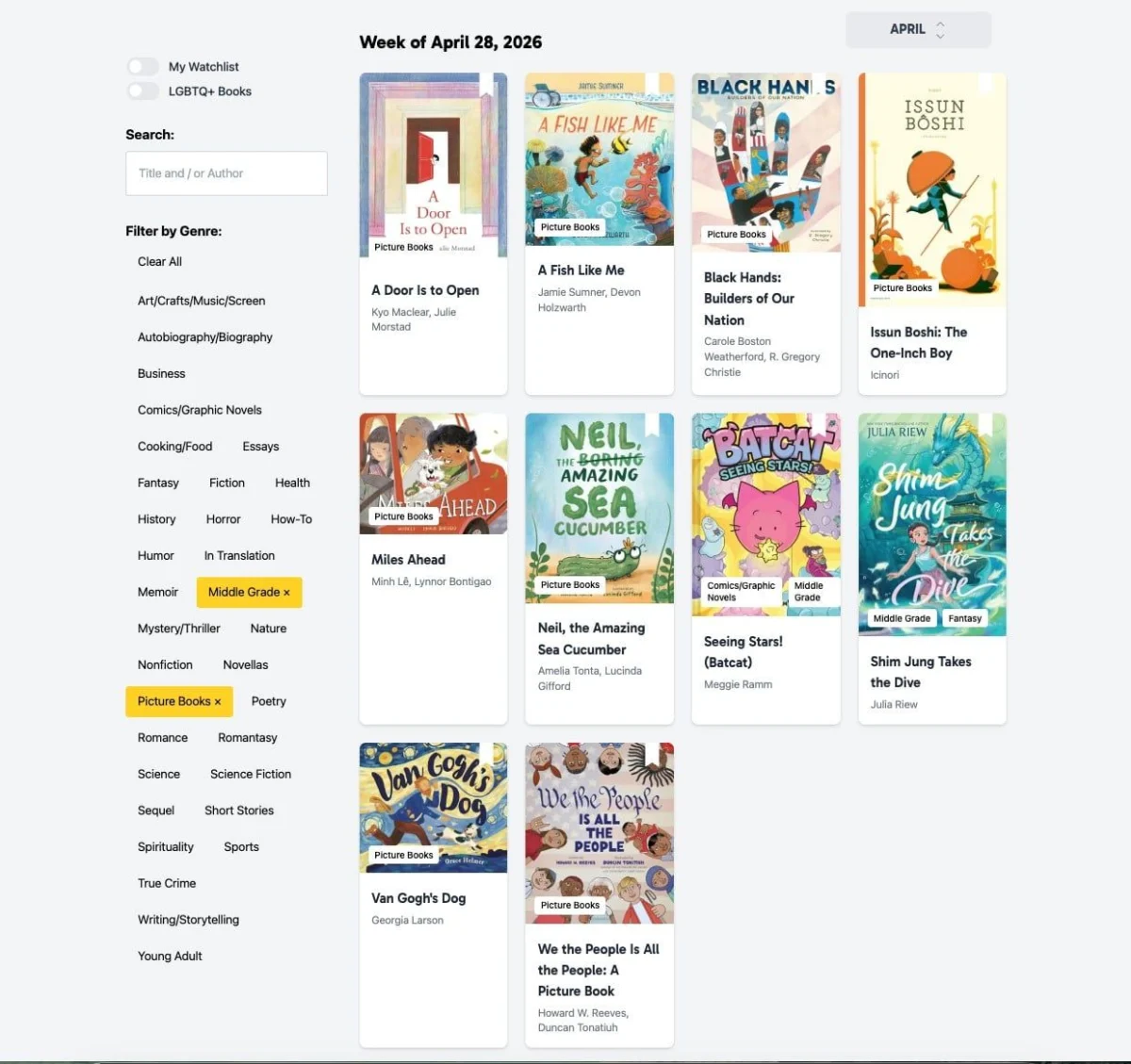
The landscape of children’s literature is a dynamic and ever-expanding frontier, with a veritable flood of new titles emerging each month. For parents, educators, librarians, and avid young readers, keeping pace with this constant influx of creativity and storytelling can feel like a monumental task. In an era saturated with information and competing demands on attention, identifying the most promising and relevant new books often becomes a challenge, frequently leading to an overreliance on titles with substantial marketing budgets, inadvertently overshadowing hidden gems and promising debut works. This presents a persistent dilemma: how can one effectively stay informed about the latest literary offerings for children without dedicating an inordinate amount of time to exhaustive catalogue reviews and complex tracking spreadsheets? The answer, Book Riot proposes, lies within its innovative solution: the New Release Index.
Understanding the New Release Index: A Curated Gateway to Children’s Books
The New Release Index, developed and maintained by Book Riot, a prominent online publication dedicated to all things literary, is designed to address this very challenge. It functions as a meticulously curated database of upcoming books, providing a centralized and accessible resource for discovering new releases. The Index is systematically organized by release date, allowing users to navigate the anticipated literary landscape with chronological precision. Crucially, it offers robust filtering capabilities, enabling users to narrow their search by specific genres. This is particularly invaluable for the diverse spectrum of children’s literature, which encompasses picture books, early readers, middle grade fiction, and young adult novels, each with its unique audience and developmental considerations.
A recent preview of the Index, as depicted in accompanying visuals, showcased a filtered view specifically highlighting middle grade and picture books slated for release within a given week. This visual representation underscores the Index’s user-friendly interface, designed to facilitate quick and intuitive browsing. The core functionality is elegantly simple: users are encouraged to scroll through the visually appealing book covers, allowing their curiosity to be piqued by titles that capture their imagination. Upon encountering a book of interest, a simple click on the cover reveals a detailed book description, offering a synopsis, target age range, and other pertinent information. To further streamline the discovery process and enable personalized tracking, users can then save titles they wish to monitor onto a dedicated "Watchlist," effectively creating a personalized inventory of anticipated reads.
The Genesis and Evolution of a Literary Navigational Tool
The creation of the New Release Index stems from a recognized need within the book-loving community for a more efficient and equitable method of discovering new publications. Historically, the dissemination of information about new book releases has been largely driven by traditional publishing houses’ marketing departments and their associated advertising budgets. While this approach ensures visibility for certain titles, it can inadvertently marginalize smaller presses, independent authors, and books that may not align with broad commercial appeal, despite their literary merit or unique cultural relevance.
Book Riot, with its established reputation for insightful book reviews, literary news, and community engagement, identified an opportunity to democratize the discovery process. The New Release Index was conceived as a direct response to this gap, aiming to provide a platform that is less susceptible to the whims of marketing campaigns and more focused on the intrinsic value and appeal of the books themselves. The development likely involved extensive data aggregation from various publishing sources, meticulous categorization, and the design of an intuitive user interface. The ongoing maintenance requires a dedicated team to ensure the accuracy and timeliness of the information, reflecting the constant flow of new titles entering the market.
The timeline for the Index’s development and implementation would have been a phased process. Initial conceptualization and feasibility studies would have been followed by data sourcing and database architecture design. User interface and user experience (UI/UX) design would have been critical to ensure ease of use. Beta testing with a select group of users would have provided valuable feedback before a public launch. Post-launch, continuous updates and refinements based on user feedback and evolving technological capabilities would have been essential for its sustained success. The ability to filter by genre, as highlighted, represents a significant evolution from a basic list to a sophisticated, user-centric tool.
Supporting Data: The Exponential Growth of Children’s Book Publishing
The necessity for tools like the New Release Index is further underscored by the sheer volume of children’s books published annually. While precise, up-to-the-minute global figures are complex to aggregate, industry trends consistently point to substantial growth. For instance, in the United States, the Children’s Book Council reported that the children’s book market, encompassing print and digital formats, generated billions of dollars in revenue annually. The number of new titles published within this category has seen a steady increase over the past decade, driven by factors such as a growing global readership, increased investment in educational materials, and the enduring appeal of storytelling for young audiences.

According to data from publishing industry analyses, the number of new children’s books published annually in the U.S. has consistently been in the tens of thousands. This figure encompasses a wide array of sub-genres and age categories. For example, the picture book market, typically for ages 0-8, sees a significant number of new releases each year, focusing on early literacy, social-emotional development, and imaginative play. The middle grade sector, catering to readers aged 8-12, has also experienced a boom, with genres ranging from fantasy and adventure to realistic fiction and historical narratives. Young adult literature, while technically for older audiences, often shares publishing pipelines and is frequently considered alongside children’s literature in broader market discussions.
This expansive output necessitates sophisticated discovery mechanisms. Without a curated index, navigating this volume would be akin to searching for a specific grain of sand on an ever-expanding beach. The New Release Index, by offering a structured and filtered approach, effectively narrows down the search space, making the discovery process manageable and enjoyable. The inclusion of features like the "Watchlist" further empowers users to actively curate their reading journey, transforming passive consumption of information into an engaged and personalized experience.
Reactions and Implications: A Boon for Stakeholders
The introduction and utilization of the New Release Index have garnered positive attention from various stakeholders within the literary ecosystem. Educators and librarians, who are constantly seeking fresh and engaging materials to introduce to their students and patrons, view the Index as an invaluable time-saving resource. "In our profession, staying current with new releases is paramount, but it’s also incredibly time-consuming," commented a head librarian at a large public library system. "The New Release Index provides a streamlined way to identify potential acquisitions and recommend books that might otherwise fly under the radar. It’s a significant step towards ensuring a more diverse and representative collection for our young readers."
Parents, too, have expressed enthusiasm for the tool. The overwhelming number of choices in bookstores and online can be paralyzing, and the fear of choosing a book that doesn’t resonate with a child is a common concern. The Index’s ability to filter by genre and age, coupled with concise descriptions, empowers parents to make more informed decisions. "As a parent of two young children, the sheer volume of children’s books can be overwhelming," shared a parent and avid reader. "I used to rely on bestseller lists or what my friends recommended. Now, I can use the Index to discover books that are specifically suited to my children’s ages and interests, and I feel more confident in my choices. The Watchlist feature is fantastic for planning ahead for birthdays and holidays."
The implications of such a tool extend beyond individual users. For independent booksellers, the Index can help highlight titles from smaller presses or those with less extensive marketing reach, enabling them to curate unique and compelling selections for their customers. This can foster a more vibrant and diverse bookselling landscape, moving away from a model solely dominated by major publishing houses. Furthermore, for authors and publishers of less-marketed titles, the Index offers a more equitable platform for visibility, potentially leading to increased readership and recognition.
Broader Impact and Future Outlook: Democratizing Literary Discovery
The New Release Index represents a significant advancement in how individuals engage with the burgeoning world of children’s literature. By offering a structured, searchable, and curated database, it moves beyond the limitations of traditional discovery methods, which often favor commercially driven titles. The tool’s emphasis on user-centric features like genre filtering and personalized watchlists empowers individuals to take control of their literary exploration, fostering a more active and informed engagement with new books.
The broader impact of such initiatives is the potential to democratize literary discovery. It levels the playing field, ensuring that compelling stories from a wider array of authors and publishers have a greater chance of reaching their intended audience. This, in turn, can lead to a richer and more diverse literary landscape for children, exposing them to a broader range of voices, perspectives, and experiences. As the publishing industry continues to evolve, tools like the New Release Index are likely to become increasingly vital in helping readers navigate the ever-expanding universe of books, ensuring that the most engaging and impactful stories are not lost amidst the noise. The ongoing commitment to maintaining and refining such resources will be crucial in fostering a more connected and informed literary community for generations to come.