Angie Faith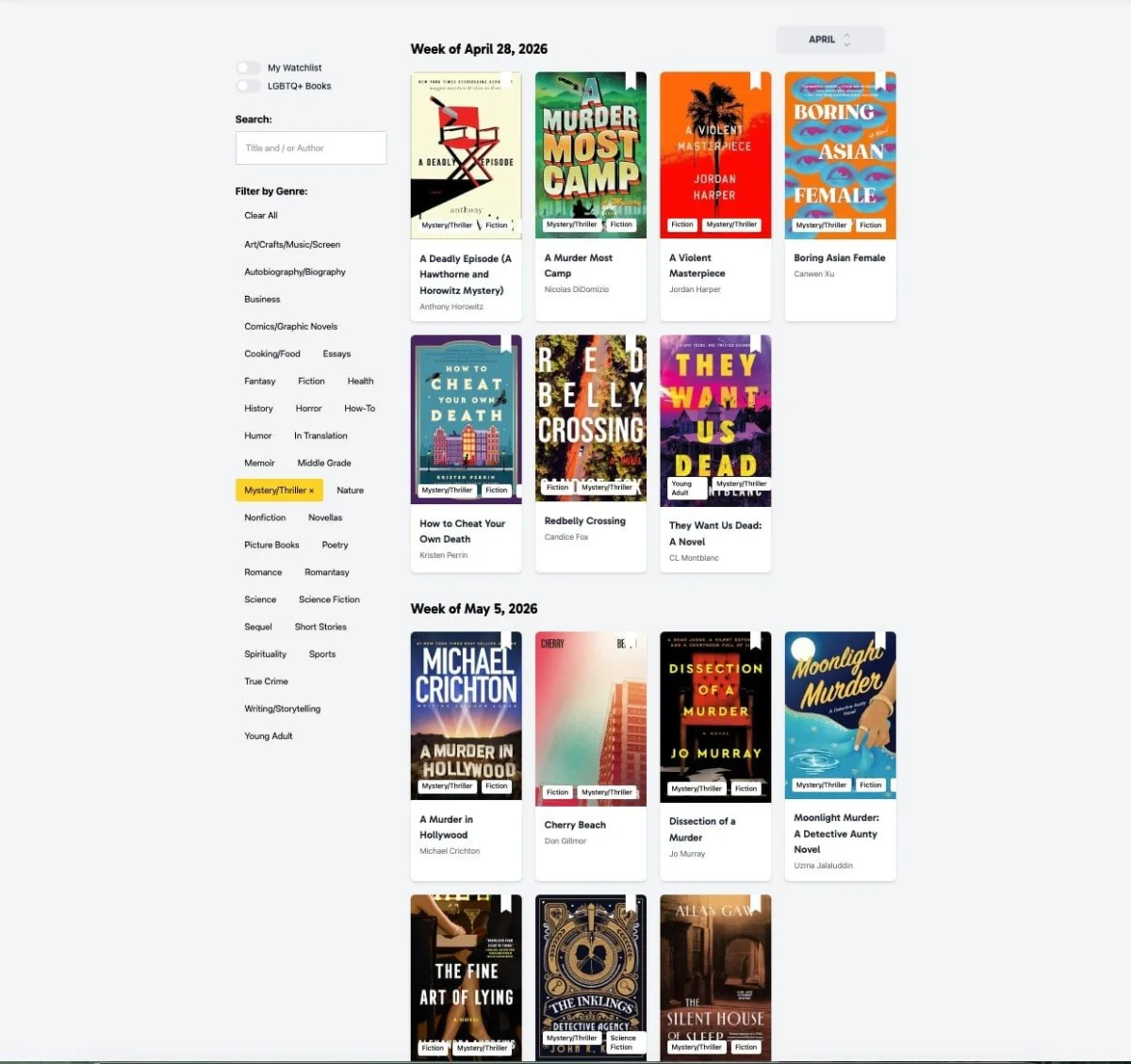
The literary landscape, particularly within the perennially popular mystery and thriller genres, is characterized by a relentless influx of new titles. Each month, a torrent of books emerges, vying for a coveted position on readers’ "to be read" (TBR) lists. This constant stream presents a significant challenge for bibliophiles, making it increasingly difficult to track anticipated releases and discover hidden gems that might be overshadowed by titles with substantial marketing campaigns. The traditional methods of keeping abreast of these burgeoning literary offerings, often involving meticulous catalog reviews and extensive spreadsheet management, can quickly escalate into a time-consuming endeavor, bordering on a part-time job. Recognizing this pervasive issue, Book Riot has introduced a novel solution: the New Release Index.
Understanding the New Release Index
The New Release Index, developed and curated by Book Riot, is a dynamic database designed to provide readers with an organized and accessible platform for discovering upcoming book releases. Its core functionality revolves around a meticulously maintained chronological listing of new books. Crucially, the Index offers robust filtering capabilities, allowing users to narrow their search by specific genres. This feature is particularly beneficial for enthusiasts of niche or popular genres, such as mystery and thriller, enabling them to focus on titles that align precisely with their literary preferences.
A visual representation of the New Release Index, as exemplified by a recent screenshot showcasing mystery and thriller books slated for release, illustrates its user-friendly interface. Readers are presented with a curated selection of book covers, inviting them to visually browse through potential additions to their reading lists. The intuitive design encourages engagement; a simple click on a book cover unveils a detailed description, offering potential readers a concise yet informative overview of the plot, characters, and themes. Furthermore, the Index incorporates a "Watchlist" feature, empowering users to bookmark and save titles that pique their interest, thereby creating a personalized and manageable list of future reads. This system aims to streamline the discovery process, transforming what could be an overwhelming task into an engaging and efficient experience.
The Growing Challenge of Book Discovery
The sheer volume of new book releases presents a significant challenge for both readers and publishers. Data from industry reports consistently highlight the increasing number of titles published annually. For instance, statistics from the Association of American Publishers have indicated a steady rise in the number of books entering the market, with millions of new titles and editions being published globally each year. Within the mystery and thriller genres alone, hundreds, if not thousands, of new books are released monthly. This saturation means that even critically acclaimed or highly anticipated books can struggle to gain traction without significant promotional efforts.
The traditional book discovery ecosystem, heavily reliant on bookstore placement, media reviews, and author platform, often favors books with established track records or substantial marketing budgets. Independent authors, small presses, and debut novelists, while producing exceptional work, can find it arduous to break through the noise and reach their intended audience. This disparity in visibility can lead to a situation where potentially compelling stories remain undiscovered by the readers who would most appreciate them. The New Release Index attempts to democratize this discovery process by providing a centralized, searchable platform that prioritizes content over marketing spend.
Chronology of the Need for Enhanced Discovery Tools
The genesis of the New Release Index can be traced to the growing acknowledgment within the literary community of the need for more effective book discovery tools. For years, readers have relied on a variety of methods to stay informed: following literary blogs, subscribing to genre-specific newsletters, attending book fairs, and engaging with online book communities. While these avenues have proven valuable, they often require a significant time investment and can still result in missed opportunities.
The rise of digital platforms and social media has further amplified the volume of information available to readers, creating both opportunities and challenges. While online communities can foster vibrant discussions and recommendations, the sheer volume of content can be overwhelming. The New Release Index emerges as a response to this evolving landscape, offering a structured and curated approach that leverages digital technology to address a long-standing problem. The development of such a tool signifies a proactive effort by Book Riot to support both readers in their pursuit of new literary experiences and authors in reaching their audience.
Supporting Data and Industry Trends
The efficacy of a tool like the New Release Index is underscored by several key industry trends. Firstly, the persistent popularity of the mystery and thriller genres is a significant factor. These genres consistently rank among the top-selling categories in fiction, indicating a robust and engaged readership. Data from market research firms like Nielsen BookScan and Publisher’s Weekly often reflect the strong performance of crime fiction, thrillers, and suspense novels. This sustained demand creates a large potential audience actively seeking new material.

Secondly, the increasing fragmentation of the media landscape means that traditional promotional channels are no longer as universally effective. Readers are consuming information through a wider array of sources, from niche blogs and podcasts to social media influencers and reader-generated content on platforms like Goodreads and BookTok. The New Release Index taps into this trend by providing a direct, searchable database that complements these other discovery methods.
Furthermore, the concept of a "watchlist" or "saved items" is a common and successful feature across many digital platforms, from e-commerce to streaming services. Applying this familiar user experience to book discovery enhances its usability and appeal. By allowing users to actively curate their interests, the Index fosters a sense of ownership and personalization, increasing user engagement and the likelihood of future purchases. The ability to filter by genre, as demonstrated with mystery and thriller, is a critical feature, as readers often have strong preferences within these broad categories, seeking everything from cozy mysteries to psychological thrillers.
Potential Implications and Broader Impact
The introduction of the New Release Index has several potential implications for the book industry and its consumers. For readers, it promises a more efficient and less overwhelming way to discover new books. By reducing the time and effort required to track releases, it can foster a more consistent and enjoyable reading habit. This could lead to increased engagement with a wider range of authors and titles, potentially broadening readers’ literary horizons beyond bestsellers promoted through conventional channels.
For authors and publishers, particularly those with smaller marketing budgets, the Index offers a valuable platform for discoverability. It levels the playing field, allowing well-written and compelling books to be found by readers actively searching for them, regardless of their marketing expenditure. This could lead to increased sales and visibility for a more diverse array of literary voices.
The success of the New Release Index could also influence the development of similar tools by other literary organizations or platforms. As the demand for efficient book discovery continues to grow, standardized, searchable databases may become an increasingly important component of the literary ecosystem. The model employed by Book Riot could serve as a blueprint for others seeking to address the challenges of information overload in the modern publishing world.
Official Responses and Community Reactions (Inferred)
While direct official statements regarding the New Release Index’s impact are not yet widely available, the initiative is likely to be met with positive reception from various stakeholders. Book bloggers and literary critics, who often face similar challenges in staying abreast of new releases, may view the Index as a valuable resource that complements their own curation efforts. They can leverage the Index to identify potential review titles and to inform their audience about upcoming books.
Readers who actively engage with online book communities and literary websites are expected to embrace the Index for its practical utility. Testimonials from users of similar discovery tools often highlight the relief from the pressure of constant searching and the joy of discovering unexpected literary treasures. The "Watchlist" feature, in particular, is likely to be a popular element, providing a tangible and organized way to manage reading aspirations.
Publishers, especially independent and smaller presses, may see the New Release Index as a significant opportunity to gain visibility for their titles. The ability to reach a targeted audience of genre-specific readers who are actively seeking new books is a valuable proposition. This could lead to increased collaboration and promotion opportunities between publishers and Book Riot, further enhancing the Index’s reach and impact.
Conclusion: A Navigational Tool for the Modern Reader
In an era of unprecedented book production, the New Release Index by Book Riot emerges as a crucial navigational tool for the modern reader. By providing a curated, searchable, and user-friendly database, it addresses the persistent challenge of discovering new mystery and thriller books amidst a deluge of releases. Its chronological organization, genre-specific filtering, and intuitive "Watchlist" feature streamline the discovery process, empowering readers to engage more effectively with the ever-expanding world of literature. As the literary landscape continues to evolve, such innovative solutions are vital for fostering a vibrant and accessible reading culture, ensuring that compelling stories reach the eyes and minds of those eager to find them.