Pranda Michaela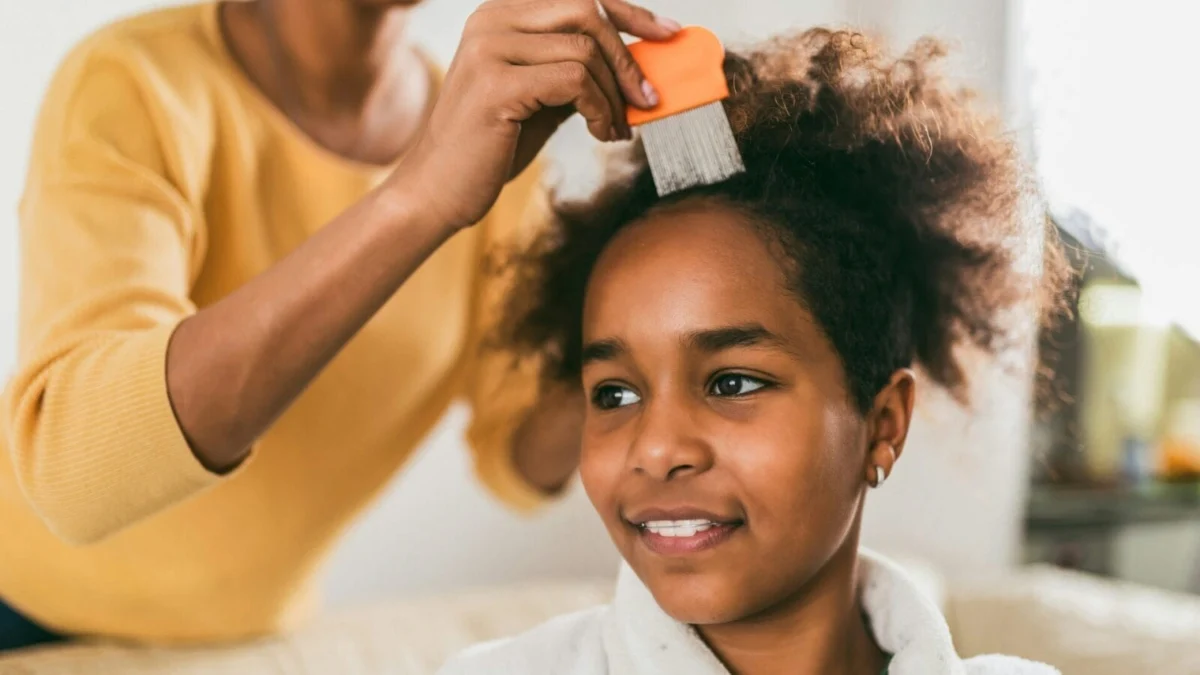
The frantic, dimly lit discovery of head lice can send even the most seasoned parent into a spiral of panic. For many, the mere mention of these tiny parasites triggers a primal sense of disgust and an overwhelming feeling of failure. However, a growing chorus of experts, including Joanna Shu, CEO of Cartwheel, a company dedicated to creating a more modern and accessible family medicine cabinet, is advocating for a paradigm shift in how we approach these common childhood infestations. Shu’s insights, shared in a recent interview, aim to demystify the process, debunk myths, and equip parents with the knowledge to handle lice infestations with a newfound sense of calm and efficacy.
The author’s own harrowing experience, recounting a midnight discovery of a kindergarten-aged son "teeming" with lice, perfectly encapsulates the initial shock and overwhelming nature of such an event. The instinct to panic, to resort to extreme measures like contemplating burning a mattress, is a common thread for many parents facing this unwelcome visitor for the first time. This visceral reaction, Shu explains, is deeply rooted in generational trauma and our innate aversion to bugs, a biological imperative that can overshadow rational response.
"Lice don’t discriminate based on cleanliness," Shu asserts. "They spread through close contact, which is inherent to the way children interact at school, during playdates, and at sleepovers. It’s a byproduct of kids being kids, not a reflection of parental hygiene." This crucial distinction aims to alleviate the pervasive shame that often accompanies lice infestations, a stigma that Shu attributes to outdated societal norms and the lingering memories of more extreme, and often traumatic, past treatments.
The Persistent Stigma: A Look at the History of Lice Treatment
Historically, the approach to lice has been fraught with fear and often ineffective, even harmful, methods. Anecdotal evidence suggests treatments involving kerosene, shaving heads, or prolonged isolation were not uncommon in previous generations. These experiences, passed down through families, contribute to the ingrained anxiety surrounding lice. Shu highlights this "generational baggage" as a significant factor in why parents still feel an overwhelming sense of dread and personal failure upon discovery.
The United States Centers for Disease Control and Prevention (CDC) acknowledges that head lice are a common problem, particularly among school-aged children. While not a medical emergency, they can be a significant nuisance and cause discomfort. The CDC estimates that between 6 and 12 million infestations occur each year in the United States among children aged 3 to 11 years. This widespread occurrence further underscores that lice are a normal, albeit unpleasant, aspect of childhood.
Shifting the Narrative: Humor as a Coping Mechanism
In stark contrast to the prevailing fear, a viral TikTok trend featuring a family hosting an elaborate "lice funeral" for their child’s vanquished pests offers a glimpse into a more lighthearted, and perhaps healthier, approach. The creativity and dedication to making a potentially scary experience humorous for the child resonated deeply with Shu.
"That TikTok perfectly captured a universal parental experience: doing something unconventional to help your child overcome a fear or make a difficult situation more palatable," Shu observed. She shared a personal anecdote about her daughter’s aversion to a particular car, which the family creatively navigated by pretending the car was "sleeping." This willingness to embrace absurdity, Shu argues, is a key to surviving the more challenging aspects of parenting.
This humorous approach, Shu believes, speaks to a broader parental desire for authenticity and community. "Parents are craving permission to drop the pretense," she stated. "They want honesty, humor, and a sense of shared experience, rather than judgment, when normal childhood issues arise." This sentiment echoes the growing movement towards open and honest conversations about the realities of parenting, moving away from idealized portrayals.
A Practical Roadmap: Expert-Approved Lice Treatment Strategies
For parents still grappling with the immediate aftermath of a lice discovery, Shu offers a clear, step-by-step guide that prioritizes effectiveness and minimizes unnecessary stress.
Step 1: Embrace Calm, Delay the Panic
The initial urge to act immediately, often in the dead of night, is understandable but counterproductive. Shu emphasizes that lice have likely been present for two to four weeks before symptoms become noticeable. "Taking a few hours, or even until the next morning, will not significantly impact the treatment’s efficacy," she advises. This allows parents to gather their thoughts and resources, avoiding the mistakes of a panicked, late-night pharmacy run.
Step 2: Master the Art of Inspection
Effective identification is the first line of defense. Shu stresses the importance of good lighting and a fine-tooth comb. Key areas to focus on are the warm spots behind the ears and at the nape of the neck. Parents should be looking for live lice – small, tan, and fast-moving – and nits, which are tiny oval eggs firmly attached to the hair shaft close to the scalp. Confirmation from a pediatrician or school nurse can be invaluable if uncertainty remains.
Step 3: Choose Your Weapon Wisely: Effective Treatments and Meticulous Combing
The cornerstone of lice eradication lies in the selection of an effective treatment and the diligent combing process. For years, over-the-counter treatments primarily relied on pesticide-based ingredients like permethrin and pyrethrins. However, Shu notes a growing concern among parents regarding pesticide use on children’s scalps and the increasing resistance of lice to these chemicals.
Cartwheel’s "Nit Happens" treatment offers a modern alternative. Instead of pesticides, it utilizes naturally derived oils and mild cosmetic abrasives that work by physically dehydrating the lice. This mechanical approach bypasses the resistance issues associated with chemical treatments. The comprehensive kit, designed to avoid the panicked drugstore dash, includes the treatment gel, removal shampoo, a professional-grade comb, gloves, and clear instructions.
"The combing is non-negotiable," Shu asserts. While treatment kills or immobilizes live lice, combing is the crucial step for physically removing both lice and nits from the hair. Skipping this step can lead to re-infestation and prolong the ordeal.
Step 4: Clean Smarter, Not Harder: Debunking the House-Wide Extermination Myth
Perhaps the most significant source of parental stress, and the area where the most unnecessary effort is expended, is the decontamination of the home environment. Shu is emphatic: "You do not need to buy special pesticides and spray them on fabrics or carpets. It’s totally unnecessary."
Scientific consensus and expert opinion, including Shu’s, confirm that head lice do not survive long off the human scalp. Lab tests have shown that lice die within a few hours without a host. Therefore, the frantic bagging of stuffed animals for weeks or the aggressive scrubbing of every surface is largely unwarranted.
Recommended actions include washing items that have had recent contact with the head – pillowcases, hats, scarves, and hair accessories – in hot water and drying them on a high heat setting. Brushes and combs should be rinsed in hot water. Items that cannot be easily washed can be sealed in a plastic bag for a few days. A light vacuuming of frequently used areas can provide additional peace of mind. "Lice are primarily a scalp issue, not a house issue," Shu reiterates.
Navigating the Minefield: What NOT to Do
The internet is awash with DIY lice remedies, many of which are ineffective or even potentially harmful. Shu cautions against popular but unproven methods like mayonnaise or vinegar rinses. "These home remedies are not proven to work and usually only drag out the process unnecessarily and upset your kids," she explains. The perceived effectiveness of these methods often stems from the thorough combing that accompanies them, not the efficacy of the substance itself.
Communicating with Care: Talking to Kids and the Wider Community
For school-aged children, the social implications of lice can be a source of anxiety. Shu advocates for a calm and matter-of-fact approach. "This happens sometimes when kids play close together. It’s annoying, but we’ll take care of it," she suggests as a reassuring message. This framing helps children understand that they haven’t done anything wrong.
The way parents handle these situations serves as a powerful lesson for their children. "If we respond with panic or shame, kids can internalize the idea that these normal experiences are embarrassing," Shu notes. "But if we approach them calmly, we model resilience and problem-solving."
When informing schools or other parents, a brief and shame-free notification is sufficient. A simple message like, "Just a heads-up that we discovered lice and are treating it. You may want to check your child just in case," is all that is necessary.
The Follow-Through: Ensuring a Complete Resolution
Treating lice effectively requires a commitment to follow-up. Shu recommends daily combing with a metal lice comb for the first few days post-treatment. This should transition to checks every couple of days for the following week or two, focusing on the usual hot spots.
Many treatments require a repeat application several days after the initial treatment to target any newly hatched lice. Adhering to this recommendation is crucial for breaking the life cycle and preventing re-infestation.
For parents who continue to spot nits, Shu offers a reassuring diagnostic tip: examine the distance of the nit from the scalp. If it’s more than an inch away, it’s likely an old, non-viable nit or an empty casing. Not all nits are active, and their presence doesn’t automatically signal treatment failure.
Prevention: A Proactive Approach
While complete prevention can be challenging, certain measures can reduce the likelihood of future infestations. Shu suggests keeping long hair tied back in braids or ponytails, as loose hair can act as a "mop" for lice. The application of a leave-in conditioner or detangler can also help, as the coating can make it more difficult for lice to latch onto the hair shafts. A quick daily check with a metal comb can also help catch early signs before they escalate.
When to Seek Professional Help
While most cases of lice can be managed at home, Shu acknowledges that professional help is a valid and often necessary option. If live lice are still present after a full treatment, if the process feels overwhelming, particularly for those with long or thick hair, or if parents are simply unsure about their findings, professional lice removal services are available. "Getting support isn’t a failure," Shu emphasizes. "It’s just another tool in the parenting arsenal."
The Bottom Line: Inconvenience, Not Failure
Joanna Shu’s core message resonates with profound clarity: "Lice are a parenting inconvenience, not a parenting failure." This sentiment, echoed by the author’s own journey from midnight panic to seasoned calm, offers a vital reframing of a common, yet often stigmatized, childhood issue. By embracing evidence-based strategies, debunking myths, and fostering a more open and humorous approach, parents can navigate the unwelcome world of lice with greater confidence and significantly less distress. The goal is not to eliminate lice entirely from the childhood experience, but to equip parents with the knowledge and mindset to manage them effectively and with dignity.