Muhammad Hendra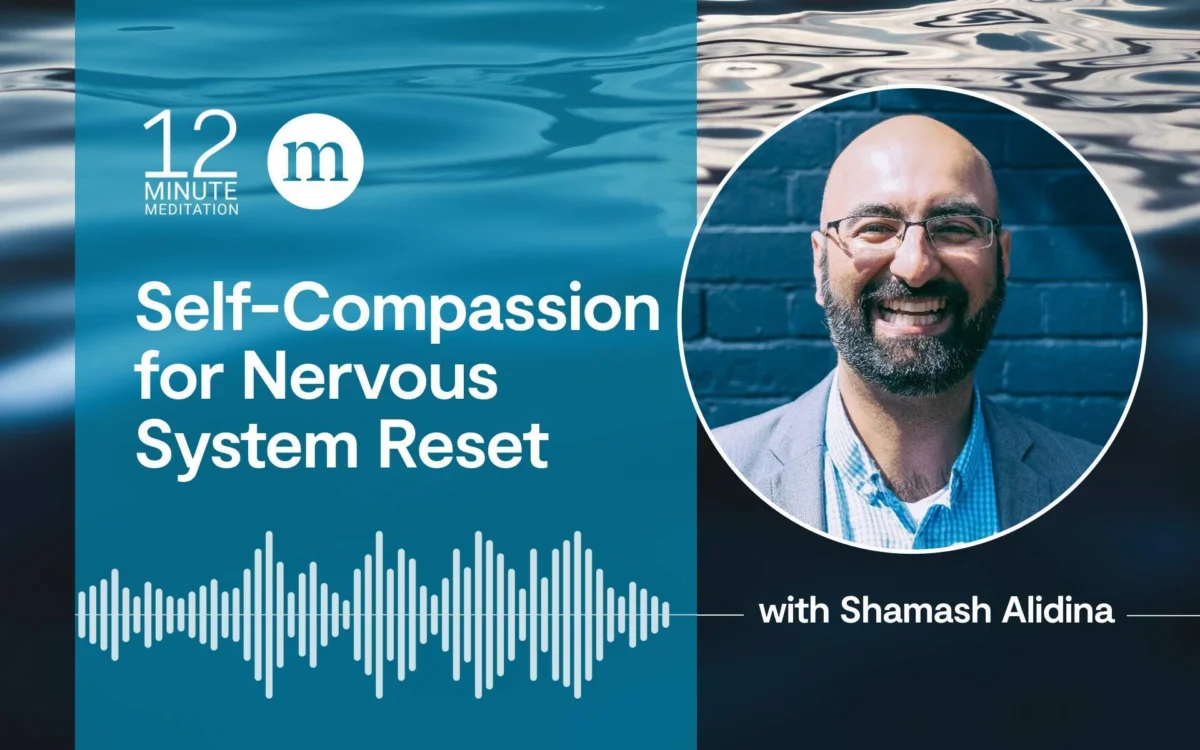
In an era characterized by relentless demands and pervasive digital connectivity, the modern individual frequently finds themselves ensnared in cycles of stress that profoundly impact both mental and physical well-being. While instinct often drives individuals to seek external solutions or to push through discomfort, an increasingly recognized and scientifically validated approach points inward: self-compassion. This gentle yet profoundly powerful practice offers a pathway to pause, calm the nervous system, and reset, serving as a crucial tool for healing and restoration. Leading the charge in making these vital practices accessible is mindfulness teacher Shamash Alidina, whose work illuminates practical methods for cultivating self-compassion when stress levels peak.
The Pervasiveness of Stress in Modern Life
The landscape of contemporary life is fertile ground for chronic stress. Global statistics consistently highlight an alarming prevalence of stress-related conditions. According to the American Psychological Association’s annual "Stress in America" survey, a significant majority of adults report experiencing symptoms of stress, ranging from irritability and anxiety to fatigue and sleep disturbances. The World Health Organization (WHO) recognizes stress as a major factor contributing to mental health conditions such as depression and anxiety disorders, which collectively affect hundreds of millions globally. Economic pressures, social media’overload, geopolitical uncertainties, and the constant pressure to perform contribute to a collective sense of unease and a perpetually activated "fight, flight, or freeze" response in the nervous system. This chronic activation, if left unaddressed, can lead to a host of physical ailments, including cardiovascular disease, weakened immune function, and digestive issues, underscoring the urgent need for effective coping mechanisms.
For many, the initial reaction to stress is often self-criticism. When confronted with challenges, the inner voice frequently defaults to judgment, berating oneself for perceived failures or inadequacies. This self-critical internal dialogue, far from being motivating, exacerbates the stress response, further entrenching individuals in a cycle of negative emotions and physiological arousal. It is precisely at this juncture that the concept of self-compassion offers a transformative alternative.
Understanding Self-Compassion: A Foundational Shift
Self-compassion, as championed by researchers like Dr. Kristin Neff and Dr. Christopher Germer, is not merely self-pity or self-indulgence. Instead, it is defined by three core components:
- Self-Kindness: Treating oneself with warmth and understanding during times of suffering, failure, or inadequacy, rather than harsh self-criticism. This involves actively soothing oneself and offering comfort, much as one would a dear friend.
- Common Humanity: Recognizing that suffering and personal inadequacy are parts of the shared human experience, rather than feeling isolated or abnormal in one’s pain. This perspective fosters a sense of connection rather than separation.
- Mindfulness: Holding one’s painful thoughts and feelings in balanced awareness, without over-identifying with them or suppressing them. It means observing one’s suffering with clarity and non-judgment.
These components work in concert to create an internal environment conducive to healing. When individuals practice self-kindness, they activate the parasympathetic nervous system, promoting a state of calm and rest. Acknowledging common humanity reduces feelings of shame and isolation, which are often potent amplifiers of stress. Mindful awareness allows for a balanced perspective, preventing rumination and emotional overwhelm.
Scientific Validation: The Biological Basis of Calm
The benefits of self-compassion are not merely anecdotal; they are increasingly supported by robust scientific research. Studies utilizing neuroimaging have shown that practicing self-compassion activates brain regions associated with empathy, emotional regulation, and reward, while deactivating areas linked to self-criticism and fear. For instance, functional MRI (fMRI) scans have indicated increased activity in the prefrontal cortex—the area responsible for planning complex cognitive behavior, personality expression, decision making, and moderating social behavior—and reduced activity in the amygdala, the brain’s "fear center."
Furthermore, research has demonstrated that self-compassion can significantly reduce levels of cortisol, the primary stress hormone, leading to a decrease in physiological arousal. It has also been linked to improved heart rate variability (HRV), an indicator of a healthy and adaptable nervous system. Individuals who score higher on measures of self-compassion tend to exhibit greater emotional resilience, lower rates of anxiety and depression, and an enhanced ability to cope with life’s challenges. These findings underscore self-compassion’s profound capacity to shift the body’s physiological state from chronic stress to one of calm and balance.
Shamash Alidina: A Pioneer in Accessible Mindfulness and Self-Compassion
At the forefront of making these transformative practices accessible to a global audience is Shamash Alidina. With a rich background spanning over two decades in mindfulness, Alidina has dedicated his career to demystifying complex psychological concepts and translating them into practical, actionable strategies for everyday well-being. His journey into mindfulness began in 1998, a period when the practice was gaining nascent recognition outside specialized spiritual or academic circles. Since then, he has become a leading voice, practicing and teaching mindfulness full-time since 2010.

Based in London, Alidina’s influence extends far beyond geographical boundaries. He operates a successful training organization, conducting online courses and workshops that cater to a diverse international clientele. His expertise is frequently sought by media outlets, leading to appearances in newspapers, magazines, and radio shows, further broadening the reach of his message.
Alidina is the acclaimed author of several pivotal books that have served as entry points for countless individuals into the world of mindfulness. His foundational work, Mindfulness For Dummies, has demystified mindfulness for a broad audience, making its principles understandable and applicable. More recently, his book The Mindful Way Through Stress delves specifically into how mindfulness and self-compassion can be leveraged to navigate and alleviate the pressures of modern life. Through these publications and his extensive teaching, Alidina has solidified his reputation as an approachable and effective guide for those seeking inner calm and resilience.
Alidina’s Framework: Three Pillars for Stress Reset
Alidina’s approach to self-compassion for nervous system reset is rooted in practical, guided meditation techniques that embody the three core components of self-compassion. While the specific guided meditation script is often a dynamic, interactive experience, his teachings consistently emphasize these three integrated "ways" to show compassion for oneself during stress:
-
Mindful Awareness of Suffering Without Judgment: The initial step involves consciously acknowledging the presence of stress, pain, or difficulty without immediately trying to fix it, judge it, or push it away. This involves a gentle turning towards the discomfort. For instance, when feeling overwhelmed by work, instead of thinking, "I’m so bad at this," the practice encourages noticing the physical sensations of stress (e.g., tightness in the shoulders, racing heart) and the accompanying thoughts, simply observing them as they are. This non-judgmental awareness creates a vital space between the experience and the reaction to it. By doing so, individuals can interrupt the automatic cycle of negative rumination and physiological arousal, allowing the nervous system to begin de-escalating from a ‘fight or flight’ state. This mindful pause allows for clarity and a reduction in the emotional intensity associated with the stressor.
-
Embracing Common Humanity: You Are Not Alone: A profound source of suffering in stress is the feeling of isolation—the belief that one is uniquely struggling or failing. Alidina’s teaching encourages individuals to consciously connect with the understanding that suffering is an inherent part of the human condition. When feeling inadequate or overwhelmed, the practice involves gently reminding oneself, "This is a moment of suffering. Suffering is a part of life. Many people feel this way." This simple mental reframe can be incredibly powerful. It dismantles the belief that one’s struggles are unique flaws, replacing it with a sense of shared experience. By realizing that others, too, experience stress, failure, and emotional pain, the shame and self-criticism often associated with these experiences begin to dissolve. This sense of connection activates neural pathways associated with social bonding and empathy, which are inherently calming and antithetical to the isolating effects of acute stress.
-
Cultivating Self-Kindness: Responding with Warmth and Support: Once suffering has been mindfully acknowledged and contextualized within common humanity, the final, crucial step is to respond to oneself with deliberate kindness. This involves actively offering comfort and support, much as one would to a beloved friend or child in distress. Practical manifestations of self-kindness can include:
- Gentle Touch: Placing a hand over one’s heart or offering a gentle hug, creating a physical sensation of comfort.
- Soothing Words: Mentally or verbally repeating phrases like, "May I be kind to myself in this moment," "May I be safe," "May I be free from suffering," or "It’s okay to feel this way."
- Compassionate Action: Asking oneself, "What do I need right now to feel better?" and then taking a small, supportive action, whether it’s stepping away for a few minutes, taking a few deep breaths, or giving oneself permission to rest.
This deliberate act of self-kindness directly counteracts the corrosive effects of self-criticism. It fosters a sense of inner safety and warmth, signaling to the nervous system that it is safe to relax. The release of oxytocin, often referred to as the "cuddle hormone," is associated with these acts of self-soothing, further promoting feelings of calm and well-being. By consistently offering oneself this internal support, individuals can gradually rewire their responses to stress, moving from automatic self-attack to compassionate self-care.
The Practical Application: Integrating Self-Compassion into Daily Life
The beauty of Alidina’s framework is its applicability beyond formal meditation sessions. These three pillars can be integrated into brief, everyday moments of difficulty. A quick mindful check-in when stress arises, a silent affirmation of common humanity during a challenging interaction, or a gentle hand on the chest coupled with a kind phrase can all serve as mini-resets throughout the day. This consistent practice gradually builds an internal reservoir of resilience and self-support, making individuals less susceptible to the overwhelming grip of stress cycles.
Expert Commentary and Broader Societal Implications
The growing recognition of self-compassion’s efficacy has garnered significant endorsement from the broader mental health community. Organizations like the Mental Health Foundation and various psychological associations increasingly advocate for the integration of mindfulness and self-compassion into therapeutic interventions and public health initiatives. Experts emphasize that these practices empower individuals with internal resources, reducing reliance solely on external coping mechanisms.
The broader societal implications of widespread self-compassion practice are significant. In workplaces, fostering self-compassion among employees could lead to reduced burnout, improved emotional regulation, and enhanced productivity. In educational settings, teaching self-compassion to students can build resilience, mitigate academic stress, and promote healthier self-esteem. Within healthcare, self-compassion can aid both patients and caregivers in navigating difficult diagnoses and demanding roles. By shifting the cultural narrative from relentless self-improvement and harsh self-judgment to one of gentle acceptance and understanding, societies could cultivate more compassionate, resilient, and mentally healthy populations.
In conclusion, as the world continues to grapple with escalating levels of stress, the wisdom offered by mindfulness teachers like Shamash Alidina provides a crucial and accessible antidote. His practical guidance on cultivating self-compassion—through mindful awareness, common humanity, and self-kindness—offers a scientifically sound and deeply human pathway to reset the nervous system, foster inner peace, and build enduring resilience. This gentle yet profoundly effective approach represents not just a personal healing modality, but a foundational shift towards a more compassionate and sustainable way of living in a perpetually demanding world.