Pranda Michaela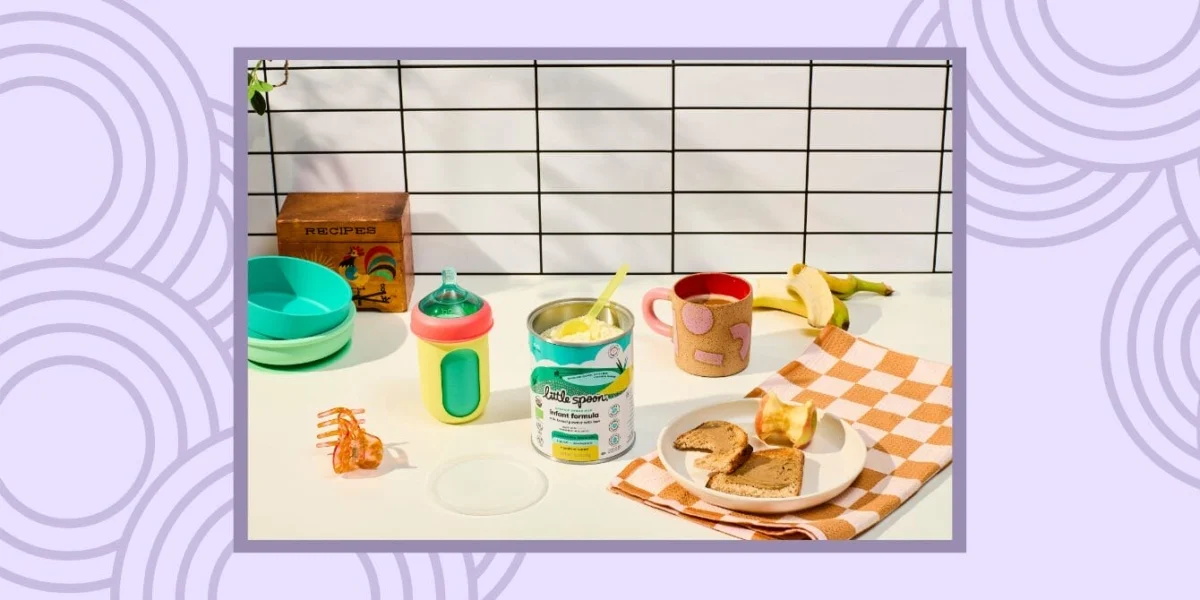
The landscape of infant nutrition is undergoing a significant transformation with the introduction of a new organic whole milk formula by Little Spoon, a brand long recognized for its stringent ingredient standards in baby and toddler food. This move into the formula market marks a pivotal moment, addressing a critical need for greater transparency and rigorous testing in an industry often characterized by ambiguity and parental anxiety. Little Spoon’s entry is distinguished by its commitment to a level of ingredient scrutiny and contaminant testing that far surpasses current regulatory requirements, aiming to alleviate the concerns of parents navigating the complex world of infant feeding.
For years, Little Spoon has cultivated a reputation for its "intense" focus on ingredient quality, famously testing its baby food pouches, toddler plates, and smoothies for over 500 toxins and contaminants. This dedication to purity and safety, inspired by European Union standards, is now being applied to their new infant formula. The decision to launch a formula product comes at a time when many parents find themselves relying on formula, either by necessity or choice, due to various circumstances such as breastfeeding challenges, the need for combination feeding to maintain parental well-being, or the practicalities of returning to work. The brand’s stated mission is to ensure that the use of formula does not come burdened with guilt, confusion, or uncertainty about its composition.
A New Standard in Formula Testing and Transparency
What sets Little Spoon’s formula apart is its pioneering approach to testing and disclosure. The company asserts it is the first and only baby and toddler food brand in the United States to establish strict limits for over 500 toxins and contaminants. This framework is being directly applied to their infant formula, a departure from the current regulatory environment. The U.S. Food and Drug Administration (FDA) does not currently mandate specific contaminant limits for infant formula, a regulatory gap that Little Spoon aims to fill.
Every batch of Little Spoon’s formula undergoes testing for more than 500 potential contaminants. This includes heavy metals such as lead, arsenic, cadmium, and mercury, as well as 548 different pesticide residues. Batches that fail to meet these stringent criteria are rejected outright. This proactive approach to quality control is a significant step towards ensuring the safety and purity of the product.
Furthermore, Little Spoon is breaking new ground by being the first U.S. formula brand to publicly share its exact heavy metal testing limits and results on its website. This goes beyond simple "pass/fail" indications, offering consumers concrete data. For lead, Little Spoon has set its limit at 10 parts per billion (PPB), which is notably stricter than the EU’s current threshold of 20 PPB. In the case of mercury, where no specific standard exists, Little Spoon has established its own limit of 3 PPB, demonstrating a commitment to setting its own benchmarks for safety even in the absence of regulatory mandates.
The company’s commitment to rigorous quality assurance extends to microbial testing as well. Every batch is tested for Sulfite-Reducing Clostridia, an indicator of spore-forming bacteria, with limits set at 10 times stricter than international guidance. While the international standard allows for 100 spores per gram, Little Spoon has self-imposed a limit of 10 spores per gram. In total, each batch of formula undergoes over 2,000 documented quality and safety checks, underscoring the brand’s dedication to an exceptionally high standard of care.
Sourcing and Nutritional Profile: A Focus on Purity
The base of Little Spoon’s organic whole milk formula is derived from organic whole milk sourced from grass-fed cows in New Zealand. This region is highlighted for its ban on the use of growth hormones in cattle, a practice not universally prohibited in other dairy-producing nations. The use of whole milk contributes naturally occurring fats, allowing for a reduction in added oils compared to formulas relying on skimmed milk.
Nutritionally, the formula is designed to closely mirror the protein ratio found in breast milk. It also incorporates plant-based DHA, an essential fatty acid crucial for infant brain and eye development, and prebiotics, which support a healthy gut microbiome. The entire product adheres to the rigorous standards required for both USDA and EU organic certification, further reinforcing its commitment to organic principles and ingredient integrity.
Addressing Parental Needs in a Complex Market
The infant formula market can be a source of significant parental stress. With numerous options available, understanding the testing protocols and sourcing practices of different brands can be an overwhelming task. Little Spoon’s expansion into formula is essentially an extension of its established philosophy for baby and toddler foods: unwavering ingredient scrutiny, rigorous testing standards, and a commitment to transparency, often referred to as an "open-book" approach. The public disclosure of testing data represents a tangible manifestation of this commitment.
Little Spoon’s formula is engineered to accommodate a wide range of feeding realities, moving beyond a singular notion of the "right" way to feed an infant. It is designed for parents who engage in combination feeding for added flexibility, those transitioning from breastfeeding due to changing circumstances, or those supplementing to manage fluctuating milk supply. The company recognizes that many parents navigate "messy, in-between feeding situations" and has developed its product to support these diverse scenarios. The formula can be used alongside breastfeeding (prepared separately before combining), as a transitional tool, or as the primary source of infant nutrition.
Practical Information for Consumers
Little Spoon’s Organic Whole Milk Formula is formulated to provide complete nutrition for infants throughout their first year of life. While organic formulas are not new to the market, Little Spoon distinguishes itself by bringing an unprecedented level of testing transparency and ingredient scrutiny to a category that has long been perceived as lacking in these areas. After eight years of building parental confidence in its baby food offerings, the brand is now extending this philosophy to formula, aiming to provide parents with a trusted and easily understandable option.
For parents standing in the formula aisle, feeling overwhelmed or frustrated by the complexity and lack of clarity, Little Spoon aims to offer a clear and reassuring choice. The brand’s emphasis on rigorous testing, public data, and adherence to high organic standards seeks to simplify the decision-making process and empower parents with confidence in the nutrition they are providing for their babies. This initiative could set a new benchmark for the industry, encouraging other manufacturers to adopt more transparent and rigorous practices in the production of infant formula.
The broader implications of Little Spoon’s entry into the formula market are significant. By challenging the status quo of regulatory oversight and industry transparency, the company is potentially driving a paradigm shift. This could lead to increased consumer demand for greater accountability from all formula manufacturers, ultimately benefiting the health and well-being of infants across the nation. The brand’s proactive stance on contaminant testing, particularly in areas where regulatory standards are less stringent, highlights the critical role that private companies can play in advocating for and implementing higher safety protocols, especially when driven by a strong consumer-centric mission. The potential for increased competition based on transparency and quality could foster innovation and improvement across the entire infant nutrition sector.