Angie Faith
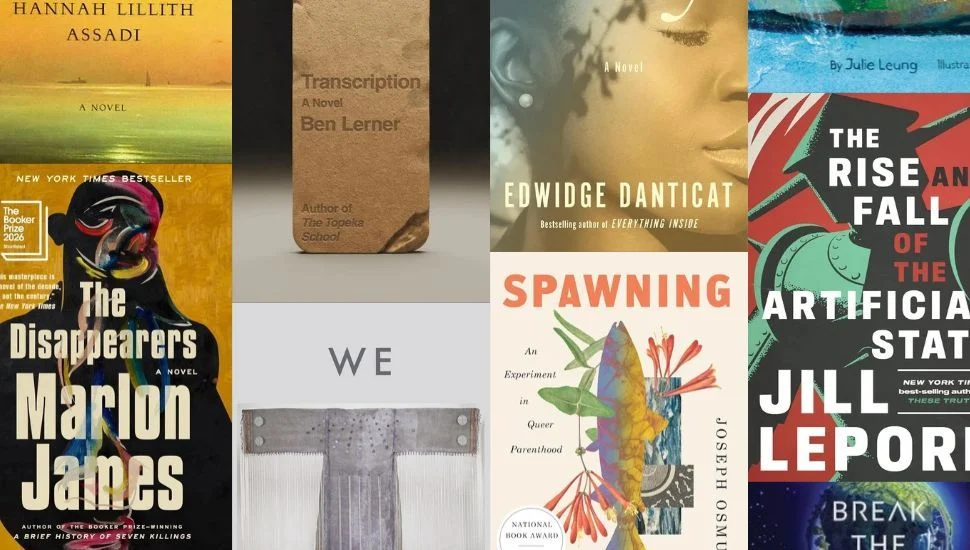
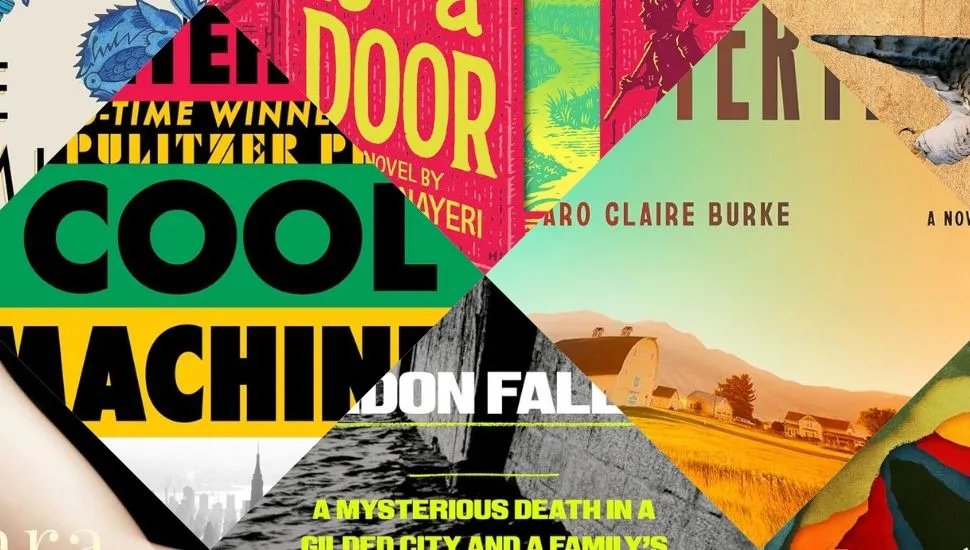
The esteemed British newspaper, The Guardian, has unveiled its much-anticipated list of the 100 best novels of all time, a comprehensive compilation born from the nominations of 172 prominent authors and literary experts. This extensive survey, released in stages throughout May 2026, offers a granular look into contemporary literary consensus, sparking widespread discussion and debate among readers and critics alike. The final compilation, accessible to the public, represents a significant undertaking in cataloging literary achievement, prompting a re-examination of established canons and the evolving criteria for enduring literary merit.
The methodology behind The Guardian’s list involved soliciting top ten nominations from a curated panel of literary figures. This approach aimed to capture a nuanced perspective, moving beyond a singular editorial voice to reflect a broader spectrum of informed opinions. The resulting ranking, while subjective by nature, provides a valuable snapshot of novels that resonate deeply with those who shape and interpret the literary world. Early analysis of the list reveals a notable increase in the representation of women writers compared to previous iterations of similar literary surveys, with 36 of the 100 selected novels penned by female authors. This demographic shift is a significant indicator of changing tides within the literary establishment, reflecting a more inclusive approach to recognizing literary talent and impact.
However, the list has also drawn attention for its omissions. Prominent works such as J.R.R. Tolkien’s "The Lord of the Rings" and Harper Lee’s "To Kill a Mockingbird," both considered cornerstones of popular and critical literature, did not make the final cut. Furthermore, the absence of children’s literature and graphic novels from the compilation has also been a point of discussion, raising questions about the boundaries of what constitutes a "novel" in contemporary literary discourse and whether such categories warrant separate consideration. The granular data released by The Guardian allows readers to explore individual nominations, offering insights into the personal literary preferences of celebrated authors like Roxane Gay, R.F. Kuang, Stephen King, and Salman Rushdie. This transparency encourages a more engaged and personalized interaction with the list, inviting readers to compare their own literary judgments with those of their favorite writers. The newspaper has also opened a channel for public input, inviting readers to submit their own nominations for a potential follow-up list, fostering a dynamic and participatory approach to literary evaluation.
The literary world is currently grappling with a new frontier: the proliferation of Artificial Intelligence (AI) in content creation. This challenge has directly impacted publishing houses and bookstores, prompting critical discussions about the authenticity and value of AI-generated works. In a recent development, James Daunt, the CEO of Barnes & Noble, addressed the contentious issue of stocking AI-written books in his stores. Daunt stated in an interview that he has "no problem selling any book, as long as it doesn’t masquerade or pretend to be something that it isn’t. And that it has an essential quality to it, and that the customer, the reader, wants it." He further elaborated, "So as long as an AI-written book says it’s an AI-written book and doesn’t pretend to be something else and isn’t ripping off somebody else, as long as that’s clearly stated and the customer wants to buy it, then we will stock them."
This stance from a major bookselling executive reflects a pragmatic approach to the evolving publishing landscape. The potential for AI to generate content at an unprecedented scale presents both opportunities and challenges. While AI can undoubtedly produce text, the question of its "essential quality" and its capacity for genuine creativity remains a subject of intense debate. The assertion that AI-written books will be clearly labeled and will not infringe on existing copyrights is a crucial, albeit potentially difficult, condition to enforce. Historically, the publishing industry has seen a gradual integration of new technologies, from the printing press to digital publishing. The advent of AI represents another significant technological leap, forcing a reevaluation of authorship, originality, and the very definition of a literary work.
The implications of Daunt’s statement are far-reaching. On one hand, it suggests a willingness to embrace innovation and cater to potential market demand for AI-generated content, provided it adheres to ethical guidelines. This could lead to a diversification of offerings within bookstores, potentially appealing to a new segment of readers or those interested in experimental literary forms. However, concerns persist regarding the potential for AI-generated content to flood the market with low-quality or derivative works, making it harder for human authors to gain visibility and recognition. The danger of AI being used to plagiarize or mimic existing styles without proper attribution is a significant risk. Furthermore, the practicality of ensuring clear labeling for all AI-generated books, especially in a retail environment, presents a logistical hurdle.
The potential for AI-written books to undermine the experience of browsing physical bookstores is also a consideration. Readers often seek out the curated selection and the sense of discovery that a well-run bookstore provides. An influx of AI-generated content, particularly if it lacks genuine artistic merit or is presented deceptively, could dilute this experience and erode consumer trust. The example of AI-written mushroom identification guides, some of which have been flagged as potentially dangerous, underscores the critical need for accuracy and reliability in informational texts, regardless of their origin. The long-term impact on the literary ecosystem, including the livelihoods of authors and the economic viability of traditional publishing, will likely depend on how effectively the industry can navigate these complex issues and establish clear ethical frameworks for AI-assisted or AI-generated creative output.
In a separate development that highlights the intersection of literature, politics, and cultural expression, acclaimed Irish author Sally Rooney has opted for a specific Hebrew translation of her latest novel, "Intermezzo." This decision is rooted in her commitment to the Palestinian Boycott, Divestment, and Sanctions (BDS) movement. Rooney, whose previous works "Conversations with Friends" and "Normal People" achieved widespread international success and were translated into Hebrew by the Israeli publisher Modan, chose a different path for her subsequent publications.
The initial translations of Rooney’s early novels into Hebrew were handled by Modan. However, upon learning that Modan had ties to the Israeli military, Rooney made a conscious decision to decline translation offers for her later books. This stance aligns with the principles of the BDS movement, which advocates for economic and cultural pressure on Israel to end its occupation of Palestinian territories. For "Intermezzo," Rooney has chosen November Books, a publisher that reportedly meets the conditions set forth by the BDS movement for translation into Hebrew. This move signifies a deliberate political statement by the author, using her literary platform to engage with and support a specific cause.
Rooney’s decision has ignited discussions within literary and activist circles. For her supporters, it is seen as a principled stand against Israeli policies and a demonstration of solidarity with the Palestinian people. They view her action as a powerful example of how authors can leverage their influence to promote social and political change. Conversely, critics have expressed disappointment, arguing that such actions can politicize literature and hinder cultural exchange. Some have suggested that isolating Israeli publishers and artists can be counterproductive, potentially limiting opportunities for dialogue and understanding. The decision also raises broader questions about the role of artists in political activism and the ethical considerations involved when personal beliefs intersect with professional endeavors. The literary world, often seen as a space for diverse perspectives, finds itself at the nexus of these complex debates, where creative expression, political conviction, and global issues converge.
The enduring power of nature and its capacity to offer profound insights into human existence and environmental stewardship continue to be explored in contemporary literature and discourse. The podcast "Zero to Well-Read" recently dedicated an episode to the phenomenon of Robin Wall Kimmerer’s "Braiding Sweetgrass: Indigenous Wisdom, Scientific Knowledge and the Teachings of Plants." Hosts Jeff and Rebecca delved into the book’s impact, tracing its rise in popularity and dissecting its unique synthesis of Indigenous philosophy, traditional ecological knowledge, and Western scientific understanding.
"Braiding Sweetgrass" has resonated with a wide audience for its eloquent exploration of the reciprocal relationship between humans and the natural world. Kimmerer, a botanist and member of the Citizen Potawatomi Nation, masterfully weaves together scientific observation with ancient wisdom, offering a compelling vision for how humanity can live in greater harmony with the earth. The podcast episode likely highlighted key themes such as the concept of the "gift economy" in nature, the importance of reciprocity, and the inherent sentience of plants and other living beings. The discussion would have also touched upon the book’s influence in fostering a deeper appreciation for biodiversity and encouraging a more sustainable and ethical approach to environmental engagement. The companion newsletter associated with the podcast likely provides further resources and deeper dives into the book’s content, encouraging listeners to continue their exploration of Kimmerer’s profound ideas. The continued popularity and academic interest in "Braiding Sweetgrass" underscore a growing societal awareness of the urgent need to re-evaluate our relationship with the environment and to learn from the wisdom of Indigenous cultures, which have long maintained a harmonious coexistence with the natural world. This literary and cultural moment signifies a potential shift in perspective, emphasizing the crucial role of nature as a teacher and a source of healing in an era of ecological crisis.