Clara Fransiska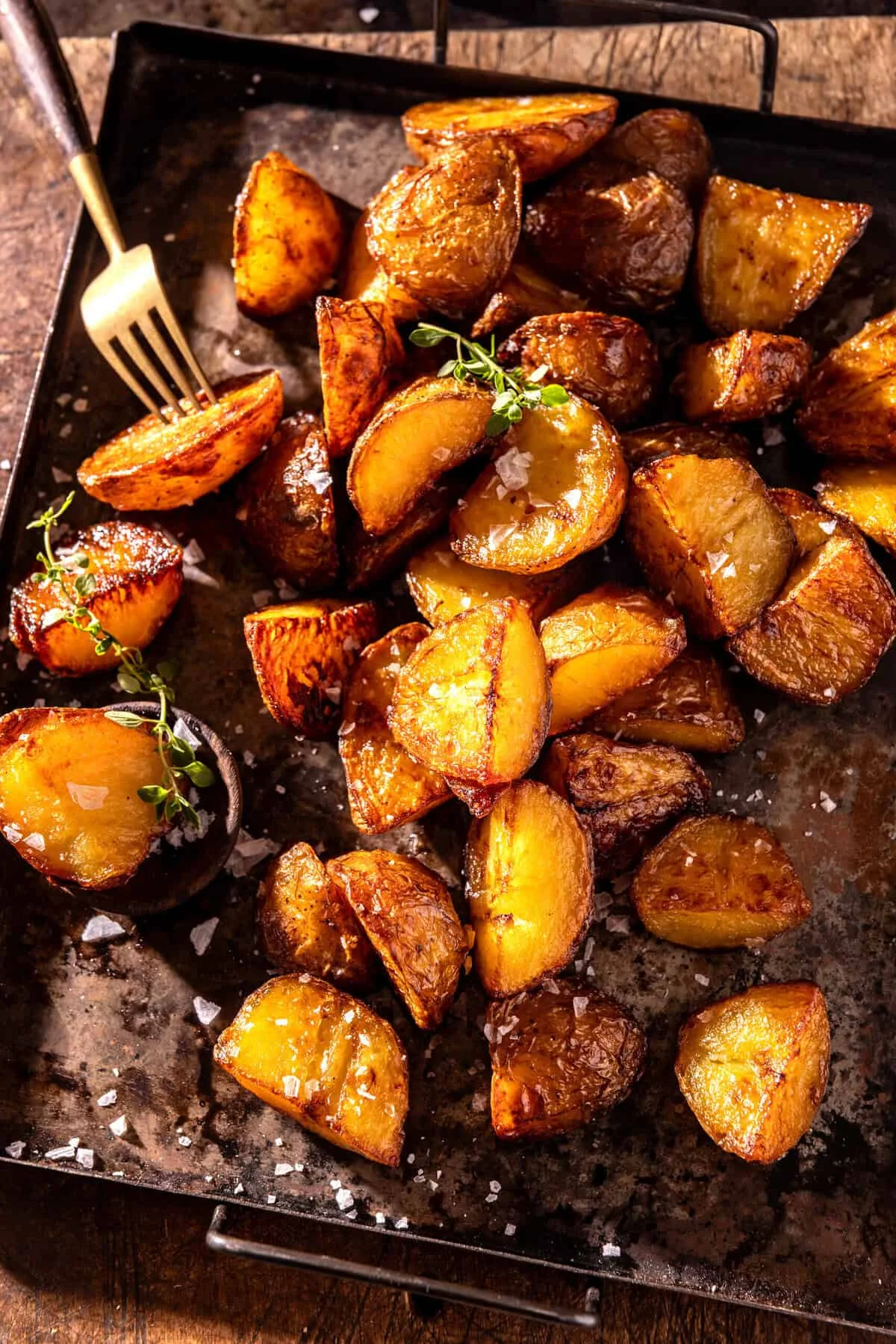
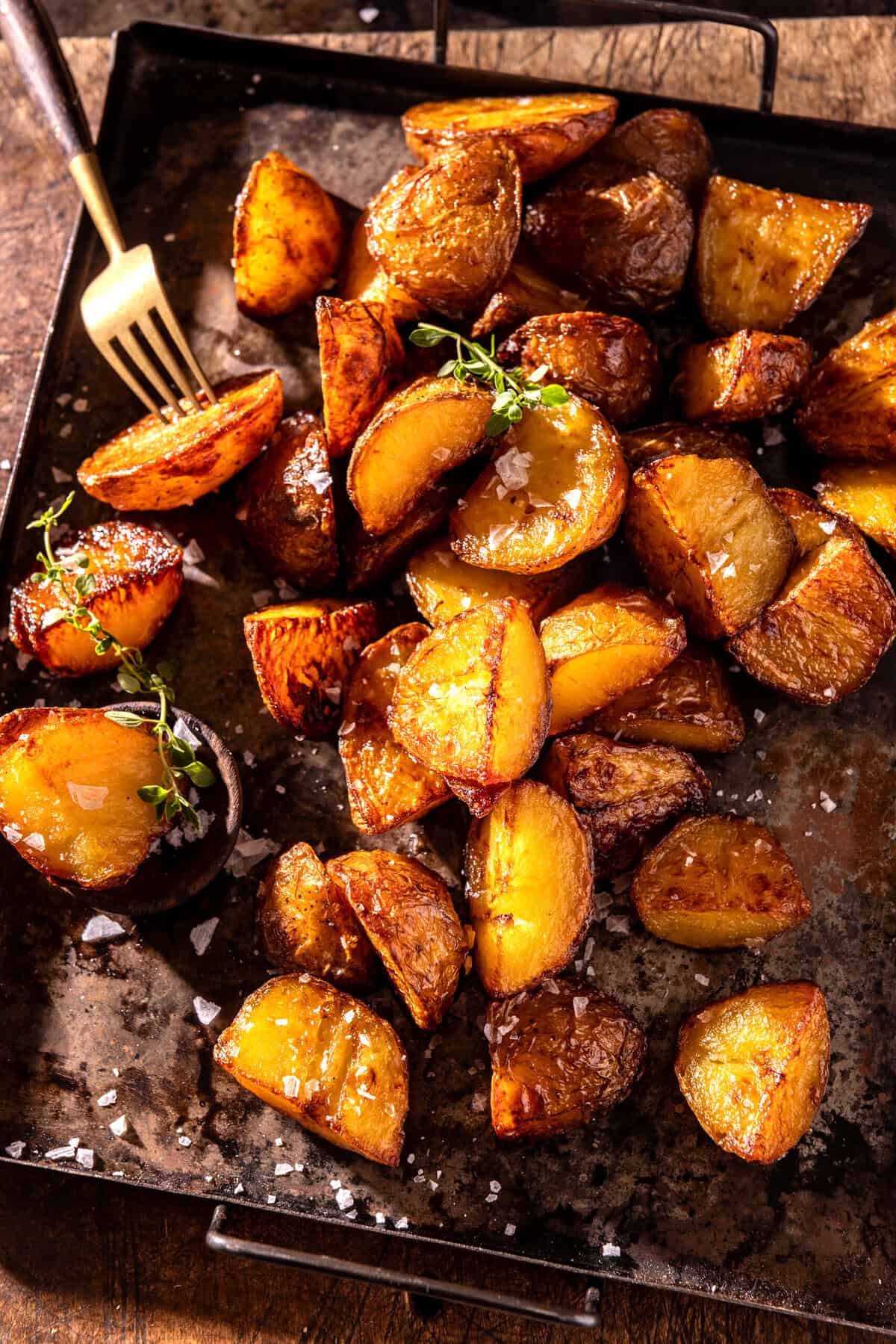
The seemingly humble English roast potato has recently emerged as a culinary star, captivating home cooks and professional chefs alike with its deceptively simple preparation and intensely satisfying results. This classic side dish, characterized by its impossibly crispy exterior and tender, fluffy interior, is being celebrated for its versatility and its ability to elevate any meal. The specific technique, which involves parboiling Yukon Gold potatoes before slow-roasting them in a generous amount of fat, has been lauded for its effectiveness in achieving a perfect golden crust, often finished with generous flakes of sea salt.
The resurgence in popularity of this dish can be attributed, in part, to its recent feature on prominent culinary blogs and food websites, drawing attention to its accessible yet impressive qualities. The method emphasizes the transformative power of proper technique, turning a common ingredient into a gourmet experience. While often associated with traditional Sunday dinners and celebratory feasts, its straightforward nature makes it an ideal accompaniment for everyday meals, particularly during warmer months when grilling and outdoor cookouts are prevalent. The dish’s inherent adaptability also positions it as a prime candidate for holiday menus, offering a comforting and crowd-pleasing option as the year-end festivities approach.
The Evolution of a Culinary Staple
The history of roasted potatoes is deeply rooted in various culinary traditions across the globe, with many cultures developing their own methods for transforming the humble tuber into a delectable side. In the United Kingdom, the "roast potato" has long been a cornerstone of the traditional Sunday roast, often prepared with goose fat for an exceptionally crisp finish. However, the specific methodology gaining traction now, often referred to as "English roast potatoes," refines this classic approach, focusing on maximizing crispiness through a precise parboiling and slow-roasting process.
The recent elevation of this dish is not an isolated incident but rather part of a broader culinary trend that values quality ingredients and time-honored techniques. As consumers become more discerning and interested in the provenance and preparation of their food, recipes that deliver exceptional flavor with relatively straightforward steps are highly sought after. This particular method for achieving perfectly crispy roast potatoes exemplifies this trend, offering a tangible and delicious outcome that rewards minimal effort with maximum impact.
The Science Behind the Crisp
The lauded crispiness of these English roast potatoes is not accidental but rather a result of specific scientific principles at play during the cooking process. The initial parboiling step is crucial. This partial cooking softens the potato’s exterior, creating a starchy layer that, when agitated, becomes rough and uneven. This increased surface area is key to achieving a superior crisp. After draining and allowing the potatoes to dry, the rough edges readily absorb the hot fat during the roasting phase.
The choice of fat also plays a significant role. While traditional recipes often call for animal fats like duck fat or goose fat, which have high smoke points and impart rich flavor, modern adaptations have found success with vegetable oils such as avocado oil. The high smoke point of these fats allows them to reach temperatures necessary for achieving a deep golden-brown crust without burning. The slow-roasting process then ensures that the interior of the potato becomes thoroughly cooked and fluffy, contrasting beautifully with the brittle exterior. The final flourish of flaky sea salt not only enhances the flavor but also provides a satisfying textural counterpoint.
Key Ingredients and Essential Tools
The success of this recipe hinges on a few key components and considerations. While Yukon Gold potatoes are frequently recommended due to their waxy texture and ability to hold their shape while still becoming fluffy inside, the recipe’s inherent flexibility means that other varieties can also yield excellent results. The critical factor is selecting potatoes that are not overly starchy, which can lead to a mushy texture.
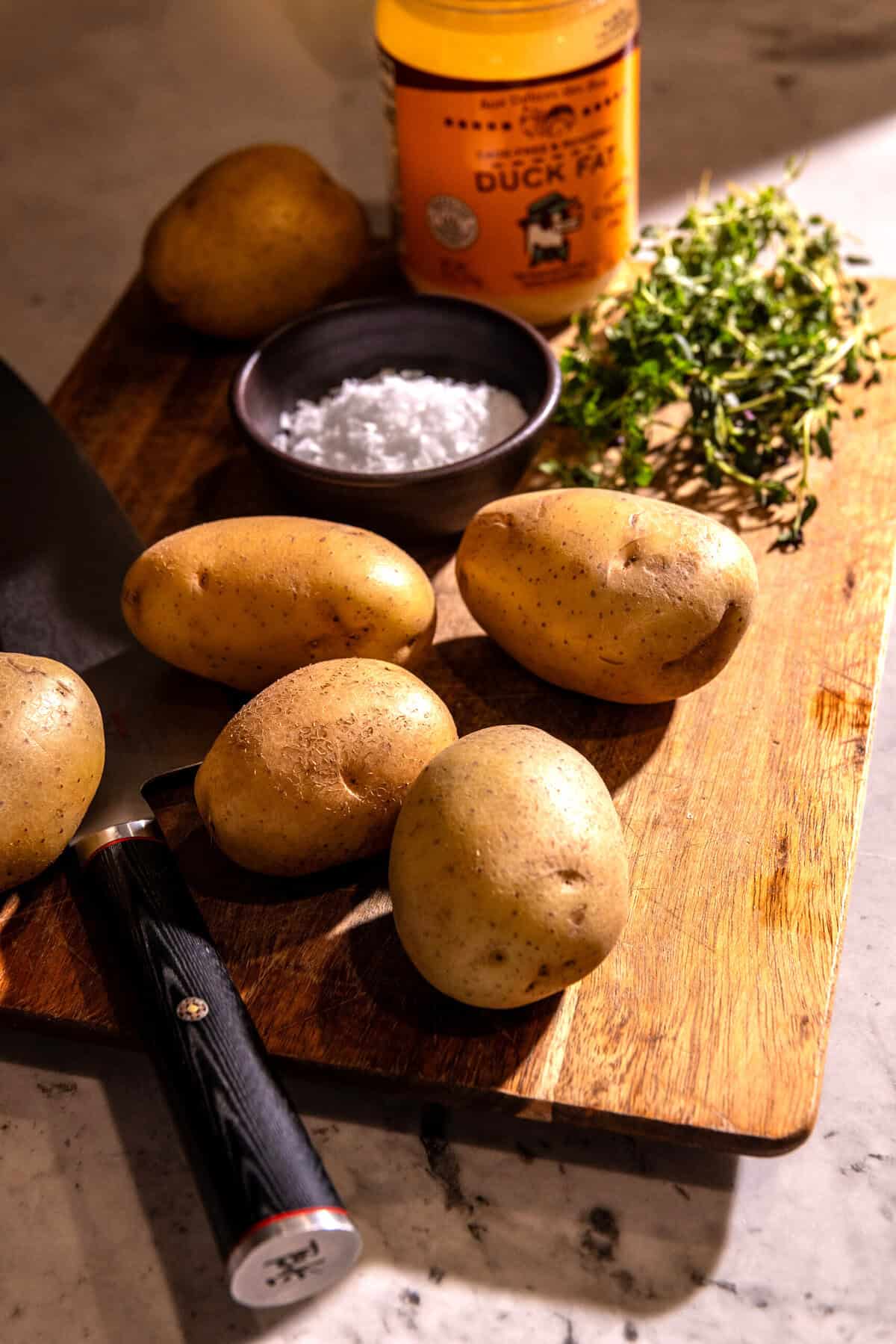
The choice of fat is paramount for achieving the desired crispiness and flavor. Options range from rich animal fats like duck or pork fat, which offer unparalleled depth, to neutral, high-heat oils such as avocado or grapeseed oil for a lighter yet equally effective crisp. The inclusion of salt during the initial boiling stage is a foundational step, seasoning the potatoes from the inside out and laying the groundwork for the final flavor profile.
Regarding equipment, a large metal roasting pan with raised sides is highly recommended. This design helps to contain the hot fat, preventing spills, and allows the potatoes to roast evenly without becoming crowded. A sturdy pot for boiling and a sharp knife for efficient chopping are also essential. The simplicity of the required tools underscores the recipe’s accessibility, making it an appealing option for cooks of all skill levels.
The Method: A Step-by-Step Breakdown
The preparation of these acclaimed English roast potatoes follows a clear and logical sequence designed to optimize texture and flavor.
Step 1: Preparation and Initial Seasoning
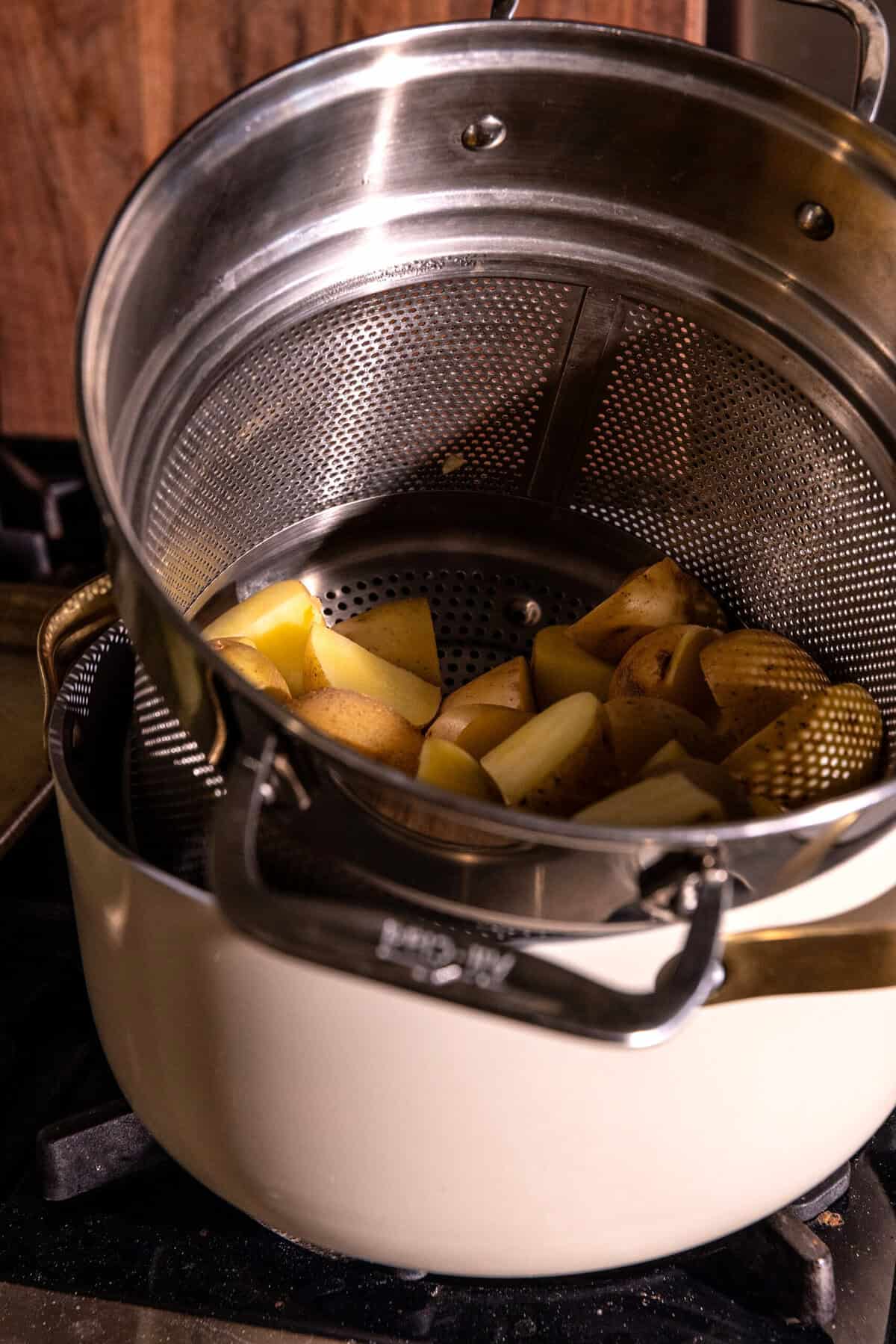
The process begins with thoroughly washing the potatoes. It is generally advised to leave the skins on, as they contribute significantly to the final crispiness and texture. The potatoes are then cut into uniform pieces, typically quarters, to ensure even cooking. As they are chopped, they are placed in a large pot and covered with cold water. A generous amount of salt is added to the water at this stage. This initial salting is a critical step, infusing the potatoes with flavor from the very beginning of the cooking process. While perfection in the size of the potato pieces is not required, aiming for similar dimensions will promote more consistent roasting.
Step 2: The Crucial Parboil and Drying Phase
The salted water is brought to a boil, and the potatoes are cooked for approximately seven to ten minutes. The goal here is to tenderize the potatoes without making them mushy. A fork should be able to pierce them easily, but they should not be falling apart. After boiling, the potatoes are drained thoroughly. It is essential to allow them to dry for at least ten minutes. This drying period is vital for achieving crispiness, as excess moisture can hinder the browning process. Some chefs recommend gently shaking the colander containing the drained potatoes. This action further roughens the edges, creating more surface area for the fat to adhere to and crisp up during roasting.
Step 3: Heating the Fat and Introducing the Potatoes
The next stage involves heating the chosen fat in the roasting pan. This is often done directly in the oven to ensure the fat is sufficiently hot before the potatoes are added, promoting an immediate sizzle and the start of the crisping process. Once the fat is shimmering and hot, the pan is carefully removed from the oven, and the parboiled and dried potatoes are gently added. The sound of the potatoes hitting the hot fat is an indicator of the correct temperature and the beginning of the transformation.
Step 4: The Slow Roast to Perfection
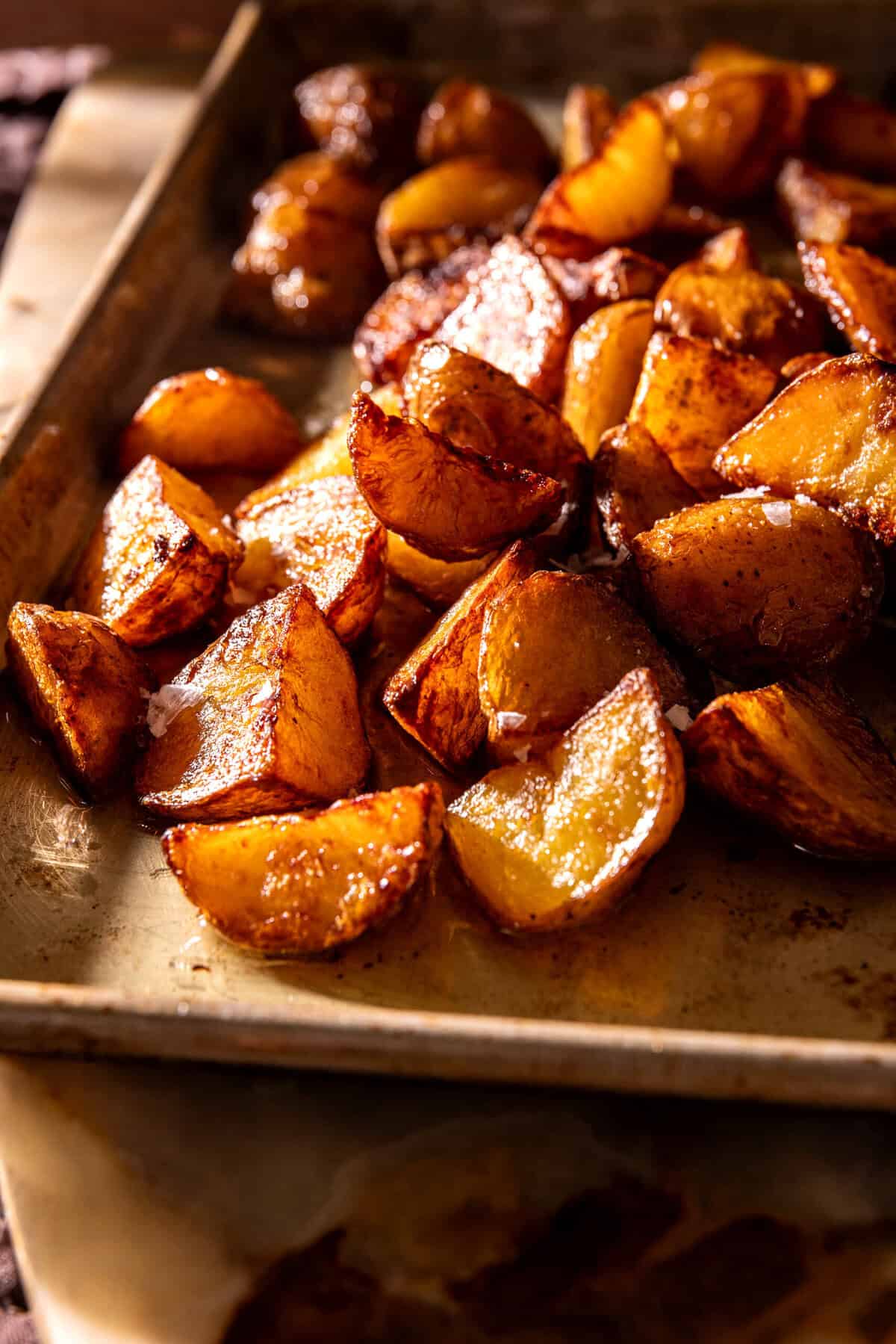
The potatoes are then returned to the oven to roast. This slow-roasting phase typically lasts for about one hour. During this time, it is recommended to toss the potatoes two or three times. This turning ensures that all sides of the potatoes are exposed to the hot fat and oven air, promoting even browning and crisping. The objective is to achieve a deep golden-brown color and a perfectly crisp exterior.
Step 5: The Finishing Touch
Once the potatoes have reached their optimal crispness and color, they are removed from the oven. The final, essential step is to season them generously with flaky sea salt while they are still hot. This allows the salt to adhere to the crispy surface and provides a delightful contrast in both flavor and texture.
Analysis of Impact and Broader Implications
The widespread appeal and reported success of this English roast potato recipe highlight several broader culinary trends. Firstly, it underscores the enduring power of well-executed simple dishes. In an era often characterized by complex gastronomy, the return to foundational recipes that deliver exceptional results with minimal fuss is a significant development. This recipe’s success suggests a growing appreciation for the satisfaction derived from mastering fundamental cooking techniques.
Secondly, the emphasis on specific potato varieties and fats points to a heightened consumer interest in ingredient quality and its impact on the final dish. Food enthusiasts are increasingly educated about how different ingredients and cooking methods contribute to flavor and texture, leading to a greater demand for recipes that explain and leverage these nuances.
Furthermore, the adaptability of this recipe, suitable for both casual weeknight dinners and more elaborate holiday gatherings, demonstrates its commercial and practical viability. Its popularity across various platforms, from personal blogs to recipe-focused websites, indicates a strong market for accessible yet impressive home-cooking solutions. The consistent positive feedback and frequent reiteration of the recipe suggest that English roast potatoes have firmly established themselves as a beloved and reliable side dish, likely to remain a staple in many kitchens for years to come. The ability to elevate a common ingredient like the potato through precise technique serves as a testament to the art of cooking and its capacity to bring joy and satisfaction to everyday life.