
Building a substantial and engaged audience on Instagram requires navigating an increasingly competitive digital landscape where traditional growth hacks no longer guarantee success. Recent platform data highlights a definitive shift away from shortcut-based tactics, such as purchasing followers or utilizing mass-tagging strategies, toward sustainable, organic content creation. According to a comprehensive analysis released by Buffer, which evaluated over 52 million posts across 200,000 accounts between January 2024 and December 2025, accounts that implemented a structured, consistent publishing schedule experienced significantly accelerated growth compared to sporadic posters.

The algorithmic architecture of Instagram has evolved to prioritize user intent, content relevance, and community interaction. Consequently, social media strategists and digital marketers are urging creators and brands to abandon vanity metrics in favor of data-backed methodologies. Understanding these core algorithmic signals is essential for individuals and enterprises seeking to expand their digital footprint without resorting to methods that trigger platform penalties or audience burnout.
Main Facts and Algorithmic Realities of Modern Instagram Growth
To successfully cultivate an active following, content creators must first understand the specific mechanics driving Instagram’s recommendation engines. The platform utilizes disparate signals across different surfaces—including the main Feed, the Explore tab, and Reels—to determine content distribution.
Data from Buffer’s State of Social Engagement report emphasizes that format selection directly dictates performance metrics. Specifically, Instagram Reels generate approximately 36 percent more reach than alternative post formats, positioning short-form video as the premier top-of-funnel discovery tool. Conversely, carousel posts excel at cultivating community retention, driving 12 percent higher engagement rates than single images or text-based graphics.
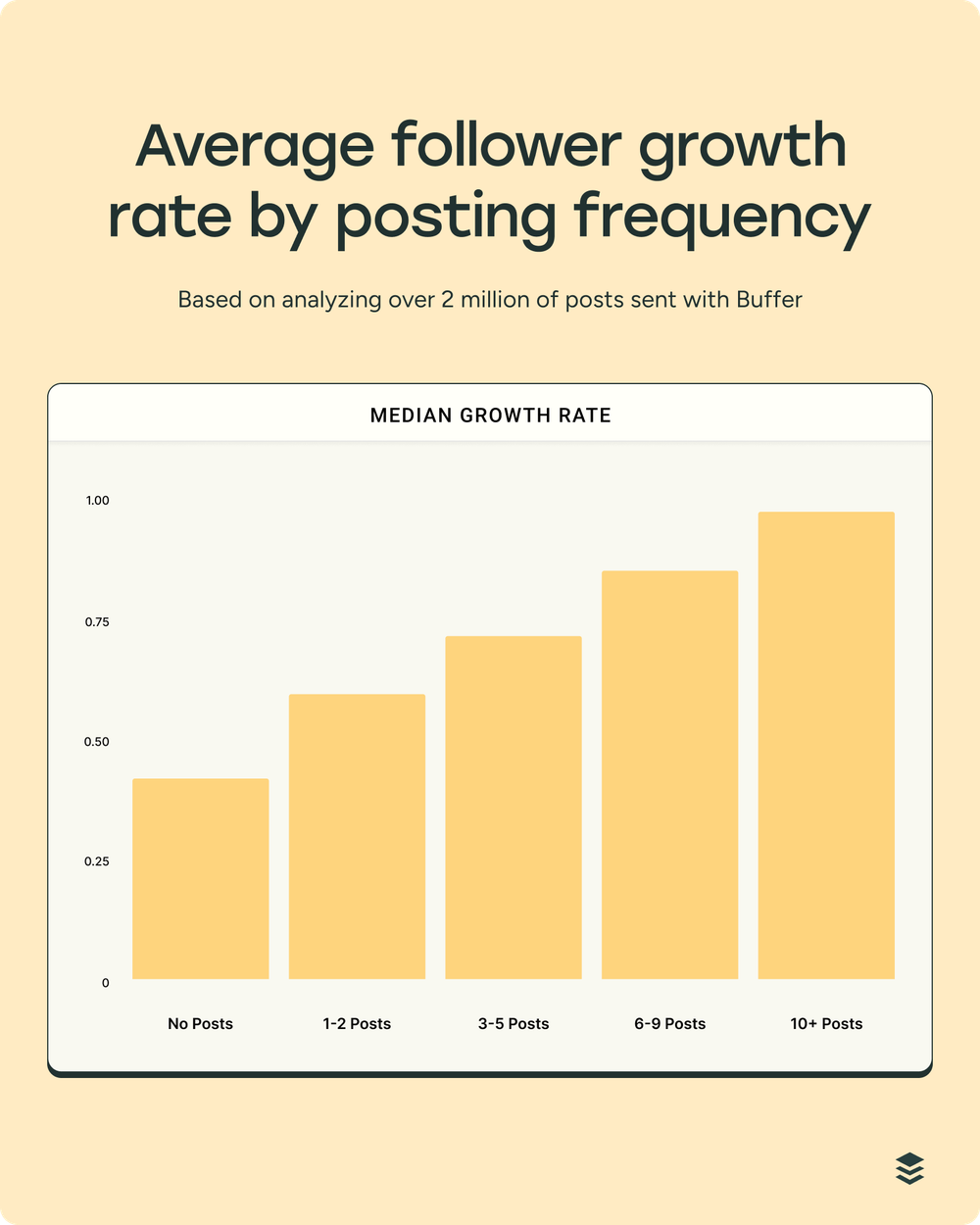
Furthermore, posting cadence plays a pivotal role in follower acquisition velocity. Accounts maintaining a publishing frequency of three to five feed posts per week demonstrated roughly double the follower growth rate of accounts posting only once or twice weekly. This frequency threshold strikes a balance between maintaining algorithmic visibility and preventing content saturation, allowing creators to sustain long-term operations without experiencing creative exhaustion.
Chronology and Evolution of Instagram Discovery Tools
The trajectory of Instagram optimization has transformed significantly over the years, mirroring broader shifts in digital consumer behavior and platform policy updates. In the platform’s early iterations, static imagery and extensive hashtag matrices served as the primary vehicles for organic discovery. Users regularly embedded up to 30 hashtags within captions or comment sections to maximize algorithmic indexing.
However, platform updates introduced throughout 2024 and 2025 dismantled these legacy practices. In December 2025, Instagram officially reduced the maximum hashtag limit from 30 to five per post across all formats, concurrently removing the ability for users to follow specific hashtags—a feature deprecated a year prior. Meta executives, including Head of Instagram Adam Mosseri, publicly clarified that hashtags no longer function as a primary mechanism for driving broad reach; rather, they serve as descriptive metadata that helps the algorithm categorize content for precise search indexing.
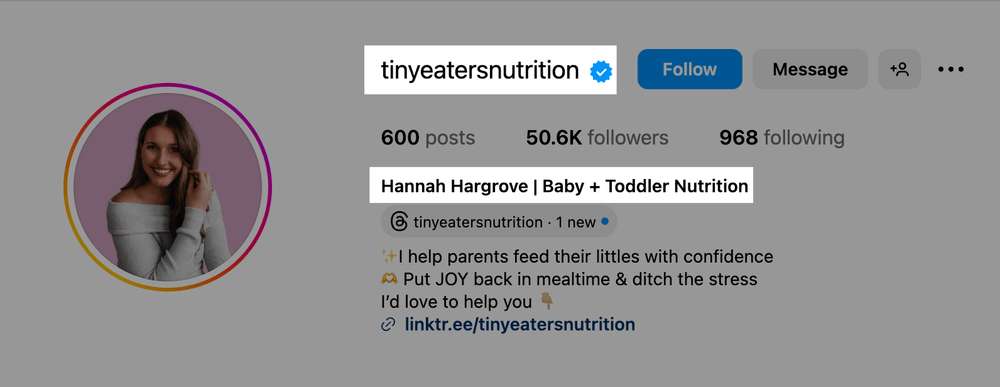
Concurrently, the introduction of searchable bio parameters, keyword-rich name fields, and advanced analytical dashboards transformed Instagram from a purely visual gallery into a sophisticated search-and-discovery engine. Creators who adapted their optimization strategies early in this transition captured early-mover advantages by capturing high-intent organic traffic via keyword searches.
Supporting Data and Engagement Metrics
Evaluating performance requires examining concrete data points derived from cross-platform benchmarks. The following metrics illustrate the comparative impact of various organic growth strategies:
| Strategy | New Follower Impact | Engagement Impact | Effort Level | Empirical Data Point |
|---|---|---|---|---|
| Post Reels Consistently | High | Moderate | Medium | +36% reach vs. other formats |
| Post Carousels | Moderate | High | Medium | +12% engagement vs. other formats |
| Publish 3–5 Times Weekly | High | Moderate | Medium | ~2× faster follower growth |
| Optimize Bio with Keywords | Moderate | Low | Low | Enhanced search discoverability |
| Reply to Comments | Low | High | High (Ongoing) | +21% engagement lift |
| Cross-Promote on External Channels | Moderate | Low | Low | Directs existing traffic streams |
| Collaborate with Creators | High | Moderate | High | Expands audience cross-pollination |
| Limit Hashtags to Top 5 | Moderate | Low | Low | Complies with current platform caps |
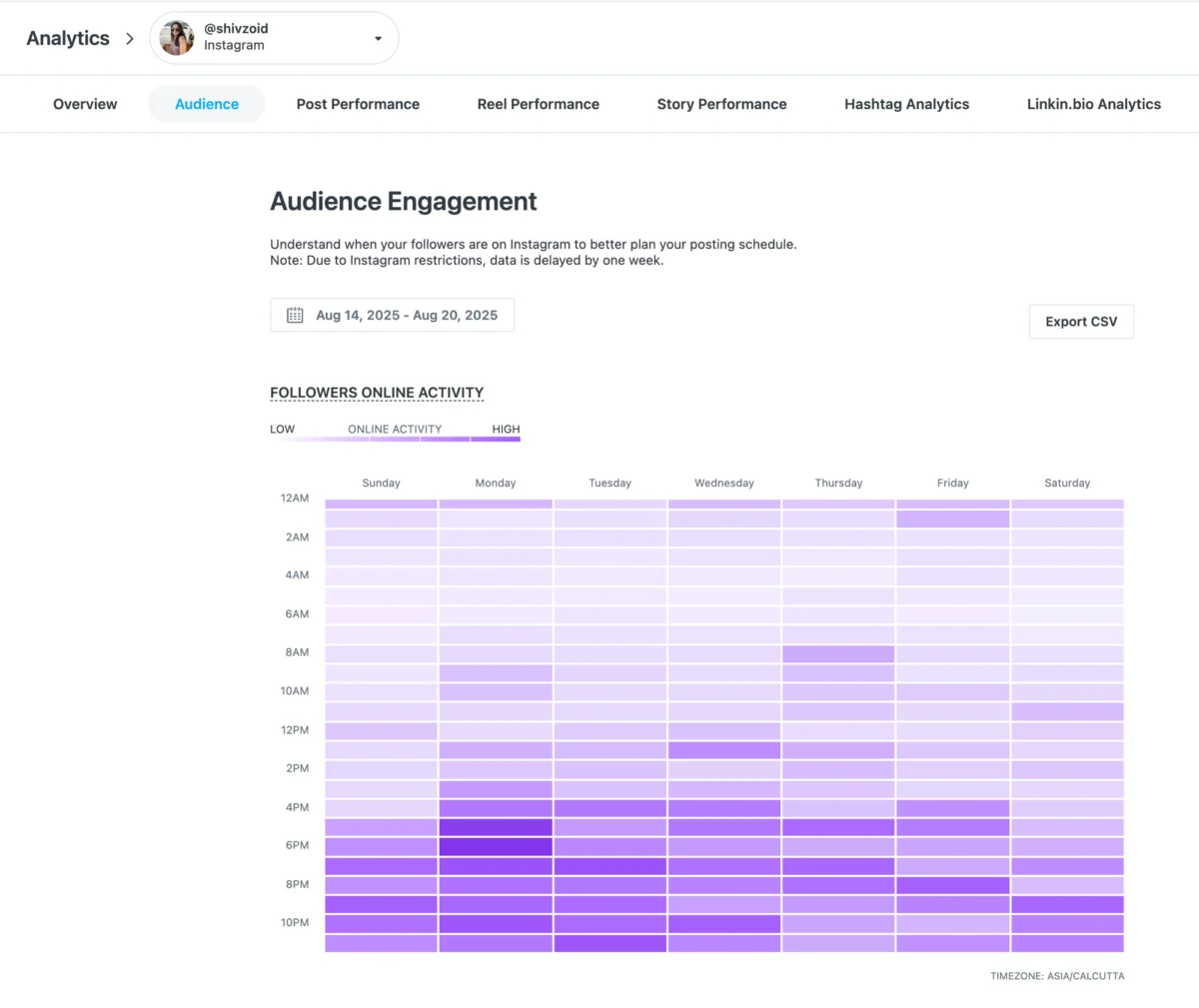
| Post at Optimal Times | Moderate | Moderate | Low (Scheduled) | Maximizes initial algorithmic velocity |
| Utilize Instagram Live | Moderate | High | High | Real-time push notifications to followers |
As demonstrated by the data, engagement tactics such as replying to comments yield a measurable 21 percent increase in overall engagement. This interaction loop signals to the algorithm that an account fosters active community dialogue, thereby increasing the likelihood of content recommendations to secondary networks.
Industry Perspectives and Expert Analysis
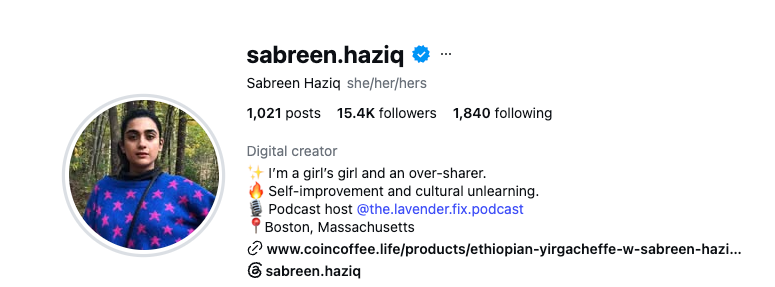
Digital marketing professionals emphasize that audience alignment supersedes raw audience size when measuring the success of a growth campaign. Natasha Pierre, creator and host of the Shine Online Podcast, notes that the pursuit of viral reach often misleads content creators into attracting unengaged audiences.
"People often focus so much on going viral and reaching as many people as possible that they lose sight of the ideal follower they’re trying to reach," Pierre stated. "You could go viral today, and if you’re reaching mostly the wrong people, chances are it won’t result in them following you. Even if they do, it leads to Instagram followers who aren’t engaged."
Pierre advocates for the establishment of targeted content pillars situated at the intersection of creator expertise, audience pain points, and genuine personal interest. By defining specific brand aesthetics and tonal voices, creators enable their audience to instantly recognize and recall their content amidst a crowded feed.
Furthermore, industry experts caution against shortcuts such as purchasing followers. Acquired followers are invariably inactive or automated bot accounts that fail to interact with published content. This influx of disengaged profiles depresses the account’s overall engagement rate, ultimately signaling to the algorithm that the content lacks intrinsic value and resulting in suppressed organic distribution.
Broader Implications and Strategic Implementation
The operational reality for modern social media managers is that sustainable audience expansion demands structured planning, resource batching, and cross-channel promotion. Relying solely on spontaneous inspiration is insufficient for maintaining the recommended three-to-five-post weekly cadence.
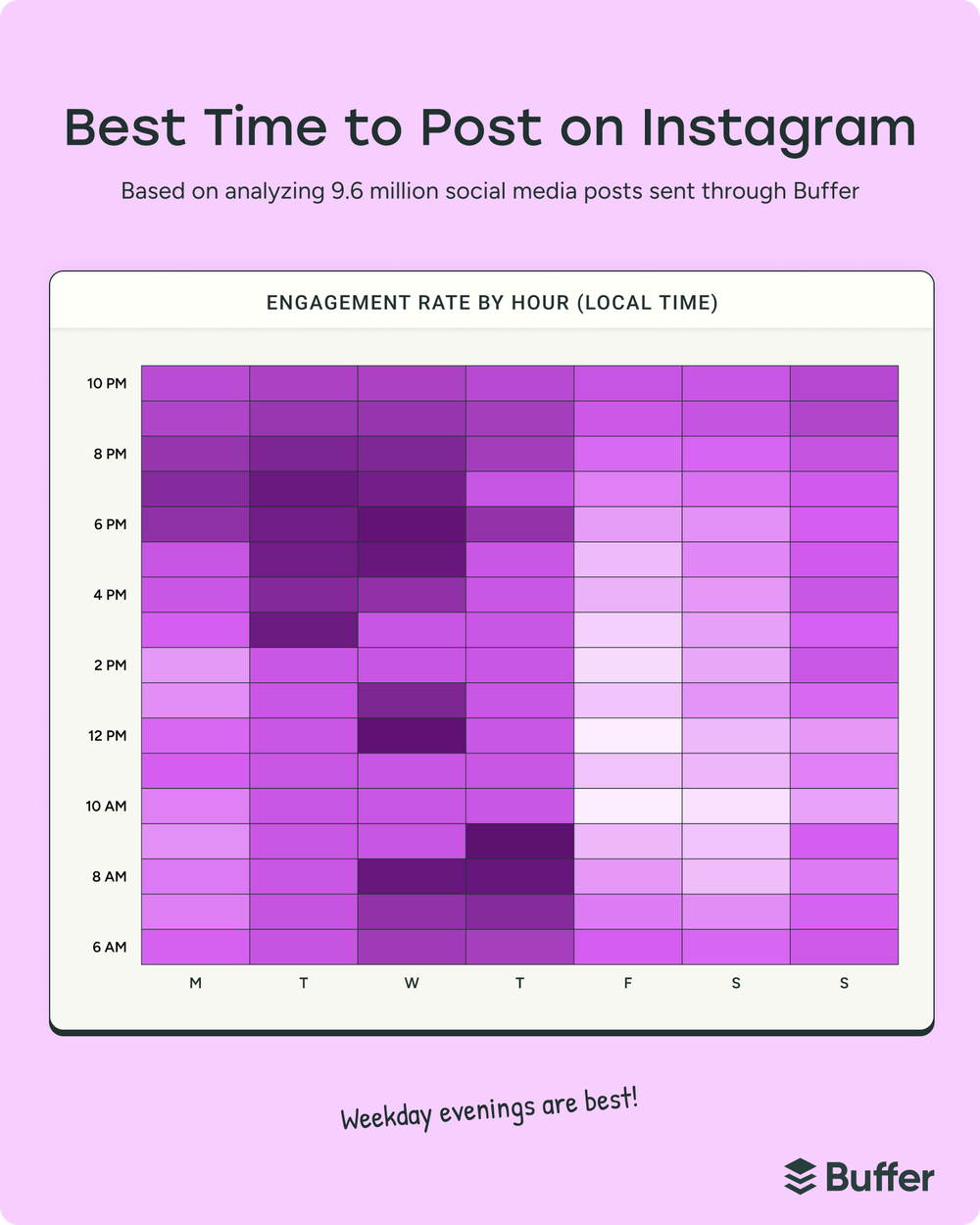
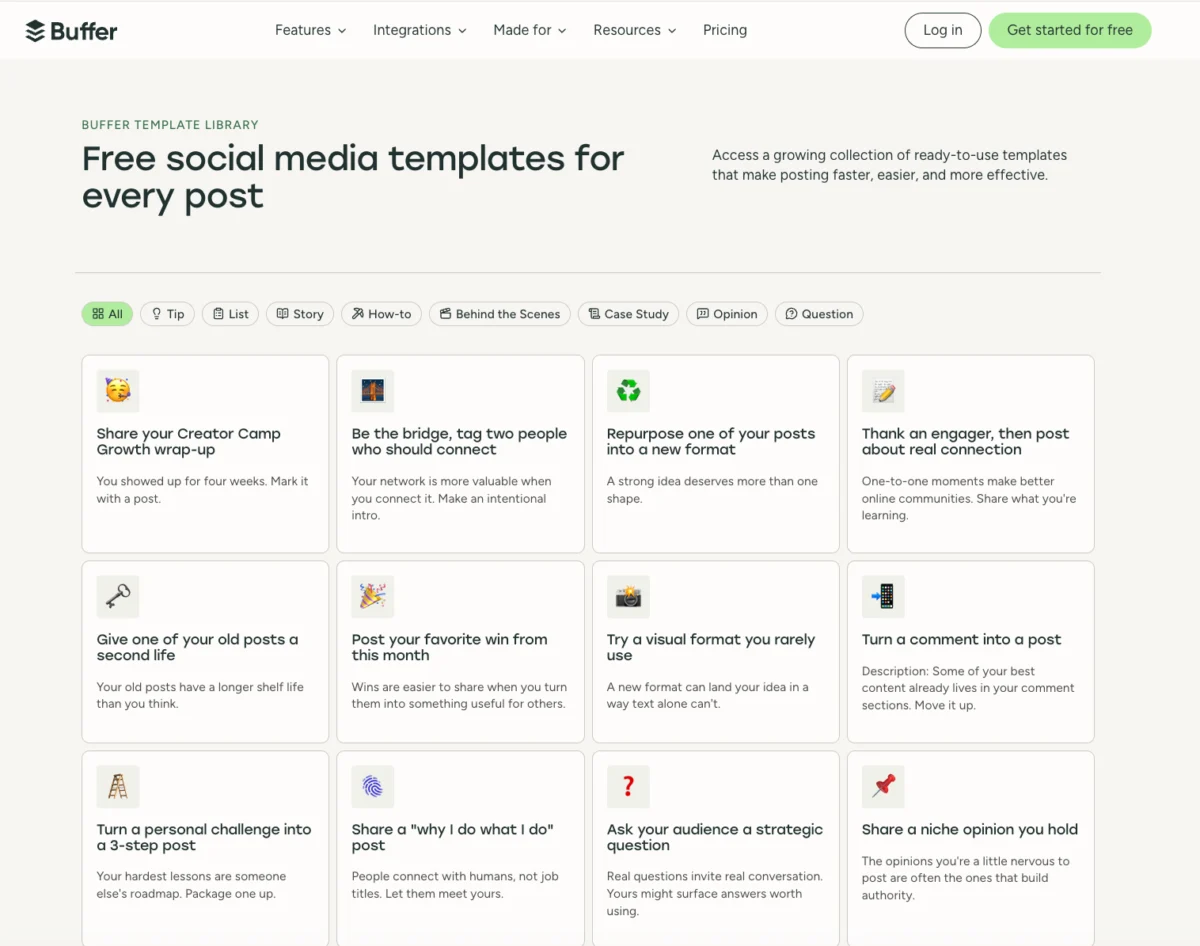
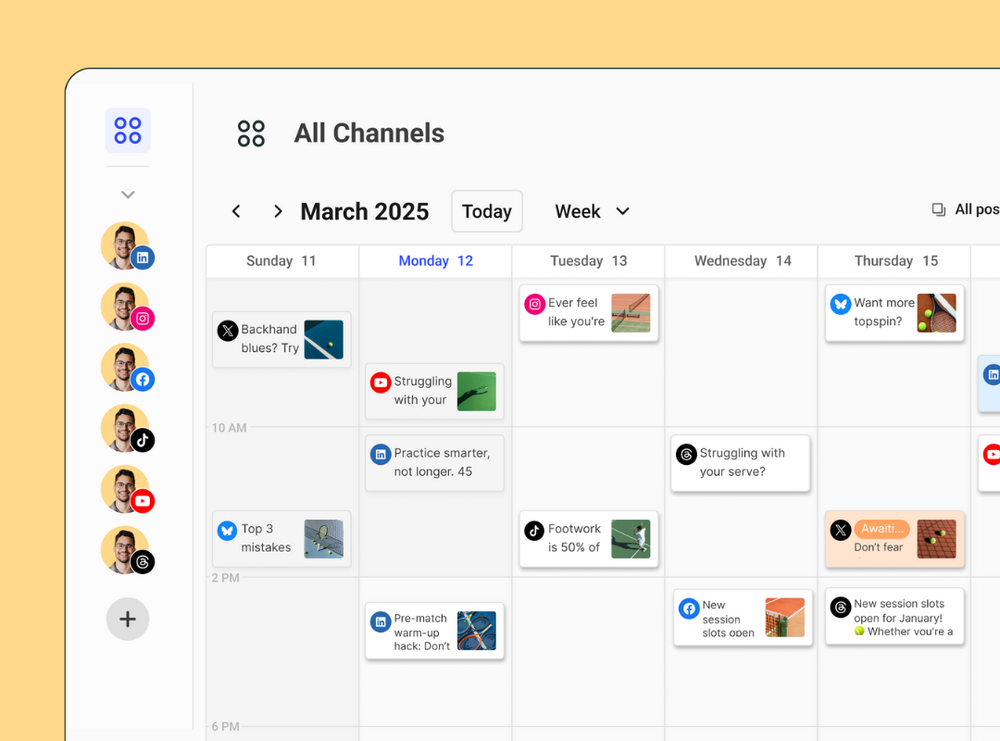
Organizations and individual creators increasingly rely on centralized social media management platforms—such as Buffer—to automate publishing workflows, monitor cross-platform analytics, and streamline community engagement from a single dashboard. By batch-creating content in advance and scheduling posts for optimal engagement windows (such as mid-week afternoons and evenings), marketers can maintain a consistent digital presence while mitigating the risk of burnout.
Ultimately, the transition toward organic, value-driven community building underscores a maturing digital ecosystem. As algorithms become more adept at filtering out artificial inflation and low-quality content, long-term success on Instagram belongs to those who prioritize authenticity, meticulous profile optimization, and consistent, data-informed engagement with their target audience.