

Modern digital marketing has evolved far beyond the spontaneous, real-time posting habits that characterized the early days of social media. Today, the constant demand for audience engagement, multi-platform visibility, and rapid content iteration has transformed content planning into a sophisticated administrative science. For solo creators, small business owners, and large corporate enterprises alike, switching manually between native applications to publish updates introduces significant workflow friction. To mitigate this inefficiency, digital marketers increasingly rely on centralized social media scheduling tools to batch content, maintain consistent brand visibility, and streamline operations.
The shift toward structured content batching—a methodology where marketers produce and schedule weeks of content in advance—has fundamentally altered how digital strategies are executed. Rather than spending valuable hours each day hopping across disparate platforms to hit publish, professionals now load centralized queues that handle distribution automatically. This structural change shifts human capital away from last-minute execution and toward high-level strategy, community engagement, and creative development.

Understanding the Mechanics of Social Media Scheduling Tools
Social media scheduling tools operate as centralized dashboards or software applications that allow users to draft, organize, and schedule posts ahead of time, automating the delivery process on specified dates. Beyond simple timing automation, contemporary platforms have expanded their capabilities to encompass comprehensive campaign management, asset storage, and performance tracking.
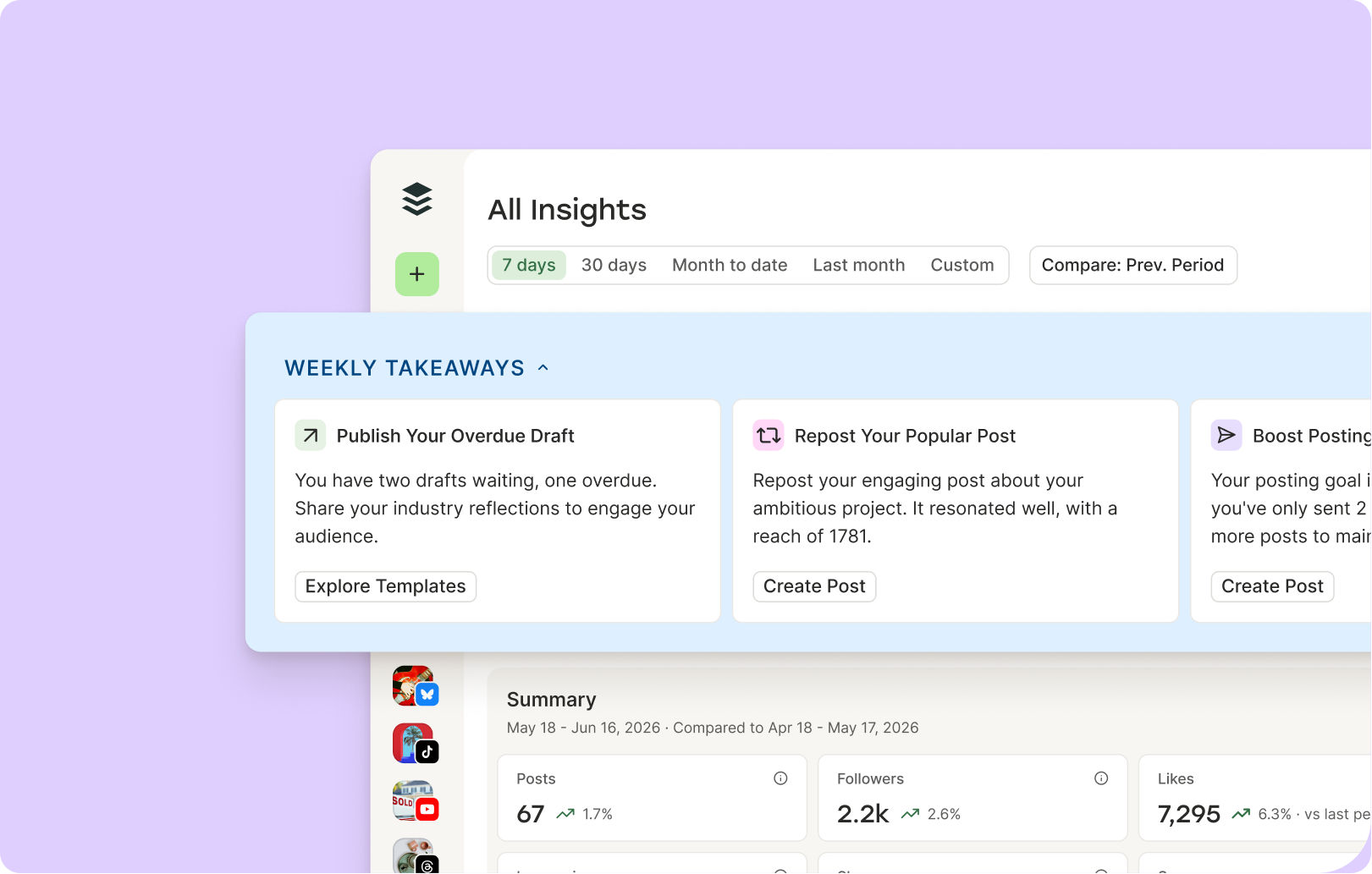
The core infrastructure of most social media management platforms typically includes a visual content calendar, bulk-scheduling capabilities, team collaboration frameworks, centralized media libraries, and analytics suites. However, the market is sharply segmented by user needs. While a solo content creator may only require a basic queueing system to manage two or three networks, an enterprise marketing agency juggling dozens of global client accounts demands granular role permissions, multi-tiered approval workflows, and deep reporting metrics.
A Comparative Overview of Industry-Leading Scheduling Platforms
To navigate the crowded marketplace of digital planners, organizations must evaluate software offerings based on workflow requirements, pricing structures, and core competencies.
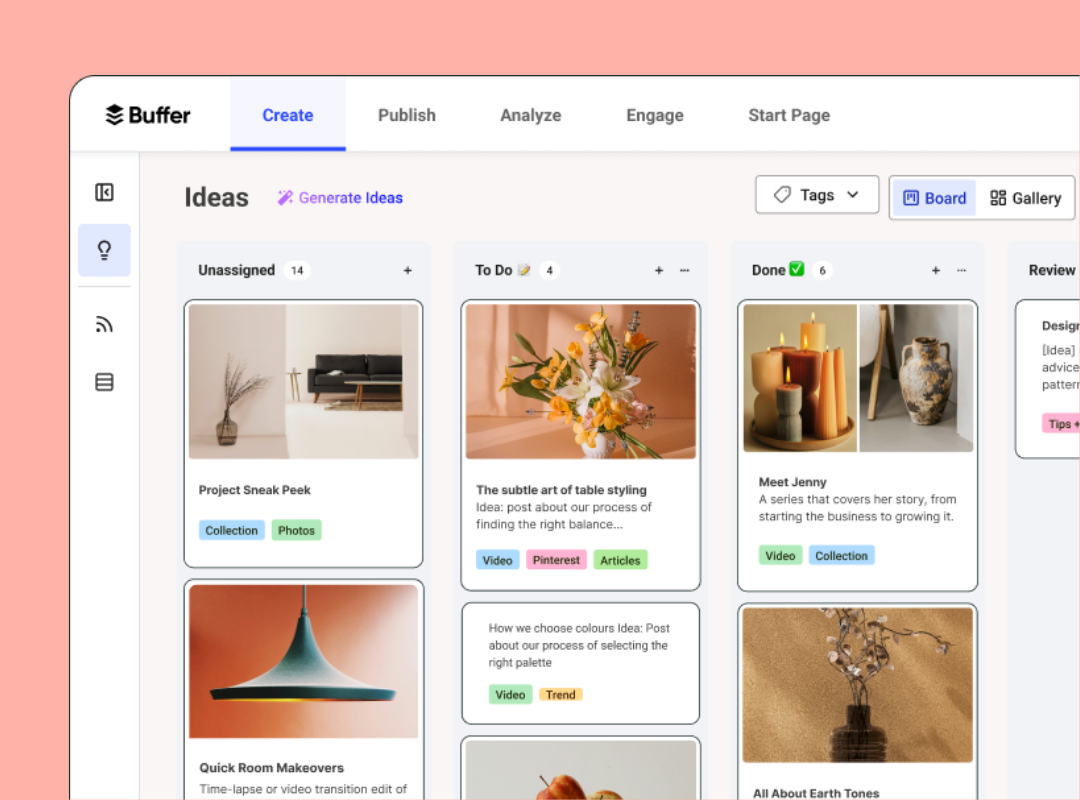
Buffer remains a prominent choice for individual creators, consultants, and small teams seeking a streamlined, distraction-free interface. Offering a free tier that supports up to three channels with limited scheduled posts, Buffer emphasizes simplicity and reliability, minimizing feature bloat to help users maintain consistent posting schedules.
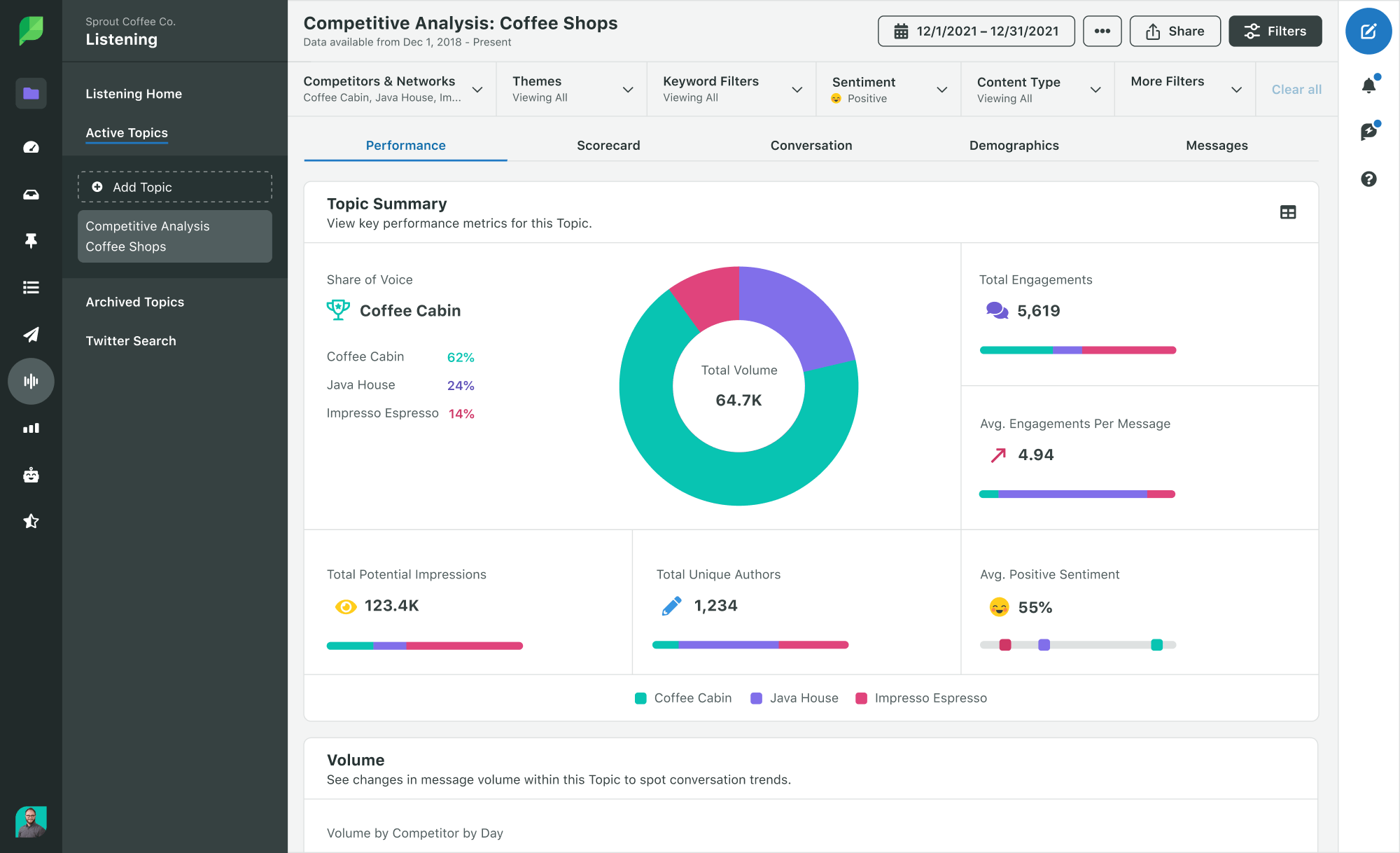
For enterprise-level operations, Sprout Social delivers robust publishing, listening, and analytics suites designed for large corporate brands and agencies. Although it commands a steep starting price of approximately $199 per seat per month with no free tier available, its advanced reporting and stakeholder controls provide necessary visibility for complex organizational structures.
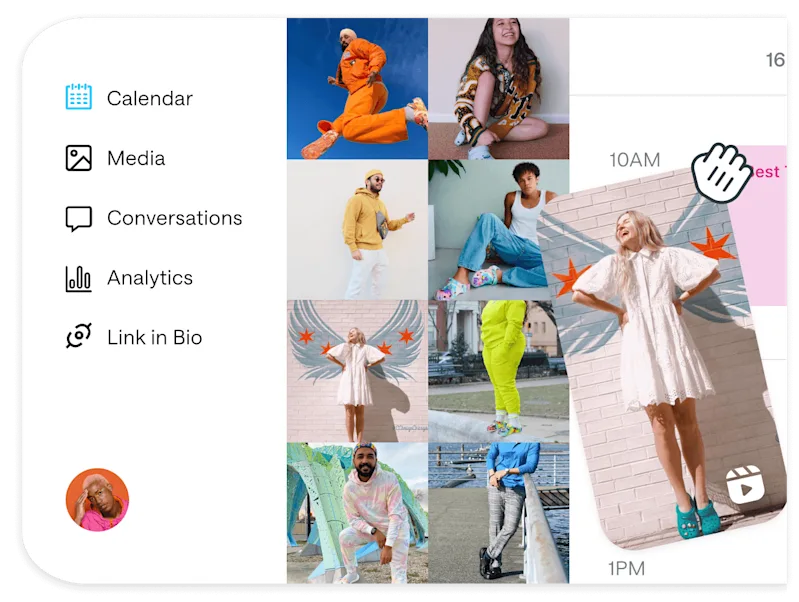
Visual-first brands often gravitate toward Later, a platform originally optimized for Instagram aesthetics. Later utilizes a drag-and-drop grid planner that allows marketers to preview their visual feeds across image-centric networks like TikTok, Pinterest, and Instagram before content goes live.
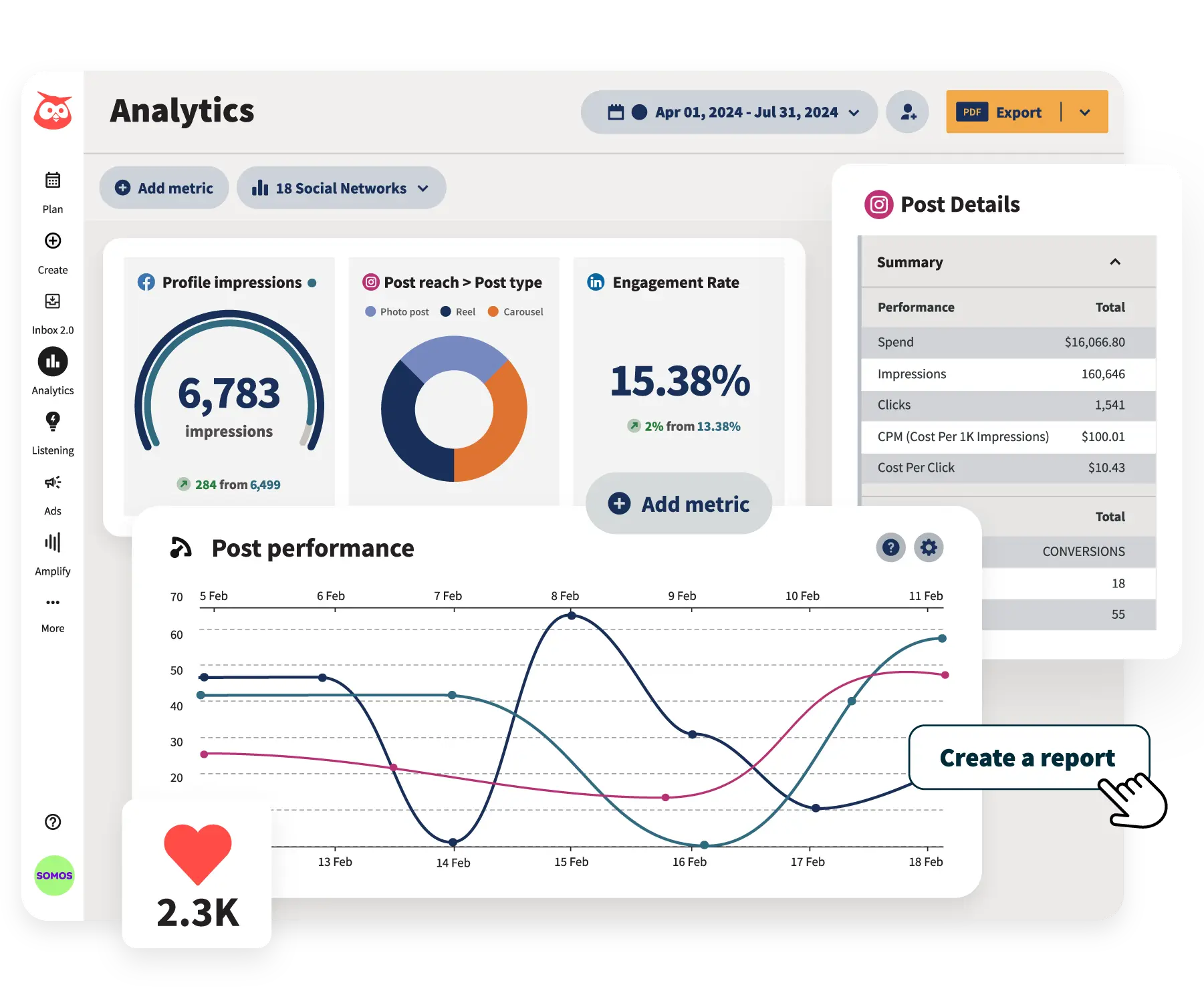
Hootsuite represents one of the longest-standing solutions in the industry, offering comprehensive cross-platform management at scale. Utilizing a stream-and-tab interface, Hootsuite suits larger marketing departments coordinating dense campaigns across numerous channels, despite its lack of a free tier and a starting price near $99 per month.
SocialBee caters specifically to marketers whose strategies rely heavily on evergreen content and curated post libraries. Its category-based scheduling engine organizes updates into distinct thematic buckets—such as educational tips or promotional case studies—and applies automated cadence rules to maintain a balanced feed.
Metricool appeals directly to data-driven marketers by pairing a traditional content calendar with real-time analytics, competitor tracking, and hashtag suggestions. Supporting a wide array of networks, including niche platforms like Twitch and Google Business Profile, Metricool offers a functional free tier alongside tiered pricing for heavier users.
Finally, Planable addresses the logistical challenges of agency-client relationships. By providing a feed-style interface that mirrors live network environments, Planable allows clients and internal stakeholders to review, comment on, and approve posts in real time, eliminating convoluted email threads and static PDF calendars.
Framework for Selecting the Appropriate Social Media Management Tool
Choosing the correct scheduler requires a methodical assessment of organizational workflows, resource allocations, and long-term marketing objectives. Industry analysts recommend evaluating prospective tools across five critical dimensions:
- Posting Routine and Volume: Organizations must analyze whether they publish content daily or batch-create weekly, as well as whether their strategy spans multiple platforms or remains concentrated on a single core network.
- Team Structure and Collaboration Needs: Solo operators require minimal administrative overhead, whereas multi-layered teams require role-based permissions, shared drafts, and internal review protocols to prevent miscommunication.
- Platform Compatibility: Marketers must ensure that a chosen tool supports their primary channels while offering the scalability required to expand into emerging platforms in the future.
- Advanced Functional Capabilities: Beyond basic publishing, organizations should assess whether a platform provides necessary auxiliary features such as unified social inboxes, searchable digital asset libraries, and AI-assisted drafting tools.
- Pricing Models and Scalability: While free tiers provide excellent opportunities for initial software testing, businesses must project how subscription costs will scale as team sizes expand and additional social profiles are integrated.
The Broader Implications of Automated Content Scheduling
The widespread adoption of social media scheduling tools reflects a broader maturation of the digital marketing industry. As algorithms prioritize consistency, algorithmic stability, and high engagement rates, manual posting has become increasingly unviable for professional communicators.
By removing the daily administrative burden of manual publishing, scheduling software enables marketing professionals to approach content creation with greater intentionality. Rather than operating in a state of constant reaction, brands can utilize data-driven insights to refine their messaging, optimize posting times, and allocate resources toward high-impact creative initiatives. Ultimately, the integration of structured scheduling infrastructure transforms social media from a daily operational drain into a resilient, automated asset that sustains brand visibility in an increasingly crowded digital landscape.