The digital landscape of social media is in a perpetual state of flux, characterized by relentless shifts in platform features, opaque algorithm updates, and an ever-intensifying battle for audience attention. Much of this dynamic environment remains beyond the direct control of creators and businesses—factors such as algorithmic prioritization, the unpredictable virality of content, and the myriad ways users respond to posts are external forces. Yet, amidst this volatility, robust research consistently points to two fundamental actions that serve as reliable anchors for sustainable growth: consistent presence and active engagement with one’s audience. These principles, while seemingly straightforward, are increasingly recognized as the cornerstone of effective social media strategy as we move into 2026.
This analysis delves into the critical importance of these two pillars, dissecting the underlying mechanisms that make them effective, offering actionable strategies to fortify each aspect, and exploring additional layers of optimization, including posting frequency, optimal timing, and strategic format choices that are crucial for cultivating a thriving digital presence.

The Unyielding Power of Consistent Presence in a Volatile Digital Landscape
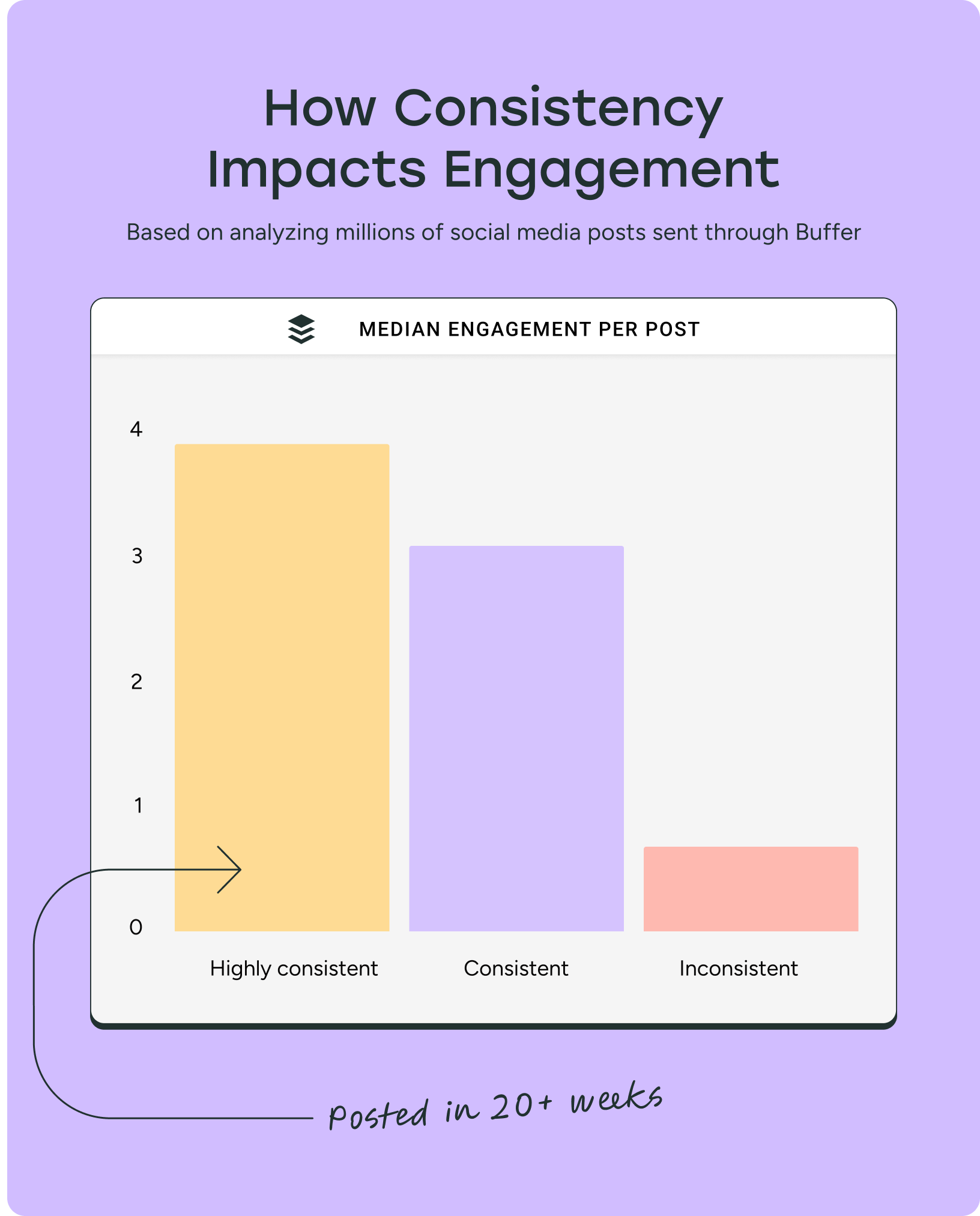
In an era defined by rapid content consumption and fleeting trends, the ability to consistently appear in an audience’s feed builds familiarity, trust, and anticipation. Buffer’s extensive research, spanning millions of posts and countless hours of analytical work, unequivocally identifies consistency as a paramount driver of long-term growth. This finding is not merely anecdotal; it is substantiated by a comprehensive study examining 26 weeks of posting behavior across more than 100,000 Buffer users. The data revealed that top-performing creators were not necessarily those chasing extreme volume or posting daily without fail, but rather those who maintained a regular, predictable presence.
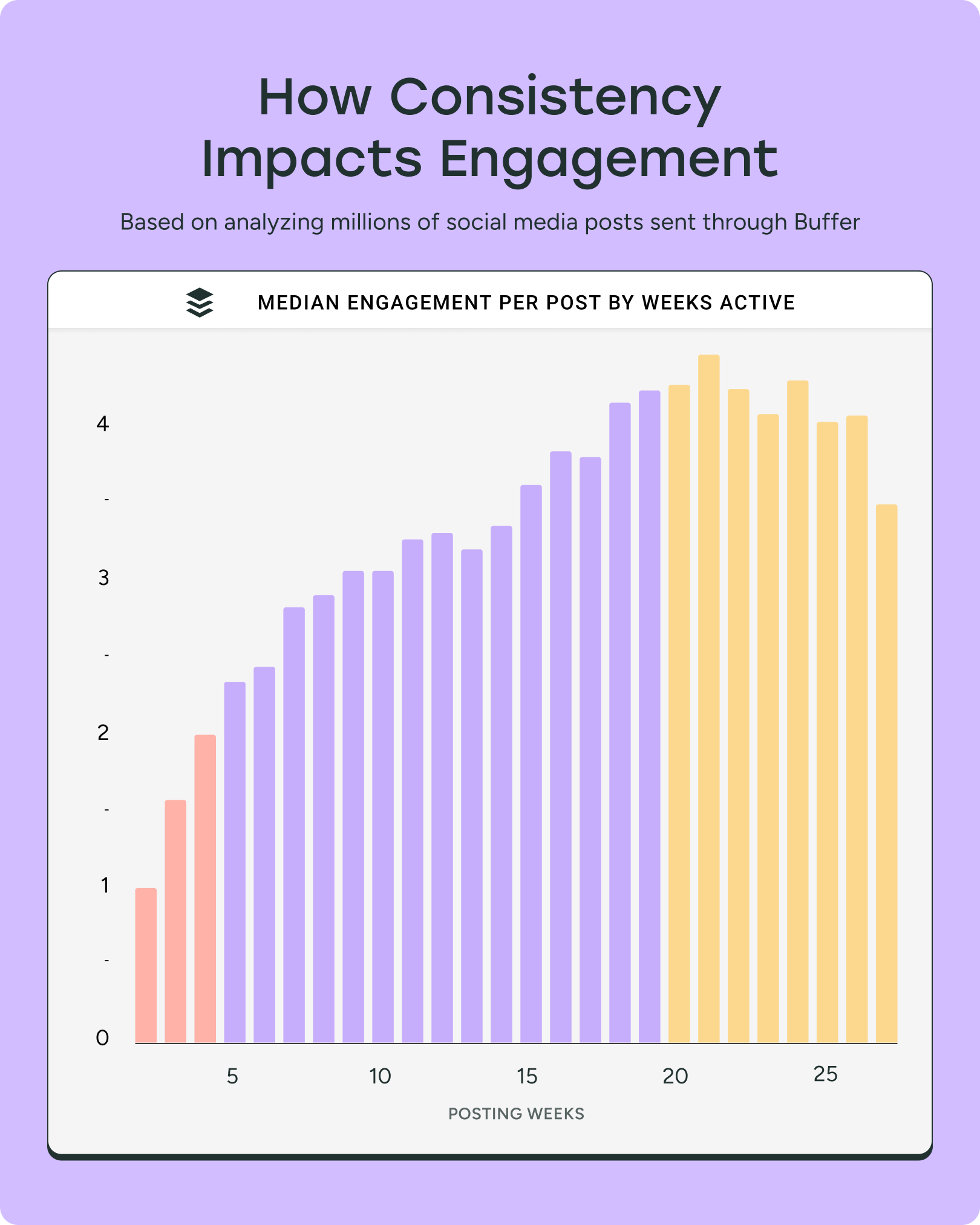
Specifically, creators who posted in 20 or more weeks out of the 26-week observation window experienced an extraordinary increase of approximately 450% in engagement per post compared to those who posted in four weeks or fewer. Even a moderate level of consistency yielded significant returns; creators posting in 5 to 19 weeks still saw an impressive 340% more engagement per post than their sporadic counterparts. This compelling evidence underscores a pivotal insight: the objective is not to adhere to an unachievable daily schedule but to establish a sustainable rhythm that can be maintained over time. The study further indicated that while posting consistently over 20 weeks delivers the highest engagement, the returns begin to diminish beyond this threshold, emphasizing quality and sustainability over sheer, exhaustive volume.
The rationale behind consistency’s profound impact is multifaceted. From an algorithmic perspective, platforms are designed to favor active users who contribute regularly, as this signals a reliable source of content that keeps users engaged on the platform. Consistent posting also helps algorithms understand a creator’s niche and audience, enabling more accurate content distribution. For the audience, a predictable presence fosters a sense of reliability and expectation. It helps build "brand memory," ensuring that a creator remains top-of-mind amidst the deluge of daily content. This regularity cultivates loyalty, as followers come to anticipate new content, strengthening the bond between creator and community.
Achieving consistency without succumbing to burnout requires strategic planning. Practical approaches include developing a robust content calendar, batching content creation (e.g., dedicating a specific day to film multiple videos or write several posts), repurposing existing content across different platforms and formats, and utilizing scheduling tools to automate publication. The goal is to establish a manageable routine that allows for continuous, high-quality output without overwhelming resources.
Cultivating Authentic Connections: The Algorithmic and Human Imperative of Engagement
While consistency provides the structural framework for growth, active engagement serves as the dynamic engine that fuels it. Social media, at its core, is designed for interaction, and the act of replying to comments stands out as one of the simplest yet most overlooked strategies for fostering growth. The common focus on generating engagement often overshadows the critical importance of what transpires after content is published. When creators respond to comments, they transmit a powerful signal to both their audience and the platform’s algorithms.
Buffer’s research, based on an analysis of nearly 2 million posts, provides undeniable evidence of this phenomenon. Replying to comments was consistently associated with a clear and measurable performance uplift across all major social media platforms. While the specific gains varied by platform, the universal pattern demonstrated a significant increase in engagement rates for creators who actively interacted with their commenters. This "lift" represents the kind of performance enhancement that creators often spend months pursuing through trending content, novel formats, or complex posting hacks. Yet, it can be unlocked simply by engaging in genuine conversation with the audience that has already expressed interest.
The efficacy of engagement is rooted in a self-reinforcing loop. Replies generate further comments, which in turn send stronger quality signals to the platform’s algorithms. These signals can extend the lifespan of a post in users’ feeds, increasing its visibility and potential reach. Beyond the algorithmic mechanics, active engagement taps into the fundamental human desire for connection. A creator who responds to comments transforms a broadcast into a dialogue, creating tiny, meaningful moments of connection. These moments compound over time, building trust, increasing brand recognition, and cultivating a loyal base of followers who are more likely to return to and engage with future content.
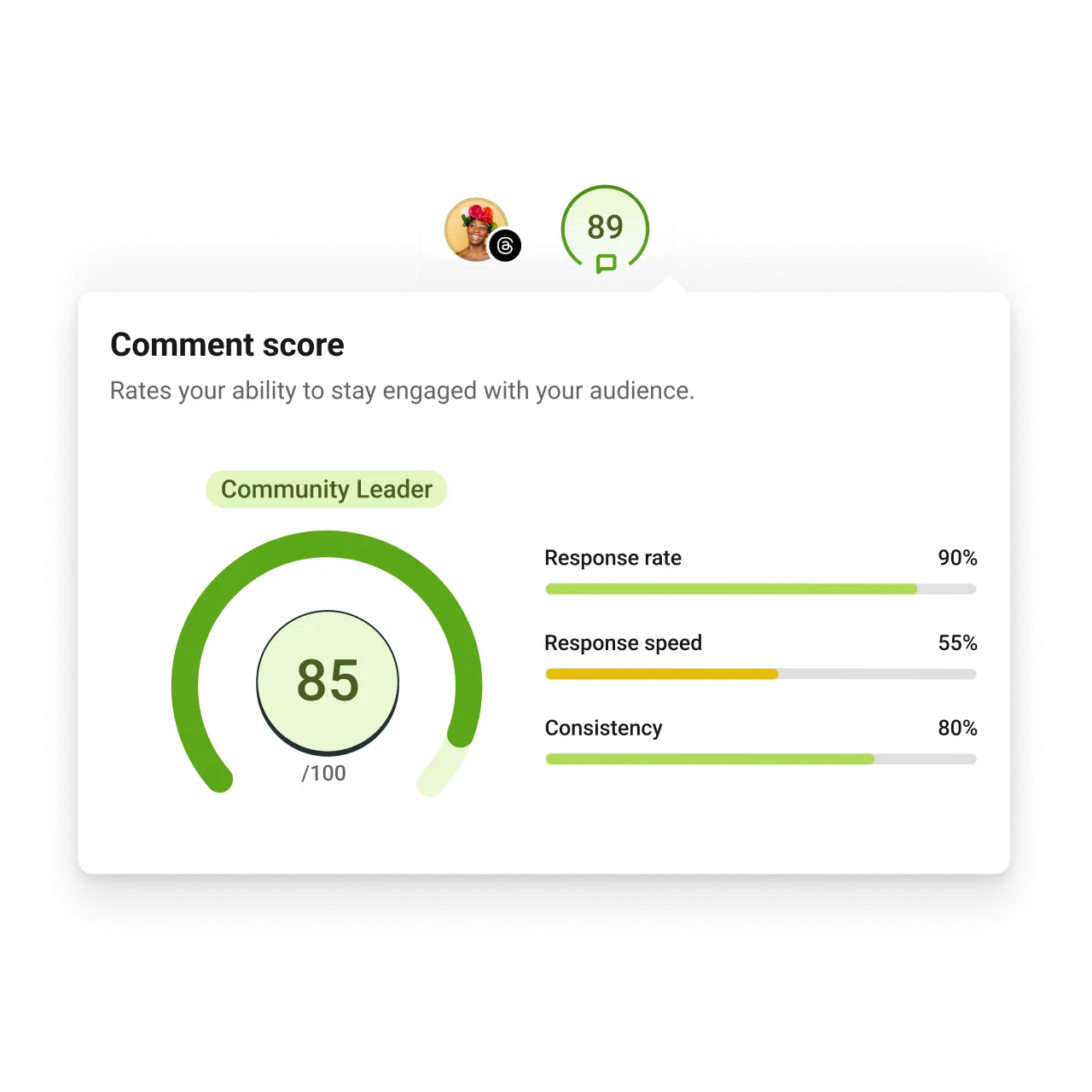
Integrating engagement into a daily workflow can be streamlined through dedicated tools. Platforms like Buffer, with features such as their "Community" dashboard, consolidate comments from various social media channels—including Instagram, Facebook, LinkedIn, Threads, X (formerly Twitter), TikTok, Google Business Profile, YouTube, and Mastodon—into a single, manageable interface. The "Comment Score" feature further gamifies this process, providing creators with measurable insights into their engagement efforts and encouraging consistent interaction.
Optimizing for Impact: Beyond the Foundational Pillars
Once the bedrock of consistency and engagement is firmly established, creators can layer in more nuanced strategies concerning how often, when, and what to post. These optimization levers can significantly sharpen a social media strategy and accelerate growth.
Strategic Posting Frequency by Platform:
While consistency is key, the ideal frequency varies considerably across platforms. Buffer’s research provides data-driven baselines for 2026:
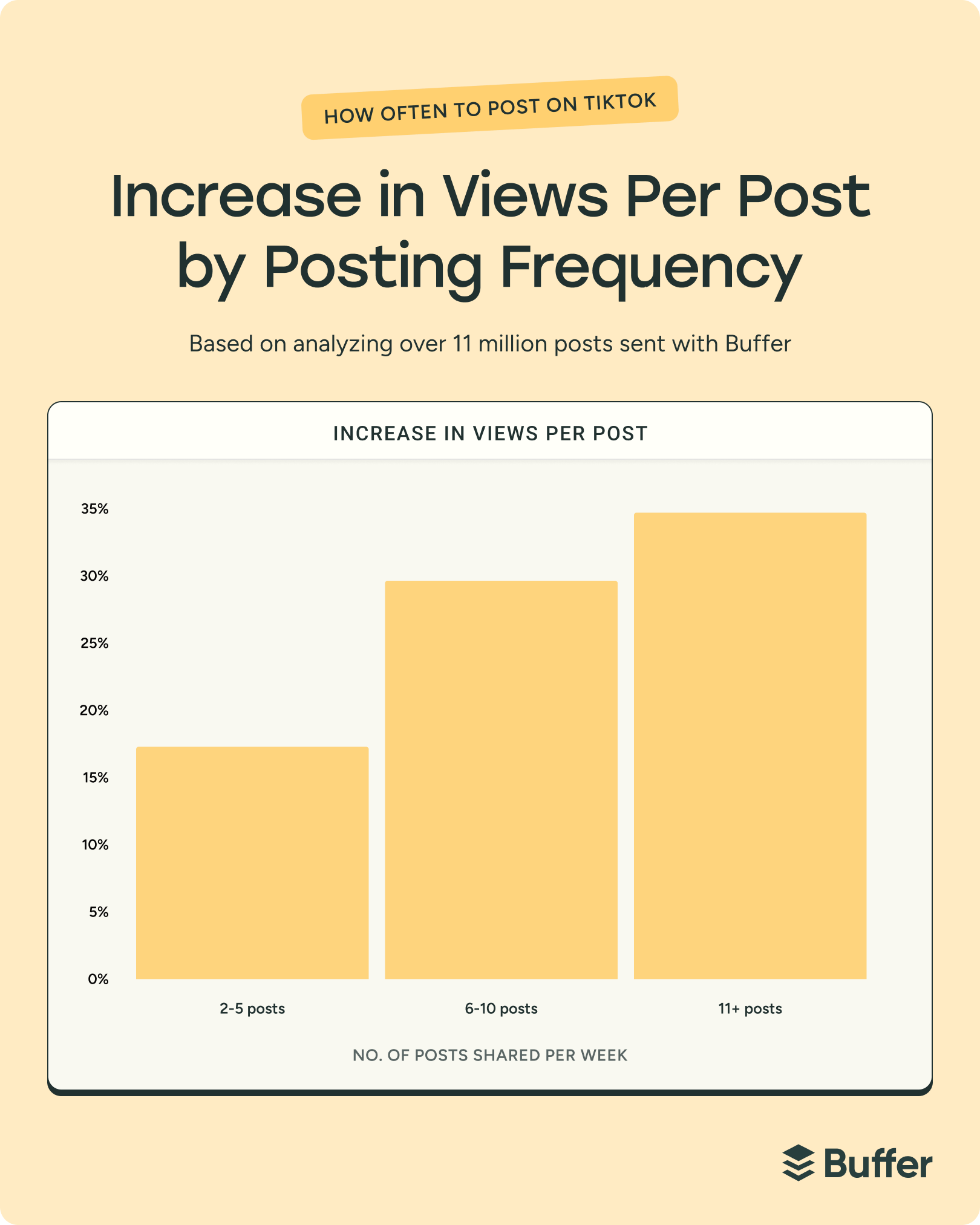
- TikTok: A substantial uplift in views per post is observed when moving from one post per week to two to five posts per week. Creators with higher capacity can see further gains at six to ten posts weekly, and even more at eleven or greater. However, diminishing returns begin to set in at the higher end, underscoring the importance of sustainable output.
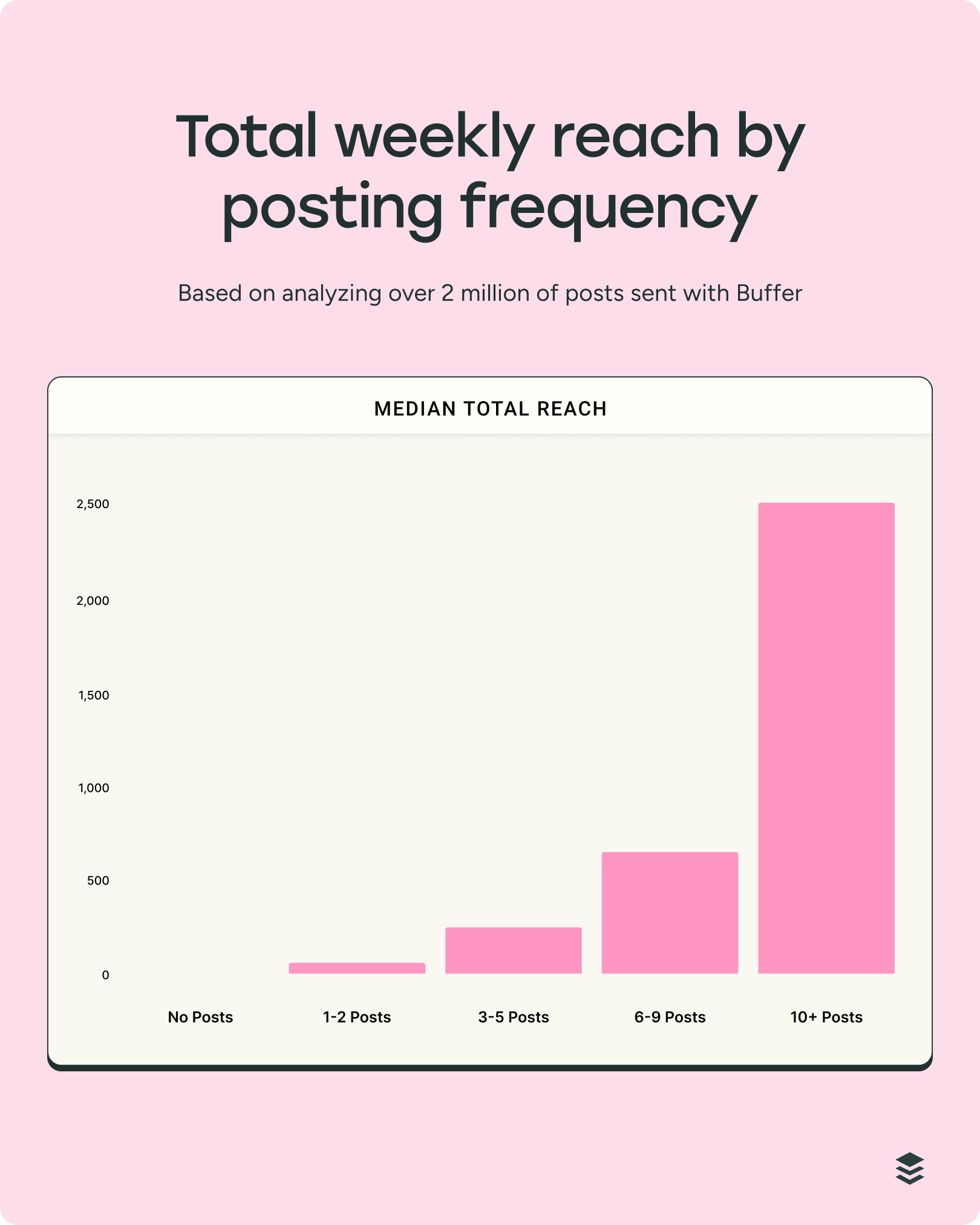
- Instagram: A minimum of one to two posts per week is necessary for visibility, but significant growth typically commences around three to five posts per week. Posting six to nine times weekly leads to notably faster follower growth and increased reach. While ten or more posts per week can accelerate this further, it demands robust content systems to prevent burnout.
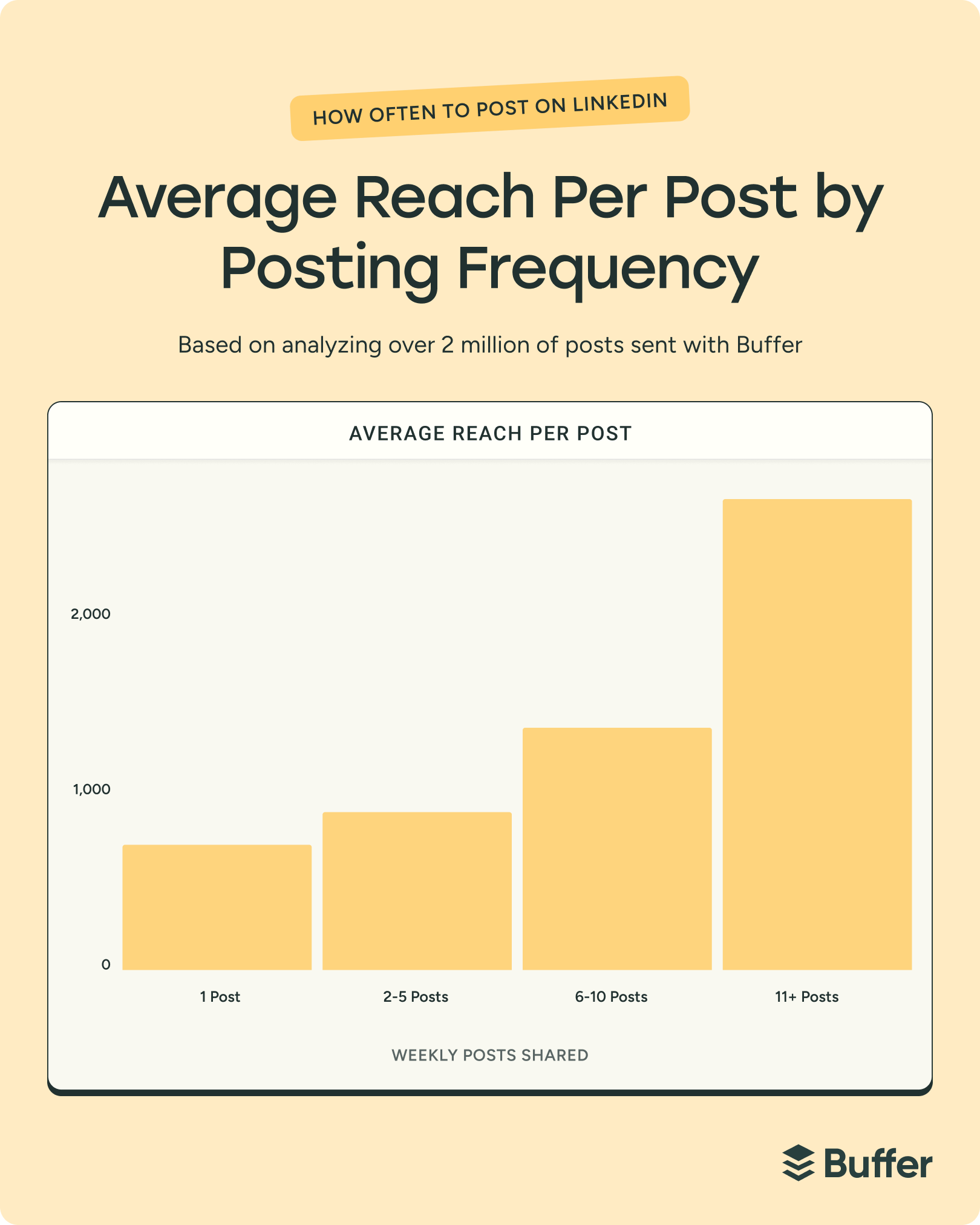
- LinkedIn: The platform rewards increased frequency, with the highest gains occurring when creators transition from one post per week to two to five posts weekly. Moving into the six to ten posts per week range results in even more pronounced lifts in impressions and engagement. Eleven or more posts per week can generate the strongest results, provided content quality remains high.
- Facebook: A HubSpot study of over 13,500 Facebook users suggests an optimal frequency of one to two posts per day.
- X (formerly Twitter): A general guideline suggests three to five posts per day, with three to four posts being a sustainable target for most creators and businesses.
- Threads: Successful Threads creators typically post anywhere from one to three or more times per day, with replies to other users’ posts also contributing to this activity metric.
Optimal Timing for Maximum Reach:
While consistency and engagement are foundational, strategic timing can provide an additional boost to content visibility. These are general guidelines, with specific audience data being the ultimate determinant:
- Facebook: 8 a.m. – 12 p.m. (weekdays)
- Instagram: 9 a.m. and 6 p.m. (weekdays)
- LinkedIn: 3 p.m. – 6 p.m. (Wednesday – Sunday)
- TikTok: 6 p.m. – 11 p.m. (daily), with additional peaks on weekend mornings.
- YouTube Shorts: 4 p.m. – 7 p.m. (Friday – Saturday)
- YouTube (long-form): 6 p.m. – 10 p.m. (Sunday – Tuesday)
- X (Twitter): 8 a.m. – 11 a.m. (weekdays)
- Threads: 7 a.m. – 12 p.m. (weekdays)
It is crucial to emphasize that timing should never compromise consistency or engagement. Optimal posting times serve to amplify strong content; they cannot compensate for a lack of foundational effort or poor content quality.
Content Format Strategy:
Different platforms inherently favor different types of content, and choosing the right format can significantly influence performance.
- TikTok: Short-form video remains dominant, driving the highest views and engagement. While carousels and text posts are gaining traction, mastering concise, attention-grabbing video clips and edits is paramount.
- Instagram: A diverse platform where carousels excel for engagement, Reels drive reach, and photo posts perform well with strong visuals. A balanced mix leveraging each format’s strengths is often most effective.
- LinkedIn: This professional network rewards content that delivers value, sparks conversation, or offers industry insights. Carousels currently achieve the highest engagement, with posts focused on learning, professional reflection, and community-building also performing strongly.
- Facebook: Images continue to lead in median engagement, registering around 5.2%. However, the gap between images, videos, and text posts has narrowed considerably, all clustering within a single percentage point. Links consistently underperform, aligning with the broader industry trend towards "zero-click" content designed to keep users on the platform.
- X (formerly Twitter): Despite its visual capabilities, text posts still command the most median engagement, outperforming images, videos, and link posts. Succinct, impactful text remains a core strength.
- Threads: Surprisingly for a text-centric platform, videos lead in engagement rate at 5.55%, significantly outperforming images and nearly doubling text posts. This highlights the evolving multimedia consumption habits across all platforms.
Strategic use of formats involves understanding both platform preferences and audience behavior. A creator should experiment with different formats, analyze their own performance data, and prioritize those that resonate most effectively with their specific audience while aligning with their content creation strengths.
A Sustainable Framework for Long-Term Growth
The overarching goal of any social media strategy should not be rapid, unsustainable "leveling up," but rather growth that is aligned with a creator’s energy, niche, and capacity. Regardless of individual circumstances or the specific platform, the two core actions that consistently drive progress—showing up regularly and actively engaging—remain constant. All other optimizations, such as frequency, timing, and format, serve as refinements to this foundational strategy.
Committing to consistency and engagement as non-negotiable elements of a creative workflow lays the groundwork for enduring success. While the social media landscape will undoubtedly continue to evolve, the human need for connection and reliable information will not. Creators who prioritize these principles position themselves for resilient, long-term growth, demonstrating that even in a highly competitive digital environment, authentic effort and strategic interaction continue to yield the most significant returns. This approach empowers creators of all sizes to build genuine relationships and cultivate thriving communities, proving that sustainable habits consistently outperform the pursuit of fleeting viral moments.