
 Indra Kusuma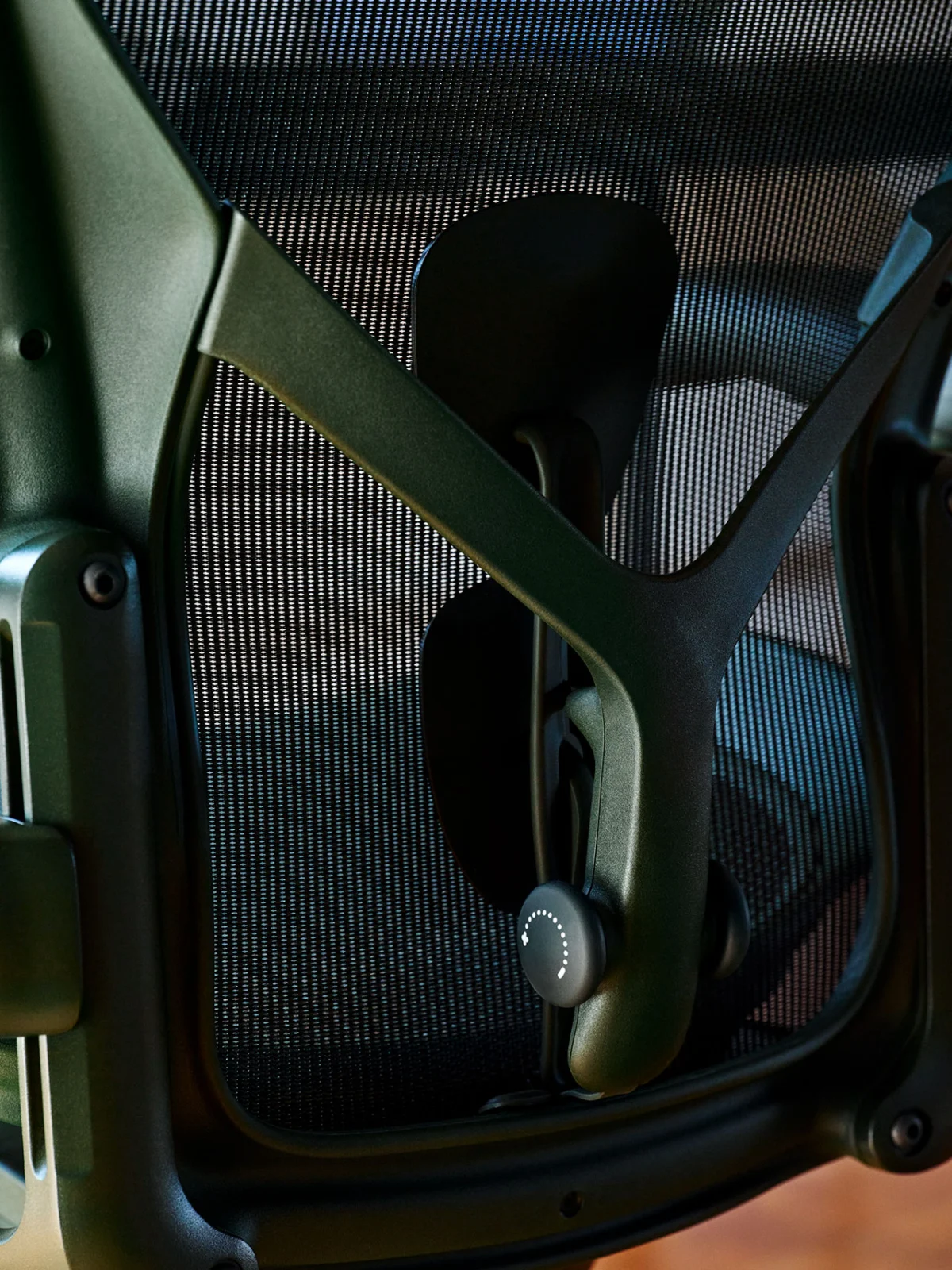
In an era increasingly defined by environmental consciousness and the imperative for sustainable practices, the Herman Miller Aeron Chair, a global icon of ergonomic design and American manufacturing prowess, has once again evolved. This latest iteration, building upon decades of groundbreaking design, introduces not only refreshed aesthetic options but also crucial systemic upgrades focused on reducing its environmental footprint. Herman Miller, a company long synonymous with visionary design and a commitment to human well-being, is now setting new benchmarks for sustainability within the high-performance office furniture sector, demonstrating that even widely recognized and meticulously engineered products can achieve further advancements in ecological responsibility without compromising on their celebrated durability or performance.
The Enduring Legacy of the Aeron Chair: A Paradigm of Ergonomic Design
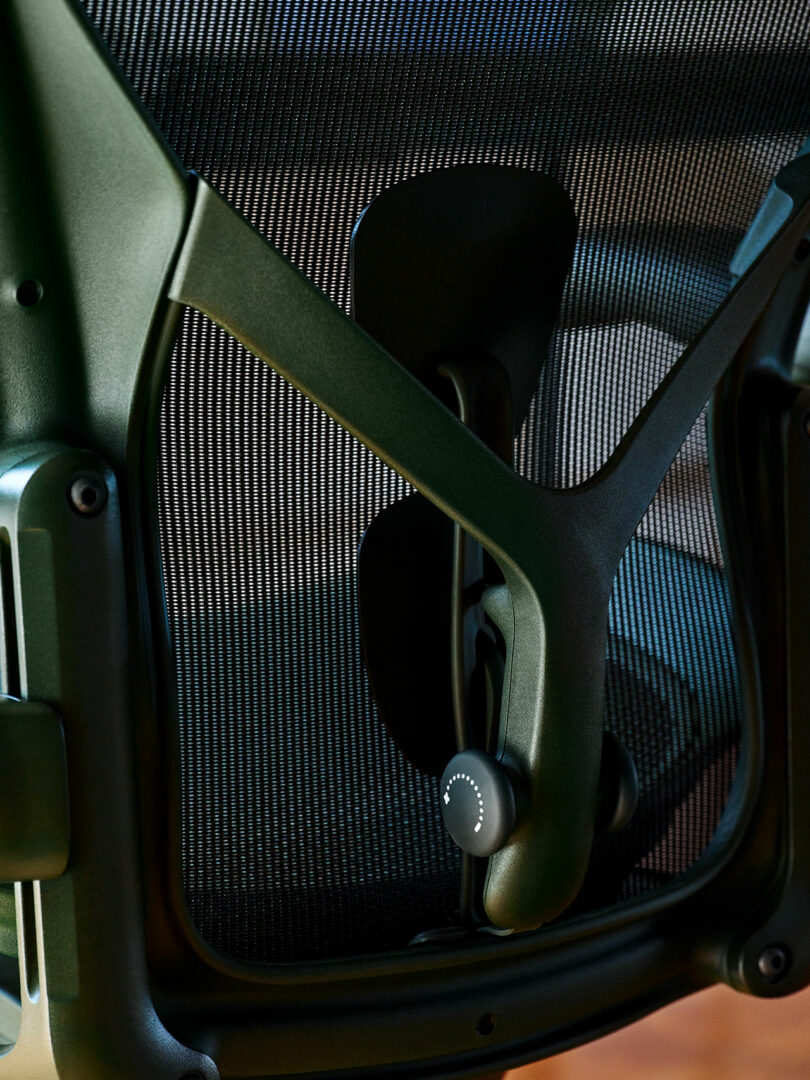
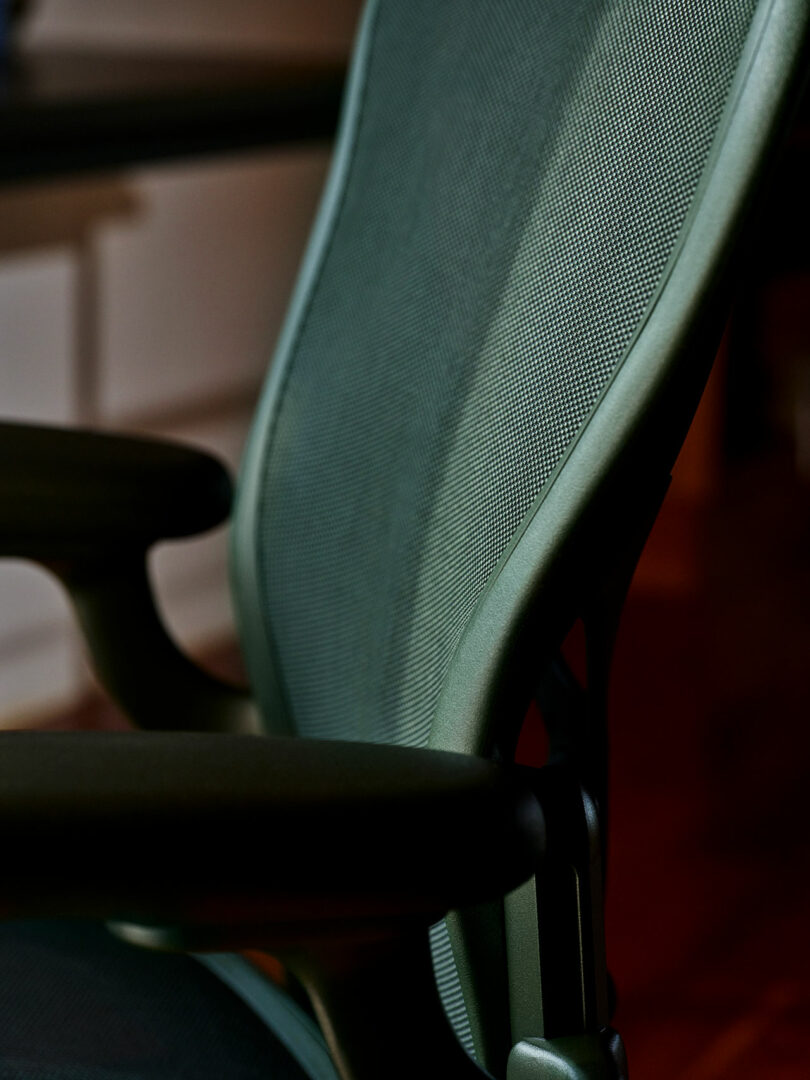
When the Aeron Chair was first introduced in 1994, it revolutionized the office furniture industry. Designed by Bill Stumpf and Don Chadwick, it defied conventional notions of office seating, eschewing traditional foam and upholstery for a pellicle weave that offered unprecedented breathability and dynamic support. The chair’s innovative design was not merely aesthetic; it was a testament to deep research into human anatomy and biomechanics. The concept of "holistic design," where every component and its interaction with the user is considered with meticulous detail, was central to its creation. From its adjustable PostureFit SL back support to its Kinemat Tilt mechanism, every aspect of the Aeron was engineered to create a harmonious relationship between the sitter and their task, alleviating strain on the body and, by extension, the mind.
The Aeron quickly transcended its utilitarian purpose, becoming a symbol of status and a well-earned reward in corporate environments globally. Its presence in boardrooms, startups, and home offices alike solidified its reputation as the pinnacle of American office design. It proved that an office chair could be more than just a piece of furniture; it could be a sophisticated tool for productivity and well-being. The chair’s customizable metrics, available in four standardized sizes (A, B, C, and a less common D size in some markets), ensure a precise fit for a wide range of body types, a feature that remains a cornerstone of its ergonomic appeal and broad adaptability.
Herman Miller’s Journey Towards Integrated Sustainability
Herman Miller’s commitment to sustainability is not a recent endeavor but rather an evolution rooted in the company’s foundational values. For decades, the Michigan-based manufacturer has recognized the profound impact of design on both people and the planet. This ethos extends beyond product functionality to encompass the entire lifecycle of its offerings—from material sourcing and manufacturing processes to product longevity and end-of-life recycling. The company’s pioneering efforts in environmental stewardship include early adoption of recycling programs, responsible forestry practices, and designing for disassembly long before these concepts became mainstream industry standards.
The current advancements with the Aeron Chair are a direct reflection of this long-standing commitment, amplified by a heightened global awareness of climate change and resource depletion. Herman Miller understands that true sustainability in action involves a complex interplay of manufacturing efficiency, responsible material selection, localized supply chains, and an unwavering dedication to durability. Their approach embodies the principle that the most sustainable product is often one that lasts the longest, thereby minimizing the need for frequent replacement and reducing waste.
The Latest Iteration: Combining Aesthetic Refinement with Systemic Environmental Upgrades
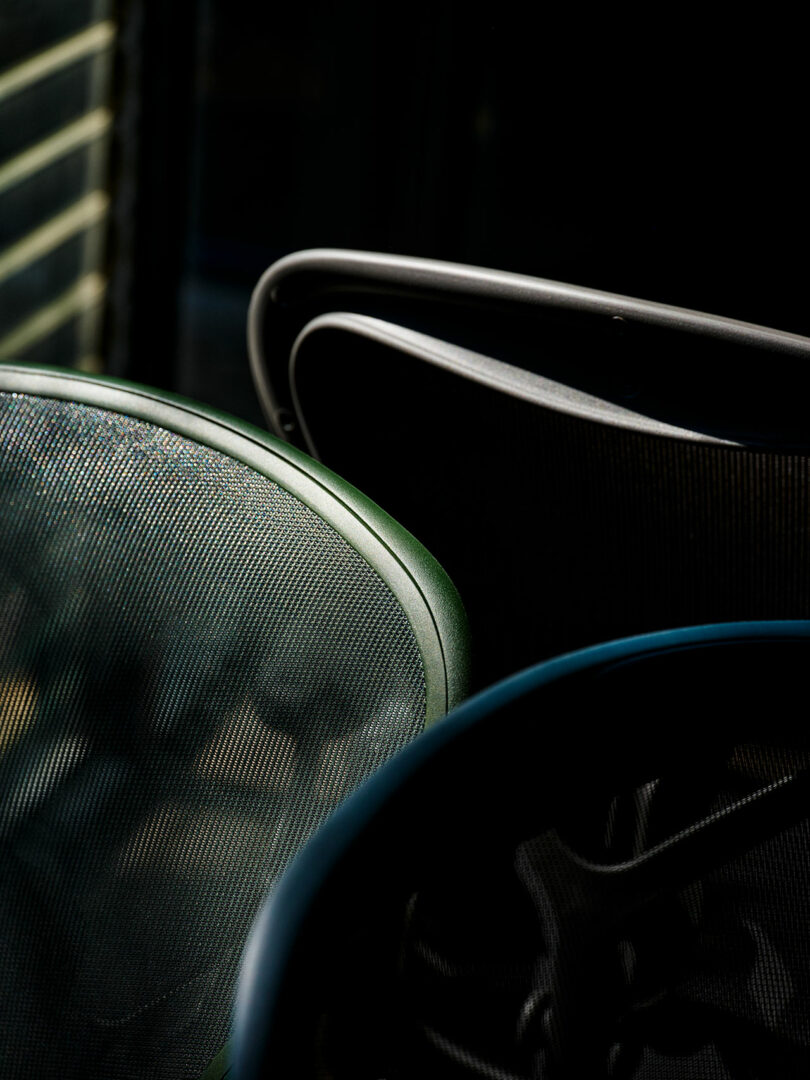
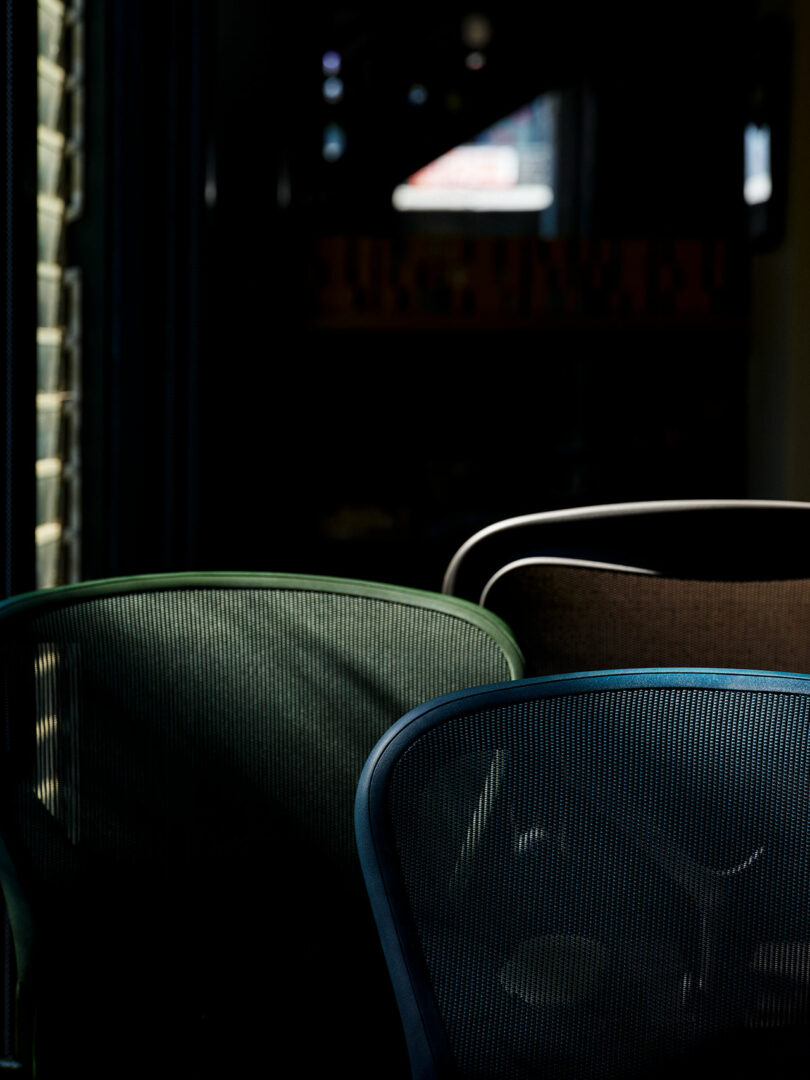
In this newest evolution, Herman Miller has meticulously refined the Aeron Chair, integrating both aesthetic enhancements and critical systemic upgrades. While the iconic form and unparalleled ergonomic performance remain, users can now choose from an expanded palette of colors and finishes, allowing for greater integration into diverse contemporary work environments, from vibrant collaborative spaces to sophisticated home offices. These aesthetic updates reflect current design trends while maintaining the timeless appeal that has defined the Aeron for decades.
Beyond the visual, the most significant advancements lie in the chair’s improved environmental profile. Herman Miller has leveraged cutting-edge research and material science to make substantial reductions in the chair’s carbon footprint and material usage. These changes are not superficial; they are deeply embedded within the product’s engineering and manufacturing processes, underscoring a holistic approach to sustainability that considers every stage of the product lifecycle.
Tangible Environmental Impact: Quantifying Carbon and Material Reductions
Herman Miller has reported impressive environmental gains since 2022, demonstrating the efficacy of their focused sustainability initiatives. The company has achieved carbon savings exceeding 7,000 metric tons. To put this figure into perspective, the U.S. Environmental Protection Agency’s (EPA) Greenhouse Gas Equivalencies Calculator indicates that this amount is equivalent to taking nearly 6,000 passenger vehicles off the road for an entire year. This substantial reduction in greenhouse gas emissions highlights the profound impact that design and manufacturing choices can have on mitigating climate change. Such a figure is not merely a number; it represents a tangible contribution to cleaner air and a healthier planet.
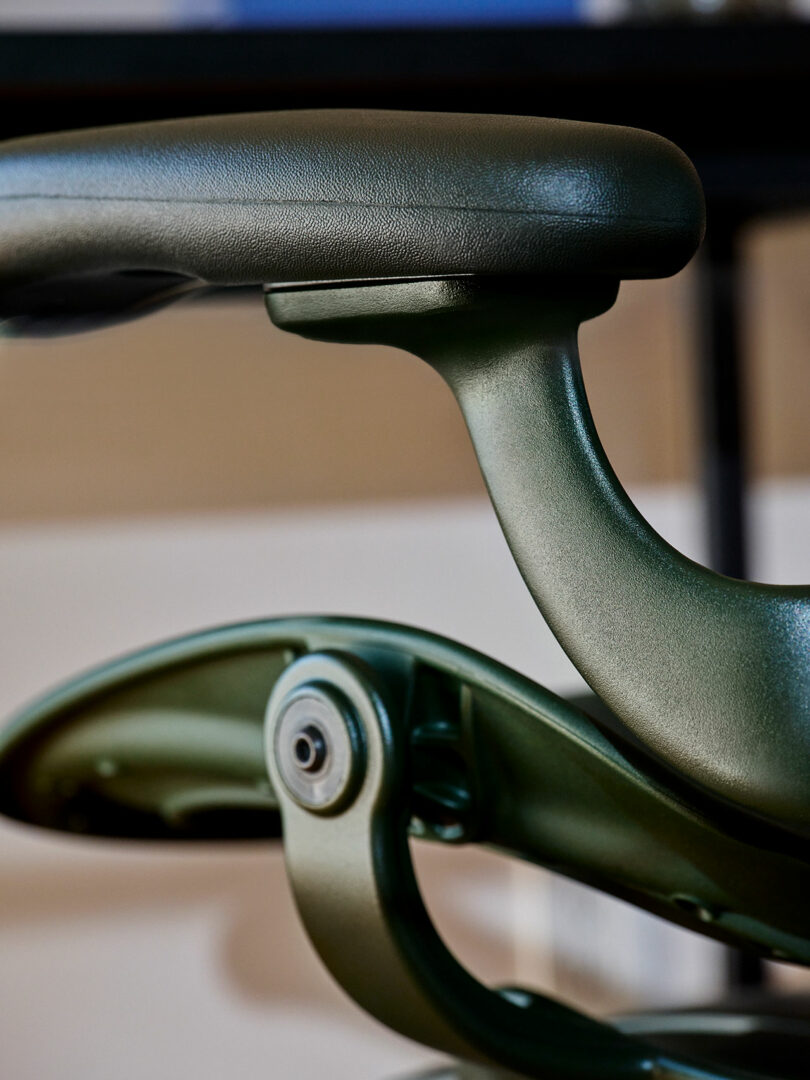
Furthermore, Herman Miller’s engineering teams have successfully reduced the material content in Aeron’s aluminum base by 1.85 pounds (0.84 kilograms) per chair. While this might seem like a modest reduction on a per-unit basis, the scale of Aeron’s production transforms this into a monumental achievement. Annually, this translates to enough aluminum saved to exceed the weight of 16 adult elephants. This specific example powerfully illustrates how seemingly small, incremental improvements, when applied across a large production volume, can lead to massive environmental benefits in terms of resource conservation and waste reduction. Aluminum production is energy-intensive, and reducing its virgin material demand, even if using recycled content, still carries an environmental cost. Therefore, simply using less material while maintaining structural integrity is a significant engineering and environmental triumph.
A crucial aspect of Herman Miller’s commitment to these environmental claims is transparency. The company proudly states that these numbers are backed by rigorous third-party studies. In an era where "greenwashing" is a growing concern, the verifiable nature of these claims provides invaluable credibility. Third-party verification ensures that the reported environmental benefits are accurate, reliable, and not merely self-proclaimed. This inspiring turn toward transparency sets a high standard for the industry, encouraging greater accountability and fostering trust among consumers and stakeholders who are increasingly scrutinizing the environmental credentials of the products they purchase.
The Broader Context: Sustainability in the Modern Design and Manufacturing Landscape
The advancements in the Aeron Chair are emblematic of a broader paradigm shift occurring within the design and manufacturing industries. Consumers are no longer content with merely aesthetically pleasing or functional products; they demand ethical sourcing, sustainable production, and corporate responsibility. This demand is driving innovation, pushing companies to rethink their entire operational frameworks.
Regulatory pressures are also playing an increasingly significant role. Governments worldwide are implementing stricter environmental regulations, carbon pricing mechanisms, and extended producer responsibility schemes, all of which incentivize companies to adopt more sustainable practices. Herman Miller’s proactive approach positions it favorably within this evolving landscape, demonstrating leadership rather than mere compliance.
Moreover, the concept of a "circular economy" is gaining traction, advocating for products to be designed for longevity, repairability, and eventual recycling, minimizing waste and maximizing resource utilization. The Aeron Chair, with its durable construction and thoughtful material selection, inherently aligns with many principles of the circular economy. Its longevity reduces the frequency of replacement, and the company’s ongoing efforts to integrate recycled content and reduce virgin material usage further solidify its place within this forward-thinking framework.
Industry Implications and Expert Perspectives
The updated Aeron Chair serves as a powerful case study for the entire furniture industry. It demonstrates that iconic, market-leading products can indeed undergo significant environmental improvements without sacrificing their core value proposition. This sends a clear message to competitors that sustainability is not a compromise but an imperative for continued relevance and leadership.
While Herman Miller has not released direct statements for this specific article, it can be inferred that spokespeople or sustainability officers would emphasize the company’s unwavering dedication to responsible design and manufacturing. A hypothetical statement might articulate: "Our commitment to sustainable innovation is deeply woven into the fabric of Herman Miller. The latest advancements in the Aeron Chair underscore our belief that exceptional design must coexist with profound environmental responsibility. We continuously challenge ourselves to push the boundaries of what’s possible, ensuring our products not only enhance human performance but also contribute positively to the health of our planet. The verifiable carbon and material reductions achieved with Aeron are a testament to our dedicated teams and our holistic approach to product lifecycle management."
Industry experts might react with commendation, noting Herman Miller’s consistent ability to innovate within its established product lines. A design critic might observe: "The Aeron Chair has always been a benchmark for ergonomic excellence. Its latest evolution, particularly the significant strides in sustainability, reaffirms Herman Miller’s position as a visionary leader. In an industry grappling with environmental challenges, this update provides a tangible example of how established brands can adapt, refine, and lead the way towards a more sustainable future without diluting their core identity."
The Future of Office Furniture: A Blend of Ergonomics, Aesthetics, and Ecology
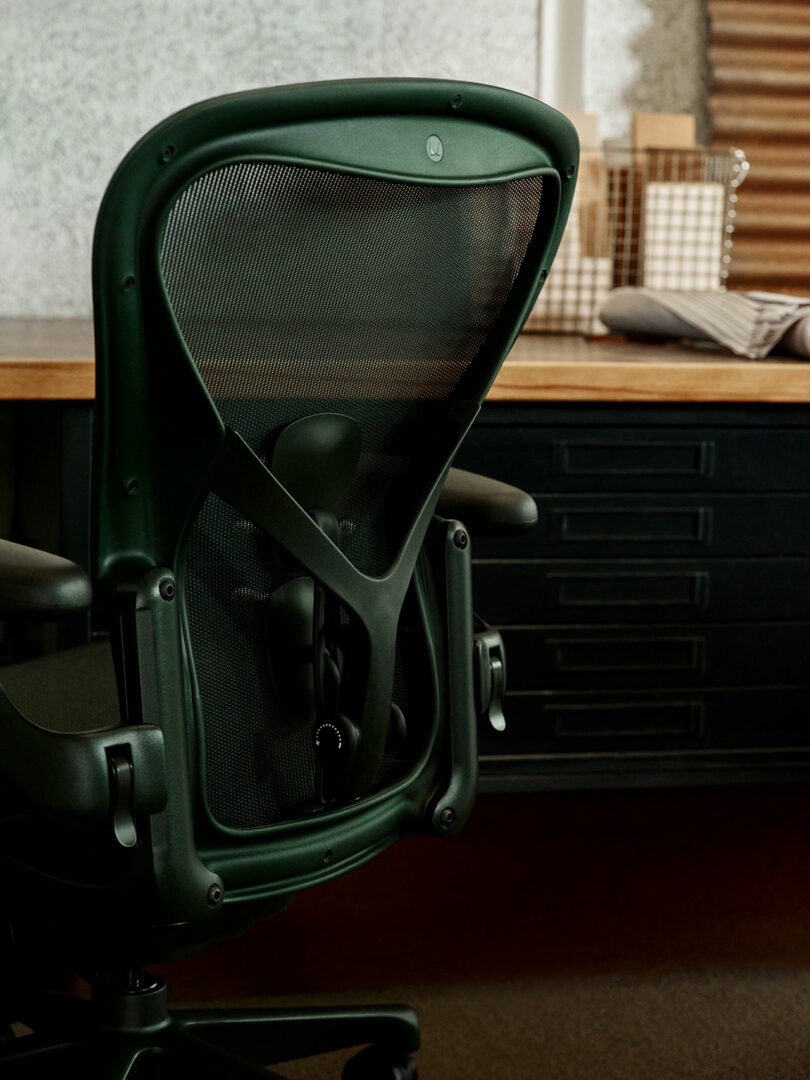
The ongoing evolution of the Aeron Chair highlights a critical truth: even the most ubiquitous and meticulously designed systems can be improved upon. In a world grappling with finite resources and a rapidly changing climate, the question of "could improvements be made upon a system that inherently changes slowly?" must always be answered with a resounding "yes."
Herman Miller’s investment in rigorous information gathering and third-party verification is not just good for their internal operations; it benefits the entire planet. The more data and transparency available regarding product lifecycles, material impacts, and manufacturing processes, the more empowered designers, manufacturers, and consumers become to make truly impactful decisions that will shape a more sustainable future.
The Aeron Chair, in its latest iteration, stands as a testament to the idea that peak performance, timeless aesthetics, and profound environmental responsibility are not mutually exclusive. It represents a continuous journey of innovation where human well-being and planetary health are inextricably linked, cementing its legacy not just as a marvel of ergonomic engineering, but as a vanguard of sustainable design for generations to come.
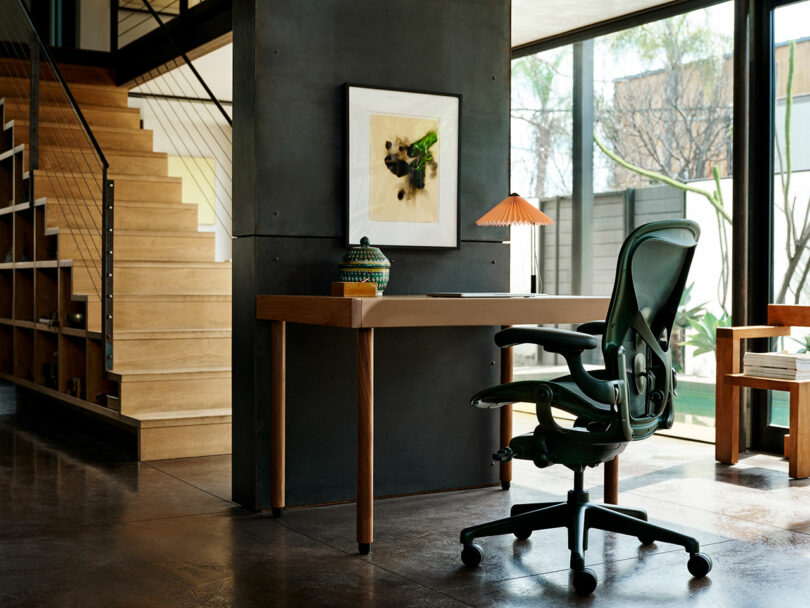
To explore the full spectrum of features and sustainability metrics of the Aeron Chair, prospective customers and design enthusiasts are encouraged to visit hermanmiller.com.
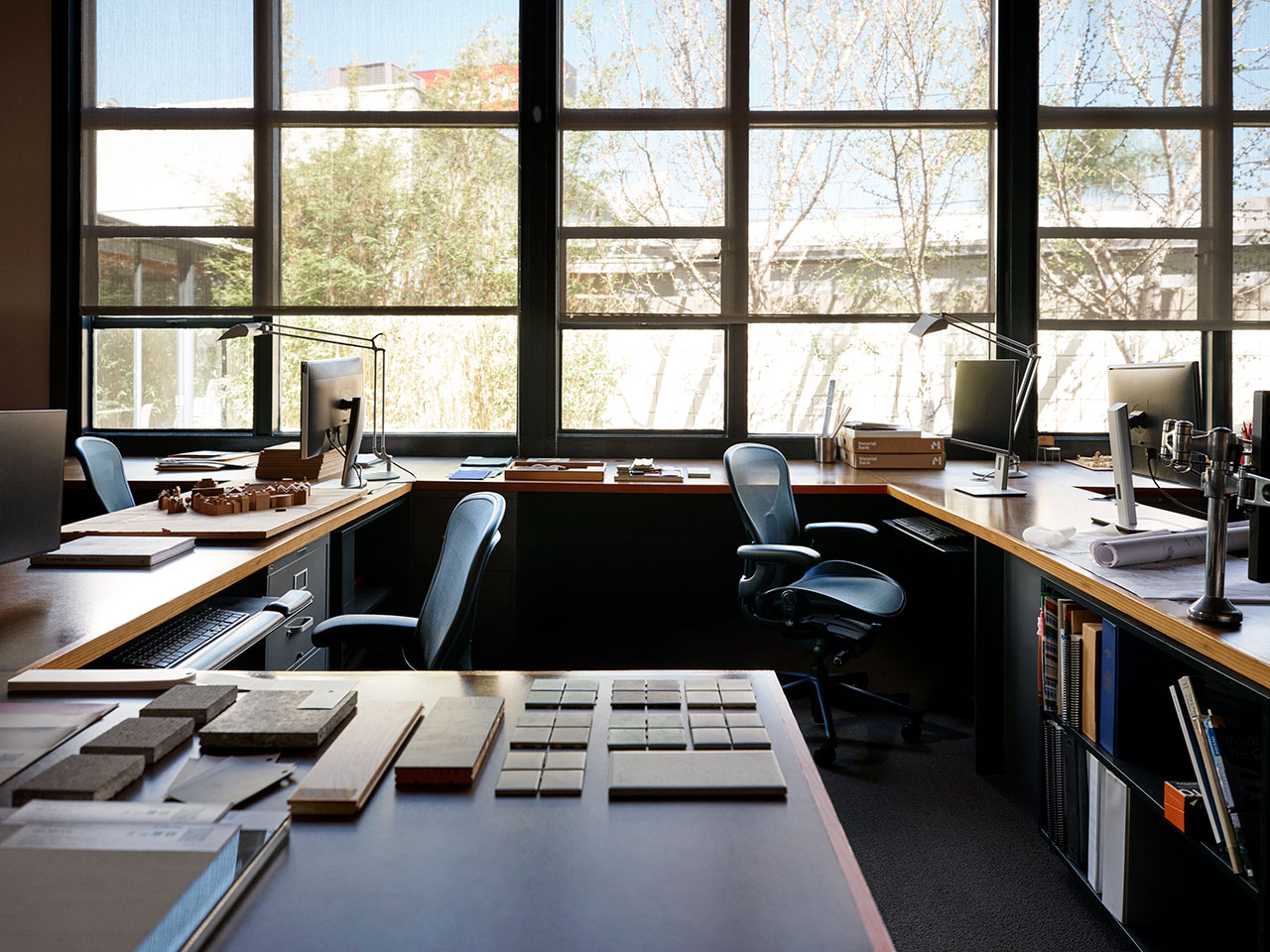
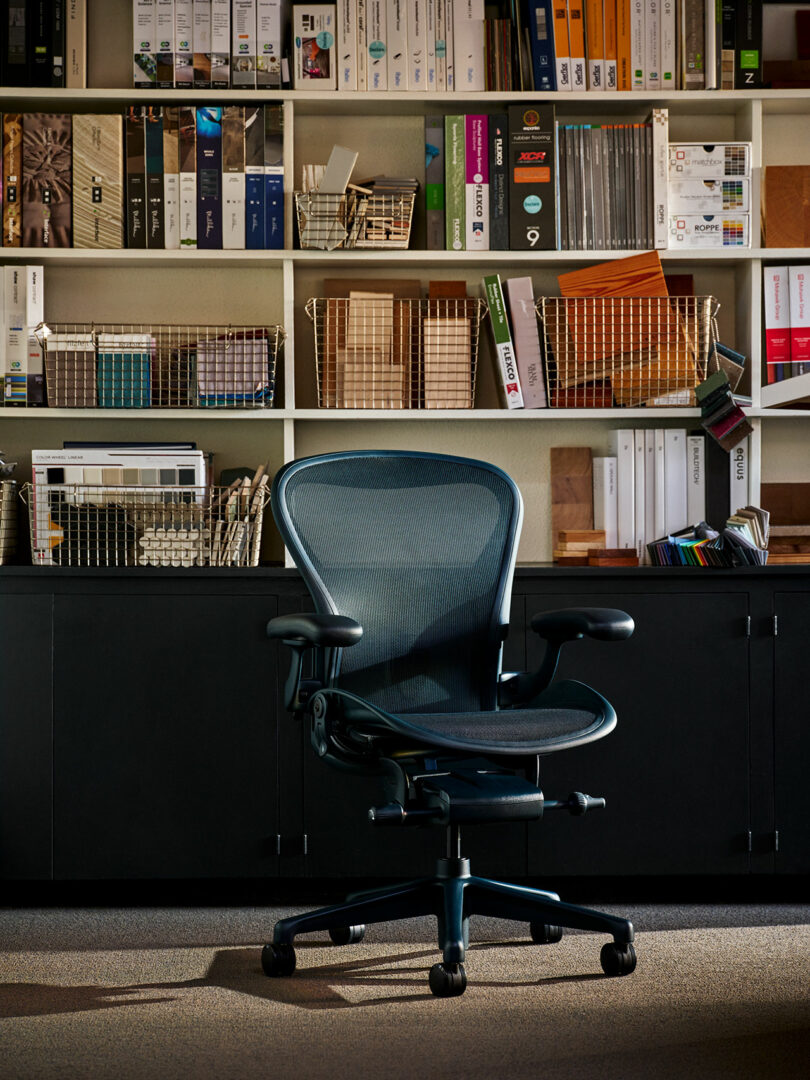
Photography by Pippa Drummond, courtesy of Herman Miller, captures the chair’s refined aesthetics and contextual integration into modern work environments.







