
 Indra Kusuma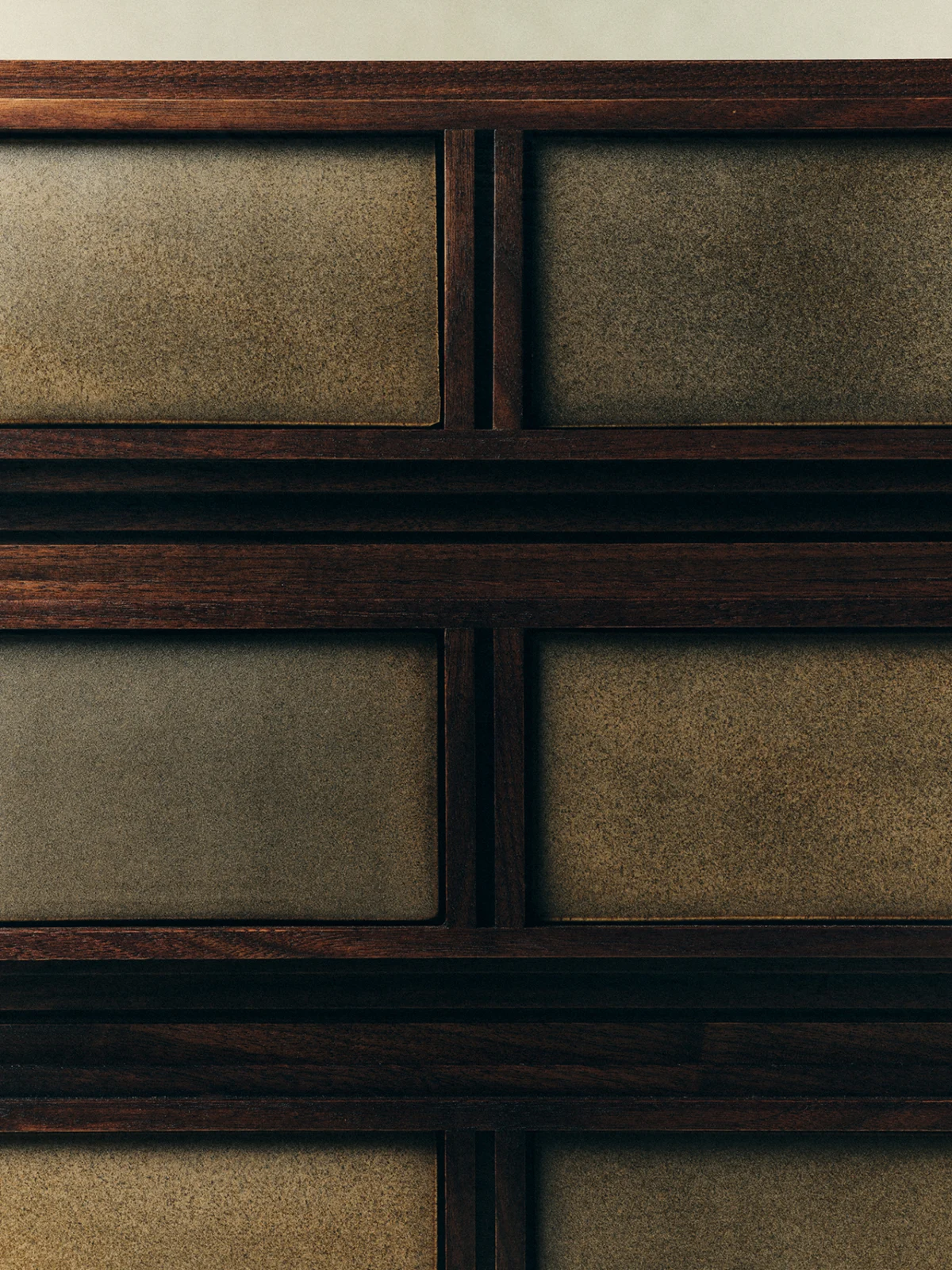
In an era witnessing a profound resurgence of appreciation for meticulous craftsmanship and historically rich design elements, the contemporary furniture landscape is experiencing a significant shift away from minimalist austerity towards more emotionally resonant and visually intricate forms. This paradigm is particularly evident in the widespread callback to subtle Art Deco flourishes that have dominated design discourse over the past few years, ushering in a renewed interest in age-old artisanal techniques. Among these, marquetry—the art of inlaying pieces of material (such as wood, shell, or ivory) into a surface to form intricate patterns—has conspicuously cropped up in cleverly interpretive and narrative-driven applications. This sophisticated approach involves the precise introduction of complementary, and sometimes contrasting, materials into the surfaces of what were traditionally monolithic forms. These meticulously integrated details serve a dual purpose: they expertly break up the visual monotony often associated with rigid modernist designs, while simultaneously embedding unique narratives into their resolutely uniform profiles. The result is an infusion of emotional resonance and a visually and viscerally enticing complexity into otherwise nondescript objects.
Building upon this flourishing trend and pushing its boundaries further is the newly released Eva Collection by New York-based luxury furniture brand, Maiden Home. Unveiled during the prestigious NYCxDesign 2026, this fresh, limited-run offering represents a bold reinterpretation of surface adornment. It sees carefully selected materials lightly rising above the expertly crafted casework furnishings, which include elegant oak and rich walnut armoires and sideboards. The collection’s most striking innovation lies in its unexpected choice of inlay: perfectly encased ceramic tiles. This material, typically relegated to the architectural cladding of bathrooms and kitchens, makes a daring and unprecedented appearance in high-end furniture, challenging conventional perceptions of its utility and aesthetic potential.

The Resurgence of Artisanal Craftsmanship and Its Roots
The design world’s embrace of techniques like marquetry is not merely a fleeting trend but rather a reflection of broader societal shifts towards "slow design," sustainability, and an appreciation for the handmade. After decades dominated by mass production and minimalist aesthetics that prioritized sleek lines and unadorned surfaces, consumers and designers alike are gravitating towards objects that tell a story, embody human touch, and possess a unique character. The revival of Art Deco influences, with its emphasis on geometric patterns, luxurious materials, and intricate detailing, has provided a fertile ground for the re-exploration of these traditional crafts. Art Deco, which flourished in the 1920s and 1930s, celebrated both modernity and opulence, often incorporating exotic woods, metals, and inlays to create a sense of glamour and sophisticated artistry. Contemporary designers are not merely replicating these styles but reinterpreting them through a modern lens, infusing them with new materials and contexts while retaining their inherent elegance.
Furthermore, the Eva Collection subtly echoes the philosophical underpinnings of the late 19th-century Arts and Crafts movement. This influential movement, a reaction against the perceived soullessness of industrial mass production, championed traditional craftsmanship, the integrity of materials, and the beauty of honest construction. Proponents like William Morris advocated for furniture and objects that were not only beautiful but also functional, revealing their construction methods rather than concealing them. The movement emphasized quality, durability, and the value of human labor, promoting a return to skilled artisans and handcrafted goods. Maiden Home’s approach, particularly in how the ceramic tiles interact with the wooden frames and even indicate functionality, aligns with this ethos of "honest assembly," where the material choices and construction details are celebrated rather than hidden. This historical context imbues the Eva Collection with a deeper narrative, positioning it as part of a continuum of design thought that values authenticity and enduring quality.

Maiden Home: A Legacy of Thoughtful Design
Maiden Home, since its inception, has carved a niche for itself as a luxury furniture brand committed to elevated design, exceptional craftsmanship, and American-made quality. Known for its bespoke production and direct-to-consumer model, the brand has consistently focused on delivering thoughtfully designed pieces that blend modern aesthetics with timeless appeal. The Eva Collection represents Maiden Home’s second "collective commission series," a testament to its ongoing commitment to material exploration and collaborative innovation. These series are typically born from an "obsession with a particular material and craft," as articulated by founder Nidhi Kapur, allowing the brand to push creative boundaries and introduce novel concepts to the market. This iterative approach to design ensures that each collection is not just a new product line but a meticulously curated exploration of artistic potential.
The Eva Collection: An Unprecedented Fusion of Materials

The most groundbreaking aspect of the Eva Collection is its audacious incorporation of ceramic tiles into fine furniture. While a handful of companies have, in recent years, successfully elevated tile to the status of a statement-piece novelty—promoting quality bespoke production, introducing striking colorways, and developing bold patterns for architectural applications—few have dared to liberate it from its primary use as a surface covering for floors and walls. Maiden Home’s decision to integrate ceramic into casework furnishings challenges this convention directly. The ceramic tiles are not merely decorative overlays; they are perfectly encased elements, suggesting a deep understanding of material properties and precise engineering. The choice of oak and walnut for the foundational casework further underscores the collection’s commitment to quality. These hardwoods are renowned for their durability, rich grain, and timeless appeal, providing a robust and elegant canvas for the ceramic inlays.
The integration of ceramic presents unique design and engineering challenges. Considerations such as weight, structural integrity, and the disparate expansion and contraction rates of wood and ceramic must be meticulously addressed to ensure the longevity and flawless finish of each piece. The success of the Eva Collection in seamlessly blending these materials speaks volumes about Maiden Home’s design acumen and manufacturing expertise. The tactile quality of the hand-cast ceramic tiles, with their inherent imperfections and unique textures, contrasts beautifully with the smooth, refined surfaces of the polished wood, creating a multi-sensory experience.
Sculptural Logic and Functional Artistry

In the Eva Collection, the carefully considered configuration of the geometric ceramic plates transcends mere decoration. It is imbued with a sculptural logic that is both aesthetically compelling and inherently functional. The precisely arranged tiles subtly help to indicate where otherwise seamlessly flush cabinet doors can be opened. This ingenious design element transforms a common functional necessity into an integral part of the aesthetic, offering a tactile guide that enhances user interaction. It’s a subtle yet profound nod to the virtues of "honest assembly" championed by the Arts and Crafts movement, where the method of construction and operation is revealed rather than disguised.
Nidhi Kapur elaborates on this philosophy: “It’s not overly referential or reverential, however. Eva has a timeless quality but perhaps we need to find a better word to describe that quality. It’s not here, it’s not there. It stands on its own.” This statement encapsulates the collection’s ability to draw inspiration from historical movements while forging a distinctly contemporary identity. It’s a design that acknowledges its lineage without being bound by it, achieving a universal appeal that transcends specific trends or eras. The "sculptural logic" behind the hand-cast tile meeting the wooden surface, perfectly anchored into place almost like puzzle pieces by gentle yet resolute framing, highlights this innovative blend of form and function. Each tile is a deliberate element, contributing to both the visual composition and the operational fluidity of the furniture piece.
The Vision Behind the Materials

Kapur further emphasizes the brand’s foundational design philosophy: “[All of] our work begins with material and the hands that shape it. These commission projects stem from our obsession with a particular material and craft. Eva grows out of ceramic, which has a real directness. Each tile is made by hand; you can see it. The geometric language of this collection came from pairing these elements against the precision of the wooden frames. Material against material; each one shaping the other.” This detailed insight reveals a design process deeply rooted in material exploration and artisanal skill. The "directness" of ceramic, particularly when hand-cast, brings an organic, human element to the otherwise precise and controlled geometric patterns. The visible marks of the hand, the subtle variations in texture and color, imbue each tile with a unique character that mass-produced materials simply cannot replicate.
The interplay between the raw, tactile nature of the ceramic and the refined, precise execution of the wooden frames creates a dynamic tension that is central to the collection’s appeal. It’s a dialogue between disparate materials, each influencing and enhancing the other, resulting in a harmonious whole that is greater than the sum of its parts. This philosophy aligns with a broader trend in luxury design where authenticity of material and visible craftsmanship are highly valued, offering a counterpoint to the increasingly digitized and impersonal world.
NYCxDesign 2026 Launch and Market Impact

The Eva Collection made its debut during NYCxDesign 2026, a pivotal event in the global design calendar that showcases innovation and emerging trends across various disciplines. The strategic timing of the launch during such a high-profile festival amplified its visibility and impact within the international design community. The collection was unveiled in a specially staged setting designed to complement its aesthetic and philosophical underpinnings. This "moody, golden-hued installation" was meticulously crafted to play up the inherent warmth and symbiotic relationship between the seemingly disparate materials incorporated in the furniture. The atmospheric lighting and carefully curated environment provided a backdrop that highlighted the intricate details, tactile qualities, and emotional resonance of each piece, transforming the viewing experience into an immersive journey.
The introduction of the Eva Collection positions Maiden Home at the forefront of innovative luxury furniture design. In a competitive market increasingly seeking uniqueness and bespoke quality, the collection offers a compelling proposition. Data from market research firms consistently indicate a growing demand for handcrafted, artisanal, and sustainable luxury goods. Consumers are willing to invest in pieces that offer enduring value, tell a story, and differentiate their living spaces. The Eva Collection, with its blend of traditional techniques, unconventional material pairing, and thoughtful design, taps directly into these market demands. It not only showcases Maiden Home’s commitment to pushing creative boundaries but also serves as a benchmark for how heritage crafts can be reimagined for contemporary living.
Broader Implications for Design and Materiality

The Eva Collection’s innovative use of ceramic tiles in furniture carries significant implications for the broader design industry. It challenges designers to rethink conventional material applications, encouraging a more experimental and interdisciplinary approach. By successfully integrating a material typically confined to architectural surfaces into functional furniture, Maiden Home opens up new avenues for textural and visual exploration. This could inspire a wave of similar cross-material experimentation, leading to novel tactile experiences and aesthetic expressions in interior design.
Moreover, the collection reinforces the value of longevity and craftsmanship in an age often characterized by disposable goods. Hand-cast tiles and expertly crafted hardwoods inherently speak to durability and timelessness, aligning with principles of sustainable consumption where objects are made to last and be cherished across generations. The collection blurs the lines between functional furniture and sculptural art, inviting a deeper appreciation for the artistic merit embedded in everyday objects. As design continues to evolve, the Eva Collection stands as a testament to the power of thoughtful innovation, proving that the most compelling designs often emerge from a respectful reinterpretation of tradition and a fearless exploration of material potential. It serves as a compelling example of how luxury furniture can be both a practical utility and a profound statement of artistic intent, offering pieces that truly "stand on their own" as enduring works of craft.
To explore this groundbreaking collection and other distinguished furnishings from the brand, patrons are encouraged to visit maidenhome.com.

Photography provided by Maiden Home.







