
 Indra Kusuma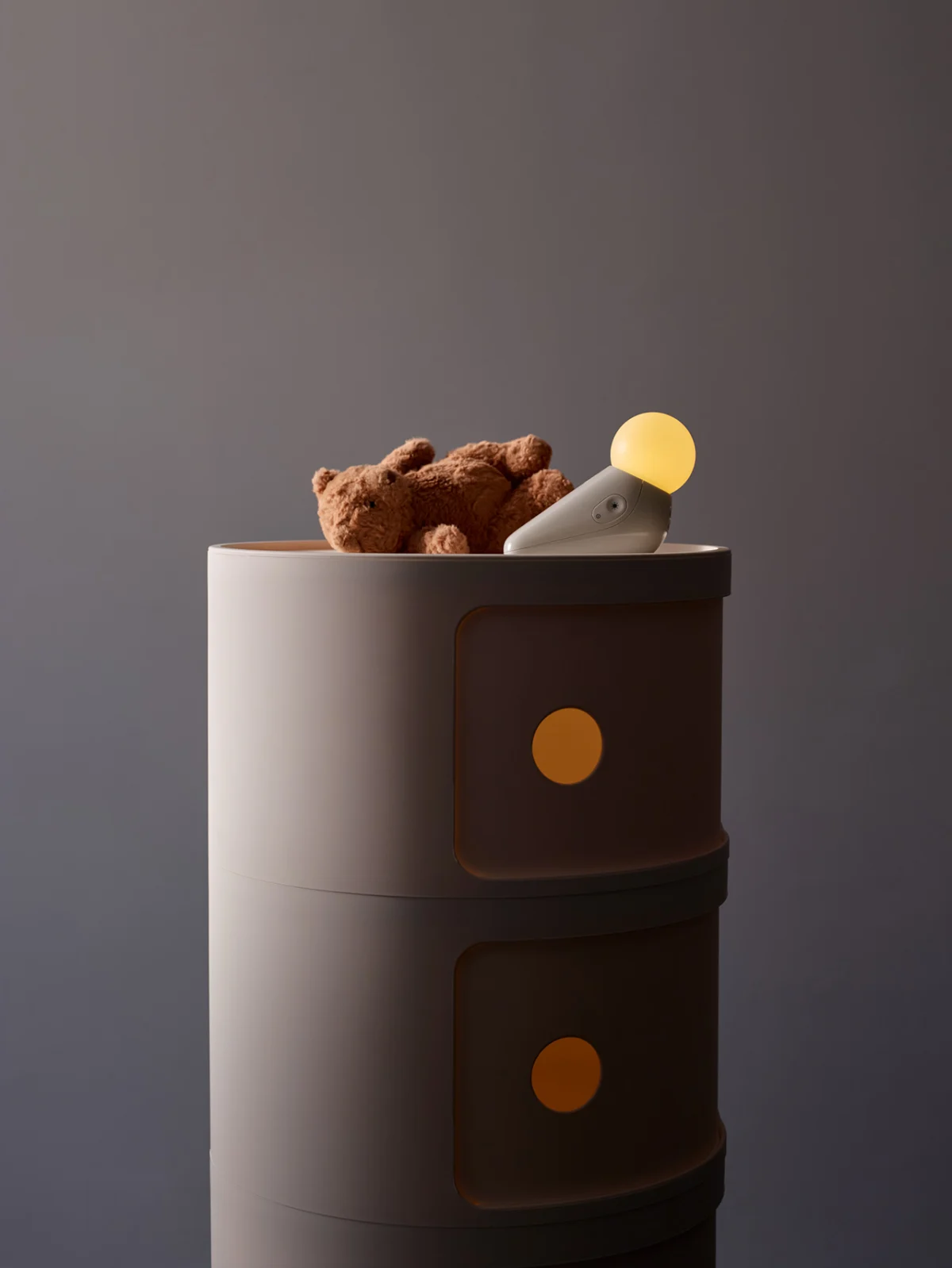
British designer Tej Chauhan, long celebrated for his philosophy of positioning product design as the facilitation of joy, has once again exemplified this ethos with the introduction of the S1 Soother, conceived for Motorola Nursery. This latest innovation is poised to redefine the landscape of infant care devices by deftly shaping advanced functionality with a considered balance of whimsy and refinement. Chauhan’s signature approach involves deploying distilled, recognizable, and playful forms, a method he consistently applies to soften the perceived complexity of both existing and emerging technological modalities, thereby making rapid advancements more decipherable and, crucially, relatable for users. The S1 Soother stands as a testament to this philosophy, aiming to bridge the gap between high-tech utility and a warm, emotionally resonant user experience in the sensitive realm of childcare.
The Evolution of Design for Joy: Tej Chauhan’s Vision
Tej Chauhan’s career spans several decades, during which he has consistently championed a design methodology centered on humanizing technology and infusing everyday objects with a sense of delight. His portfolio, which ranges from innovative consumer electronics to furnishings and apparel, reflects a deep commitment to creating products that are not only functional but also evoke positive emotional responses. This "design for joy" principle is particularly potent when applied to areas where technology can feel impersonal or intimidating. In an era marked by rapid technological evolution, Chauhan’s work serves as a crucial counterpoint, ensuring that advancements in functionality are matched by an equal emphasis on user comfort, intuition, and aesthetic pleasure. He argues that technology, when thoughtfully designed, should seamlessly integrate into human lives, enhancing experiences rather than complicating them. His ability to distill complex functions into simple, approachable forms has earned him international recognition and positioned him as a thought leader in industrial design. The S1 Soother is a prime example of this design philosophy translated into a product designed for the most vulnerable users – infants – and their caregivers.
Motorola Nursery’s Strategic Reimagining of Childcare Technology
The S1 Soother is not a standalone product but the latest integral component of Motorola Nursery’s paradigmatically reimagined PIP collection of baby monitors and complementary devices. This collection represents a significant strategic pivot for Motorola, a brand with a long-standing heritage in communication technology, now extending its expertise into the nuanced world of infant care. Recognizing a burgeoning market demand for sophisticated yet aesthetically pleasing nursery solutions, Motorola Nursery embarked on a mission to elevate its product offerings beyond mere utility. The traditional market for baby monitors and nursery devices has often been characterized by a focus on robust functionality, sometimes at the expense of design elegance or emotional appeal. Devices were frequently bulky, utilitarian, and lacked integration with contemporary home aesthetics.
Motorola Nursery’s collaboration with designers like Tej Chauhan signifies a clear understanding that modern parents seek products that are not only reliable and effective but also align with their lifestyle, interior design preferences, and desire for intuitive, non-intrusive technology. The PIP collection, therefore, aims to blend purposeful, reliable technology with an emotional connection, transforming essential nursery gadgets into desirable objects that enhance the home environment rather than detract from it. This strategic direction positions Motorola Nursery as a forward-thinking player in the competitive baby products market, appealing to a demographic that values both performance and premium design.
The S1 Soother: Bridging Form and Function for Infant Well-being
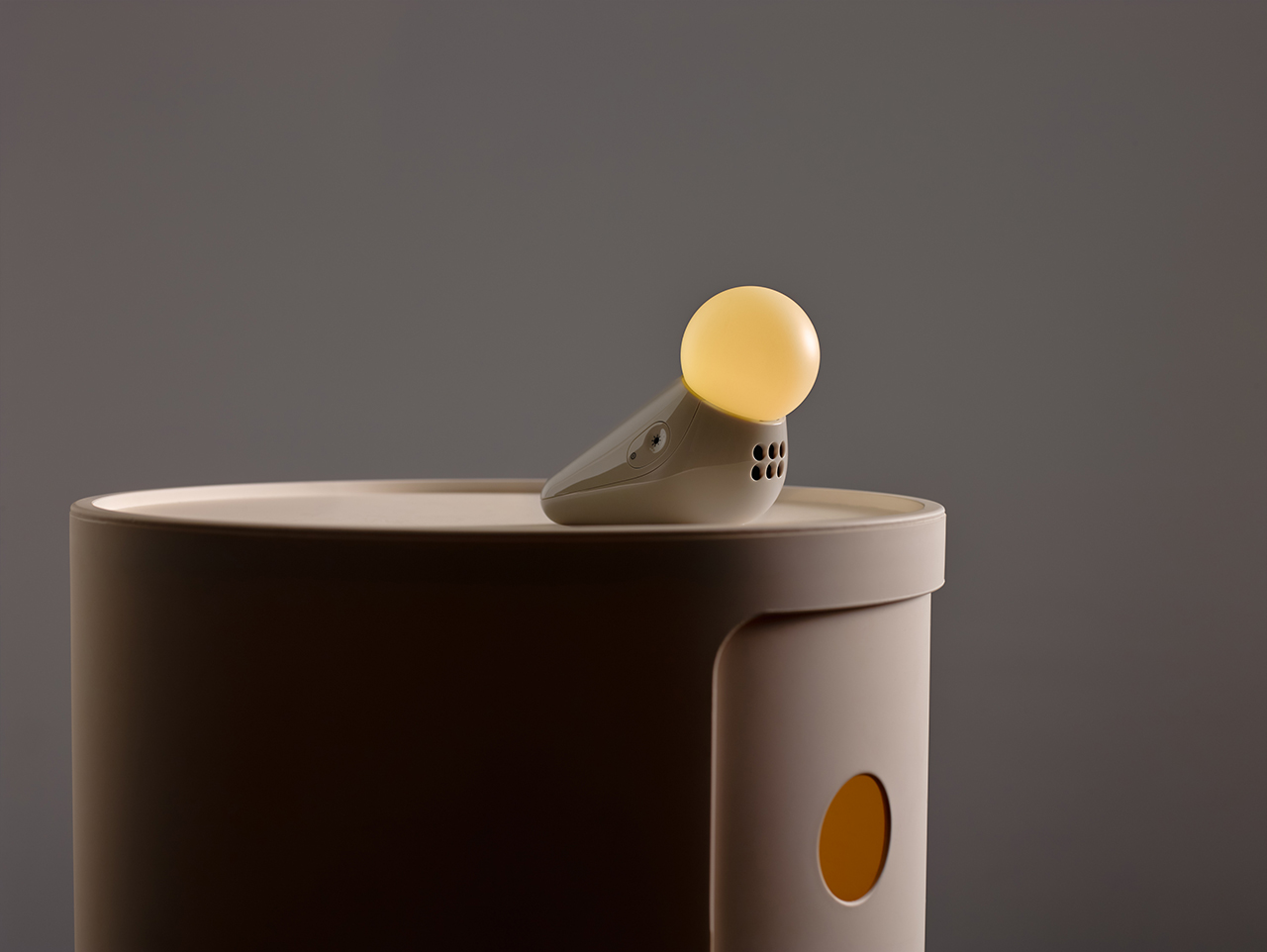
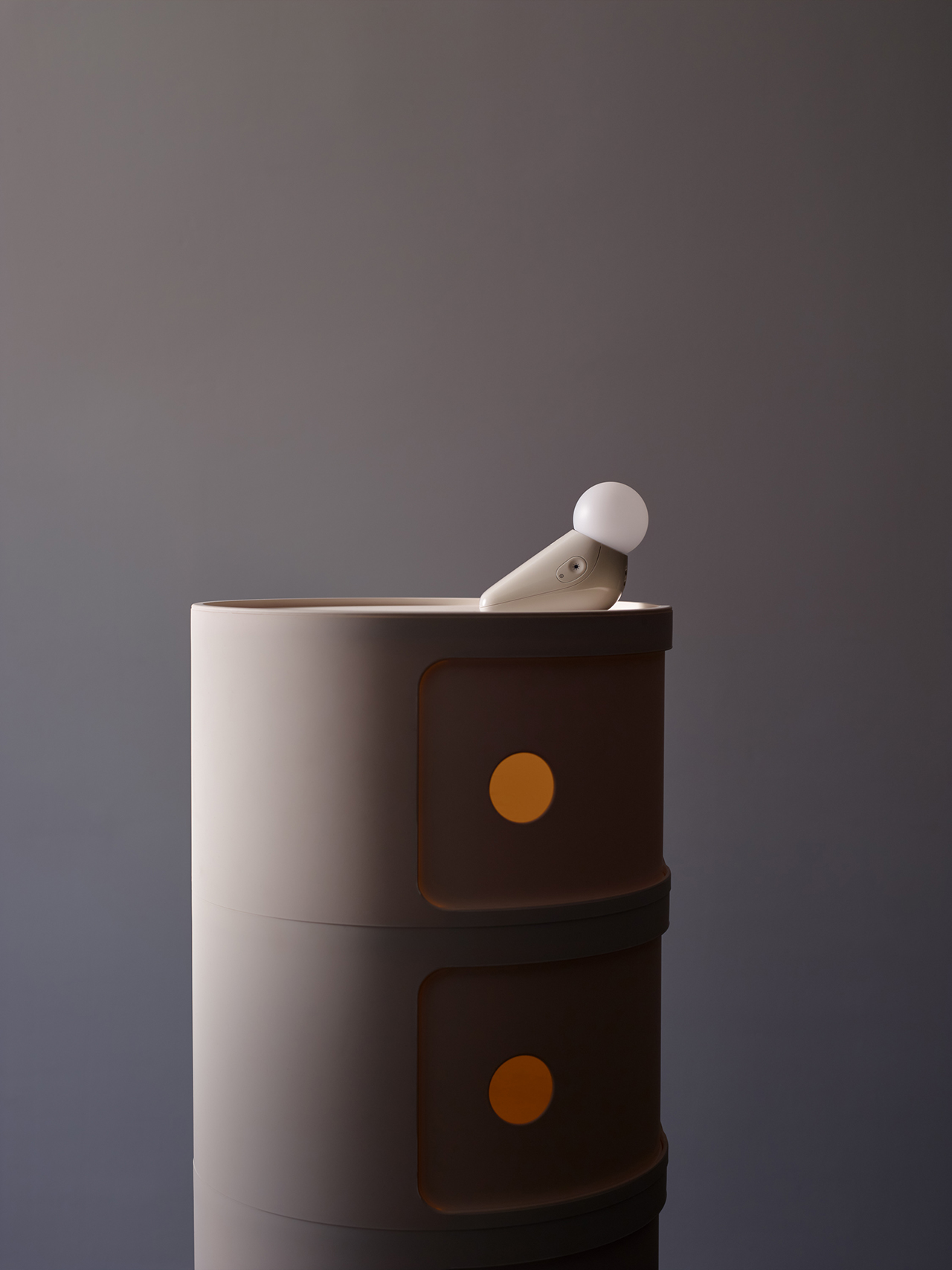
The S1 Soother encapsulates this refreshed vision perfectly. Shaped to subtly resemble a "little seal," the device transcends typical product design to become an animated, friendly presence in a child’s room. This zoomorphic configuration is a deliberate design choice, aiming to soften the technological aspect and create an object that infants and toddlers can instinctively relate to and feel comforted by. The device’s primary functions are to emit carefully calibrated soft light and project gentle soundscapes, working in concert to calm babies and toddlers as they transition into rest. It acts as a friendly, reassuring force, providing immediate, albeit indirect, support when parents might be otherwise occupied.
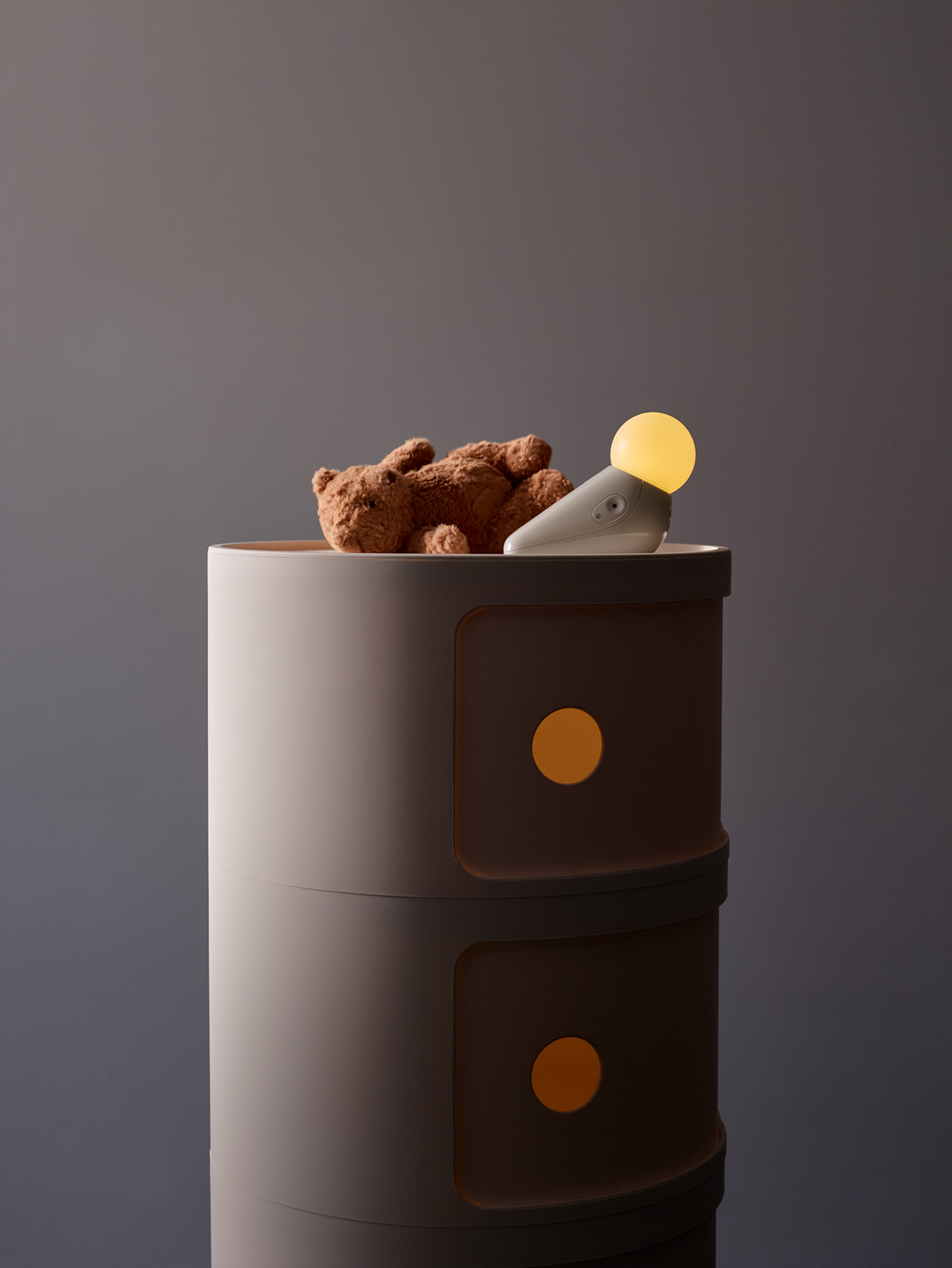
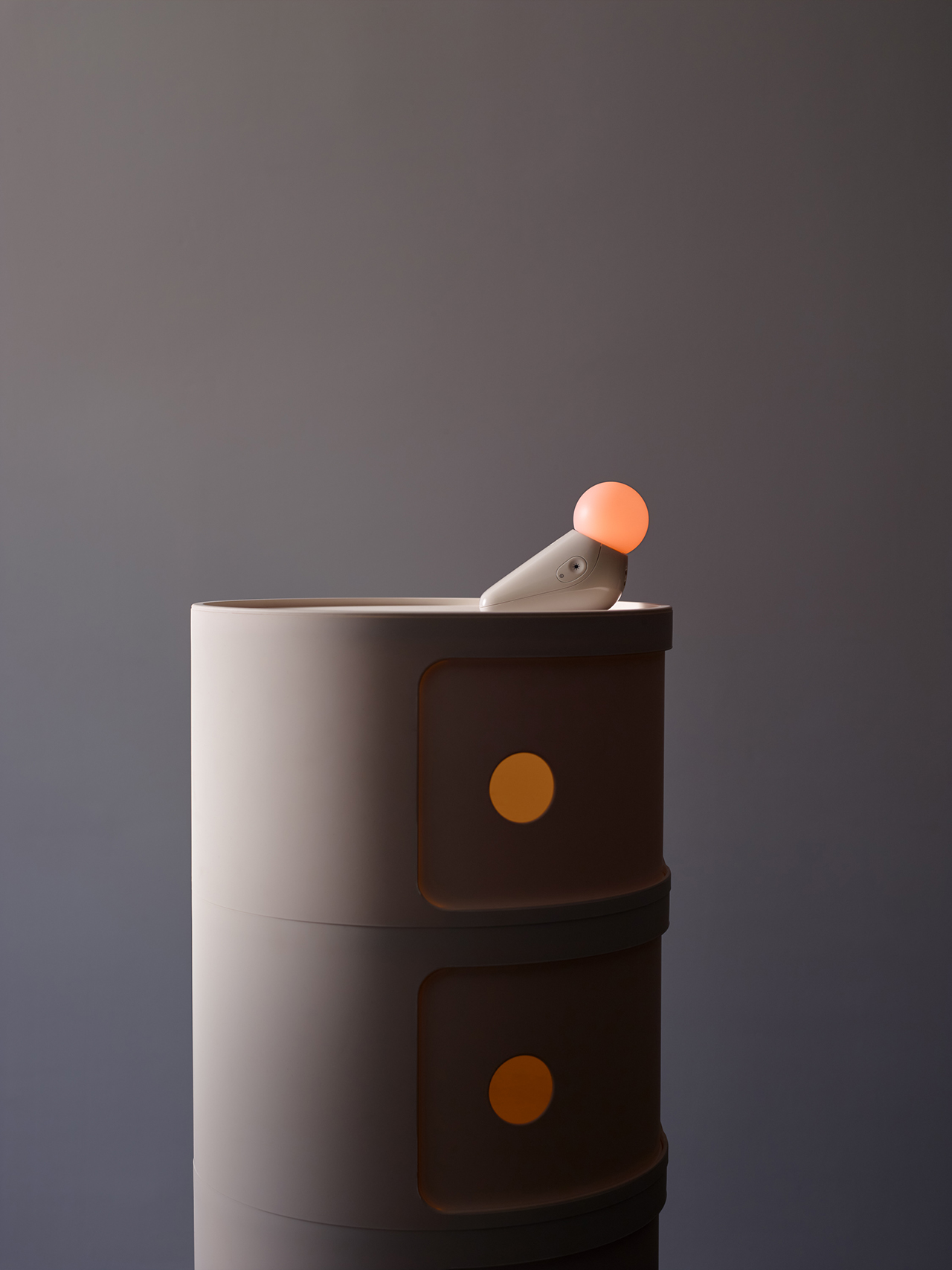
When inactive, the S1 Soother maintains a sleek, monochromatic, and sculptural presence. Its design allows it to remain somewhat inconspicuous, blending seamlessly into a modern nursery or any other living space without the stark visual interruption often associated with electronic devices. This dual nature – a comforting companion when active, and an elegant sculptural object when at rest – underscores Chauhan’s commitment to holistic design. The meticulous attention to proportions ensures that form and function are considered in equal measure, a stark contrast to many competitors where function strenuously supersedes form, and design appears to be an afterthought, if considered at all.
An Emotional Imperative in Design: Beyond Mere Utility
Chauhan emphasizes that the S1 Soother’s form is less a reflection of pure, universal function and more an embodiment of an implicit emotional need. "With the S1 Soother, I wanted to create more than just a nursery device—I wanted its form to capture a sense of calm and character, inviting warmth into an everyday routine," states Chauhan. "The PIP collection has always been about blending emotional connection with purposeful, reliable technology, and the S1 needed to embody that concept completely. It’s designed to make parents feel good, to bring joy and reassurance to quiet moments, and to look beautiful wherever it lives."
This perspective highlights a critical shift in product development, particularly for items intended for vulnerable populations like infants. It’s not solely about the device "getting the job done" – ensuring kids sleep – but about making the entire experience positive, holistic, and non-traumatic. The psychological impact of a calming environment, facilitated by thoughtfully designed objects, cannot be overstated in early childhood development. A friendly, gentle presence can significantly aid in establishing healthy sleep routines and reducing anxiety for both children and parents.
Market Dynamics and the Growing Demand for Smart Nursery Solutions
The introduction of the S1 Soother comes at a time of significant growth and evolution in the global baby care products market. The smart nursery segment, in particular, has seen a substantial surge in demand, driven by tech-savvy parents seeking integrated solutions that offer convenience, safety, and peace of mind. Market research indicates that the global smart nursery market is projected to grow at a compound annual growth rate (CAGR) exceeding 15% over the next decade, reaching multi-billion dollar valuations. This growth is fueled by increasing disposable incomes, urbanization, and a heightened awareness among parents regarding infant well-being and development.
Within this burgeoning market, there is a distinct trend towards products that combine advanced technology with superior aesthetics and intuitive user interfaces. Parents are increasingly willing to invest in premium products that not only perform their intended function reliably but also integrate harmoniously into their modern homes. The days of purely utilitarian, clunky baby gear are steadily receding as design-conscious consumers prioritize products that offer both high functionality and visual appeal. The S1 Soother, with its unique blend of playful design, sophisticated technology, and emotional resonance, is strategically positioned to capture a significant share of this evolving market. It appeals to parents who view nursery items not just as necessities, but as extensions of their home’s aesthetic and their parenting philosophy.
Implications for the Future of Childcare Design
The S1 Soother and the broader Motorola Nursery PIP collection represent more than just new product launches; they signify a potential paradigm shift in how childcare devices are conceived and brought to market. By prioritizing emotional connection and aesthetic integration alongside technological prowess, Tej Chauhan and Motorola Nursery are setting a new benchmark for the industry. This approach could inspire other manufacturers to move beyond purely functional design, fostering an environment where innovation is measured not only by technological advancement but also by the human experience it creates.
The implications are far-reaching. For children, it means growing up in environments enriched by thoughtfully designed objects that promote calm and curiosity, rather than overwhelming them with sterile technology. For parents, it offers reassurance and a sense of joy in the daily routines of childcare, transforming potentially stressful moments into serene ones. For the design industry, it reinforces the power of human-centered design, demonstrating that even in highly functional product categories, the emotional dimension can be a powerful differentiator and a key driver of success.
Moreover, this initiative underscores the increasing value of cross-industry collaborations, where established technology brands partner with visionary designers to inject fresh perspectives and elevate product categories. It illustrates that design is not merely about surface aesthetics but a strategic tool for enhancing user experience, building brand loyalty, and addressing unmet emotional needs in the market. As technology continues to evolve at an unprecedented pace, the ability to make it accessible, relatable, and joyful will become an increasingly critical aspect of product development. The S1 Soother stands as a beacon for this future, embodying a harmonious blend of art, science, and empathy in the service of early childhood well-being.







